Renault Master has well-known weak spots
The Renault Master has been a reliable commercial vehicle for business owners and tradespeople for many years. Even so, this workhorse also has a number of recurring technical problems that owners have to deal with. From engine faults to electronic glitches and wear in the running gear: certain components need more attention than others. If you recognise the warning signs and know what to look out for during maintenance, you can avoid costly downtime.
Generations of the Renault Master
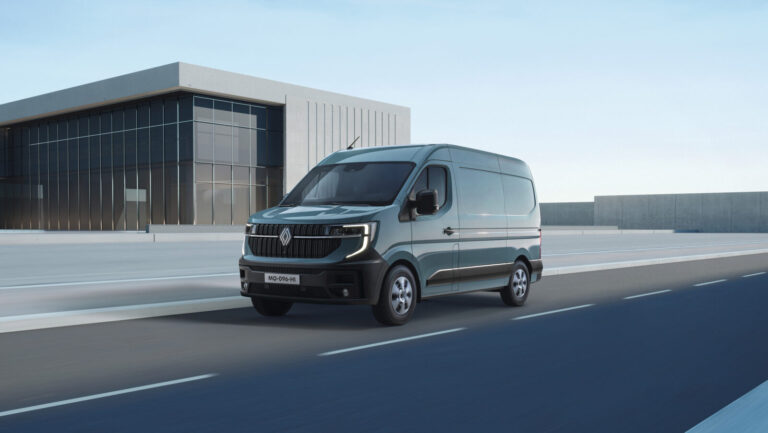
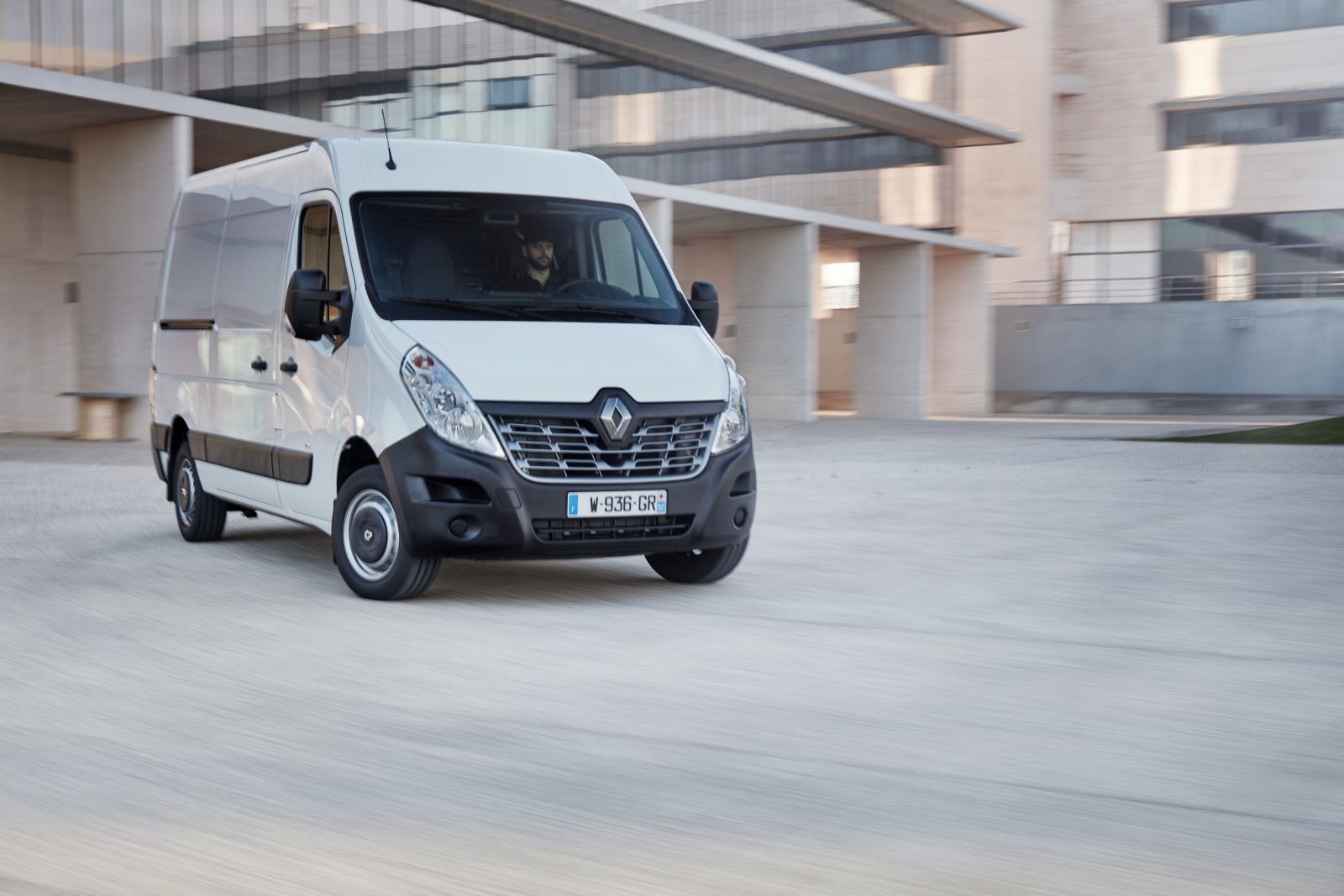
The Renault Master has been part of the French commercial vehicle range since 1980. The model has grown from a simple van into a versatile platform for various body types. The second generation appeared in 1998 with improved engines and greater payload. From 2010, Renault introduced the third generation with new diesel engines and advanced electronics. This development brought better performance, while at the same time introducing more complex technology that sometimes causes problems.
Some problems occur mainly with certain generations. With older models from before 2010, you see more rust and mechanical wear. Newer versions more often suffer electronic faults and issues with emissions systems. The problems differ by year of manufacture, but certain weak points crop up again and again. For a broader picture of the common vulnerabilities in Renaults you can look at patterns that also appear in other models from the brand.
‘ If you fail to spot it in time, the damage soon mounts up. ’
Recurring engine problems
The diesel engines in the Renault Master usually deliver reliable performance, but a few components regularly cause complaints. The EGR valve often becomes clogged with soot deposits. This leads to loss of power, an irregular idle and increasing fuel consumption. This contamination builds up faster if the vehicle mainly does short trips or a lot of city driving.
Injectors can fail or become blocked over time. You notice this from poor starting, engine vibration or black smoke from the exhaust. In some models, leaking injectors cause diesel to mix with the engine oil. This can cause serious engine damage. If you fail to spot it in time, the damage soon mounts up.
The turbo has a limited service life under intensive use. Poor maintenance or contaminated oil shortens its life even further. Symptoms include a whistling noise under acceleration, reduced power or blue-grey smoke. Replace oil and filters at the prescribed intervals to prevent turbo problems.
In older models, the timing chain can stretch or start to rattle. Modern engines use a chain instead of a belt, which saves on maintenance, but a faulty chain can lead to severe engine damage. Listen for a ticking or rattling noise when starting or accelerating.
Transmission and clutch need attention
The manual gearbox is considered reasonably reliable, but heavy use leaves its mark. Worn clutches occur particularly on vehicles that regularly tow heavy loads or drive in stop-start traffic. You can recognise a slipping clutch by the revs rising without a matching increase in speed, or a burning smell when changing gear.
The gearbox itself can suffer from worn synchronisers. You then hear grinding noises when changing gear or feel resistance when engaging a particular gear. Regularly changing the transmission oil helps to slow this process, but heavy loading speeds up the wear.
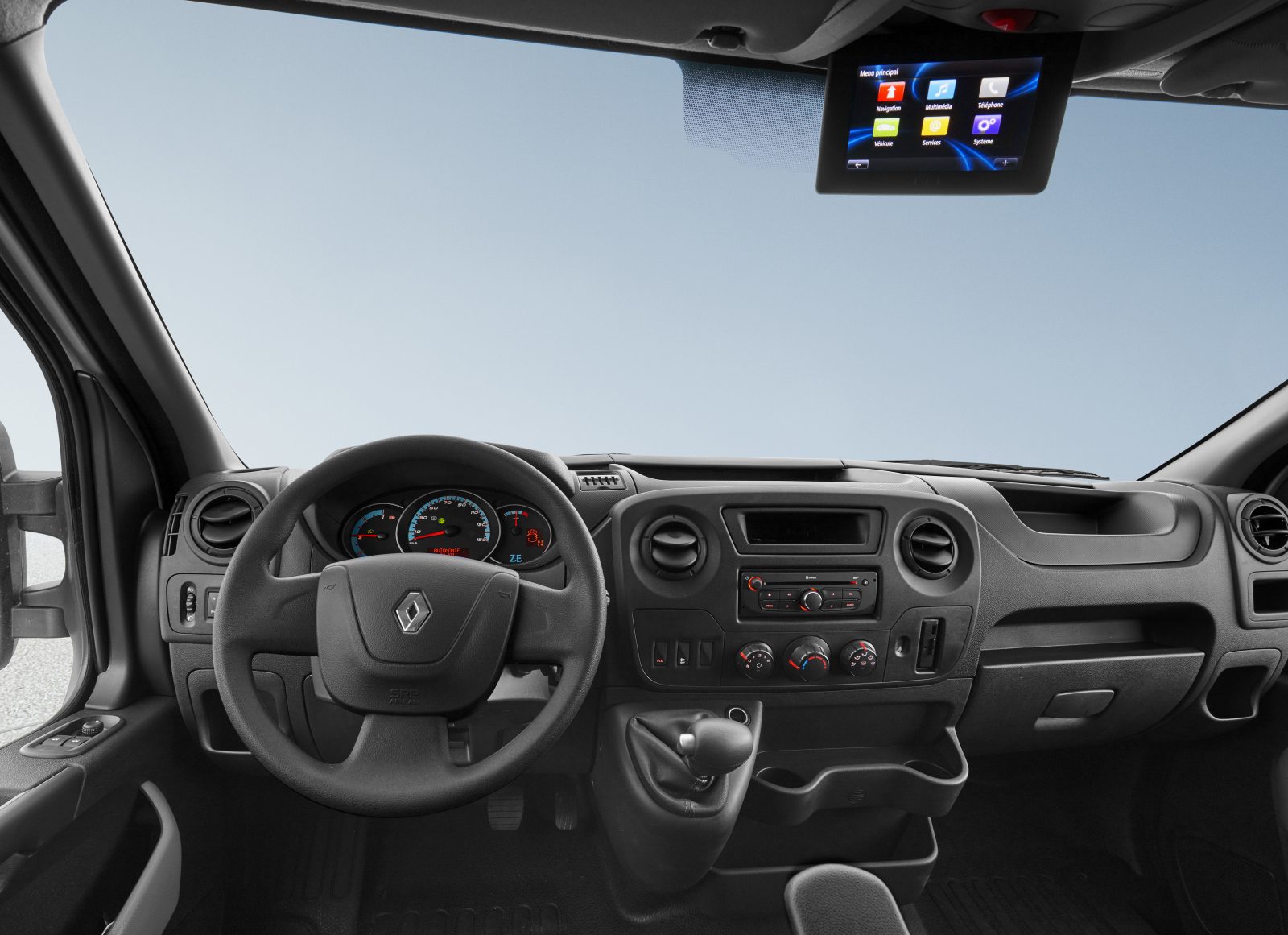
In models with an automatic transmission, faults in the electronic control system are fairly common. This shows up as irregular shifting, getting stuck in a particular gear or warning messages on the dashboard. Check whether software updates are available, as manufacturers solve some problems through updates.
Electronic faults are typical of newer models
The Renault Master built after 2010 is fitted with a lot of electronics for the engine, safety and comfort systems. This complexity brings vulnerabilities. Sensors such as the mass air flow sensor, lambda sensor or pressure sensors regularly fail. A faulty sensor triggers warning lights and sometimes limits engine power via limp-home mode.
Wiring problems arise due to vibrations, heat and moisture. Broken cables or poor connections cause intermittent faults that are difficult to trace. Contact problems in plug connections are particularly common in older high-mileage vehicles.
The ABS and ESP systems sometimes display fault messages due to defective wheel speed sensors. Dirt, corrosion or mechanical damage to the sensors causes warning lights and reduced effectiveness of the driver assistance systems. Clean the sensors regularly and check the wiring for damage.
‘ If the vehicle bounces more than once, the shock absorbers need replacing. ’
Chassis and suspension wear under heavy use
The Renault Master often carries heavy loads over long distances, which leaves its mark on the chassis. Wheel bearings sometimes start to make noise or fail prematurely, especially at the front. You then hear humming or droning noises that increase with speed.
Control arms and rubber bushes in the suspension wear out under intensive use on poor roads. This leads to play in the suspension, wandering steering and uneven tyre wear. Check the suspension annually and replace worn parts in good time to maintain safe handling.
Shock absorbers wear out over time. You can recognise a tired shock absorber by bouncy ride quality, poor road holding in corners or longer braking distances. Test the shock absorbers by pressing firmly on one corner of the vehicle. If the vehicle bounces more than once, the shock absorbers need replacing.
The braking system has a few points to watch. Front brake discs can wear unevenly due to unequal pressure or sticking calipers. This causes vibrations when braking or reduced braking performance. Check the thickness of discs and pads at every service.

Bodywork and interior show signs of use
Rust mainly affects older models from before 2010. Look carefully at the bottoms of the doors, the wheel arches and the load floor. Moisture build-up from heavy use and insufficient protection speeds up corrosion. Treat small rust spots immediately to prevent further damage.
Door locks and sliding door mechanisms often cause problems. The lock no longer closes properly, the door sticks or the operating mechanism jams. Lubricate moving parts regularly and replace damaged components before the lock fails completely.
Window mechanisms can jam or respond sluggishly. In manually operated windows, cables or gears wear out. Electric windows sometimes suffer from failed motors or switches. Good lubrication prolongs the service life of manual systems.
The interior shows wear under heavy use. Seat upholstery frays, dashboard elements start to rattle and plastic parts break off. This affects comfort but not the technical condition. However, it does reduce the resale value.
Heavy use and maintenance determine service life
How the Renault Master is used plays a major role in the development of problems. Vehicles that carry heavy loads every day or cover long distances wear out more quickly than lightly loaded examples. Short trips with frequent starts and stops put extra strain on the engine and exhaust systems because they do not warm up fully.
Insufficient or postponed maintenance speeds up wear. Skipping oil changes harms the engine and turbo. Neglected brakes become dangerous. Old coolant loses its protective properties, causing corrosion in the cooling system.
Driving style also makes a difference. Aggressive acceleration and hard braking increase the load on engine, transmission and brakes. A smooth driving style extends the life of wear parts and saves fuel.
‘ Incorrect tyre pressures cause uneven wear and increase fuel consumption. ’
Preventive maintenance avoids costly breakdowns
Regular servicing in line with the manufacturer’s schedule prevents many problems. Replace engine oil and filters as prescribed, even if the vehicle covers few miles. Under heavy use, shorter intervals are preferable.
Check coolant, brake fluid and screenwash regularly. Replace the coolant every three years to protect the cooling system. Test the brake fluid for moisture content, as moisture lowers the boiling point and damages rubber components.
Inspect tyres for correct pressure and wear. Incorrect tyre pressures cause uneven wear and increase fuel consumption. Rotate or replace tyres in good time to maintain safe grip and stable handling.
Have the exhaust and emissions systems checked regularly. Rust holes in the exhaust or a faulty diesel particulate filter lead to fault messages and loss of power. Clean or replace the EGR valve preventively at high mileages.
Lubricate hinges, locks and cables on doors and tailgates. This prevents seizing and wear of moving parts. Check all lights are working and replace failed bulbs immediately for visibility and safety.
Recognise symptoms and know when to act
Pay attention to warning lights on the dashboard. An illuminated engine light indicates a fault in the engine or emissions systems. Have the fault code read with a diagnostic tool to establish the cause. Do not continue driving for too long with active warning lights, as this can cause further damage.
Unusual noises deserve attention. Ticking, rattling or squeaking sounds point to mechanical problems. A droning noise while driving suggests wheel bearings, while a whistling sound under acceleration points to turbo issues.
Changes in driving behaviour signal faults. Reduced power, poor handling or longer stopping distances call for professional diagnosis. Vibrations while driving or braking indicate problems with the suspension or braking system.
Moisture or stains under the vehicle indicate leaks. Check whether it is just water from the air conditioning or whether fluids such as oil, coolant or fuel are leaking. Leaks require prompt repair to prevent damage and danger.
What to check when buying used
When buying a used Renault Master, always ask for the service book. Check whether all services have been carried out according to schedule and whether original parts were used. Vehicles without a complete service history come with greater risk.
Check the engine for leaks, unusual noises and smooth starting. Ask whether the EGR valve and injectors have been cleaned or replaced. Test the turbo by accelerating firmly and listening for abnormal noises or watching for smoke.
Test the gearbox by trying all gears. Make sure it shifts smoothly without grinding noises or resistance. In an automatic transmission, gear shifts should be smooth without jerks.
Inspect the chassis for play in the suspension and wear in the wheel bearings. Jack the vehicle up and check whether the wheels have any play. Test the brakes in a safe place by braking hard and watching out for vibrations or the vehicle pulling to one side.
Examine the bodywork thoroughly for rust, especially at the bottom of the doors, around the wheel arches and in the load area. Open and close all doors, tailgates and hatches to test the operation of locks and hinges.
If in doubt, have a professional inspection carried out. A specialist with experience of commercial vehicles can spot hidden defects that a layperson will miss. The cost of an inspection is small compared with the cost of hidden repairs.
‘ Owners who know the warning signs and act in time keep their Master operational for many years. ’
A workhorse with manageable problems
The Renault Master proves its reliability in many businesses and public services. The well-known problems with engine, electronics and chassis are recognisable and can often be prevented with careful maintenance. Owners who know the warning signs and act in time keep their Master operational for many years. The balance between payload, practical usability and maintenance costs makes the model a sensible choice for professional transport, provided you take the technical points of attention seriously.