Battery problems in the Renault Master are common and cause difficulties when starting, weak lighting and warning lights on the dashboard. In many cases the cause lies in loose battery terminals, oxidation or a defective battery. Fortunately, with a few targeted checks you can identify most problems yourself and tackle them.
The Renault Master is a popular commercial vehicle that is used both as a van and as a camper. Due to intensive use and sometimes heavy electrical loads, battery problems occur more quickly. Owners of electric E-TECH versions and diesel models with camper conversions in particular report issues with reduced capacity, charging faults and voltage fluctuations.
This article helps you recognise battery problems in your Renault Master, trace the cause and take the right steps towards a solution.
Symptoms of a weak battery
A battery that is nearing the end of its service life usually gives clear signals. The engine starts slowly or turns over with difficulty. The lighting is weaker than normal, especially when starting. Warning lights may also appear on the dashboard, such as the battery light or indicators for electrical systems.
Voltage drops are a common problem. The cab battery can show low values, such as 11.2 volts, even though it is being charged via a solar panel or external power supply. In camper versions, owners sometimes notice that the habitation batteries function normally while the cab battery fails. This often points to corrosion, loose connections or a defective fuse.
Electrical faults can also point to battery problems. During MOT inspections, electrical issues, including battery problems, are found most frequently on the Renault Master, followed by suspension and brake problems.
‘ Oxidation is a common culprit. ’
Check battery terminals and connections
Before buying a new battery, it is sensible to rule out the simplest causes. Start by checking the battery terminals. Loose terminals can prevent the current from being transferred properly. Make sure the terminals are firmly tightened and make good contact with the battery posts.
Oxidation is a common culprit. Green or white deposits on the battery posts worsen conductivity. You can remove oxidation with a mixture of water and baking soda. Apply the solution with an old toothbrush and scrub the posts clean. Then rinse with clean water and dry the posts thoroughly. Lightly coat the terminals with petroleum jelly to prevent new oxidation.
Also check all the cables running to the battery. Damaged or worn cables can cause problems. Pay particular attention to the cables running to the starter motor and alternator, as these are crucial for charging and discharging the battery.
Measure battery voltage with a multimeter
A multimeter is a handy tool for assessing the condition of your battery. Measure the voltage with the engine switched off. A healthy battery has a resting voltage between 12.4 and 12.7 volts. If the voltage is below 12 volts, the battery may be discharged or defective.
Then start the engine and measure again. With the engine running, the voltage should be between 13.7 and 14.7 volts. This indicates that the alternator is charging the battery. If the voltage remains below 13.5 volts, the alternator is not charging properly. If the voltage rises above 15 volts, there may be a defective voltage regulator.
On models with an advanced Battery Management System (BMS) – a built-in system that monitors the battery and controls charging – such as the electric E-TECH version, it is also wise to check the State of Charge (SOC, the charge level of the battery) and State of Health (SOH, the overall condition and remaining capacity of the battery) with a diagnostic tool. These values provide insight into the remaining capacity and overall health of the battery.
Track down hidden power drains
Sometimes a battery discharges faster than expected, even when the vehicle is stationary. This can indicate a parasitic current draw. Electrical components that continue running, such as an alarm system, radio or lighting, can slowly drain the battery.
You can test this by measuring current draw with the engine off and all electrical devices switched off. Normal current draw is between 20 and 50 milliamps. If the draw is higher, there is a consumer somewhere that is active when it should not be. Then pull the fuses one by one until the current draw drops. This way you can identify which circuit is causing the problem.
‘ Low cab voltage despite solar input often points to insulation or ECU issues, not a faulty relay. ’
Test the alternator’s charging capacity
An alternator that does not work properly cannot charge the battery. This leads to discharge, even after short trips. In addition to the voltage test with a multimeter, you can also inspect the V-belt. A worn or loose belt prevents the alternator from reaching the correct speed.
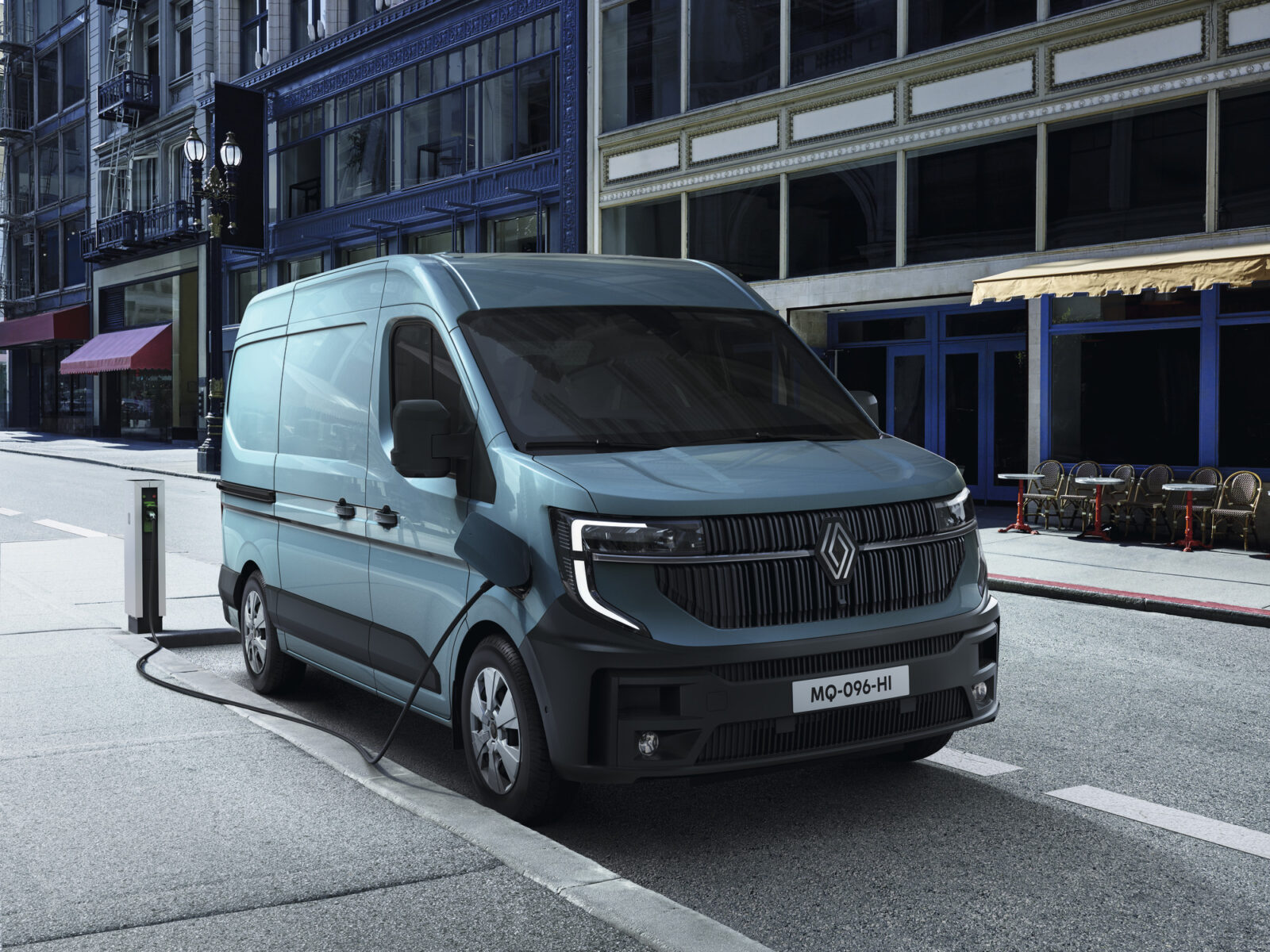
On electric Masters, sensor faults are a known cause of charging problems. A defective battery temperature sensor can disrupt the charging cycle, preventing the battery from fully charging. Incorrect data on engine speed can also cause the charging system to malfunction.
In camper conversions it is important to keep the cab and habitation batteries separated. Low cab voltage despite solar input often points to insulation or ECU problems, not a faulty relay.
Fuses and relays as culprits
A blown fuse can prevent the battery from charging or cause certain electrical functions to fail. Check the fuse box and pay particular attention to the large fuses that protect the charging circuit. In the Renault Master, a blown 50 amp jumbo fuse on the charging line is a known issue.
Relays can also fail. Test them by swapping them with an identical relay from another circuit. If the system then works again, you know the relay was the problem.
When a new battery is needed
If you have carried out all the checks above and the battery still does not function properly, replacement is probably necessary. A load test at a garage or battery specialist can provide a definite answer. In this test, the battery is tested under load to see whether it can supply sufficient current.
Choose a high-quality replacement battery that matches the specifications of your Master. For electric E-TECH models, Renault offers an eight-year warranty on the traction battery, which provides reassurance about its lifespan. For conventional diesel and petrol models, a quality starter battery is a sensible investment.
For more recent batteries you can also try to restore capacity with a specialised reconditioning device. This can be particularly worthwhile for batteries that are less than three years old but already show signs of ageing.
‘ A forgotten interior light or dashcam can drain the battery within a few days. ’
Maintenance tips to prevent battery problems
Preventive maintenance can prevent many battery problems. Avoid deep discharges by starting the engine regularly, especially if you are not using the vehicle for a longer period. Short trips do not fully charge the battery, so plan an occasional longer drive to recharge it properly.
Clean the battery terminals and posts regularly to combat oxidation. Also check that all electrical consumers are switched off when you park the vehicle. A forgotten interior light or dashcam can drain the battery within a few days.
On models with an advanced BMS it is wise to keep the software up to date. Renault regularly releases updates that optimise battery management and solve known problems. A visit to the dealer for a software check can prevent issues.
It is also important to keep a closer eye on the battery in extreme temperatures. Cold reduces capacity, while heat speeds up ageing. Wherever possible, park the vehicle out of direct sunlight and consider a battery heater in severe frost.
Professional help for persistent problems
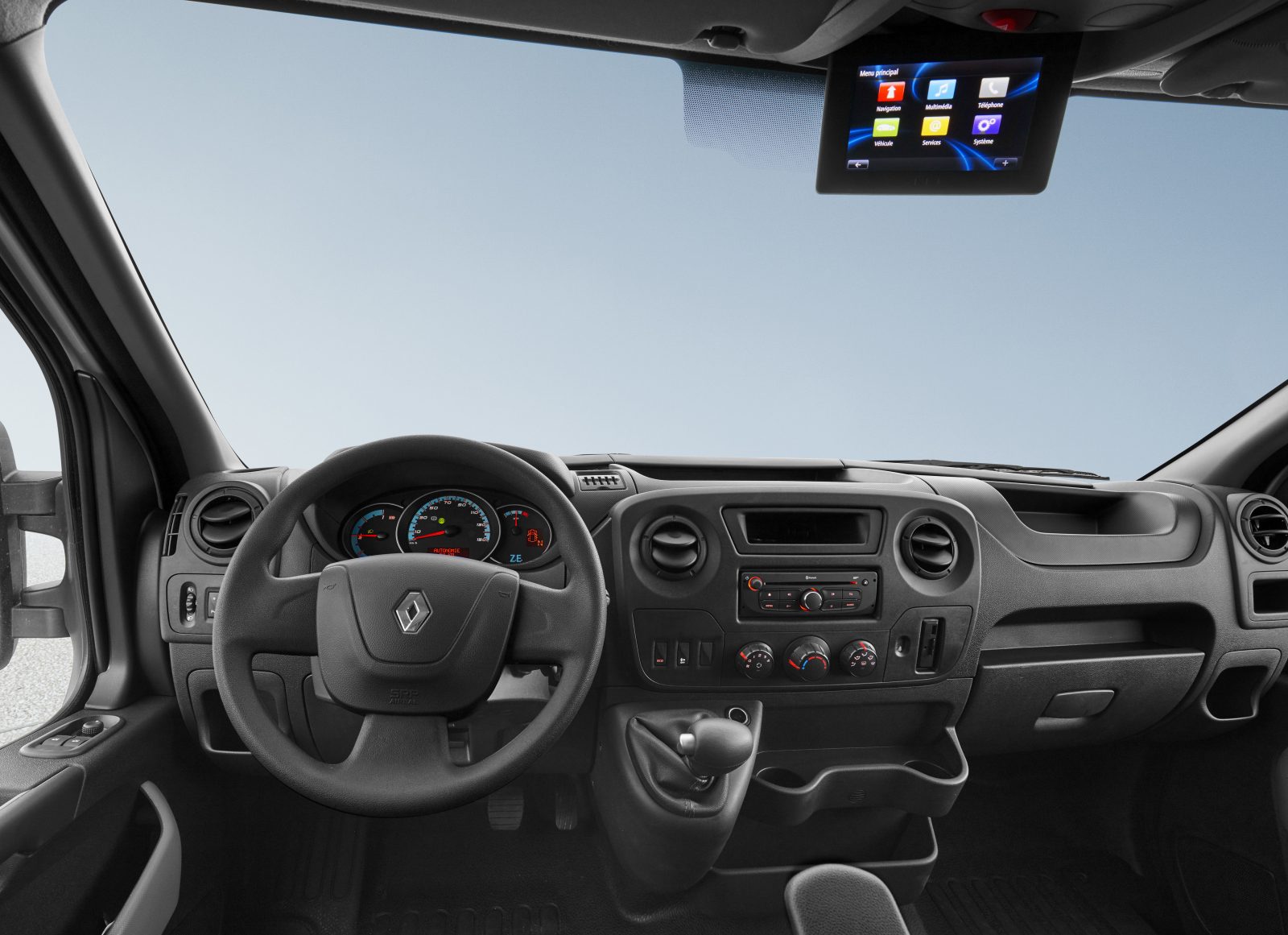
Sometimes battery problems go deeper than a loose terminal or worn-out battery. ECU faults, defective sensors or issues in the electrical system require specialised diagnostic equipment. Renault dealers have brand-specific tools that can read fault codes and carry out system tests.
Electric vans such as the E-TECH Master have fewer moving parts than diesel models, but the electrical subsystems are more sensitive. A professional can use diagnostic software to check whether the BMS is working correctly and whether all sensors are providing accurate data.
In camper conversions with complex electrical systems, it can be worthwhile to call in a specialist in camper electrics. These professionals understand how cab and habitation batteries interact and can track down problems that standard mechanics may overlook.
More about the Renault Master
The electric E-TECH Master brings not only new advantages but also specific challenges. The lithium-ion battery reacts differently to temperature fluctuations than conventional batteries. At low temperatures, charging power decreases and the range can drop by 20 to 30 per cent. For these models Renault offers a preconditioning function that allows you to preheat the battery while the van is still plugged in. This optimises capacity before you set off. The same applies to hybrid versions with dual-battery configurations: understanding both systems is essential for effective maintenance.
Frequently asked questions
The most common battery problems in a Renault Master are reduced capacity (discharging faster), charging problems (slow charging or charging stops prematurely), voltage drops due to poor connections or fuses, and faults in the Battery Management System. You recognise reduced capacity by a clear decrease in range or by the engine/starter no longer engaging reliably. You notice charging problems when the charging cycle is frequently interrupted, the vehicle does not charge or charges slowly, or shows error messages about charging. You recognise voltage drops and BMS/electrical faults by illogical voltage readings on the multimeter, warning lights or fault codes in the electrical system.
Battery problems in this commercial vehicle often arise from high electrical loads, for example due to additional accessories, camper conversions or continuous use of consumers while stationary. Short trips with frequent start-stops do not give the battery enough time to recharge fully, causing it to age faster. Prolonged idling with many consumers switched on can also lead to voltage drops. Incorrect or irregular use of charging facilities (such as solar panels, electric hook-up or charging stations) and problems in the BMS or charging circuit further worsen battery issues.
Yes, a car enthusiast can perform several diagnostic steps themselves. With a multimeter, the battery voltage can be measured (both at rest and with the engine running) to check whether the battery and charging voltage are within the normal range. In addition, battery posts, earth points and cables can be visually checked for corrosion, damage and loose connections, as well as the relevant fuses (such as a heavy 50A fuse in the charging line). If necessary, you can perform a simple load test or use an OBD/diagnostic tool to read charging system and sensor faults.
It is advisable to regularly clean the battery and all cable and earth connections, check them for corrosion and play, and, if necessary, check/replace the main fuses (such as the 50A jumbo fuse) as a preventive measure. Prevent deep discharges by recharging the battery in time (especially for camper use and long periods of standing still) and consider a smart battery charger or trickle charger. If possible, separate cab and habitation batteries with a good split-charge relay or DC-DC charger so that the starter battery is not drained by the living area. Finally, for electric or more modern diesel models, have the BMS and ECU software updated periodically by the dealer to optimise charging strategy and battery protection.
Battery problems in a Renault Master cause voltage drops, which lead to starting problems and unreliable operation of the onboard electronics. Systems such as lighting, infotainment, heating/air conditioning and charging circuits for camper builds can fail or behave unpredictably. In electric E-TECH versions, defects in the battery or BMS lead to reduced range, charging faults and limits on available power. Long-term or severe battery issues can also trigger error messages in ECU-controlled systems, restricting the functionality of various assistance systems.