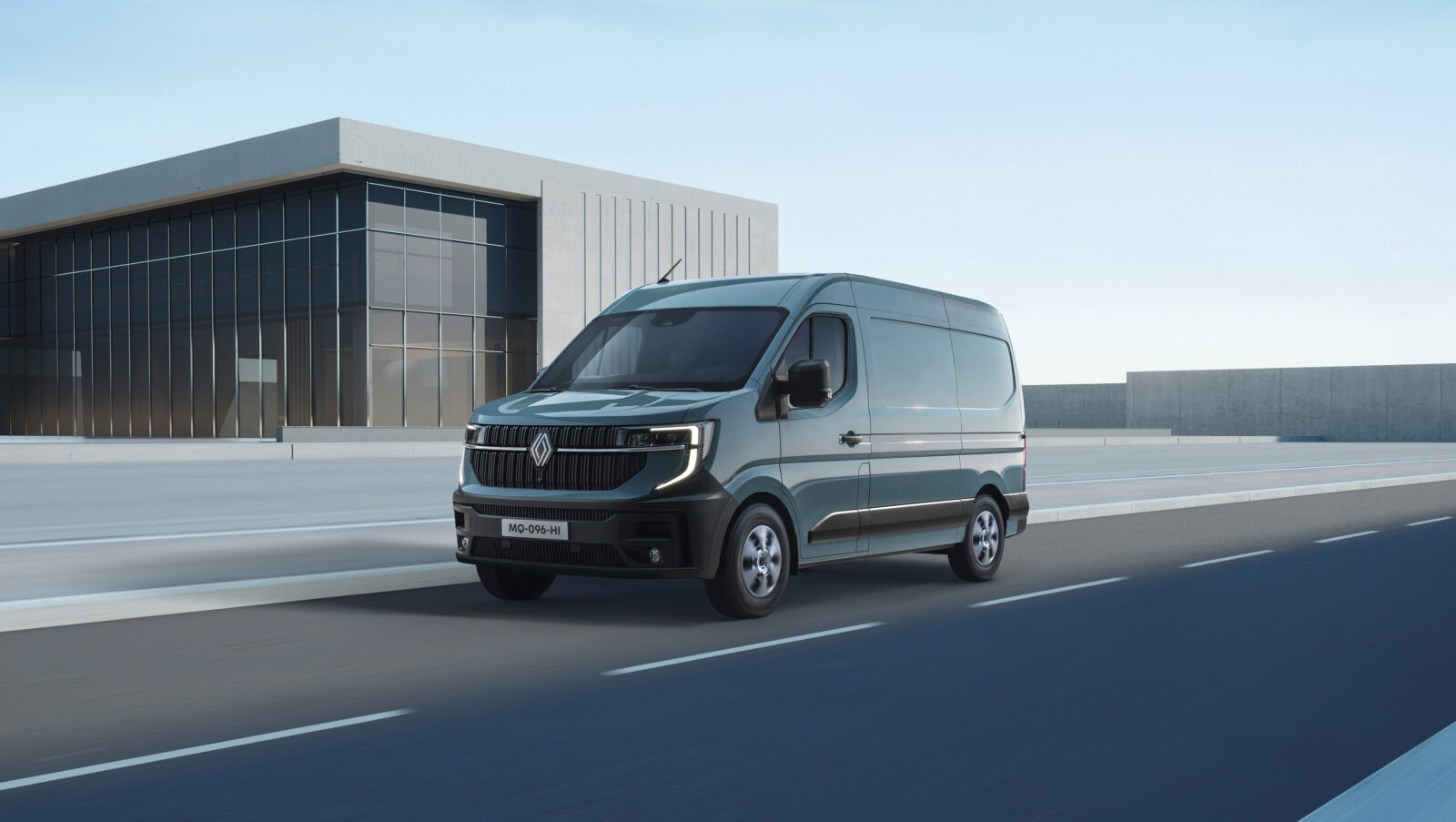
Warning lights in your Renault Master tell you exactly what is going on with your van, from a flat battery to serious engine problems. Knowing the difference between a light that demands immediate action and one you can leave for a short while will save you expensive repairs and prevent breakdowns at the roadside. Below, we explain what each symbol means and when you really need to take action.
The colour system on your dashboard
The colour of a warning light immediately shows how urgent the situation is. Red lights require immediate attention and mean you should pull over safely as soon as possible. Think of overheating or oil pressure problems that can cause permanent engine damage within a few miles.
Yellow or amber warnings indicate issues that need attention, but where you can usually still continue driving. Do make sure to book a workshop appointment soon. Green and blue lights are informative and indicate that systems are active, such as your main beam or cruise control.
‘ Low oil pressure means your engine is not getting enough lubrication, which can lead within minutes to expensive damage to the crankshaft and connecting rods. ’
Critical red warnings that need immediate action
Do you see the oil pressure symbol come on? Then stop immediately as soon as it is safe to do so. Low oil pressure means your engine is not getting enough lubrication, which can lead within minutes to expensive damage to the crankshaft and connecting rods. First check your oil level with the dipstick. Does the light stay on after topping up? Then have your Renault Master towed to a garage.
The temperature warning is just as serious. An overheated engine can cause cracks in the cylinder head or even make the head gasket fail. Pull over safely, let the engine cool down and check the coolant level. If the engine keeps overheating, there is probably a leak or a faulty thermostat behind it. You can find more information about Renault Master car problems in our comprehensive guide.
The brake system warning light can have several causes. From a low brake fluid level to a problem with the handbrake or a fault in the distribution system. Given the safety aspect, this is always a reason to seek professional help immediately.
Warnings you must not ignore
- Oil pressure: engine can seize within minutes
- Coolant temperature: overheating leads to serious engine damage
- Brake system: immediate safety risk
- Power steering: can suddenly cause very heavy steering
Yellow warning lights and what they mean
The engine management light is the most common yellow warning light. Also known as the check engine light, this symbol can point to dozens of different problems. These can range from a loose fuel cap to a faulty lambda sensor or catalytic converter. You will often notice reduced power, rough idling or higher fuel consumption.
When the ABS warning light is on, your brakes still work as normal, but the anti-lock braking system is switched off. This increases the risk of your wheels locking under heavy braking, especially on slippery roads. Have this system checked quickly, especially if you regularly drive in winter conditions.
The battery charge indicator usually points to a problem with the alternator. Your battery will then no longer be charged and your Renault Master will eventually cut out without warning. In modern diesel engines with electronic fuel injection, a flat battery means immediate breakdown.
Specific Renault Master lights
Do you drive a diesel version? Then you will always first see the glow plug light at start-up. This spiral-shaped symbol indicates that the glow plugs are heating the combustion chambers. The light should go out after a few seconds. If it stays on or starts flashing while driving, there is a fault in the glow plug system.
The gearbox warning light appears when your automatic transmission gets too hot. This mainly happens when driving heavily laden, uphill or on frequent short stop-start trips. Reduce your speed and let the transmission cool down. If this happens regularly, there may be a problem with the transmission cooling or the oil level.
Modern Renault Masters also have a tyre pressure monitoring system. A warning means that at least one tyre has too low a pressure or is even slowly losing air. Check all tyres including the spare with a pressure gauge.
‘ With this information, a professional mechanic can make a more targeted diagnosis, which ultimately saves you time and money. ’
Reading fault codes with an OBD2 scanner
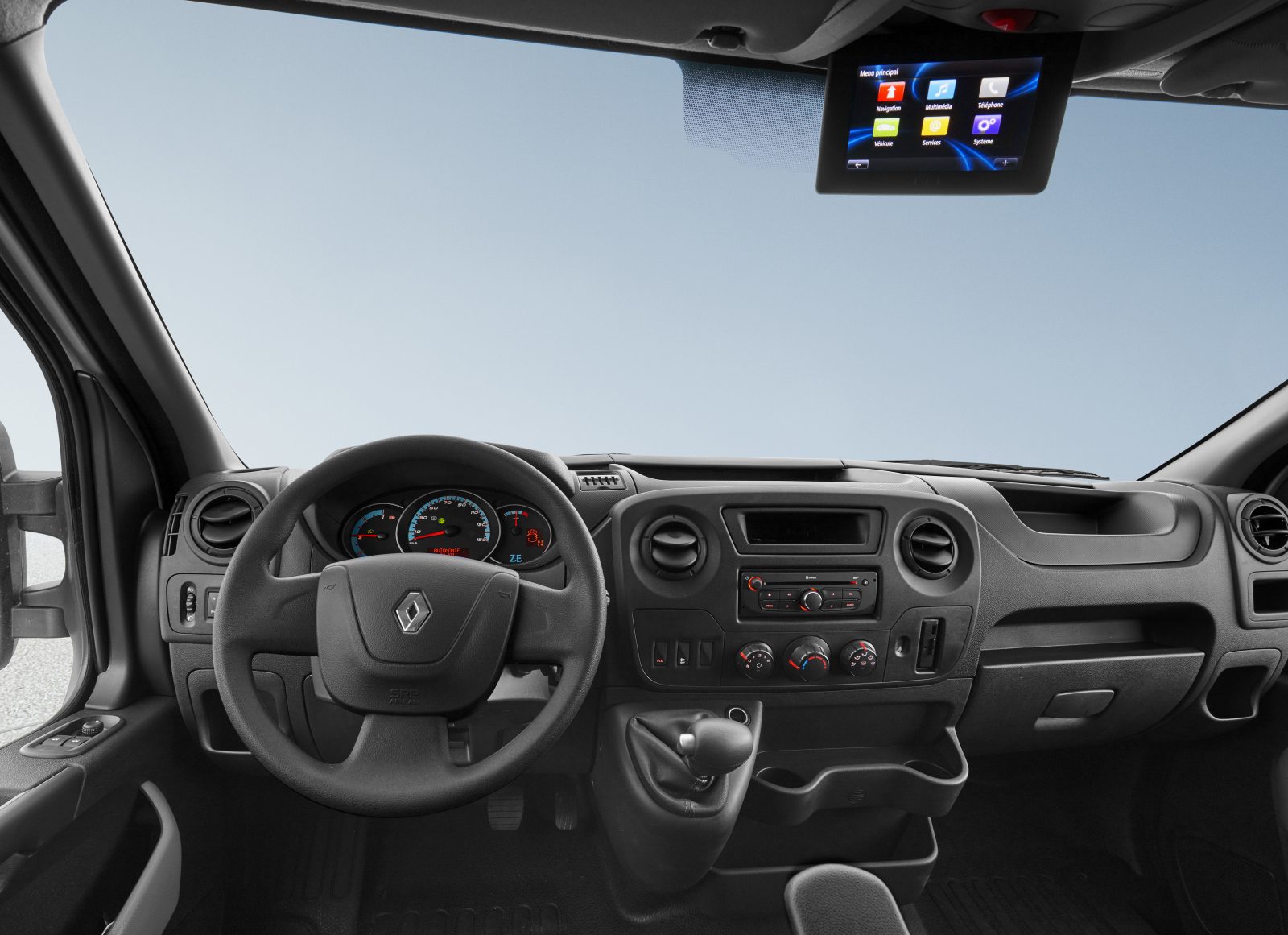
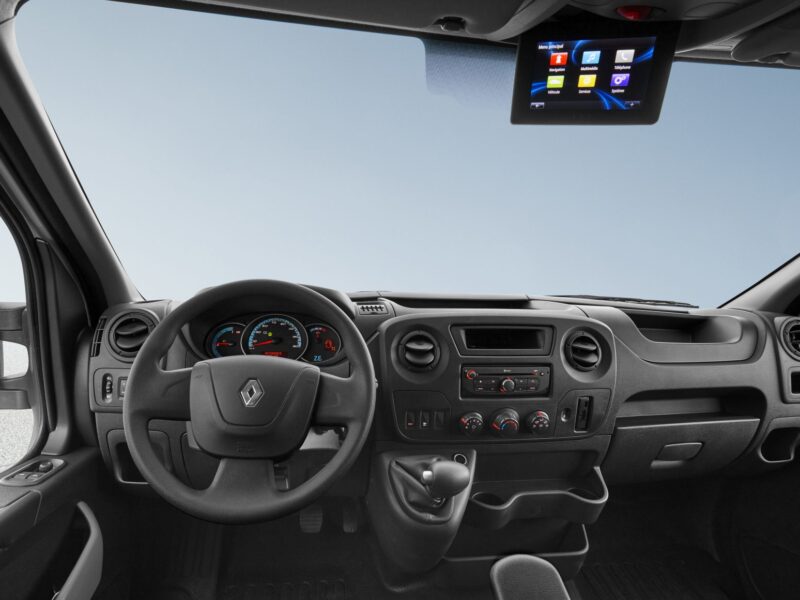
Behind each warning light there is usually one or more fault codes stored in the engine management system. Reading these codes is easier than you think. All you need is an OBD2 scanner that you plug into the diagnostic port. You will usually find it under the dashboard on the driver’s side.
You can buy cheap scanners for under 20 euros. Modern versions connect wirelessly (Bluetooth) to your smartphone. They not only show the fault code such as P0420 or P0171, but also give a Dutch description of the problem.
Write down all displayed codes before you clear them. Some problems cause multiple codes that together give a clearer picture. With this information, a professional mechanic can make a more targeted diagnosis, which ultimately saves you time and money.
How to read fault codes
- Switch the ignition on without starting the engine
- Connect the OBD2 scanner to the diagnostic port
- Select ‘Read fault codes’ in the menu
- Write down all displayed codes and descriptions
- Only clear the codes after fixing the problem
Common causes behind warning lights
Many warning lights are caused by simple maintenance issues. A low oil level not only activates the oil pressure warning, but can also cause the engine management light to come on. That’s why you should regularly check all fluid levels: engine oil, coolant, screen wash and brake fluid.
Sensor faults also occur regularly, especially in older Masters. A dirty or faulty sensor can give false warnings while nothing is physically wrong. Lambda sensors, air mass meters and camshaft sensors are well-known culprits. Diagnosis with a scanner will quickly reveal this.
Electrical problems often show up as several warning lights at once. A poor earth connection or corrosion in connectors causes intermittent faults that are difficult to trace. Check battery terminals and important earth points for rust and loose connections.
When to keep driving and when to stop
For red warning lights, the rule is clear: stop as soon as possible in a safe place. Do not keep driving with the oil pressure or temperature warning light on. Every mile increases the damage exponentially and can double or even triple your repair costs.
Yellow warnings give you more leeway. You can usually still drive home or to a garage, provided you do not hear any unusual noises and do not notice a clear loss of power. Avoid long journeys or heavy loads on your van. Arrange an inspection within a few days.
Sometimes warning lights go out by themselves. A loose connector that temporarily makes contact or a one-off sensor error can trigger a light that goes out again after a few trips. Does a warning keep coming back? Then there is definitely something wrong.
‘ By reading out your systems regularly, you can spot looming problems early. ’
Preventive maintenance keeps your dashboard clear
The best way to prevent warning lights is regular maintenance according to the Renault schedule. Replace oil and filters on time, check all fluid levels monthly and keep your tyre pressures correct. This prevents most of the common causes of warnings.
Invest in an OBD2 scanner for home use. Many problems announce themselves with small deviations in sensor values long before a warning light appears. By reading out your systems regularly, you can spot looming problems early.
Pay attention to patterns. Does a warning always come on in cold weather or only after long drives? This gives clues about the cause. Note down when and under what circumstances lights appear. This information helps your mechanic with the diagnosis.
What to do after fixing the problem
After you have fixed a problem, you need to clear the fault codes. Many warning lights stay on until you reset the codes. You do this with your OBD2 scanner or by disconnecting the battery for a few minutes.
After clearing the codes, take a test drive of at least 15 kilometres. The system needs to complete several driving cycles to check all sensors again. Does the light come back on during this drive? Then the problem has not been fully resolved or there is a second fault.
Monitor your dashboard extra carefully in the first few weeks after a repair. Some problems return due to underlying causes that were not immediately visible. A new sensor will not help if there is a wiring fault that will also damage the new sensor.
Discover more about your Renault Master
Now that you know how to interpret warning lights and what action each light requires, you are better prepared for unexpected situations. Regular checks, timely maintenance and dealing with red warnings straight away keep your van reliable and prevent costly damage.
On the Carnews website you will find much more practical information about the Renault Master and other commercial vehicles. From maintenance schedules to common problems and their solutions. Discover more tips and facts to help you enjoy your van for longer.
Frequently asked questions
Red warning lights on a Renault Master mean you must stop immediately and tackle the problem straight away, yellow/amber lights call for prompt but less urgent checks, and green/blue are mainly informative. The most critical symbols include the red oil pressure light (oil pressure too low, stop immediately), the coolant temperature light (engine overheating, allow to cool down), and the brake warning (problem with brake fluid or brake system). The battery charge light (battery not charging properly) and the engine management light (problem in engine electronics or emissions system) also need diagnosis as soon as possible. If you see unknown symbols, you should always consult the handbook or contact an authorised Renault workshop.
Common causes of warning lights on a Renault Master include low fluid levels (oil, coolant, brake fluid), tyre pressure issues, sensor faults and electrical or brake system faults. Simple things such as topping up fluids, correcting tyre pressures and checking visible plug connections are generally jobs you can do yourself. For red warning lights (such as oil pressure, engine temperature, brake system) and persistent faults in ABS, airbag, engine management or power steering, professional diagnosis and repair are essential. Ideally, use an OBD2 scanner to read fault codes and determine whether it is a DIY job or not.
Follow Renault’s maintenance schedule (service intervals) strictly and in between check the oil level, coolant, screen wash and brake fluid monthly. Regularly check tyre pressures and wear and adjust them according to the values on the door pillar or in the handbook. If you notice strange noises, vibrations or starting problems, have an OBD2 diagnosis carried out immediately instead of continuing to drive until warning lights come on. Finally, make sure that faulty sensors and weak batteries are replaced in time to prevent error messages caused by voltage dips.
The warning lights on a Renault Master are linked to various technical systems such as engine management, ABS/brake system, power steering, airbag and safety systems, charging system (battery/alternator), cooling, oil pressure and tyre pressure monitoring. They receive signals from sensors and electronic control units (ECUs) that continuously monitor these systems. When a problem is detected, it is communicated via the relevant warning light, often together with reduced engine performance (limp mode) or failure of support systems such as ABS or power steering. This can lead to longer braking distances, heavier steering, loss of power or failure of protection systems, which can directly reduce driving safety.
With a red warning light on (such as oil pressure, coolant temperature, brake system or serious engine damage), it is necessary to stop safely immediately and go to a garage as soon as possible or have the vehicle towed. With a constantly lit engine management light or a battery/charging issue, it is wise to visit a garage soon, especially if the engine runs poorly or loses power. Common repairs such as fixing sensor faults or a small leak can roughly cost between €100 and €400. Larger problems such as engine damage, a faulty turbo or serious brake or electrical faults can range from around €600 to well over €2,000, depending on the part and labour costs.