
Renault Mégane: what you need to know about potential problems
Over the years, the Renault Mégane has shown both strengths and weaknesses. The model is available in various versions and offers versatile options for everyday driving. With some generations and engine variants, there are known complaints that you should be aware of as an owner or buyer. Curious whether your model is prone to certain faults?
From classic to electric: generations with their quirks
The Renault Mégane has been on the market since 1995 and has now gone through several generations. Each generation brought improvements, but also specific points to watch. The first generation (1995–2003) is known for problems with electrical components such as the window controls and central locking. With the second generation (2002–2008), owners regularly report faults in the onboard computer and sensors.
The third generation (2008–2016) often suffers from clutch and gearbox issues, especially on high-mileage models. From the fourth generation (2016–2022) onwards, we see better quality, but also more complex electronics. The latest version, the Mégane E-Tech Electric (from 2022), is primarily electric and has a completely different technical layout. If you are buying a used car, it is wise to check which generation and year of manufacture it is. This has a direct impact on the types of problems you can expect. For a broader overview of common faults in Renault models, visit our page about car problems with Renault.
‘ Replacement is expensive, but it prevents far bigger problems. ’
Common engine problems: injection, turbo and timing chain
With petrol engines in the Mégane, especially the 1.2 TCe and 1.3 TCe variants, complaints occur about the injection systems. Owners report faults where the engine starts poorly or runs roughly. This may indicate dirty or defective injectors. Regular servicing and using clean fuel help to prevent this.
Turbo problems occur with older diesel engines. Older petrol engines fitted with a turbo also show this. Symptoms include loss of power, whistling noises or smoke from the exhaust. This is often the result of low oil levels or contaminated oil lines. Make sure you change the oil on time according to the specified intervals.
A well-known point of concern is the timing chain on certain 1.2 TCe and 1.6 dCi engines. Over time it can stretch or become damaged, which can lead to serious engine damage. If in doubt, or if you hear rattling noises when starting, have the chain inspected by a garage. Replacement is expensive, but it prevents far bigger problems.
Transmission problems: clutch and jerky automatic gearboxes
The Mégane’s manual gearbox is known to be fairly reliable, but the clutch can wear faster than average on older models. This shows up as clutch slip, difficulty engaging gears or juddering when pulling away. When buying, check whether the clutch has been replaced recently.
Automatic gearboxes, particularly the EDC automatic in models from 2012 onwards, sometimes show hesitation. Owners report jerks when shifting, delayed responses or faults where the gearbox goes into limp-home mode. This may be caused by software issues, but also by mechanical wear in the clutches. A software update solves some complaints, but not always.
Make sure the gearbox is properly maintained. Use the correct transmission oil, which is the special oil for the gearbox. If you notice irregular shifting behaviour, have the car read in a garage to identify the exact cause. Do not ignore this, because replacing an EDC gearbox is very costly.
Electronics: sensors, onboard computers and infotainment
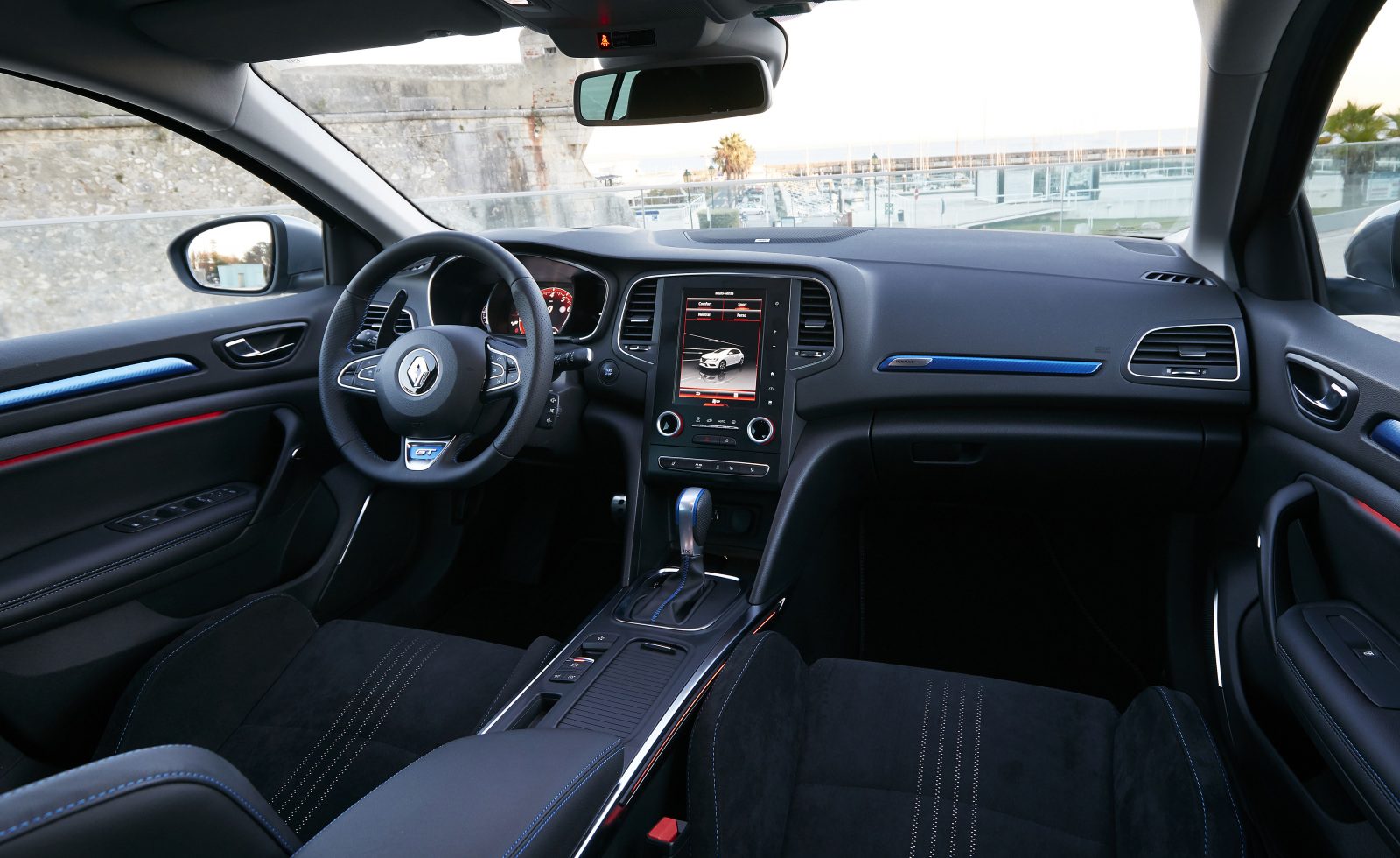
The electrical and electronic systems in the car are a much-discussed weak point on the Mégane. Older models in particular suffer from faults in sensors such as parking, light and rain sensors. These can generate error messages or fail completely. This can often be resolved by cleaning or replacing the sensor.
The onboard computer can sometimes freeze or display error messages that do not match the actual condition of the car. This may be caused by software problems or loose connectors. A software update or reset often provides a solution.
The infotainment system in newer models usually works well, but owners occasionally report connectivity issues with smartphones or slow responses. For the Mégane E-Tech, so-called OTA updates are available. These are software updates that are installed wirelessly via the internet. They help to resolve these issues.
Electric windows and central locking regularly cause problems, especially on older examples. The cause often lies in worn switches, defective motors or poor wiring. Have this checked before small faults grow into major repairs.
‘ Have this checked immediately, because it affects driving safety. ’
Suspension and brakes: wear and safety
The Mégane’s suspension is normally suitable for intensive use. However, some parts wear out faster. The stabiliser bar bushes and control arm bushes need attention, especially after 80,000 kilometres. You can recognise this by knocking or creaking noises when driving over uneven road surfaces.
Shock absorbers can weaken over the years, which you will notice through a bouncy ride or increased stopping distances. Check them regularly and, if in doubt, replace them per axle to maintain stability.
The brakes are generally reliable, but brake discs and pads wear faster if you do a lot of short trips in town. Watch out for squealing noises or vibrations in the brake pedal. Also check the brake fluid regularly and replace it according to schedule.
The steering rarely causes problems, but older models can develop play in the steering rack. You will notice this through vague steering or rattling noises. Have this checked immediately, because it affects driving safety.
Bodywork and interior: rattles, rust and climate issues
Interior quality varies with the Mégane. Older models in particular suffer from creaks and rattles in the dashboard and door panels. This is caused by loose clips or ageing plastics. Sometimes it helps to replace the clips or refit the panels.
Rust is not very common, but when buying a used car, check the wheel arches, sills and undersides of the doors. Models that have driven in areas with a lot of road salt are more susceptible.
Air conditioning and heating usually work well, but after several years the air con can become less effective due to refrigerant leaks or dirty filters. Have the system checked and cleaned regularly to prevent odours and reduced cooling.
On older models, the tailgate or boot can develop issues with water tightness, mainly around the rubber seals. This can cause moisture in the boot and, in the long term, rust.
Prevent problems: maintenance and prevention
Regular servicing is the best way to prevent problems with the Mégane. Follow Renault’s service schedules and, preferably, have the car checked by a garage with experience of this brand.
Keep an eye on the following:
- Replace oil and filters on time to protect the engine and turbo.
- Check the timing chain on models from 100,000 kilometres or if you notice unusual noises.
- Have the gearbox and clutch checked regularly if the car is used intensively.
- Clean sensors and connectors to reduce electronic faults.
- Have the suspension checked annually, especially bushes and shock absorbers.
- Have the air con serviced every two years and top up refrigerant if necessary.
For the Mégane E-Tech Electric: check tyre pressures for optimum range and use software updates to keep the car up to date.
‘ Do not ignore these, even if the car seems to drive normally. ’
Spot faults early: symptoms and diagnosis
Recognising symptoms before a fault gets worse saves money and frustration. Listen for unusual noises such as rattling, whistling or knocking. This often points to wear in the engine, exhaust or suspension.
Pay attention to warning lights on the dashboard. Do not ignore these, even if the car seems to drive normally. Have the car read to check the fault codes and identify the cause.
Do you notice loss of power, an irregular idle speed or increased fuel consumption? This may indicate problems with injection, air filters or the turbo. Have this professionally diagnosed.
If you feel juddering from the gearbox or vibrations while driving, a quick check is needed. This may point to clutch or transmission problems that will worsen if you delay repairs.
Buying used: what should you look for?
Thinking of buying a used Mégane? First check the service book. See whether the service intervals have been followed and whether repairs have been properly documented.
Test the car thoroughly:
- When starting, listen for unusual noises from the engine.
- Check that all the electrics work: windows, lights, sensors, infotainment.
- Test the gearbox for smooth gear changes without jerks.
- Drive over bumps and uneven surfaces to test the suspension.
- Check the boot and wheel arches for rust or damp patches.
- Ask about recent repairs, especially to the clutch, turbo or timing chain.
If in doubt, have a pre-purchase inspection carried out by an independent garage. This is a professional check before you buy. It costs a small amount, but often prevents expensive surprises after purchase.
Practical advice if you have a fault
Do you get a fault while driving? Stay calm and assess whether it is safe to continue driving. With serious warnings such as engine issues, brake faults or steering problems, it is wiser to stop and call for assistance.
Make sure you have access to an OBD scanner or have the car read in a garage. Fault codes point towards the cause and help to tackle the repair in a targeted way.
Use genuine or good-quality replacement parts. Cheap parts may look attractive, but they often fail sooner and cause more costs down the line.
Find a reliable garage with experience of Renault models. Not every workshop knows the Mégane’s specific issues well. If in doubt, ask for references or read reviews from other customers.
‘ Before buying, always check the service history and, if in doubt, have a professional inspection carried out to avoid unpleasant surprises. ’
How reliable is the Mégane in everyday use?
The reliability of the Renault Mégane is variable and depends heavily on the generation, engine type and how well the car has been maintained. Older models have more known weak points, while newer examples and the electric version score better on quality. With regular servicing, timely repairs and attention to known issues, you can enjoy this versatile car for a long time. Before buying, always check the service history and, if in doubt, have a professional inspection carried out to avoid unpleasant surprises.