
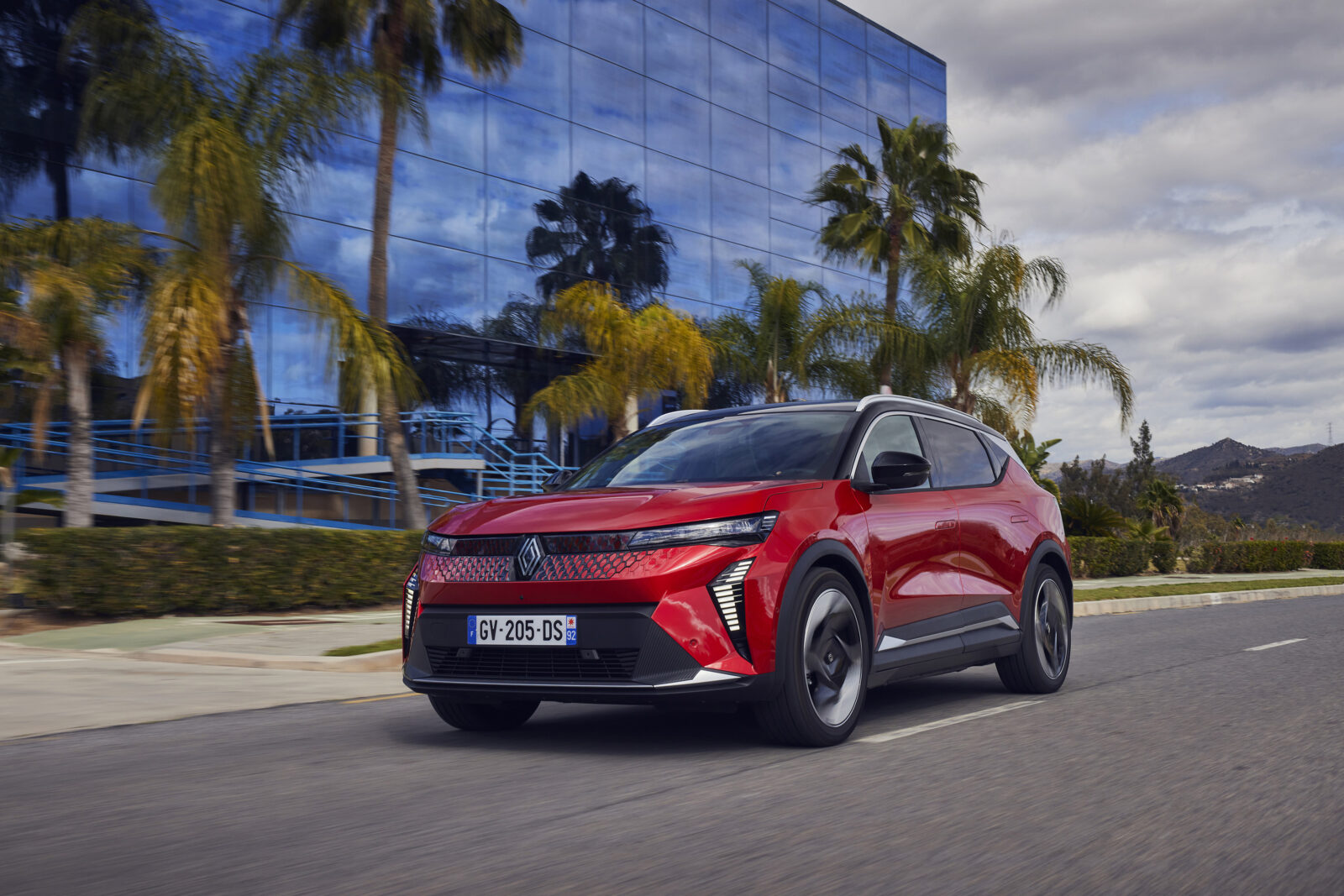
Renault Scenic: a family car with known weak spots
The Renault Scenic has been a popular family car for many years, but it struggles with specific weaknesses you need to be aware of as a buyer. From engine problems to electronics issues: older models, especially those from before 2015, regularly suffer from faults that put reliability under pressure. Being aware of these points of attention helps you make a well-considered choice and prevents costly surprises.
Reliability of the Renault Scenic
Renault is known as a brand with mixed reliability. Over several generations, the Scenic shared engines and parts with other models, such as the Mégane. This means that known problems in those models also appear in the Scenic. In particular, examples built between 2003 and 2015 regularly show technical defects. The average owner has to reckon with higher maintenance costs than for comparable family cars from other brands. For more information about common complaints with this brand, see Renault car problems.
The newer generations, from 2016 onwards, show fewer teething troubles. However, certain weak points keep recurring regardless of model year.
‘ This leads to rattling noises when starting and, if it wears through, can result in severe engine damage. ’
Common engine problems
The engine is a known weak point on the Scenic. Various issues regularly occur, depending on the engine type.
Diesel engines with DPF problems
Diesel versions with a 1.5 dCi or 1.9 dCi engine often suffer from problems with the diesel particulate filter (DPF). This filter clogs up if the car is mainly used for short trips, which leads to faults and loss of engine power. Replacing the DPF quickly costs between 800 and 1,500 euros. Regularly driving longer distances helps burn the filter clean, but many owners do not manage this.
Turbo issues on older models
Both petrol and diesel engines with a turbo show wear of the turbocharger. Symptoms include whistling noises, smoke and loss of power. A new turbo costs between 1,000 and 2,500 euros, including labour. This problem is mainly found on cars older than ten years. It often also occurs on examples with more than 150,000 km on the clock.
Timing issues and timing chains
On some engines the timing chain stretches. This leads to rattling noises when starting and, if it wears through, can result in severe engine damage. Replacing the chain costs on average 600 to 1,200 euros. When buying, check whether this maintenance has already been carried out.
Electrical faults
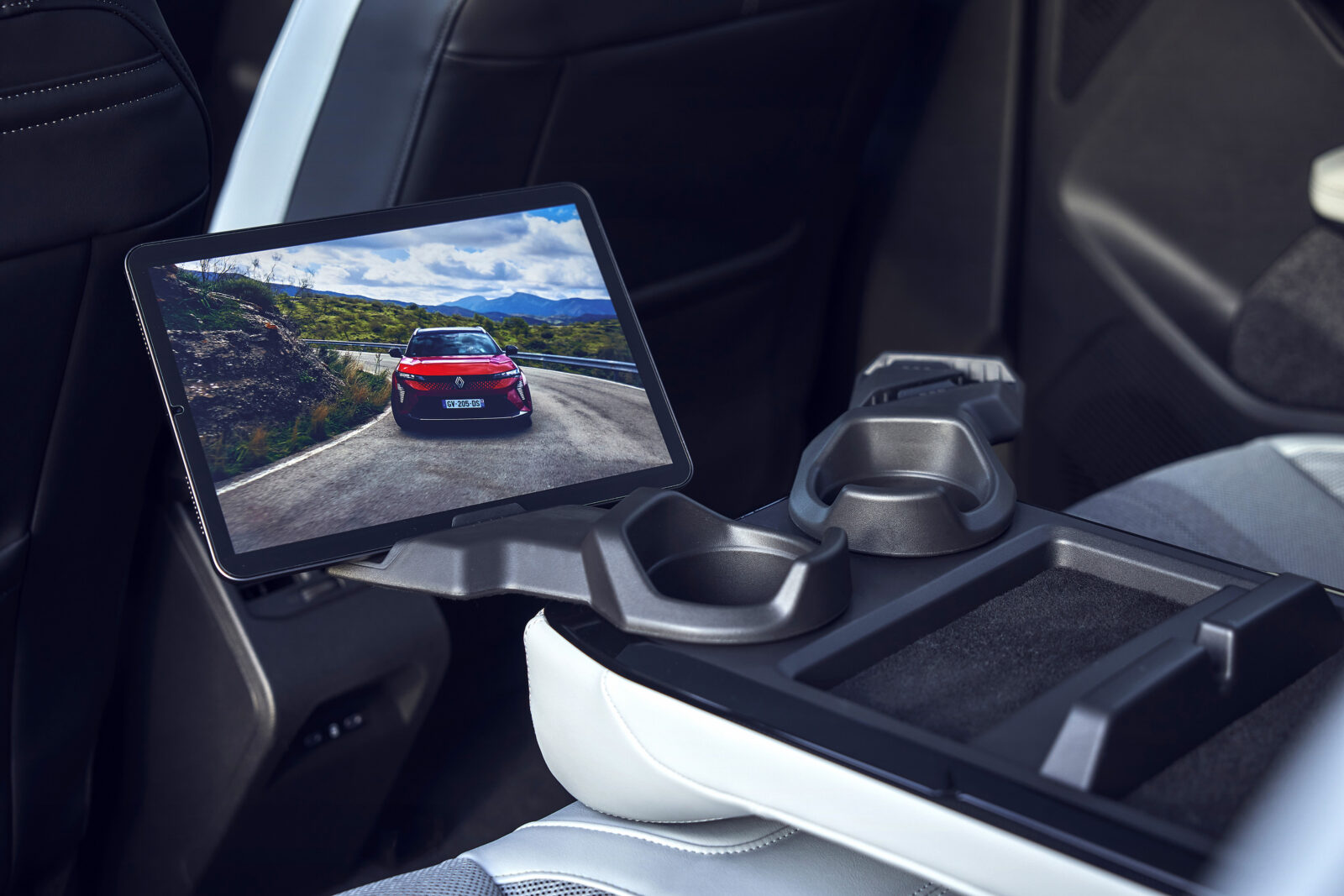
Electronics are one of the most frequently mentioned complaints among Scenic owners. Various systems regularly develop defects.
Problems with the dashboard and sensors
The digital dashboard can fail or display error messages without any apparent cause. Sensors for, among other things, the parking assist, tyres and air quality give false signals. A reset helps temporarily, but many owners report recurring issues. Replacing a sensor costs between 100 and 300 euros each.
Central locking and electric windows
The central locking system regularly fails. Doors do not unlock or lock themselves while driving. Electric windows also get stuck or work slowly. The cause is often worn actuators in the doors, which cost 150 to 400 euros per door to replace.
Air conditioning and climate control
The climate control system shows faults such as air conditioning failure or seized fans. A defective compressor requires an outlay of 500 to 800 euros. Leaking pipes cause loss of refrigerant and need to be traced, which costs extra time and money.
Gearbox and drivetrain
Transmission problems occur on both manual and automatic versions.
Manual gearbox with difficult shifting
The manual gearbox has two recurring complaints. Gear changes are stiff, especially into second and third gear. Clutch slip can also occur, meaning the clutch has to be replaced. This costs between 600 and 1,000 euros, including labour.
Automatic transmission with juddering
The EDC automatic (Electronic Dual Clutch) behaves jerkily at low speeds or when pulling away. Software updates sometimes help, but in serious cases the clutch or the entire transmission needs to be replaced. Costs can rise to 3,000 euros or more.
‘ Replacement is relatively inexpensive, between 100 and 300 euros per part, but requires timely action. ’
Suspension, chassis and brakes
The chassis and suspension show wear in line with how the car is used, but some parts fail sooner than you would expect.
Struts and shock absorbers
Shock absorbers and struts wear relatively quickly, especially on cars that have been heavily loaded or have high mileage. Knocking or banging noises over bumps point to this. Replacement costs between 400 and 800 euros per axle.
Control arm and anti-roll bar bushes
Control arm and anti-roll bar bushes tear or harden. This leads to rattling noises and less precise handling. Replacement is relatively cheap, between 100 and 300 euros per part, but requires timely action.
Brakes and brake discs
Brake discs rust on the inside, especially on cars that are seldom driven. This leads to reduced braking performance and sometimes juddering when braking. Replacing discs and pads all round costs between 300 and 600 euros.
Bodywork, rust and interior
The Scenic’s bodywork is only moderately resistant to rust. When buying, carefully check for rust spots.
Rust on door bottoms and chassis
Especially models from before 2010 show rust on the bottoms of doors, sills and under the wheel arches. The chassis can also rust, reducing the overall structural strength. Early inspection helps. Treat the car with rust protection. Once it has rusted through, welding is required.
Interior and finish quality
Plastic parts in the interior wear quickly. Buttons, levers and trim covers break or come loose. Seat upholstery shows sagging on older models. Interior parts can be replaced, but often parts are only available from breakers’ yards.
Impact of problems on everyday use
Many of the issues mentioned affect day-to-day dependability. Failed central locking or electronic faults cause inconvenience. Engine problems can leave you stranded. The combination of various complaints means owners regularly visit the garage. That leads to frustration.
Not every Scenic will show all of the problems described. Good maintenance and timely repairs extend its lifespan.
‘ Treat rust spots immediately to stop further corrosion. ’
Maintenance and prevention
Regular maintenance helps to prevent more serious problems. Pay attention to the following points:
- Have the timing chain checked at 120,000 km or earlier if there are symptoms.
- Regularly drive longer distances to keep the DPF clean.
- Check all electrical systems when buying and have the fault codes read.
- Replace shock absorbers and control arm bushes at the first signs of wear.
- Treat rust spots immediately to stop further corrosion.
- Keep the gearbox software up to date via the dealer.
Use genuine or high-quality parts for repairs. This increases the chance that the repair will last longer.
Repair costs and parts prices
The cost of repairs varies widely depending on the problem. Common expenses include:
- Replacing the turbo: 1,000 to 2,500 euros
- Replacing the DPF: 800 to 1,500 euros
- Replacing the clutch: 600 to 1,000 euros
- Repairing the automatic transmission: 1,500 to 3,000 euros
- Replacing the air conditioning compressor: 500 to 800 euros
- Shock absorbers per axle: 400 to 800 euros
- Brake discs and pads all round: 300 to 600 euros
Labour at a specialist garage costs between 60 and 90 euros per hour. Parts from breakers’ yards sometimes offer cheaper alternatives, but the quality varies.
Tips when buying a used Scenic
Thinking of buying a used Scenic? Bear these points in mind:
- Request the complete service history and check whether servicing was carried out on time.
- Take a test drive and listen for unusual noises, jerky gear changes and warning lights.
- Check the operation of all electrical systems, including windows, mirrors and central locking.
- Inspect the underside of the car for rust and leaks.
- Ask whether software updates for gearbox and engine have been carried out.
- Check whether the DPF has been replaced on high-mileage diesel models.
- Consider a pre-purchase inspection by an independent garage.
Models from 2016 onwards show fewer problems, but you should still be alert to recurring complaints.
‘ For those looking for a worry-free family car, it is worth considering other brands as well. ’
Weighing things up and advice
The Renault Scenic offers space and comfort for families, but its technical reliability lags behind that of its rivals. Older examples in particular require attention and regular maintenance. Repair costs often mount up. This increases total cost of ownership. Preventive maintenance is necessary. Repairs require investment. If you are prepared for that, you can still enjoy the Scenic for many years. For those looking for a hassle-free family car, it is worth considering other brands as well.