
The Renault Trafic: a workhorse with teething troubles
The Renault Trafic is a popular mid-size van that manages to win over many business users. Unfortunately, it also regularly gives owners headaches. Engine problems with the timing chain, turbo and injection system occur more often than you would hope. Faults in the automatic gearbox and electronic sensors also crop up frequently. Yet the Trafic remains a popular model. That has everything to do with its generous load capacity and versatility. Planning to buy a Trafic? Or is your van struggling with recurring issues? Here you can read which problems you can expect. We also explain how best to deal with them.
A popular choice in the van segment
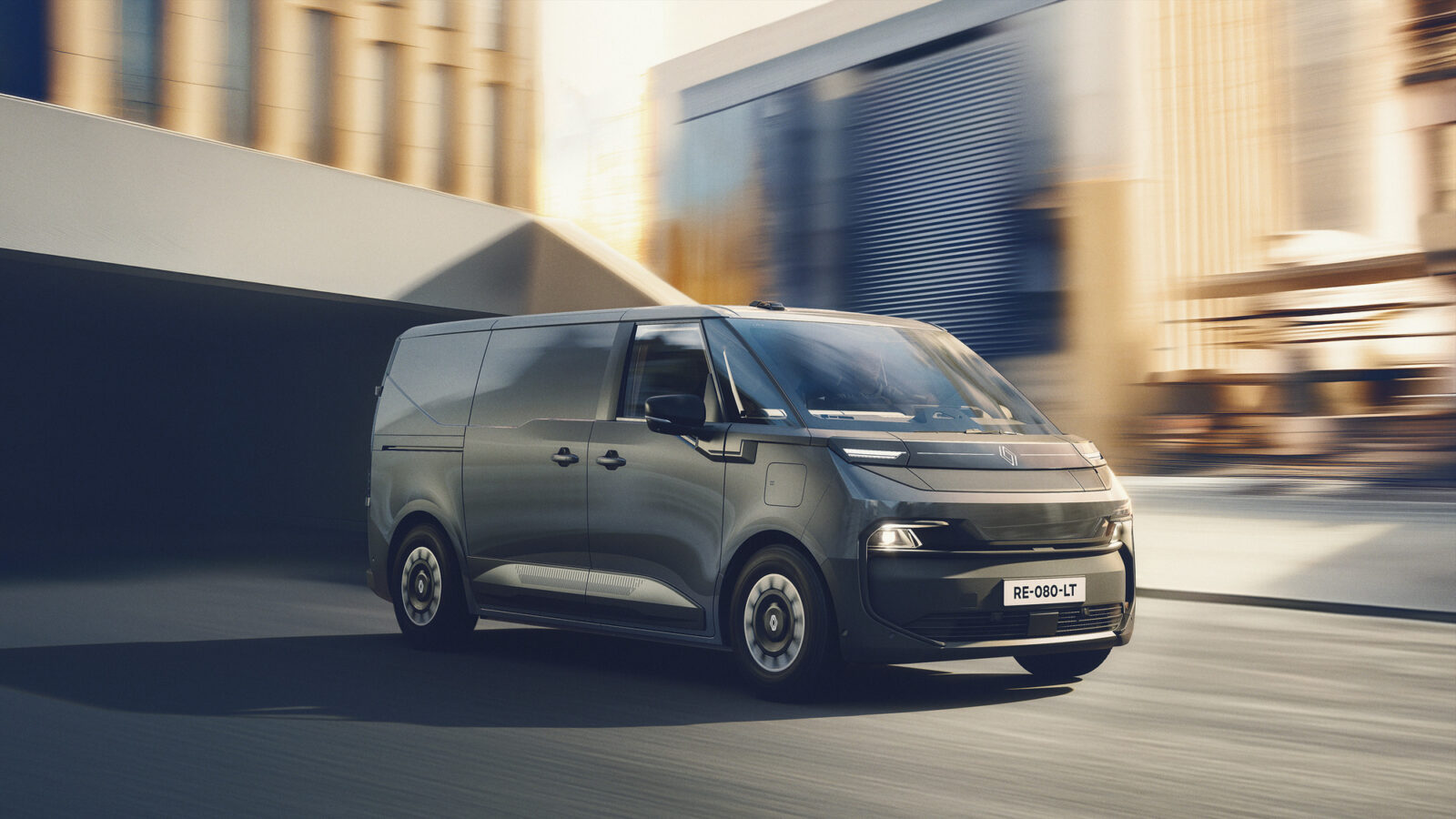
The Renault Trafic is one of the best-selling vans in its class. That is due to its practical dimensions. The different versions also play a part. There are two wheelbase lengths: the L1 with a short wheelbase and the L2 with a long wheelbase. In addition, you can choose between two roof heights. This results in load volumes from 5.2 to 8.6 cubic metres.
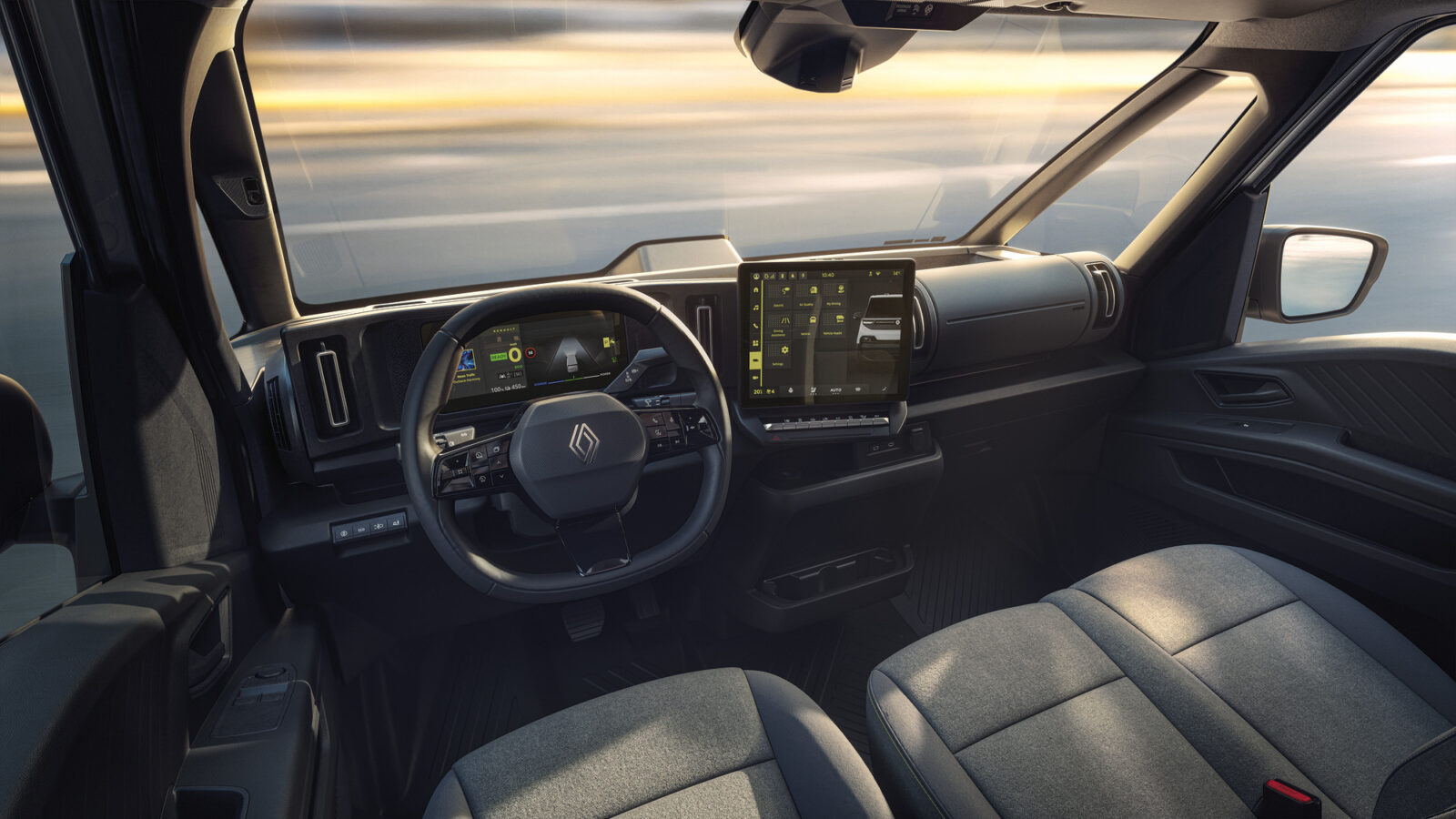
The model is often used as a panel van for businesses. You also frequently see it as a crew cab with five seats. The nine-seater version is also fairly common. The standard trim already offers quite a bit of convenience. Think parking sensors, lane departure warning and a workspace for your laptop. The interior is quieter and more comfortable than many competitors such as the Ford Transit. That makes the model attractive. Drivers who have to cover a lot of miles in particular appreciate this.
Looking for more information about problems with Renault in general? There you will find useful extra tips for various models from the brand.
‘ More serious technical defects mainly affect the drivetrain, turbo and electronic systems. ’
Reliability of the Renault Trafic
The Trafic has a mixed reputation when it comes to reliability. Many owners praise the van for its spacious load area and driving comfort. At the same time, they report that certain components cause problems. Most complaints come from vans with high mileage. Vehicles that are used intensively and have not been maintained consistently also give trouble.
Smaller annoyances occur regularly. Rattling interior parts are one example. Faulty sensors are another. These issues are irritating, but rarely lead to a breakdown. More serious technical defects mainly affect the drivetrain, turbo and electronic systems. Models from 2014 onwards more often have complaints about the automatic gearbox. Owners report this problem frequently.
Engine problems that crop up regularly
The diesel engines in the Trafic are generally powerful and economical. However, they do have some recurring weak points. The timing chain is the most common engine issue. In older models the chain can stretch. Vehicles with overdue servicing also suffer from this. It causes rattling noises when starting. If you let this go on too long, the chain can break. The result is expensive engine damage.
Another well-known problem is related to the injectors. The 2.0 dCi engines in particular are prone to this. Over time the injectors can become blocked. Leaks also occur. This leads to irregular running. You will then see black exhaust smoke. Increased fuel consumption is another consequence. Replacing injectors is not a cheap repair. They cost several hundred euros each.
The turbo is a third risk area. With intensive use the turbine can become damaged. Insufficient lubrication is another cause. Owners then report a loss of pulling power. A whistling sound under acceleration is also a symptom. Unsure about the condition of the turbo? It is best to have a diagnostic test carried out. That way you can intervene in time. This prevents the turbo from failing completely.
Complaints about the gearbox
The manual versions of the Trafic are generally reliable. Even so, problems can occur there too. The clutch can wear out more quickly on high‑mileage vehicles. Heavy loads speed up wear as well. You will recognise this by a higher bite point. A slipping clutch under load is another sign.
The automatic gearbox is more prone to faults. This concerns the EDC version. Owners regularly report jerky gear changes. Delayed responses also occur. Sometimes the gearbox even gets stuck in one gear. Software faults are often to blame. Defective sensors can also be the cause. Wear in the mechatronic unit is a third possibility. A software update can sometimes solve the problem. In other cases the gearbox has to be opened up. Occasionally it even needs replacing.
‘ The costs can mount up quickly. ’
Electrical problems and warning lights
The Renault Trafic has quite a lot of electronics on board. That is exactly where things often go wrong. Sensors can fail. This applies to the temperature sensor, the mass air flow sensor and the coolant sensor. This leads to error messages on the dashboard. These warnings have consequences. The van goes into limp mode. Sometimes it will not start at all.
The AdBlue sensor can also cause problems. This sensor monitors emissions on diesel models. If it fails, the van may refuse to start. You will have to get it replaced first. The ABS system also suffers from faults. Sensors become dirty. Cables are damaged by roads with a lot of salt.
Many of these problems can be fixed with a reset. Sometimes simply replacing a small sensor is enough. The costs can mount up quickly, though. This happens especially when you do not immediately know which component is causing the problem.
Suspension, brakes and steering
The Trafic’s suspension is built robustly. It has to be able to carry heavy loads. Intensive use does leave its mark, though. In particular, the bushes in the suspension arms can wear out over time. The shock absorbers can also wear. You will notice this from a swaying rear end. Unstable road behaviour is another sign. This is especially noticeable when driving loaded.
The brakes are usually reliable. They do wear faster if the van is often heavily loaded. Check the thickness of the brake pads regularly. The discs also deserve attention. With lots of short trips the brake discs can rust. This leads to juddering when braking.
The steering rack can be prone to leaks. This applies particularly to older models. Do you notice the power steering working less smoothly? Do you see fluid under the van? Then have the power steering pump and steering rack checked. Leaks can lead to failure of the power steering. That can create dangerous situations.
Bodywork and interior points to watch
The Trafic’s bodywork is solidly built. Even so, rust can appear. This happens mainly in places exposed to salt and dirt. When buying, pay particular attention to the door edges. The wheel arches and the underside of the load area also deserve a close look. Models that have spent a lot of time on the road in winter are prone to this issue. Rust often appears on these vehicles after just a few years.
The interior is functional and simple. With intensive use, wear is clearly visible. The seat upholstery can fray. You see this especially on models that are used daily. The dashboard buttons can also start to stick. Switches can fail completely. These are mainly cosmetic problems. Even so, they can be annoying in everyday use.
‘ All these behaviours speed up wear. ’
Maintenance and driving style make the difference
Many problems can be prevented with proper maintenance. Owners often encounter these issues. Replace engine oil at the prescribed intervals. The same applies to filters. Intensive use calls for extra attention. Lots of short trips also require adjusted servicing. In that case, change the oil more often than the manufacturer recommends.
Your driving style also makes a difference. Do not put a heavy load on a cold engine. Avoid sudden hard acceleration. Do not make nothing but short journeys. All these behaviours speed up wear. That applies to the engine, turbo and injectors. Give the engine time to reach operating temperature. Drive the last few miles home gently. That way the turbo can cool down properly.
Have the van checked regularly by a specialist garage. Choose a workshop with Renault experience. They can spot small problems in good time. That way they do not develop into expensive repairs.
Practical maintenance tips for owners
Do you want to avoid problems? Or extend the life of your Trafic? Bear the following tips in mind:
- Check the oil level regularly. Top up if necessary. Some engines use more oil as they get older.
- Have the timing chain replaced at 150,000 kilometres. Do you hear rattling noises when starting? Then have it replaced sooner.
- Make sure the AdBlue tank is sufficiently filled. An empty tank can cause starting problems.
- Clean sensors and electrical connections regularly. Do you often drive on snowy or wet roads? Then this is even more important.
- Have shock absorbers and suspension bushes checked at every service. Do you often carry heavy loads? Then this is even more important.
- Take the van for a longer run from time to time. The diesel particulate filter can then regenerate properly. The engine also reaches full operating temperature.
What to do in case of specific faults?
Do you suspect a problem? Then you can already carry out a few checks yourself. A warning light on the dashboard often points to a sensor fault. Have the fault codes read at a garage. That way you will find out which component is causing the issue.
Are you experiencing engine problems? Think rattling noises. A loss of power can also be a sign. In that case, stop using the van. Wait until you know what is going on. Further damage can lead to a full engine overhaul. That is expensive.
Is the gearbox shifting jerkily? Is it getting stuck? First ask about a software update. Check whether one is available. In many cases this resolves the problem. You then do not need to replace expensive parts.
Not quite sure what is wrong? Then look for a specialist garage. Choose one with Renault expertise. They can often track down the cause more quickly. That saves you time and money.
‘ This way you avoid costly surprises. ’
What to look out for when buying a used Trafic
Do you want to buy a used Renault Trafic? Then pay close attention to the following points. This way you avoid costly surprises. First check the service book. A fully completed book is a good sign. It should show regular services. Is the service book missing? Are there large gaps between services? Then you should be cautious.
Start the engine. Listen carefully for unusual sounds. Rattling or ticking when the engine is cold can point to a stretched timing chain. Whistling noises under acceleration may indicate a worn turbo.
Ask whether the gearbox shifts smoothly. Also ask about any previous problems with the EDC automatic. Test how the gearbox shifts during a test drive. Make sure this happens without jolts or hesitation. Check whether any warning lights are illuminated on the dashboard. Ask what is causing them.
Inspect the bodywork for rust. Pay particular attention to the wheel arches. Also check the door sills and the underside of the load area. Rust on the inside of the load area can point to leaks. Water ingress is then also possible. Check the condition of the tyres. The brakes also deserve attention. Uneven wear may point to problems with the suspension.
Ask about the mileage. Compare it with the condition of the interior. High mileage goes hand in hand with wear. Think of the seats, gear lever and steering wheel. If they do not match, the mileage may have been tampered with.
The Renault Trafic remains a popular workhorse
The Renault Trafic has recurring technical problems. Even so, it remains a popular model in the business market. Its generous load capacity makes it suitable. Its versatility and relatively comfortable driving experience also play a role. Many companies therefore opt for this van. However, it is important to be realistic about the potential issues. Prepare for higher maintenance costs. This applies especially to older examples.
Regular maintenance can prevent many problems. Also keep an eye out for early signs of wear. Buying a used Trafic? Then check it thoroughly. If in doubt, have an expert take a look with you. That way you will get the best out of this versatile van. You will also avoid unpleasant surprises.