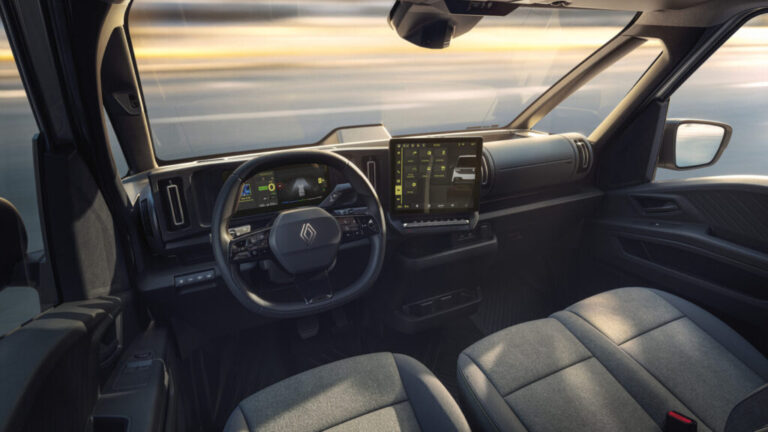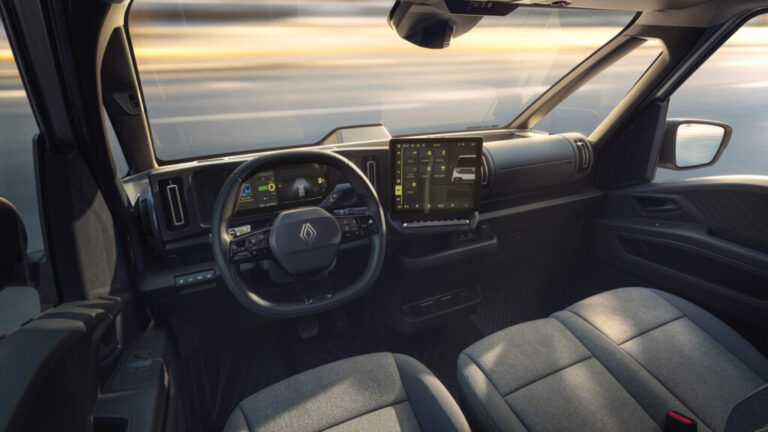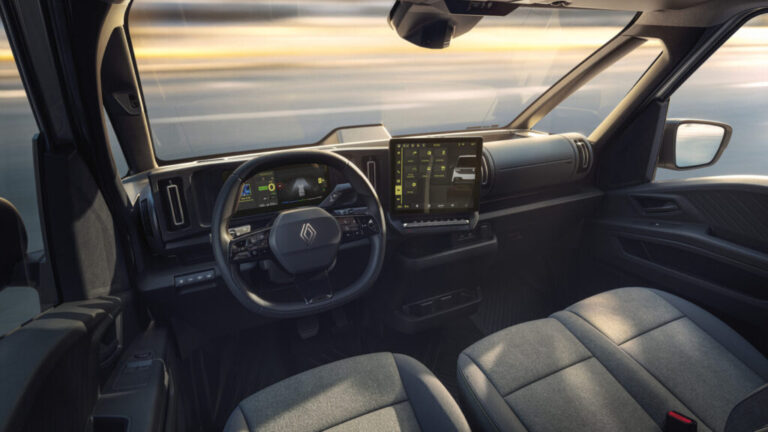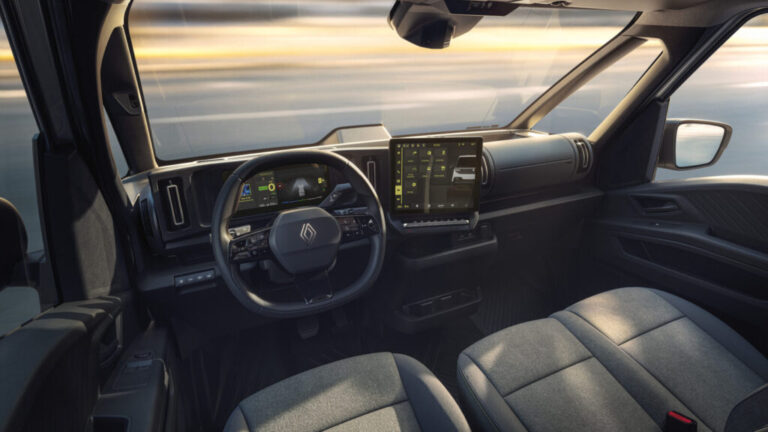
You want to buy a used Renault Trafic. Then focus on service history, oil level, timing chain and cooler valve. That way you avoid expensive surprises. This van is often used intensively. Checking the technical condition and signs of wear is therefore decisive for a smart purchase. Read on and discover exactly what you need to look out for before you sign on the dotted line.
Why service history is everything
For a used Renault Trafic, the service history is crucial. Make that the first thing you check. This van is often used for business transport and racks up miles quickly. A complete service file shows that the previous owner took the car seriously and did not skip services.
Always ask the dealer for the full service book or digital service history (a digital overview of all maintenance carried out). Pay attention to how often the oil has been changed, inspections of the timing chain (the chain that drives the valves in the engine) and coolant changes. A gap of several months or years in the servicing is a risk. Expensive technical problems can then emerge later.
Ex-lease examples often have an advantage. These cars are usually maintained according to the factory schedule. Do check whether the garage has shown the same level of care after the end of the lease period. Private owners sometimes skip this regular servicing.
‘ Small leaks can be fixed relatively easily, but sometimes point to bigger technical issues in the sealing system. ’
Check oil level and oil quality straight away
The oil level tells you a lot about how the previous owner treated the engine. During a test drive or inspection, always pull out the dipstick and check both the level and the colour. Black, thick oil indicates overdue maintenance, while clear oil may have been changed recently.
Also look for oil stains under the engine or near the gearbox. Small leaks can be fixed relatively easily, but sometimes point to bigger technical issues in the sealing system. On diesel versions, oil can mix with fuel due to a faulty fuel injector. This is a sign to ask more questions or to check whether it has been fixed in the short term.
The timing chain deserves special attention
The timing chain is a known point of attention on Renault Trafic models, especially on older model years and versions with higher mileage. A poor or worn chain can rattle when starting and during acceleration. You usually hear that noise at the front of the engine.
Ask whether the chain has already been replaced or inspected during servicing. If in doubt, do a test drive where you listen carefully to the engine as soon as you start it. Rattling or tapping noises can indicate chain wear. Timing chain wear requires an expensive repair. If you put this off for too long, the problems get worse.
Some Trafic owners report the following. A timing chain needs attention after 150,000 to 200,000 kilometres. This varies depending on driving style (the way the car is used: lots of short trips in town or mainly long journeys) and maintenance. A complete service book gives insight into earlier inspections or replacements of this component.
Check chain tension and condition
Have a mechanic check the tension of the chain. A chain that is too loose can lead to engine damage. It is also wise to ask about the condition of the chain tensioner and guide rails, because these parts wear along with it.
Cooler valve and cooling system under the microscope
The cooler valve ensures that the engine stays at the right temperature. On the Renault Trafic, this valve can seize or fail, especially on models that have done a lot of shorter trips. An engine can then stay too cool. Or the engine can overheat quickly. Both situations often point to a problem with the cooler valve or thermostat.
Check whether the temperature gauge rises normally and then remains stable during the test drive. Fluctuations or slow warming up can indicate a faulty valve. In that case the valve is not functioning properly. Also pay attention to any warning lights on the dashboard.
Ask the seller whether the cooling system has recently been flushed or the coolant has been renewed. Old or contaminated coolant can lead to corrosion and blockages in the system. Visually inspect for leaks at the radiator, hoses and couplings (connecting pieces between parts of the cooling system).
‘ Models from 2014 onwards are generally considered to be more reliable. ’
Best model years for fewer technical problems
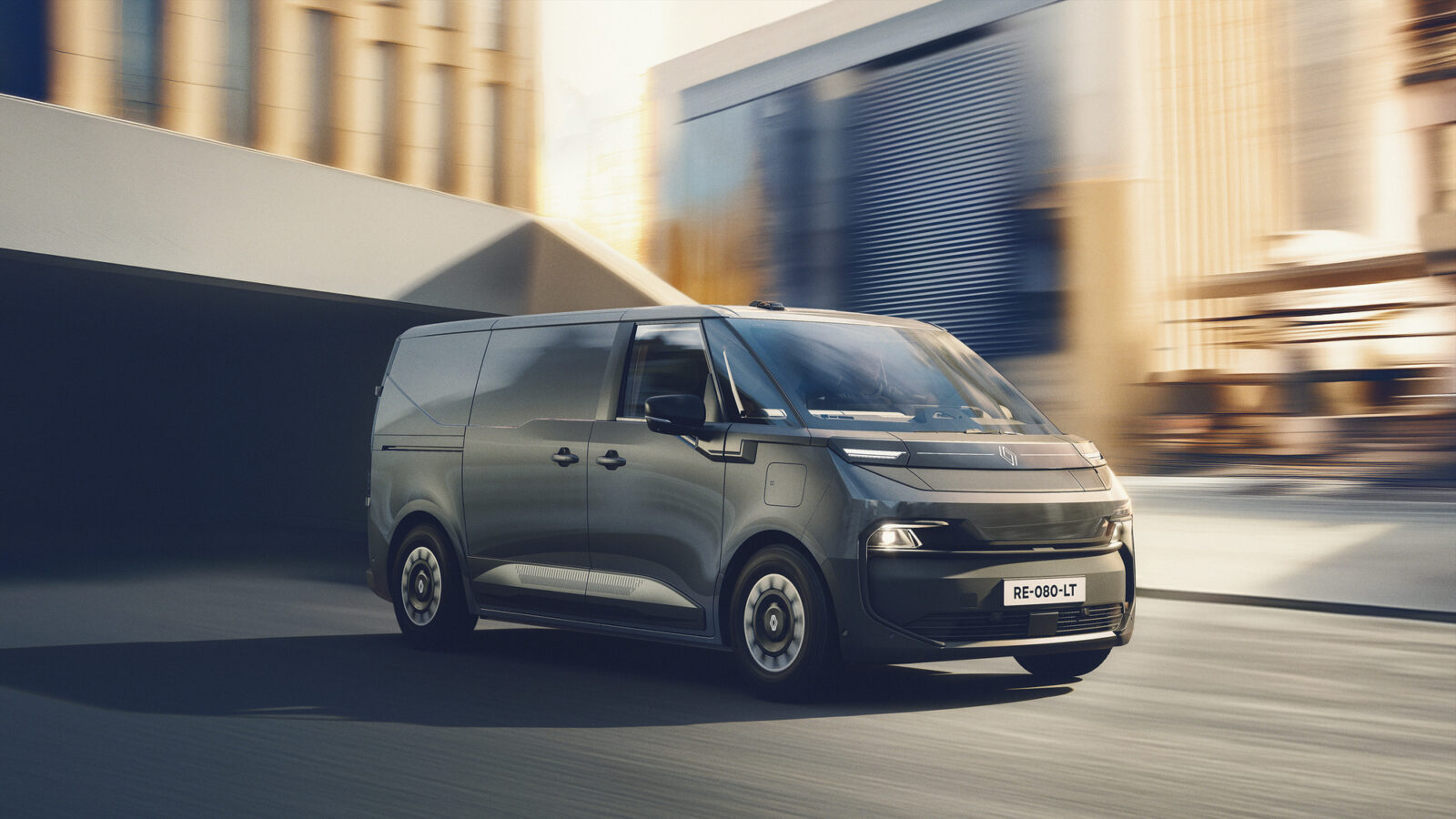
The Renault Trafic has gone through several generations over the years. Each generation has its own strengths and weaknesses. Models from 2014 onwards are generally considered to be more reliable. These models have improved diesel engines and updated electronics. In the used market, versions from 2015 up to and including 2023 are particularly popular.
Older model years from before 2012 more often suffer from starting problems, electrical faults and increased clutch wear. These problems occur regularly. That does not automatically make these cars bad. They do, however, require extra checks. Also set aside a buffer for possible repairs. In that case, a lower purchase price is sensible.
The 1.6 dCi engine (the 1.6-litre diesel with common rail injection) with 120 or 145 hp from the 2016–2020 period is in strong demand. This engine has a reasonably good track record. It is reliable. Do keep an eye on the mileage: examples with more than 200,000 kilometres require more maintenance on parts such as the turbo, injectors and exhaust system.
Checklist for a pre-purchase inspection
Before you buy a Renault Trafic, it is sensible to carry out a thorough inspection yourself or have a specialist do it. Use the checklist below to make sure you do not miss any details:
- Complete service history including invoices and service stamps
- Check oil level and oil quality using the dipstick
- Listen for rattling noises when starting and accelerating (timing chain)
- Test operation of the cooling system and temperature gauge during the test drive
- Check cooler valve and thermostat for correct operation
- Check operation of sliding doors, locks and tailgate
- Look for wear on tyres, brakes and clutch
- Test all electronics: lights, air conditioning, cruise control and parking sensors
- Check the bodywork (the outside of the car) for rust, especially at the wheel arches and the load bay floor (the floor of the load area)
- Ask about any previous damage or repairs
Ideally, take photos of the technical components and write down anything that stands out. That helps when negotiating the price or when consulting a mechanic.
Ex-lease versus private sale
When buying a used Trafic, the origin is an important consideration. Is it an ex-lease example or a private sale? Ex-lease vans often show fewer signs of use (visible wear due to use) in the interior (the inside of the car). They also often have a stricter servicing schedule (a fixed plan for when maintenance takes place). However, these cars are sometimes used more intensively, with many short trips or heavy loads.
Privately owned Trafics are sometimes more keenly priced, but often lack the full service history. Always ask in detail about how the car has been used. What was the car used for? Has it mainly done long distances or been driven in town every day? That difference determines the condition of the engine, clutch and exhaust system.
For an ex-company van it is smart to ask about the type of work the van was used for. Heavy loads accelerate wear. Frequent loading and unloading has the same effect. Suspension, load bay floor and doors then wear out more quickly. Check these points particularly carefully.
‘ A faulty air conditioning system can cost thousands of euros. ’
Equipment makes the difference in daily use
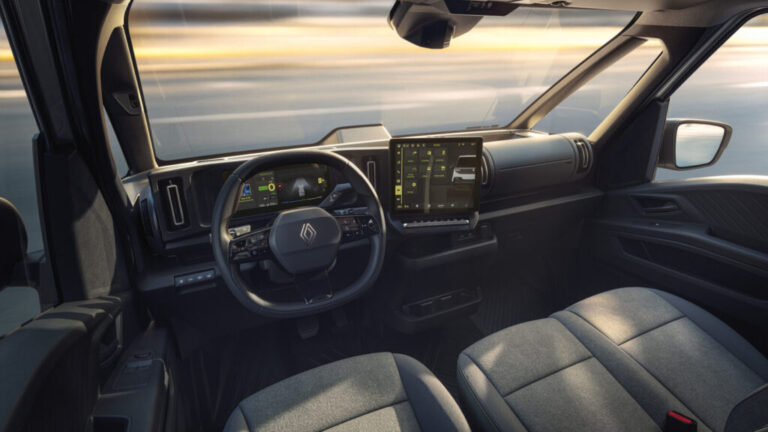
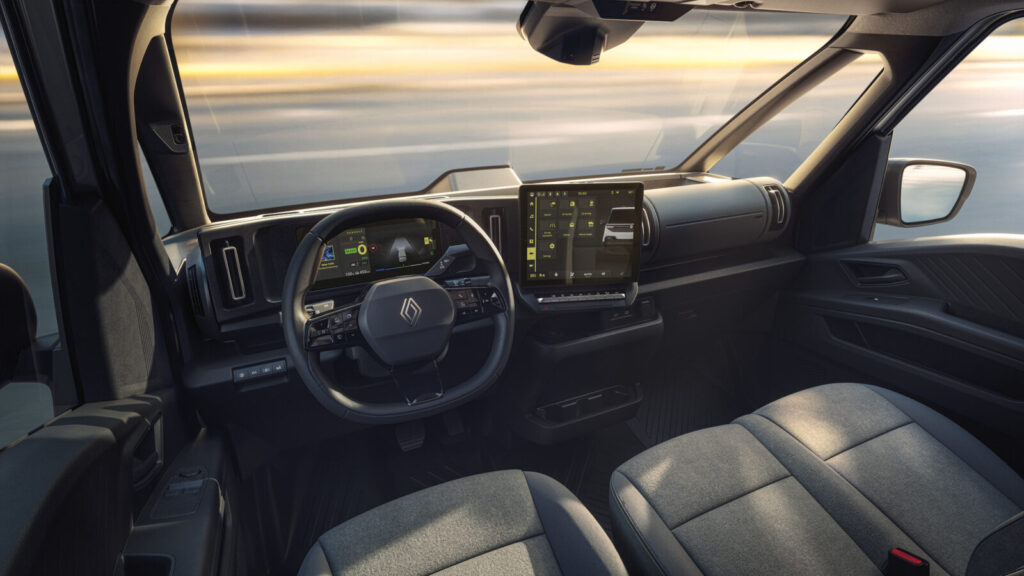
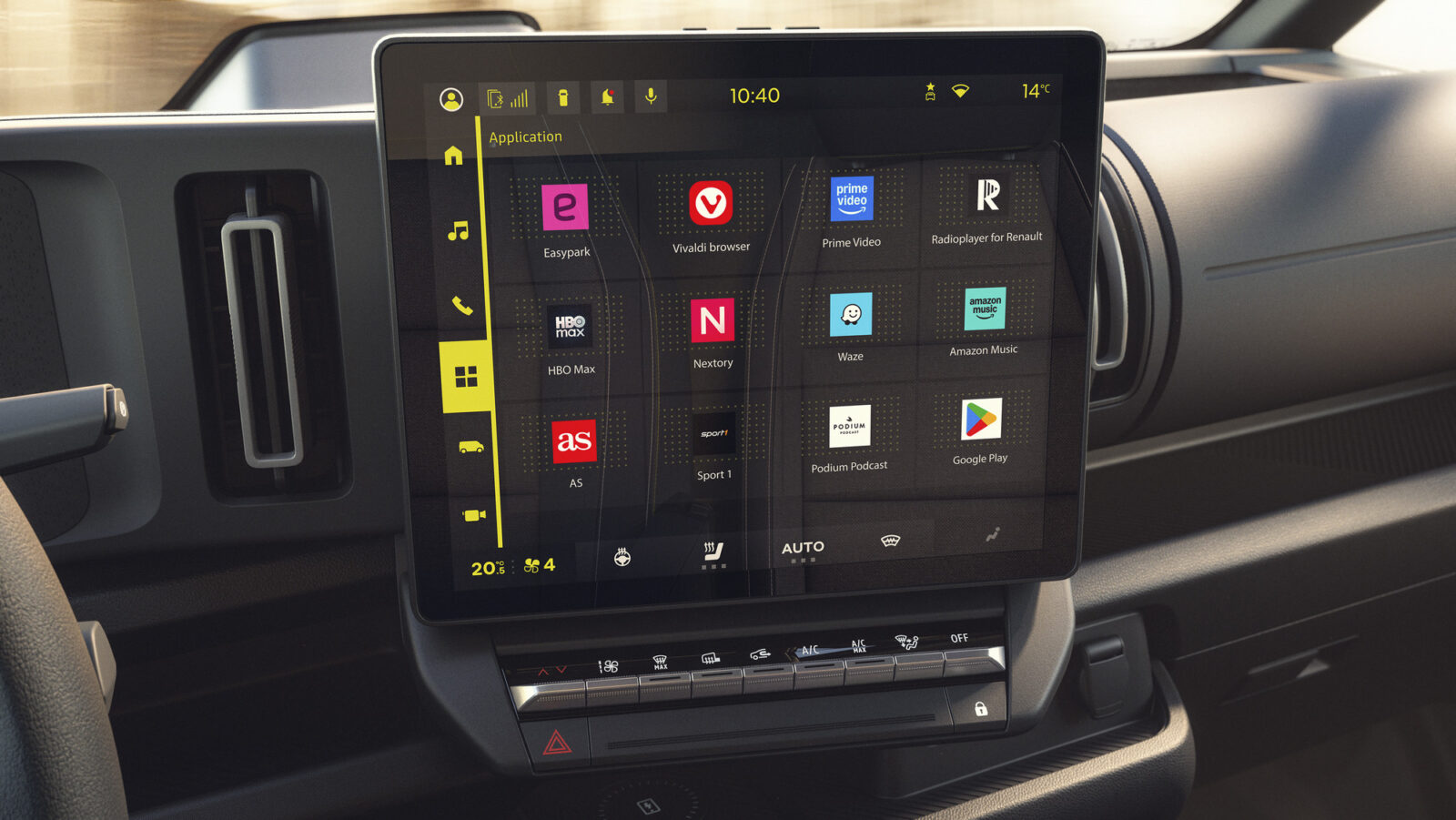
A well-equipped Trafic is more pleasant to use. A bare basic version offers less comfort. Options such as cruise control (a system that maintains a set speed), air conditioning, Bluetooth (wireless connection for phone and audio), parking camera and twin sliding doors increase usability. These options also improve comfort on long journeys. When manoeuvring in tight spaces, they really make a difference.
During the inspection, check whether all systems are working properly. A faulty air conditioning system can cost thousands of euros. Non-functioning parking sensors also mean large repair bills. Test all functions during the test drive and, if in doubt, ask for an MOT inspection or repair before purchase.
Twin sliding doors are handy. They make loading and unloading easier in busy places. Check whether the doors open and close smoothly and whether the locks work properly. The tailgate also deserves attention: a weak gas strut or broken latch will cause daily annoyance.
Mileage and realistic expectations
High mileage is not automatically a problem on a Trafic. The servicing does need to be complete. It also matters whether the car has mainly done long distances. Motorway miles are less hard on the engine and transmission than town miles with lots of gear changes and stopping.
A 2017 model with 200,000 kilometres can be in perfectly good technical condition. All services must then have been carried out. It also helps if major components have recently been replaced. Ask for invoices for parts that have been changed. Think of the turbo, injectors and clutch. The suspension is relevant too. That gives insight into remaining life.
Be cautious with examples that have more than 150,000 kilometres. Keep a reserve aside for maintenance. Wear-sensitive components need extra attention at this mileage. Think of brakes, timing chain, shock absorbers and electronic sensors.
Test drive with a focus on the technology
A test drive is a thorough test. Do not just drive once round the block. Plan at least 30 minutes. Test the car on different types of roads. Drive in town traffic, on the motorway and on twisty roads. Pay attention to gearchange behaviour (the way the gears shift), engine response and noises. Steering feel is important too.
Start the engine from cold and listen carefully. Are there any unusual noises? Examples are a rattling chain or ticking valves (parts in the engine that let air in and out). Check the starting procedure. The engine should fire up smoothly. Long cranking times point to a problem. A diesel engine will smell slightly of diesel. Black or blue smoke from the exhaust, however, indicates problems.
Test the brakes thoroughly, including at higher speeds. A vibrating brake pedal or uneven braking can indicate worn brake discs or problems with the ABS system. Also check whether the clutch engages smoothly and does not slip under acceleration.
‘ In the vans section you can read buying guides for other brands such as the Ford Transit, Mercedes Sprinter and Volkswagen Transporter. ’
Discover more on Carnews
On Carnews you will find additional buying guides for other Renault models such as the Master and Kangoo, including model-year-specific problem points and technical background information on diesel engines and turbochargers. In the vans section you can read buying guides for other brands such as the Ford Transit, Mercedes Sprinter and Volkswagen Transporter. For a deeper dive into maintenance, check the guides on inspection points at high mileage and assessing service history on ex-lease vehicles.
Frequently asked questions
Among car enthusiasts, it is mainly the 1.6 dCi Bi-Turbo diesel engines (around 120–145 hp) from the recent generations that are known as a good combination of reliability, pulling power and low fuel consumption. The later 2.0 dCi engines are also appreciated for their smoothness and suitability for long distances. Enthusiasts often choose the more powerful versions (around 140–150 hp) because they offer more driving pleasure, especially when loaded or on the motorway. Whatever engine option you choose, look for proven servicing by a dealer or specialist for the best reliability as a used buy.
Pay close attention to the service history and mileage in relation to the age of the vehicle, because many Trafics have been intensively and heavily used as work vans. Check sliding doors, locks and tailgate particularly carefully for wear, play and poor latching, because these parts are subject to heavy daily use. Inspect interior, clutch and brakes for excessive wear, which can indicate hard (over)loaded use. Finally, check the operation of equipment such as air conditioning, cruise control, parking sensors and camera, as these are often used intensively in work vans and are expensive to repair.
The first-generation Trafic (up to around 2001) clearly feels like a van, with little refinement in suspension and steering balance; driving dynamics and comfort are mainly functional, not enjoyable. The second generation (around 2001–2014) already steers more precisely and rides better, but still feels a bit top-heavy in corners and is mainly focused on ease of use. The third generation (around 2014–present) offers the best mix of stability, noise comfort and steering feel, especially with the more powerful diesel variants. For an enthusiastic driver, that third generation offers the best balance between driving dynamics and comfort.
Yes, there are versions that are particularly interesting, notably long wheelbase versions and high-roof variants that offer more interior height and length for camper conversions. Examples with twin sliding doors, extensive interior panelling, extra windows in the load area and comfort options (air conditioning, cruise control, camera) also add value for conversions or special uses. In addition, well-equipped ex-lease work vans with proven service history are attractive, because they have usually been better cared for and already have practical accessories.
The expected maintenance costs of a Renault Trafic used vehicle are on average somewhat higher than for an ordinary passenger car, mainly due to intensive (business) use and relatively expensive wear parts such as brakes, clutch and suspension. The service life of typical wear parts (brakes, clutch, shock absorbers, sliding doors/locks) depends heavily on load and driving style, but on many used work vans these often need replacing sooner than on privately owned cars with light use. As a preventive measure it is advisable to check the service history carefully, to have oil and filters changed regularly and to have brakes, tyres and fluids checked in good time. During test drive and purchase, pay extra attention to the operation and wear of sliding doors, clutch, brakes and suspension, because in practice these are subjected to the heaviest loads.