Renault Twingo: common problems and reliability
The Renault Twingo combines playful design with city-friendly dimensions, but it regularly suffers from specific technical problems that you, as a buyer, should be well aware of. From electronic faults in the central locking to clutch issues in the automatic Quickshift version, the Twingo demands attention when it comes to preventive maintenance. Even so, this compact city car remains popular with car enthusiasts who put manoeuvrability and affordability first. Read on to find out what you need to look out for.
The three Twingo generations and their technical reputation
Since its introduction in 1993, Renault has brought three generations of the Twingo to market. The first generation (1993–2007) earned a reputation as a reliable city car with simple mechanics. The cheerful design and low maintenance costs made the car popular with novice drivers.
The second generation (2007–2014) brought more comfort and safety, but also more complex electronics. This version is more prone to problems with sensors and the central locking. The manual gearboxes generally perform well, but the automatic versions can cause complaints.
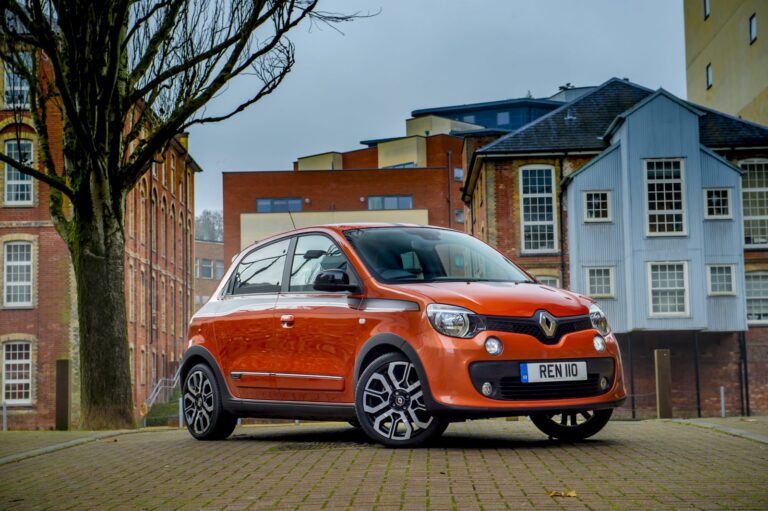
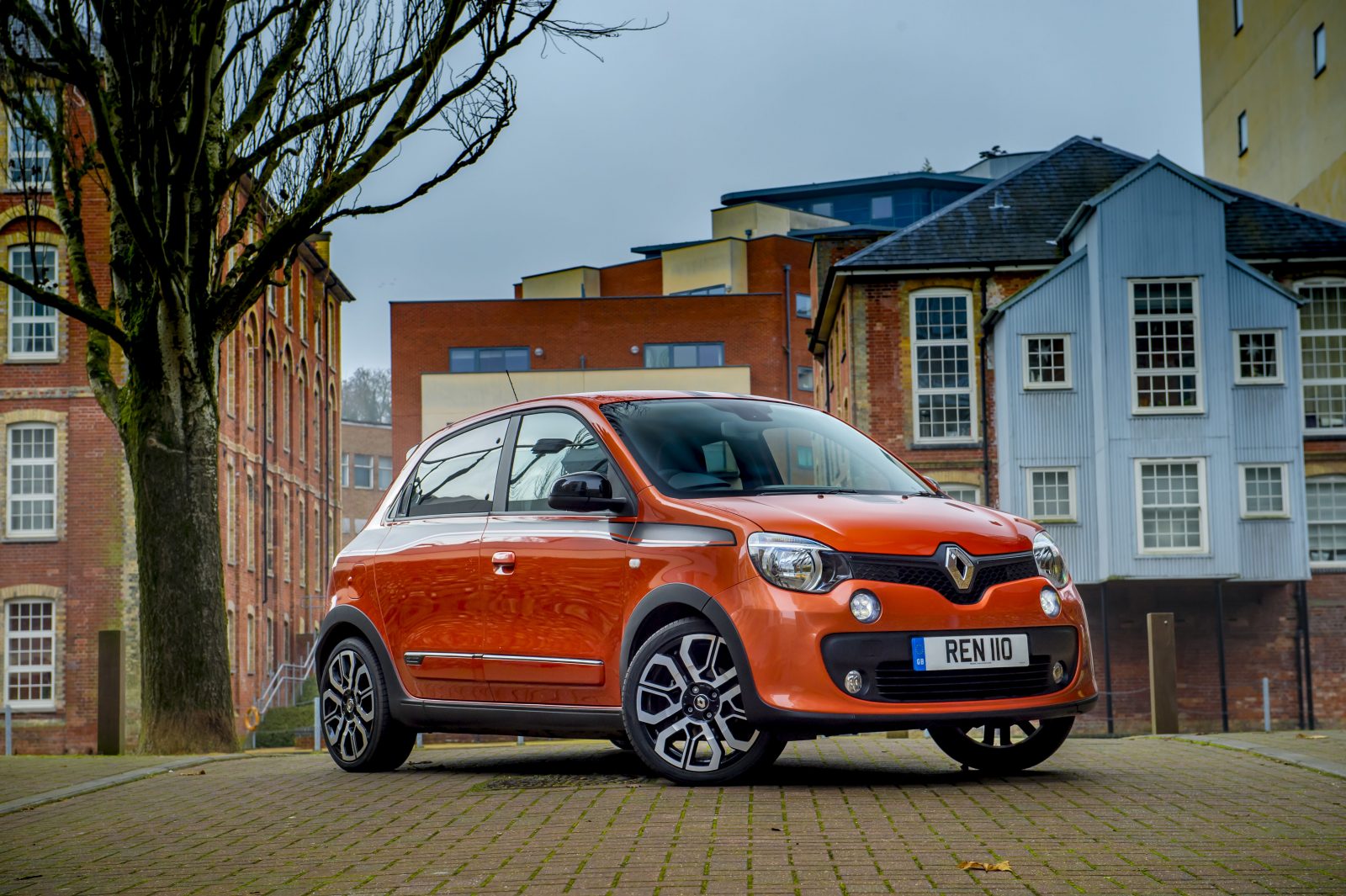
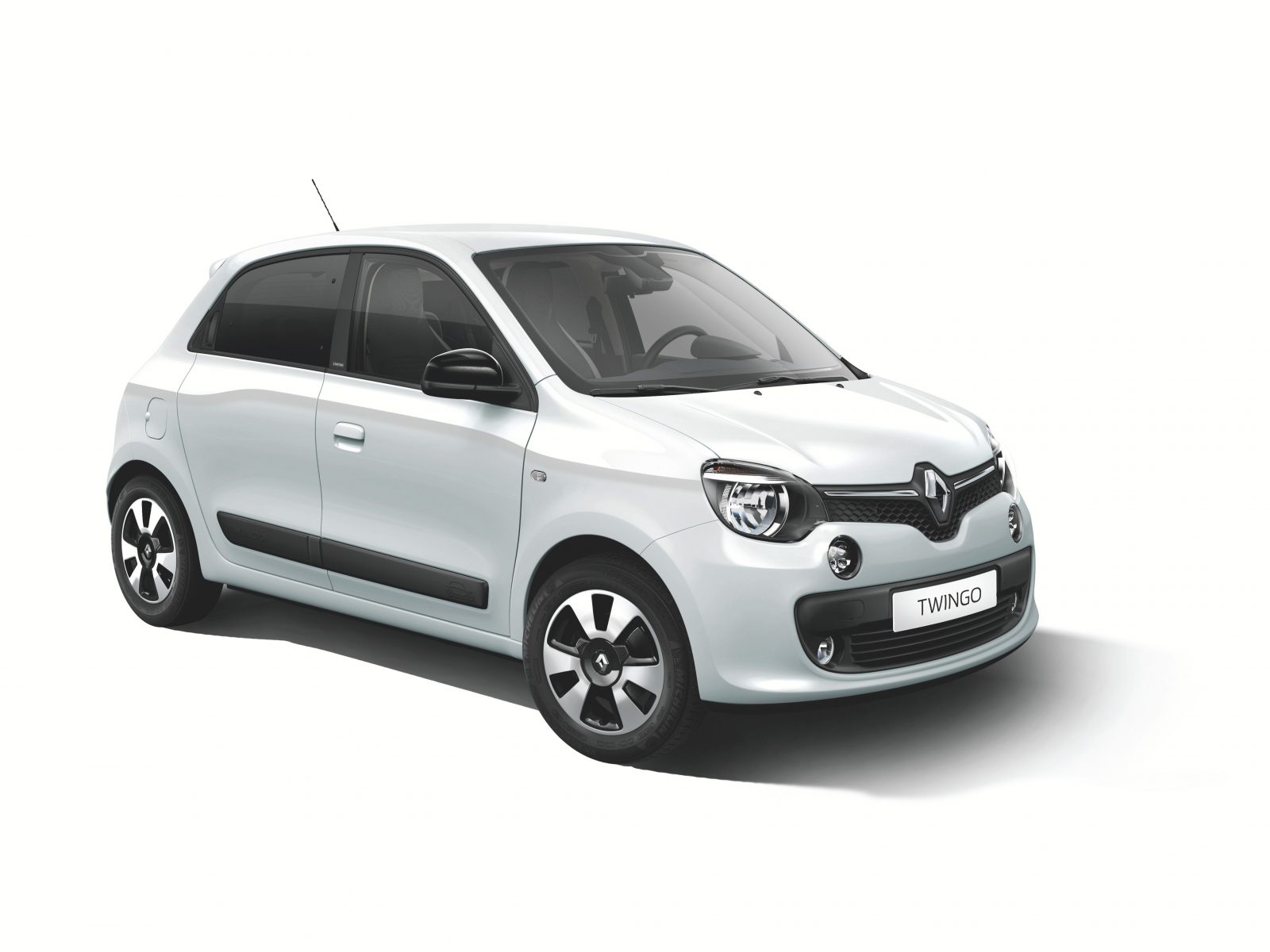
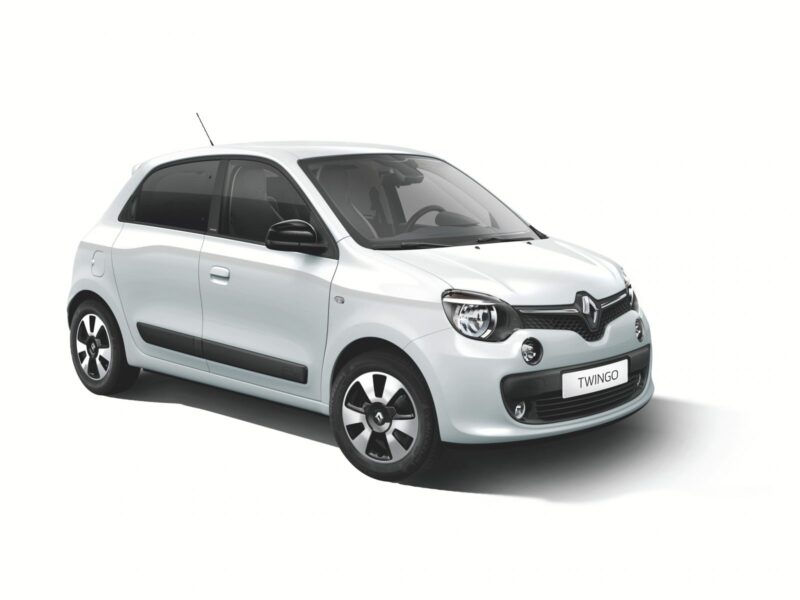
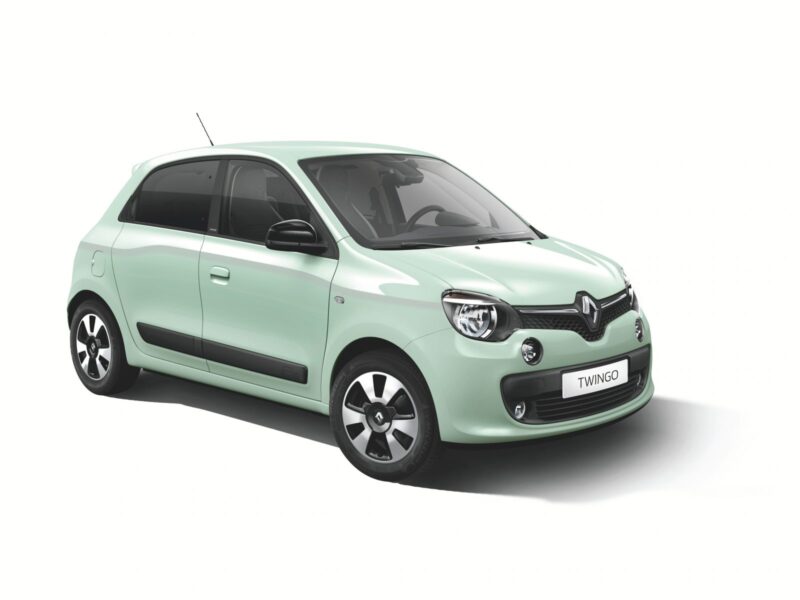
The third generation (from 2014) places the engine at the rear to create more interior space. This choice offers practical benefits but also introduces different technical points of attention. The 0.9 TCe engine with 90 hp delivers lively performance, while the 70 hp version is mainly suited to relaxed city driving. Do take care: some owners report increased wear on specific components due to the rear-engine layout.
‘ Preventive maintenance makes all the difference. ’
Overall reliability: what can you expect?
The Twingo scores around average in reliability rankings for different car brands. Much depends on the version and its maintenance history. Cars that have been serviced regularly according to the Renault schedule show fewer faults.
Preventive maintenance makes all the difference. Check the timing belt on petrol engines at the prescribed intervals. Replace ignition leads and coils in good time to avoid engine problems. The coolant also deserves regular attention, especially on older models where the water pump can be a weak point.
For those who are unsure about problems with other Renault models, it pays to look closely at the specific features of each type. Every Twingo generation has its own weak spots that you can partly prevent with targeted maintenance.
Engine problems that occur regularly
The 1.0 and 1.2 petrol engines from the first and second generation are generally robust. However, the ignition coils can fail over time. You can recognise this from an irregular engine speed, vibrations and warning lights appearing on the dashboard. Replace faulty coils immediately to prevent subsequent faults.
On engines from 2007 onwards, the water pump is a frequent problem area. A leaking water pump leads to overheating and, in the worst case, engine damage. Symptoms include coolant loss underneath the car and a rising temperature gauge. Have this checked at every major service.
The timing belt must be replaced strictly in line with the maintenance schedule. For many Twingo models, the recommended interval is around 80,000 kilometres or five years, depending on the engine version. A broken timing belt can cause serious damage to the engine, resulting in high repair costs.
The 0.9 TCe three-cylinder turbo engine from the third generation offers lively performance but requires regular oil checks. Some owners report higher oil consumption. Check the oil level every 1,000 kilometres and top up in good time. This limits wear on the engine.
Transmission and clutch: points to watch
The manual gearbox in most Twingo versions is known to be solid. On models with high mileage, the clutch can wear out. This shows up as clutch slip or difficulty engaging gears. Replace the clutch at the first signs of wear to prevent damage to the gearbox.
The automatic Quickshift gearbox, offered on some second-generation models, is associated with more complaints. This system is automated but without a clutch pedal. Owners sometimes report jerky gear changes, especially at low speeds or when pulling away from a standstill.
The causes may lie in clutch wear or in the electronic control of the system. Do you experience jolts or delays when changing gear? If so, have a specialist check the drivetrain. Regular maintenance of the transmission oil helps extend its lifespan.
‘ Many warnings disappear after cleaning the sensors. ’
Electronic faults that often occur
The central locking regularly causes problems on some Twingos. Sometimes the doors can no longer be opened remotely. They may also unlock by themselves. This points to a fault in the lock mechanism or the remote key. First replace the battery in the key before having the mechanism inspected.
Dashboard lighting can fail due to faulty circuit boards behind the instrument panel. This occurs mainly on older models. A garage can repair or replace the circuit board. Sometimes a reset of the on-board computer is enough to solve minor faults.
Sensors for parking assistance and tyre pressure can generate error messages. First check whether dirt or snow is blocking the sensors before going to the garage. Many warnings disappear after cleaning the sensors.
On the third generation, problems sometimes occur with the multimedia system. The screen may freeze or stop responding. A software update at a Renault dealer often solves this.
Suspension and steering
The Twingo’s suspension is firmly set up for city use. Shock absorbers wear out over time, especially with intensive use on bumpy roads. Symptoms include a wallowy ride and knocking noises over uneven surfaces. Replace shock absorbers per axle to maintain balance.
Wishbone bushes and anti-roll bar links can develop play. You will hear this as rattling when steering or driving over speed bumps. Have this repaired in good time to prevent uneven tyre wear and reduced steering precision.
The power steering on most models is electric. On some second-generation Twingos, the power steering can fail due to a defective power steering pump or sensor. You will notice this from a heavier steering feel. Check the fuses first before having the pump replaced.
The suspension and steering system require periodic checks. During the MOT test, issues such as wear on ball joints and driveshaft boots are regularly identified. Preventive replacement avoids more expensive repairs later on.
Bodywork and interior: what to look out for
Rust formation is less common on the newer Twingo generations thanks to better protection. On older first-generation models, you may still find rust around the wheel arches and sills. Check these areas thoroughly when buying a used example.
Water leaks can occur when the door seals or the seals around the tailgate are no longer watertight. Moisture in the car leads to steamed-up windows and, in severe cases, mould. Replace worn seals and check the door drain holes regularly.
The interior of older models often shows wear on the steering wheel, gear lever and seat upholstery. Plastic parts can creak and rattle, especially at low temperatures. This does not affect reliability but can be annoying.
The boot of the third generation is cramped at 188 litres because of the rear-mounted engine. Folding rear seats offer extra loading space, but the mechanism can stick after intensive use. Lubricate the hinges regularly to keep operation smooth.
‘ You should never ignore a warning light on the dashboard. ’
Recognising problems and making a diagnosis
Many problems announce themselves with symptoms that you can recognise at an early stage. You should never ignore a warning light on the dashboard. Have the fault codes read at a garage to identify the cause. Modern diagnostic equipment can locate most faults.
Unusual noises from the engine bay or suspension demand immediate attention. A squealing noise when braking points to worn brake pads. Knocking while steering usually means play in the suspension. Do not ignore these signs.
Use your senses when checking the car. If you smell burning while driving, stop immediately and call in a professional. If you feel vibrations through the steering wheel or chassis, have the wheels balanced and the suspension checked.
With basic knowledge you can carry out many repairs yourself, such as replacing bulbs, wiper blades and air filters. For more complex work on the engine, transmission and electronics, you should use a specialist garage.
Checklist for buying a used Twingo
Start with the bodywork. Look for rust spots, damage and uneven gaps between panels. This can point to previous accident damage. Check whether all the doors close flush.
Test the electronics thoroughly. Try all the lights, windows, central locking and the multimedia system. Check whether any sensors trigger warning messages on the dashboard. A test drive with all functions in use gives a good overall picture.
Check the service book. A fully completed book with stamps from approved garages is a good sign. Ask for additional invoices for major services and repairs. Check whether the timing belt has been replaced. The maintenance schedule states when this must be done.
Pay attention to the mileage. Also look at the year of manufacture. For city use, 15,000 kilometres per year is normal for a Twingo. Extremely low or high mileage calls for extra attention. Check whether the mileage matches the MOT history.
Check the engine from a cold start. A smoothly running engine without blue or white smoke is a good sign. Listen for unusual noises while idling and during the test drive. Test how the gearbox shifts under different conditions.
Maintenance and repair costs
A minor service for the Twingo costs between 100 and 200 euros at an independent garage. This includes an oil change, filters and a general check. At a Renault dealer, costs are often 20 to 30 per cent higher, but you get genuine parts.
Replacing the timing belt, including water pump and tensioners, costs between 400 and 700 euros, depending on the engine version and the garage. This is a necessary investment to prevent expensive engine damage.
Ignition coils cost between 40 and 80 euros each. It is best to replace them all at once to avoid future faults. Labour time is limited, so the total cost for a complete set is around 300 euros.
A new clutch including fitting costs between 500 and 800 euros. On the automatic Quickshift version, costs can rise to 1,000 euros because of the more complex design. Have this work done by a specialist with experience of Renault transmissions.
Suspension parts such as shock absorbers, wishbone bushes and anti-roll bar links are affordable. Expect to pay 200 to 400 euros per axle for replacement of shock absorbers including fitting. Smaller suspension repairs often cost less than 150 euros.
MOT tests cost between 30 and 60 euros, depending on the region and test centre. Minor reasons for failure, such as a blown bulb, can often be fixed for less than 20 euros. More serious issues with brakes or suspension can push costs up to several hundred euros.
‘ A well-maintained Twingo can cover 200,000 kilometres without major issues. ’
The Twingo remains a practical city car
Despite the technical points of attention, the Renault Twingo remains a practical choice for city driving. Its compact dimensions and agile handling make everyday driving comfortable. The key is to know the common problem areas and to take preventive maintenance seriously.
Many problems can be prevented with regular maintenance and timely replacement of wear parts. Check the timing belt according to the schedule, watch for signs of engine trouble and keep an eye on the electronics. A well-maintained Twingo can cover 200,000 kilometres without major issues.
When buying a used example, you make the difference by carrying out a thorough inspection and asking about the maintenance history. A fully completed service book and an honest seller give you the best starting position. Bear in mind that older models usually require more maintenance than newer ones.
The costs of maintenance and repairs generally remain manageable. Spare parts are widely available and many garages are familiar with the model. Those who are practical and willing to tackle small jobs themselves can keep expenses under even tighter control.