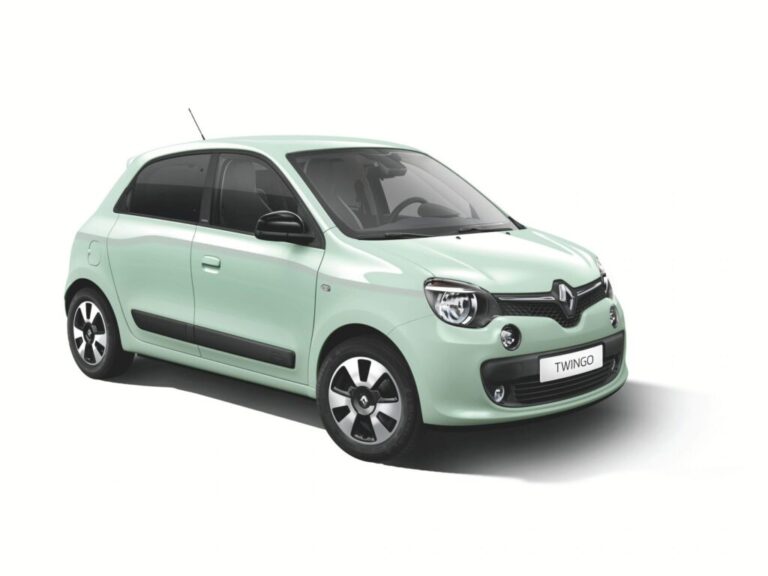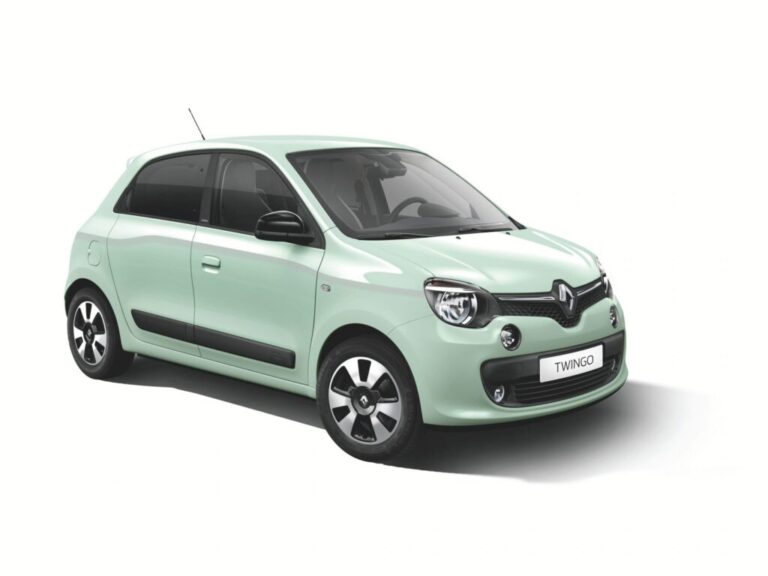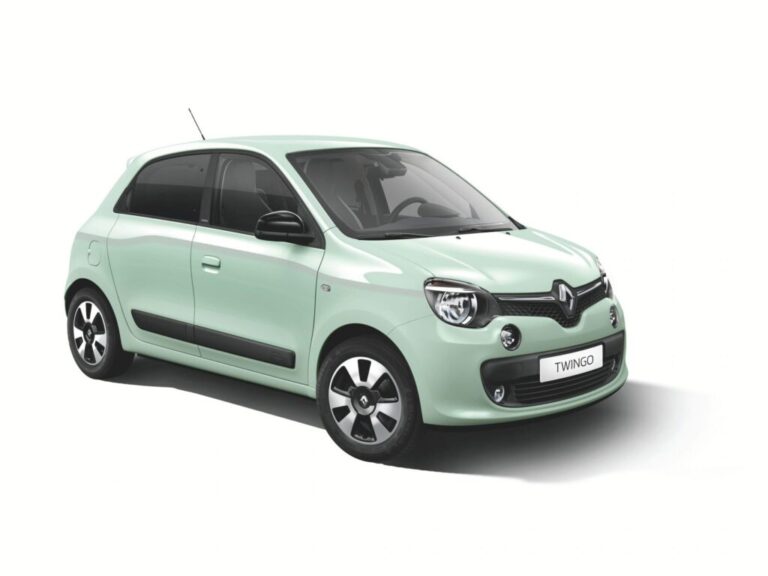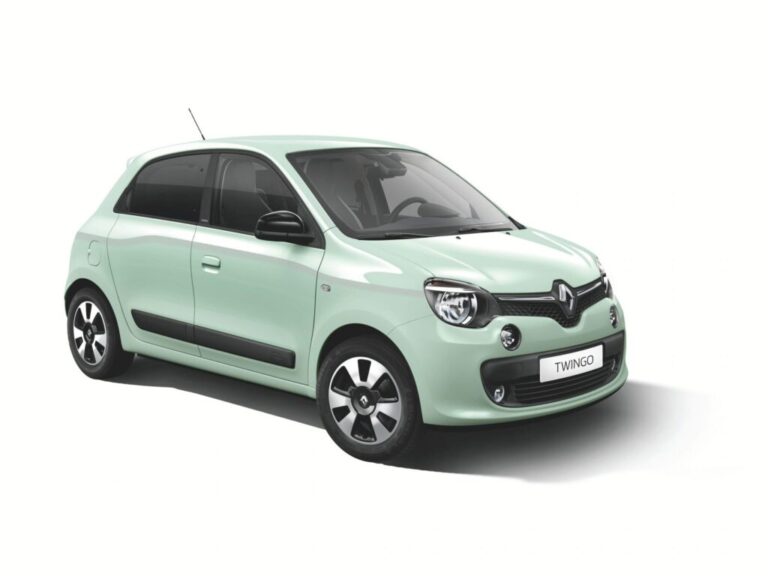
An incorrect reading from the brake pedal, clutch pedal or road speed often causes cruise control faults on the Renault Twingo. Software issues, the throttle valve and electrical connections also play a role. The cruise control then switches off, refuses to engage or fails to hold the set speed. Also see the overview with information about the Renault Twingo and known issues. With a few targeted checks, you can often get closer to the cause quickly.
Renault Twingo cruise control not working
A Renault Twingo cruise control that is not working does not necessarily mean the whole system is faulty. The cruise control processes signals from switches and sensors. A single incorrect signal is enough for the system to block or switch off for safety reasons.
First look at the exact behaviour. Sometimes the system will not switch on at all. In that case, look for the cause in the controls, a pedal switch or the power supply. Sometimes the set speed drops away while you are driving. In that case, check the signals from the brake, clutch and speed sensor.
Common symptoms include:
- The cruise control does not engage.
- The set speed slowly drops or fluctuates.
- The system cuts out without any visible cause.
- The buttons on the steering wheel sometimes do not respond.
- A warning light or fault message appears.
- The cruise control works again after restarting the car.
A temporary recovery after restarting often points to an electronic fault. That does not solve the underlying cause. Have the car read out when the problem returns.
Common causes of cruise control problems
First check the brake light switch and clutch switch. The cruise control must stop immediately as soon as you brake or disengage the clutch. A switch sometimes falsely reports a pedal being pressed. The car then interrupts the system.
Faulty brake light switch
The brake light switch detects the position of the brake pedal. If it is faulty, the cruise control will not engage. The system may also cut out while driving. Check whether the brake lights come on and go off normally. Brake lights that stay on or work intermittently point to a problem with the switch.
Problem with the clutch switch
A manual Twingo has a switch at the clutch pedal. This prevents the engine from revving excessively when you disengage the clutch. Incorrect adjustment or a loose connector will switch the cruise control off immediately. A faulty switch has the same effect.
Fault in the speed sensor
The cruise control needs a reliable speed signal to hold the selected speed. A faulty speed sensor causes an inconsistent signal. A poor electrical connection has the same effect. An inaccurate speedometer or an additional fault message provides more clarity. These signals are sometimes absent.
Dirty or faulty throttle valve
The throttle valve controls how much air enters the engine. On electronically controlled versions, the engine management system also uses this valve to adjust speed. Dirt interferes with the throttle valve’s operation. A faulty throttle position sensor or control fault also causes problems. The result is an erratic speed or the cruise control cutting out.
Have the throttle valve checked before it is replaced. A poor electrical connection or stored fault code can also cause the complaint. Without diagnostics, replacement may not restore normal operation.
Software or controls not responding properly
A software fault in a control unit is less common than a faulty pedal switch. The main switch also wears. The same applies to the buttons used to set the speed. A garage checks the signals from these buttons. The technician also checks whether the control unit is receiving the signals.
Other possible causes are:
- A blown fuse.
- Loose or corroded plug connections.
- Damaged wiring around the pedals or steering column.
- A fault in the engine management system.
- Low battery voltage causing electronic fault messages.
How do you reset a cruise control fault?
Sometimes a reset clears a temporary electronic fault in the Renault Twingo’s cruise control. A reset does not repair a worn switch or damaged cable. A faulty sensor also remains faulty. Use the reset mainly as a test. Afterwards, check whether the complaint returns immediately.
- Park the car safely and switch off the engine.
- Switch the cruise control off using the main switch.
- Wait a few minutes before restarting the engine.
- Check whether any warning lights remain on.
- Only test the cruise control on a suitable, quiet road.
Sometimes the message remains present. In that case, read the fault codes with a suitable OBD scanner. This device reads stored faults from the car’s computers. Note down the codes before clearing them. They contain important information for the diagnosis.
Do not disconnect the battery first. That will erase stored settings. Fault codes that a mechanic needs will also disappear. An active fault usually returns. The car then records the same incorrect measured value again.
How to approach the diagnosis in a targeted way
First check the car without removing any parts. Replace components only after a clear diagnosis. Check simple electrical causes, sensors, the throttle valve and software.
- Check that all brake lights work properly.
- See whether the clutch switch is firmly in place.
- Check the relevant fuses according to the owner’s handbook.
- Watch for any abnormal behaviour from the speedometer.
- Inspect visible cables and connectors for damage or corrosion.
- Read out stored fault codes.
- Have measured values and software checked if the cause remains unclear.
Do not replace the speed sensor or throttle valve on suspicion alone. Faulty wiring causes the same complaints. A technician measures the electrical signals and looks at live data from the car. That way, the technician can see which signal is dropping out.
Repair costs for Renault Twingo cruise control
The cause largely determines the repair costs for a Renault Twingo’s cruise control. The specification of the car also makes a difference. Small electrical parts and pedal switches usually require less work. Investigation of wiring, the throttle valve or the control unit takes more time. The year of manufacture affects labour costs. The accessibility of the component also plays a role.
Ask for a separate diagnostic line item on the quotation. Ask the garage to note down the fault codes found and the measurements carried out. Ask which component those data suggest is faulty. That way, you can better judge whether replacement is necessary.
The costs may include:
- Reading fault codes and checking measured values.
- Labour to trace cable damage.
- Replacement and adjustment of a pedal switch.
- Cleaning, checking or replacing the throttle valve.
- Replacement of a speed sensor or control switch.
- A software check or available update.
Do not keep driving if there is unexpected acceleration or loss of speed. Stop if other systems develop faults as well. Switch the cruise control off. Have the car inspected. Braking and steering always remain the driver’s responsibility.
Want to know more about Renault Twingo problems?
Often, a cruise control fault on the Twingo is caused by a switch or sensor. Also check the electrical connections. With a targeted diagnosis, you only replace faulty parts. On the Carnews website you will find more information about Renault problems and maintenance. You will also find advice on faults and practical car tips. Discover the related topics and get to know your car better.
Frequently asked questions
The most common causes are a faulty brake light switch, clutch switch or speed sensor. Damaged wiring, loose or corroded connectors and a blown fuse can also disable the cruise control. Less often, the fault lies with the steering wheel controls, software or a control unit.
First check whether the brake lights and speedometer work normally, and on a manual Twingo test the clutch pedal switch. Then inspect the fuses, connectors and wiring for damage, corrosion or loose contacts. Finally, read the fault codes with an OBD scanner before replacing any parts.
A faulty brake light switch can falsely signal that the brake pedal is being pressed. Because cruise control automatically switches off when braking for safety, it will then cut out unexpectedly or refuse to engage. Brake lights that behave abnormally can indicate such a fault.