
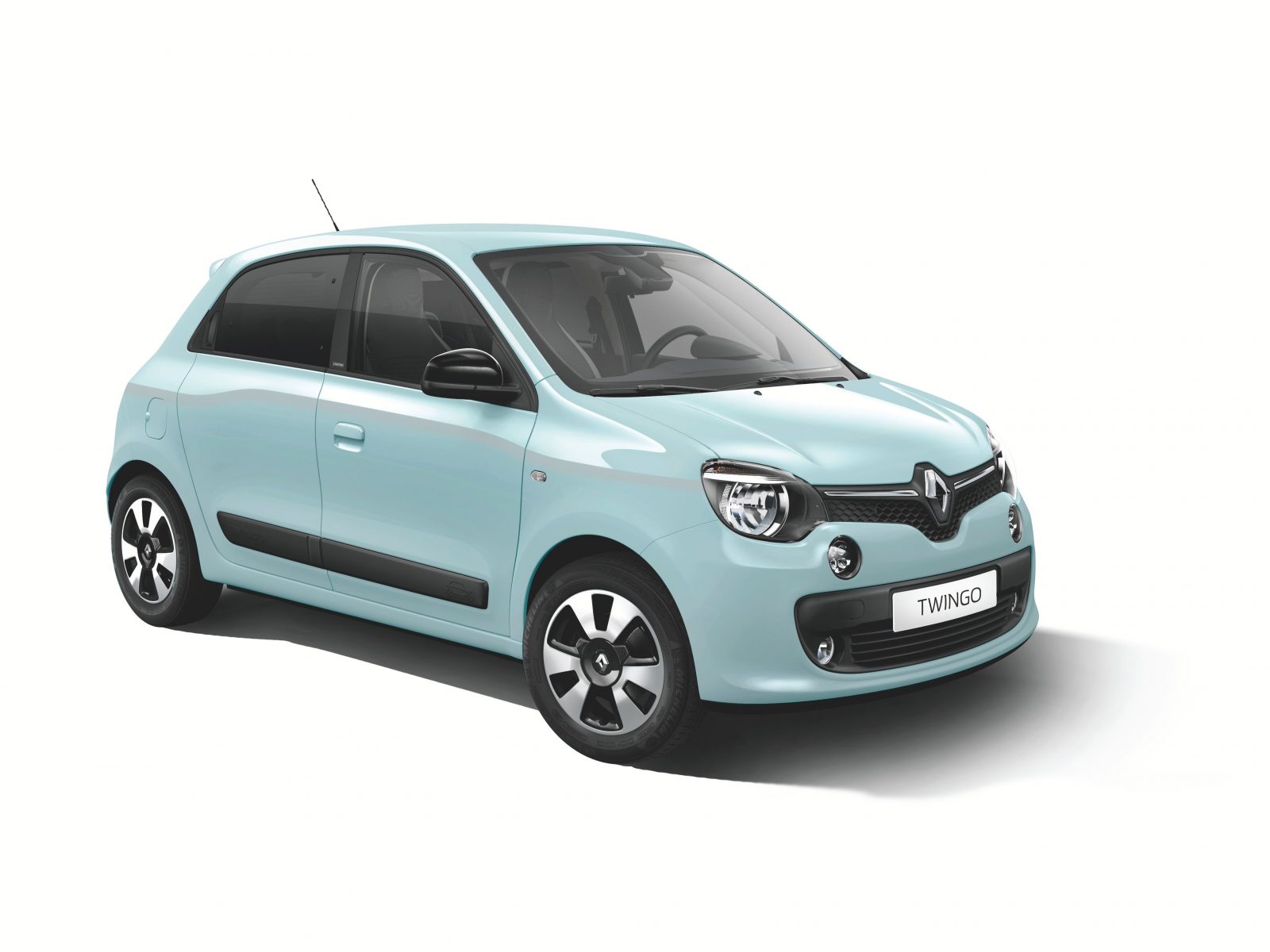
The Renault Twingo is a practical and affordable car. Loose panels and plastic parts regularly cause annoying squeaks and rattles in the interior. Most noises are not a serious mechanical problem, but they do require attention during servicing or with simple adjustments. Curious how to get rid of these irritations?
Why does the Twingo’s interior rattle?
The cause of interior rattles often lies in the car’s construction and materials. For the interior, Renault makes use of plastics. These materials are not always perfectly matched to vibrations from the engine and the road. These noises become more noticeable especially in older models. Temperature fluctuations and humidity make the problem worse. Materials expand or contract.
Besides design factors, humidity plays an important role. Water can accumulate in hard-to-reach parts of the vehicle. As a result, components start to rattle or function irregularly. This occurs more often with the Twingo than with other models. You can find more information about this type of Renault car problems on our website.
Another point of attention is drainage. Condensation from the air conditioning and water from the scuttle area cannot drain away properly. The drains become blocked. The rattling gets worse especially in warm and humid weather. Moisture builds up. Plastic parts then stick together or become loose instead.
‘ The dashboard is a frequently mentioned culprit. ’
Which parts cause the most noise?
Various parts in the Twingo are prone to generating noise. The dashboard is a frequently mentioned culprit. Plastic panels and consoles rattle loose due to vibrations. The rattling mainly occurs when driving on bumpy roads or at higher speeds.
The doors also often produce squeaks. Closing the windows, especially on the left-hand side, is frequently accompanied by squeaking noises. The seat adjustment buttons start to work loose over time. They make noises. Finally, the suspension can produce creaking noises when rubbers age or are poorly secured.
The most common problematic parts are:
- Dashboard and centre console
- Door windows and mechanisms
- Seat adjustment controls
- Suspension and anti-roll bars
- Plastic trim panels
How do you fix rattles in the interior?
You can solve many interior rattles yourself. Start by locating the noise. Drive slowly over a bumpy road. If possible, have someone watch and listen with you to see where the sound is coming from. Often the cause is a loose panel that you can press and hold in place by hand.
Check whether all screws and clips are properly tightened. Sometimes parts are not refitted correctly after a service. Incorrect assembly especially occurs after work on the exhaust mount. It also happens after work on the dashboard. A quick inspection can already yield a lot.
Another simple solution is to apply felt or thin foam rubber. Apply these materials between rattling parts. Felt and foam rubber dampen vibrations. They prevent plastic rubbing against plastic. Do make sure you do not block ventilation openings or obstruct moving mechanical parts.
When should you go to the dealer?
Some problems require professional help. You hear noises accompanied by electrical faults. Go to an authorised Renault dealer. Humidity leads to faults in various systems. Loss of sound and unexpected rattles are possible consequences. A dealer can trace and resolve the problem.
Blocked drains sometimes also require interventions that are better left to a specialist. The dealer thoroughly cleans the air-con drains. The scuttle drains are also cleaned. If the blockage remains stubborn, the rubber flap on the heat shield is then routinely removed. This prevents leaves and dirt from building up.
Clearly state which noise you hear. Mention when the noise occurs. The noise gets worse in rain, cold or heat. Mention this as well. This information helps the mechanic to identify the problem more quickly.
‘ A quick check takes little time but prevents a lot of annoyance. ’
Preventive maintenance against interior noises
Prevention is better than cure. Regular maintenance of the drainage systems prevents many problems. Make sure the air conditioning is used regularly. Use the air-con in winter as well. This keeps the systems clean and prevents moisture build-up.
Ventilate the interior well. Do this especially after rain or a trip through the car wash. Open the windows and doors from time to time. This allows moisture to escape. It prevents plastic parts from becoming damp and starting to creak or squeak.
Check all screws and clips at every service. Make sure they are properly tightened. Ask the mechanic to pay extra attention to the interior. Also ask to have any loose parts secured. A quick check takes little time but prevents a lot of irritation.

Experiences of Twingo owners
Many owners report that the Twingo is more susceptible to interior noises. As the car ages, the noises become more noticeable. The compact construction contributes to this. The use of plastic materials also makes the problem worse. Temperature fluctuations make it worse. Varying humidity levels also amplify the problem.
Even so, most owners are positive about the simple solutions. The problem can often be resolved with basic materials. There are concrete examples. Tightening a loose clip or screw takes little time. The result is immediately noticeable. More complex faults also occur. The Renault dealer is ready to help. The dealer has knowledge of these specific problems.
Discover more about the Renault Twingo
Interior rattles and squeaks are no reason to write off the Twingo. With regular servicing and attention to drainage systems you can solve most problems. For electrical faults or persistent noises, the dealer offers professional help.
On the Carnews website you will find much more information about the Renault Twingo. You will also find information on other models here. From maintenance tips to common problems and practical solutions. Discover everything you need to know and get more out of your car.
Frequently asked questions
The most common causes are the many plastic interior panels and gaps that, due to vibrations from the engine and road surface, start rattling against each other, especially in the dashboard and centre console. In addition, poorly fitting or worn parts such as seat adjustment mechanisms, door windows and rubbers in the suspension/anti-roll bars can squeak and creak. Moisture and poor drainage (air-con drain, scuttle) can cause parts to stick or, conversely, start rattling loose. Careless assembly or leftover parts after servicing also regularly lead to extra interior noises.
Drive on a quiet road and listen carefully for where the sound is coming from; while driving, gently press on different interior parts (dashboard, door panels, centre console, seats) to feel whether the noise then reduces or disappears. Then check for any loose panels, clips or covers and secure these more firmly with suitable clips or a strip of felt/foam tape between two rattling parts. Clean the drains of the air-con and the scuttle panel under the windscreen so that water and dirt do not accumulate between plastic parts, which can cause extra squeaks and rattles. Finally, watch out for moisture in the interior (wet mats, condensation) and improve ventilation, as damp can worsen both electrical faults and creaking rubbers and plastic parts.
In the Renault Twingo, the dashboard and centre console in particular are prone to rattles from loose plastic panels. The door windows (especially on the left) can also squeak and rattle, as can the buttons and mechanisms for seat adjustment. In addition, rattles can develop around parts near the drainage of the air-con and scuttle if moisture or blockages occur there.
Use high-quality self-adhesive foam or felt strips between contact surfaces of plastic panels, dashboard sections and door panels to eliminate play and friction. Refit loose clips, screws and brackets or replace them with heavier (for example metal) versions where possible. Apply a silicone or Teflon spray to moving parts such as window guides, seat rails and plastic-on-plastic hinge points. For persistent rattles, have a specialist pinpoint vibration sources and dismantle panels to apply noise-damping tape or mats (bitumen or butyl).
It is advisable to seek professional help if rattles keep coming back despite your own attempts to secure panels, seat rails and visible parts. If you suspect that moisture, blocked drains or electrical problems play a role, a specialist inspection is also sensible. For persistent or increasing noises that seem to be related to the suspension, anti-roll bars or the exhaust mount, a visit to a garage is recommended. If you are unsure about the cause or do not feel confident dismantling parts yourself, always call in a professional.