
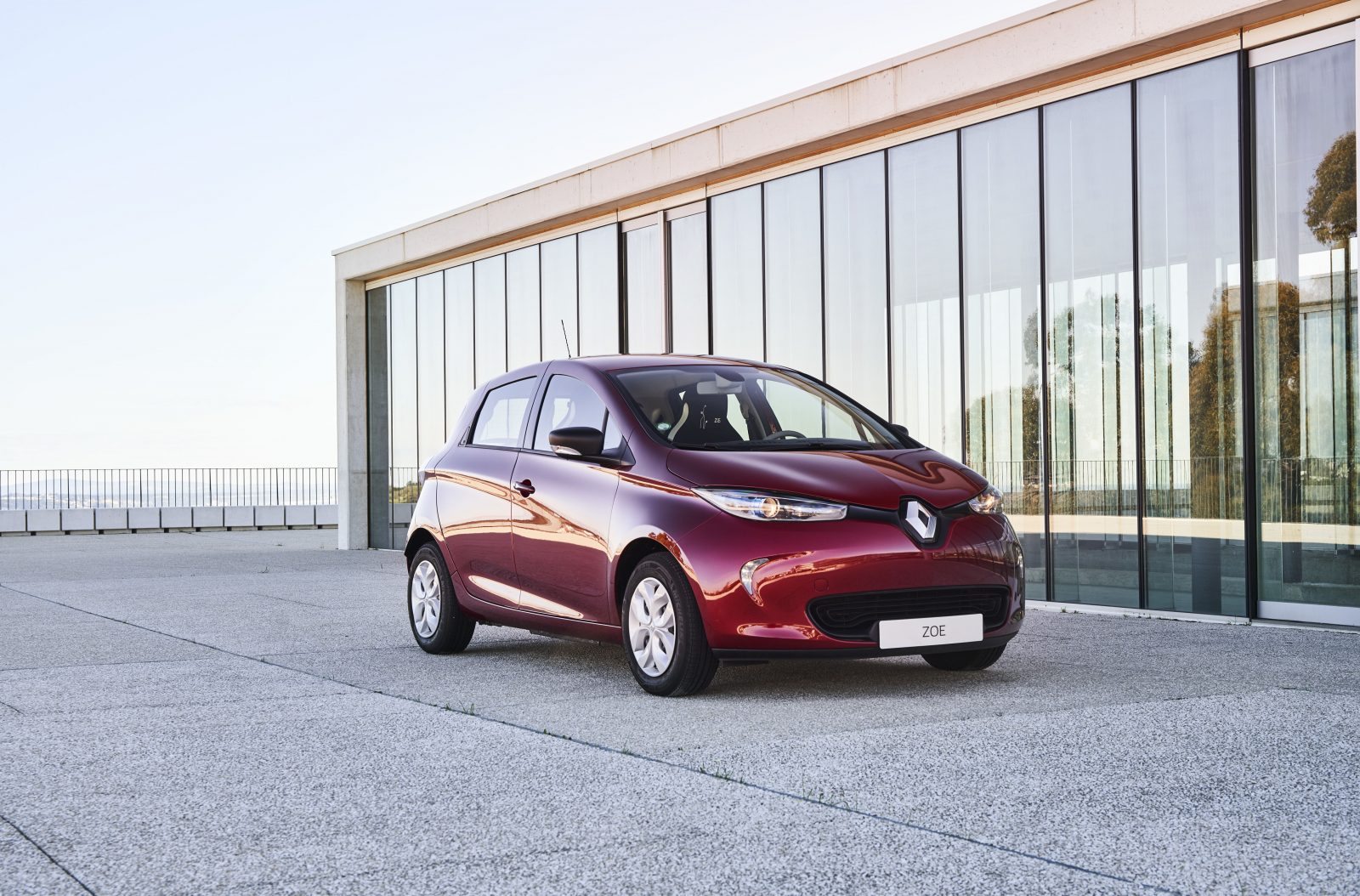
Renault Zoe: is the electric Frenchman reliable?
The Renault Zoe has proven itself as an accessible electric city car with an acceptable driving range, but it also has some well-known problems. From battery degradation to electrical faults and software frustrations: some issues crop up regularly for owners. The Zoe offers good value for money. However, it is important that you know the risks and what to look out for. Are you looking for a used Zoe or are you already an owner? Read on for an honest overview of the most frequently reported problems.
Why is it important to know the problems?
Knowing the potential problems with the Renault Zoe helps you as an owner or buyer to have realistic expectations. The Zoe is a first-generation electric car, introduced in 2012. That means certain components or systems are not always as mature as in more recent models. If you know where faults can occur, you can carry out more targeted maintenance. You can also assess a second-hand example more critically. In addition, you gain insight into the maintenance costs you can reasonably expect. Most problems stem from the battery, electronics and software. For those specifically interested in the problems that occur more often with Renault, it is useful to know that in terms of reliability the Zoe scores about average within the brand.
‘ Even so, the car is not known as one of the most carefree electric cars. ’
Reliability of the Zoe: the bigger picture
The Renault Zoe does not score badly in terms of reliability. Even so, the car is not known as one of the most carefree electric cars. Owners appreciate the low running costs, quiet driving and the relatively generous range of up to 395 kilometres according to WLTP. The five-star Euro NCAP safety rating is also a plus. The Zoe is particularly suitable for daily use in the city and for commuting. For longer trips with rapid-charging stops the car is adequate, although range can drop sharply in winter. The car offers enough power for smooth city traffic and overtaking on the motorway. Maintenance remains limited because there is no need for oil changes and the brakes wear less quickly thanks to regenerative braking. There are, however, some points to watch. It pays to know these before you invest.
Most common problems with the Renault Zoe
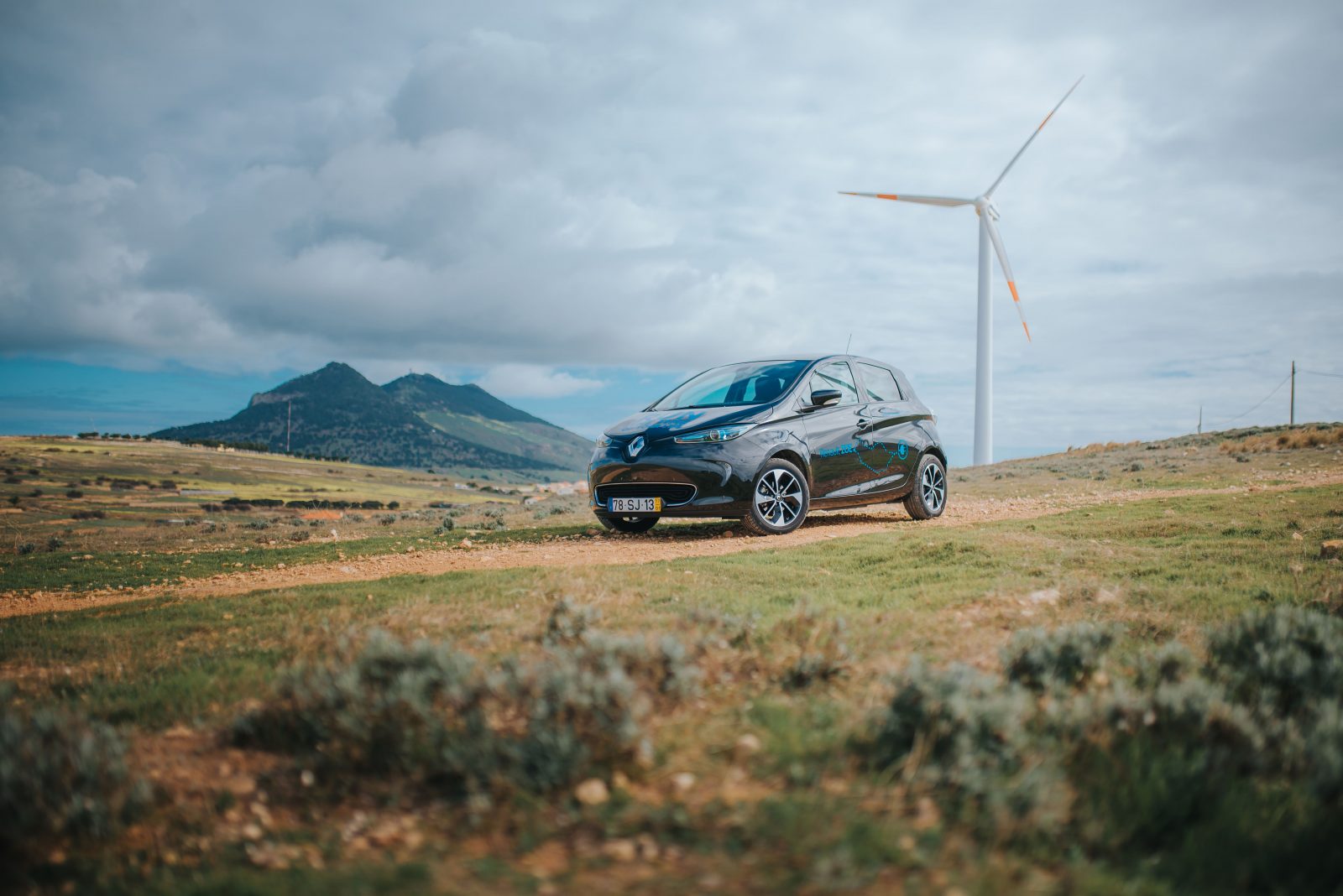
The Renault Zoe has several complaints that owners regularly report. These mainly concern problems with the battery, software faults, electrical components and wear to the suspension. These problems do not affect every Zoe. They do occur often enough to warrant vigilance. Below is a more detailed overview of the main areas of complaint.
Battery degradation and performance
The battery in the Renault Zoe is the heart of the car and at the same time a source of concern. Over time, battery capacity can decline, resulting in a reduced range. This phenomenon is called battery degradation and is normal with electric cars, but with the Zoe it can occur more quickly than expected. This is especially noticeable with older models with the 22 kWh battery. Later versions came with 41 kWh and 52 kWh batteries, which perform better. Degradation depends on charging behaviour, climate and use. Frequent rapid charging or regularly running the battery completely flat speeds up deterioration. In winter, range drops by 20 to 30 per cent because the battery is colder. Some owners report a 10 to 15 per cent loss of capacity after a few years. The battery warranty runs up to eight years or 160,000 kilometres, which offers protection against major losses. Even so, it is wise to have the battery health checked when buying second-hand.
‘ Without a wall box, charging takes a long time and the range may be insufficient for daily use. ’
Charging problems and charging infrastructure
Charging problems are a regular occurrence for Zoe owners. The car can sometimes struggle with certain charging points or refuse to charge at all. This may be due to the charging cable, the software or the charging port itself. Issues sometimes arise in particular at public charging stations because communication between the car and the charging point does not run smoothly. A defective charging cable is a common cause. Always check the cable first before having the car repaired. Some owners report that the Zoe stops charging partway through the process. Charging speed also turns out to be lower than expected at times. DC rapid charging up to 50 kW is possible on more recent models, but older versions charge more slowly. For home charging, choose a wall box of between 7 and 22 kW. Without a wall box, charging takes a long time and the range may be insufficient for daily use. Precondition the battery via the app to charge more quickly and protect battery health.
Software and infotainment faults
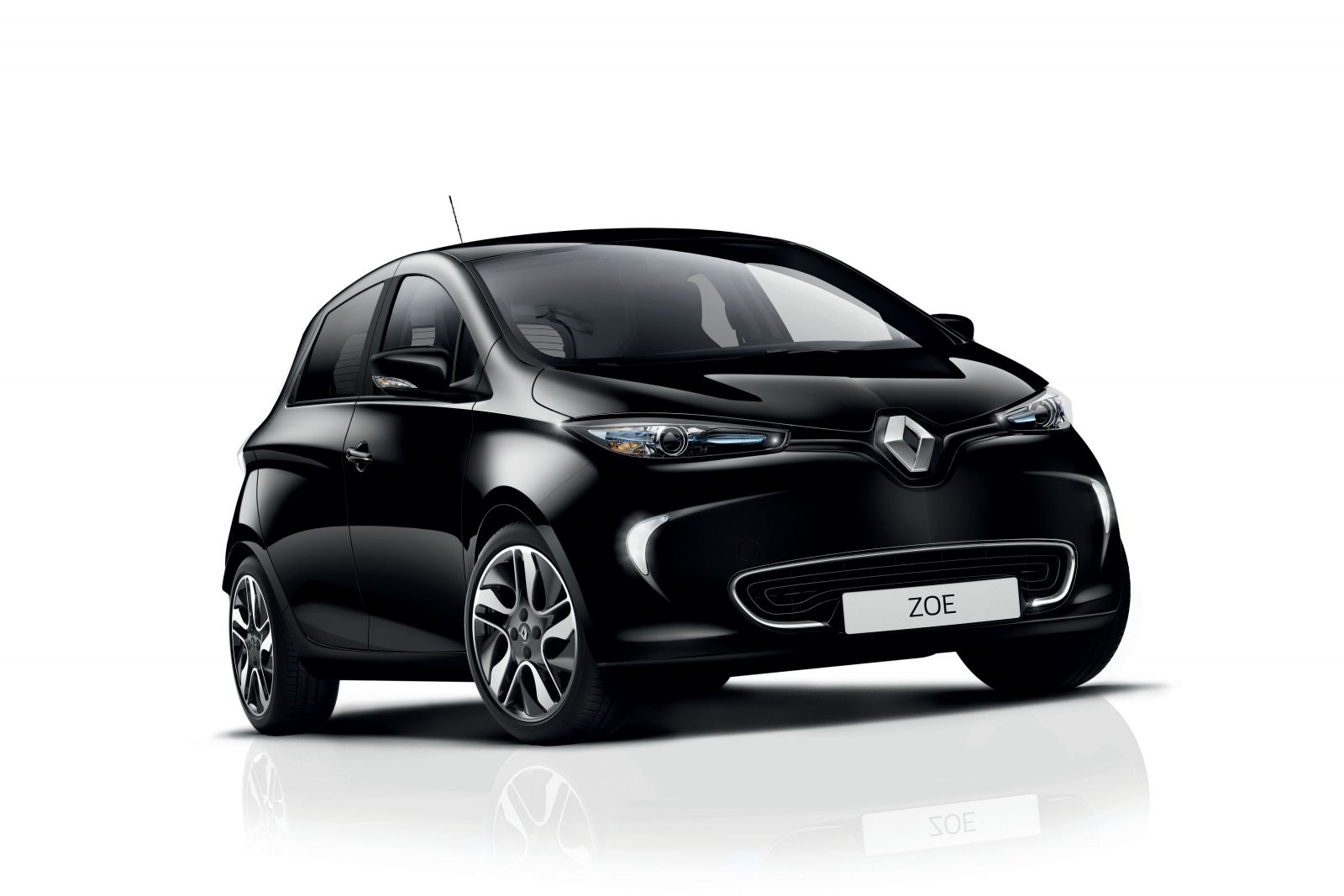
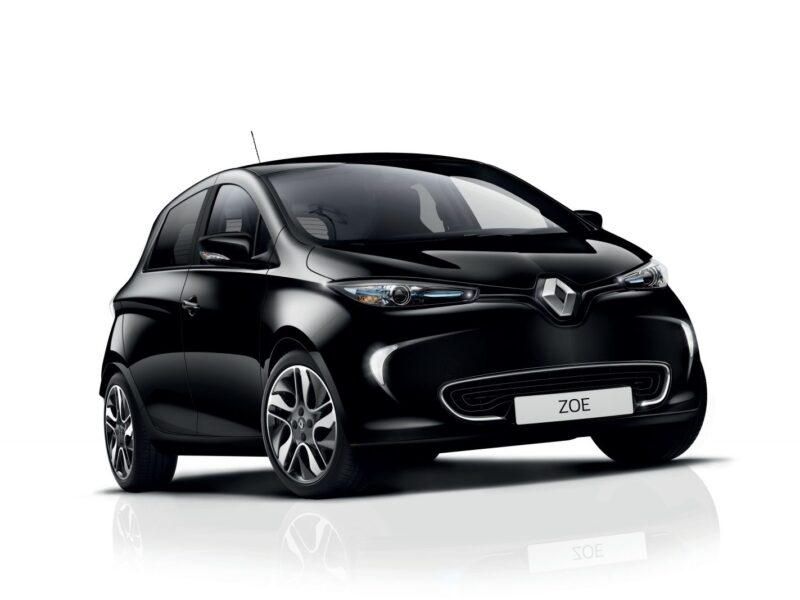
The software in the Renault Zoe is not always stable. Owners report that the infotainment system sometimes freezes, responds slowly or fails to start at all. Pairing with smartphones via Bluetooth or Android Auto can also cause problems. The navigation system is not always reliable and can display incorrect routes. A software update resolves many problems. Not all garages carry out these updates as standard. When your car is serviced, therefore, ask whether the software is up to date. Some Zoes display error messages on the dashboard even though there are no real faults. This can cause confusion and unnecessary trips to the garage. Resetting the system by switching the car off and waiting a few minutes sometimes helps. If the problem persists, it needs diagnosing at the garage. The touchscreen can also respond slowly or stop working altogether, which is annoying for operating the climate control and other functions.
Electric motor problems and drivetrain
The electric motor in the Renault Zoe is generally reliable. Even so, faults do sometimes occur. Some owners report loss of power or uneven acceleration. This may indicate a defect in the drive module. The electronics that control the motor can also play a role. A failed temperature sensor can cause the motor to enter limp mode to prevent overheating. The driveshaft can also show wear over time, causing knocking noises when accelerating or cornering. Regenerative braking, where the motor recovers energy when slowing down, does not always work equally effectively. This may be related to battery temperature or software problems. If you are unsure about how the motor or drivetrain is performing, it is sensible to have it checked. A fault in the drivetrain can lead to the car breaking down and expensive repairs.
‘ Braking firmly on a regular basis helps keep the brakes clean. ’
Brakes and suspension
The brakes on the Renault Zoe wear more slowly than on cars with a combustion engine, thanks to regenerative braking. Problems can still arise, however. Some owners report squeaking or grinding brakes, which may point to dirty brake discs or worn brake pads. Because the brakes are used less, they can rust or seize. This is particularly noticeable after a period of standing still. Braking firmly on a regular basis helps keep the brakes clean. The Zoe’s suspension is prone to wear of rubber components such as axle bearings and drop links. This can lead to knocking or rattling noises over bumps or in corners. Shock absorbers also lose effectiveness over time. This affects ride comfort. Checking the suspension during servicing is important to prevent larger repair jobs.
How can you prevent problems as an owner?
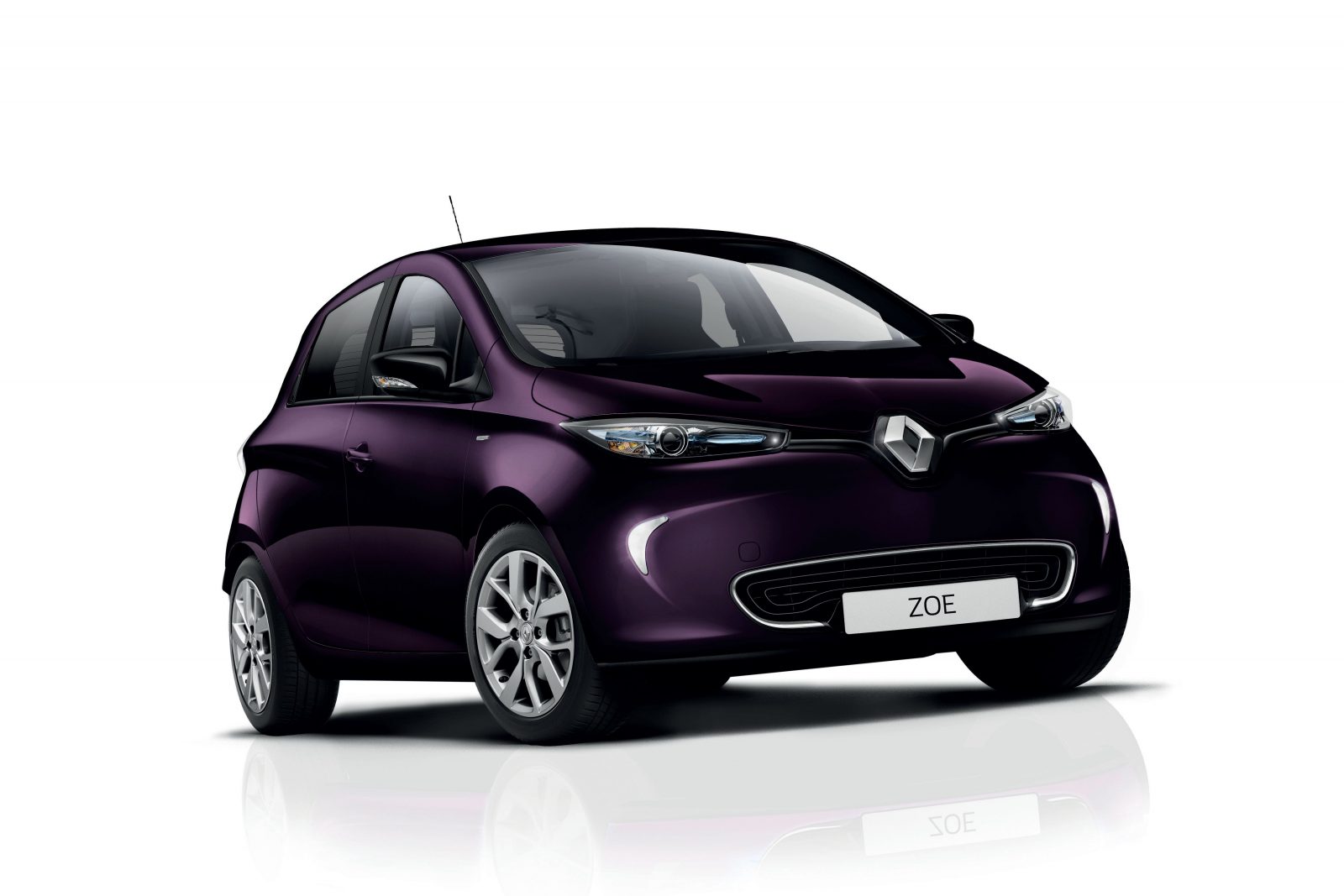
As a Renault Zoe owner, you can prevent many problems by driving consciously and not postponing maintenance. Do not always charge the battery all the way to 100 per cent. Also avoid letting it run completely flat on a regular basis. This extends the battery’s lifespan. Where possible, opt for home charging with a wall box rather than relying solely on rapid charging. Visit the garage regularly for software updates. Check the charging cable for wear. Replace it if there is any damage. Pay attention to warning lights on the dashboard. Have faults investigated immediately. Check tyre pressures regularly, as electric cars are heavier and tyres wear faster. Schedule annual maintenance, even if the Zoe appears to need little servicing. An expert will track down hidden problems before they turn into expensive repairs. Make use of the battery warranty if you notice the range dropping significantly.
What should you look out for with a used Renault Zoe?
Are you considering buying a used Renault Zoe? First have the battery health checked. This gives you insight into how much capacity the battery still has. A loss of more than 20 per cent is a bad sign. Ask for the service history. Check whether all services and software updates have been carried out. Look at the condition of the tyres, brakes and suspension. Test the infotainment system and check that all functions work. Take a test drive. Pay attention to unusual noises, vibrations or warning lights. Ask about the previous owner’s charging habits, as these have a major impact on battery condition. Was the car mainly charged at home or rapid-charged a lot? Rapid charging speeds up battery wear. Check the condition of the charging cable and make sure it is included. Ask whether the car has ever stood still for a long period. Long periods of inactivity are harmful to the battery and brakes. Check the mileage and compare it with the year of manufacture. Electric cars cover a lot of miles, but extremely high mileage suggests intensive use.
‘ The cramped rear bench and limited boot space are often mentioned as drawbacks. ’
Experiences of Zoe owners
Owners of the Renault Zoe are generally satisfied with the car thanks to its low cost per kilometre and quiet driving characteristics. Many owners say that the Zoe is perfect for daily commuting and shopping. The compact dimensions make city parking easy. There are, however, critical voices too. The cramped rear bench and limited boot space are often mentioned as drawbacks. Some owners report that range drops sharply in winter. This makes longer trips less comfortable. Users who are used to modern systems find the software frustrating. Positive feedback mainly focuses on cost savings and the driving experience. The instant torque of the electric motor ensures smooth acceleration and makes it a pleasant car to drive.
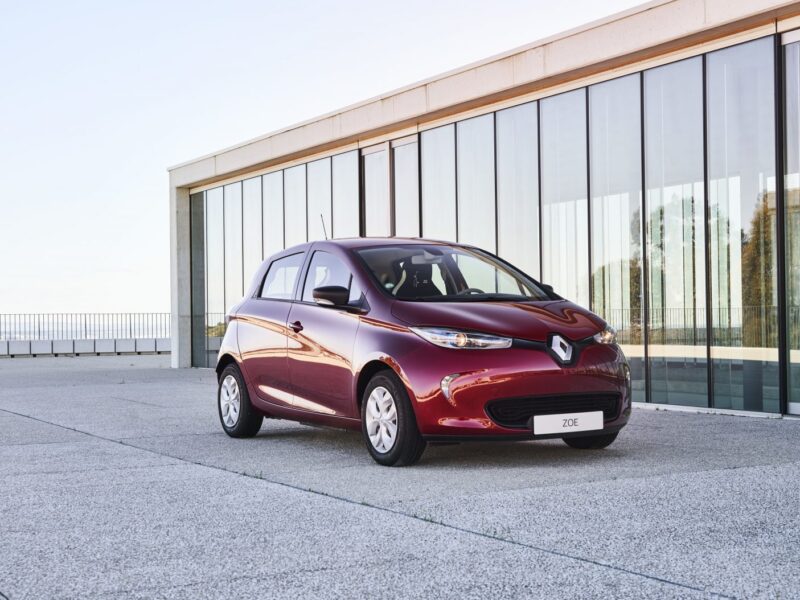
Ultimately: is the Renault Zoe a good choice?
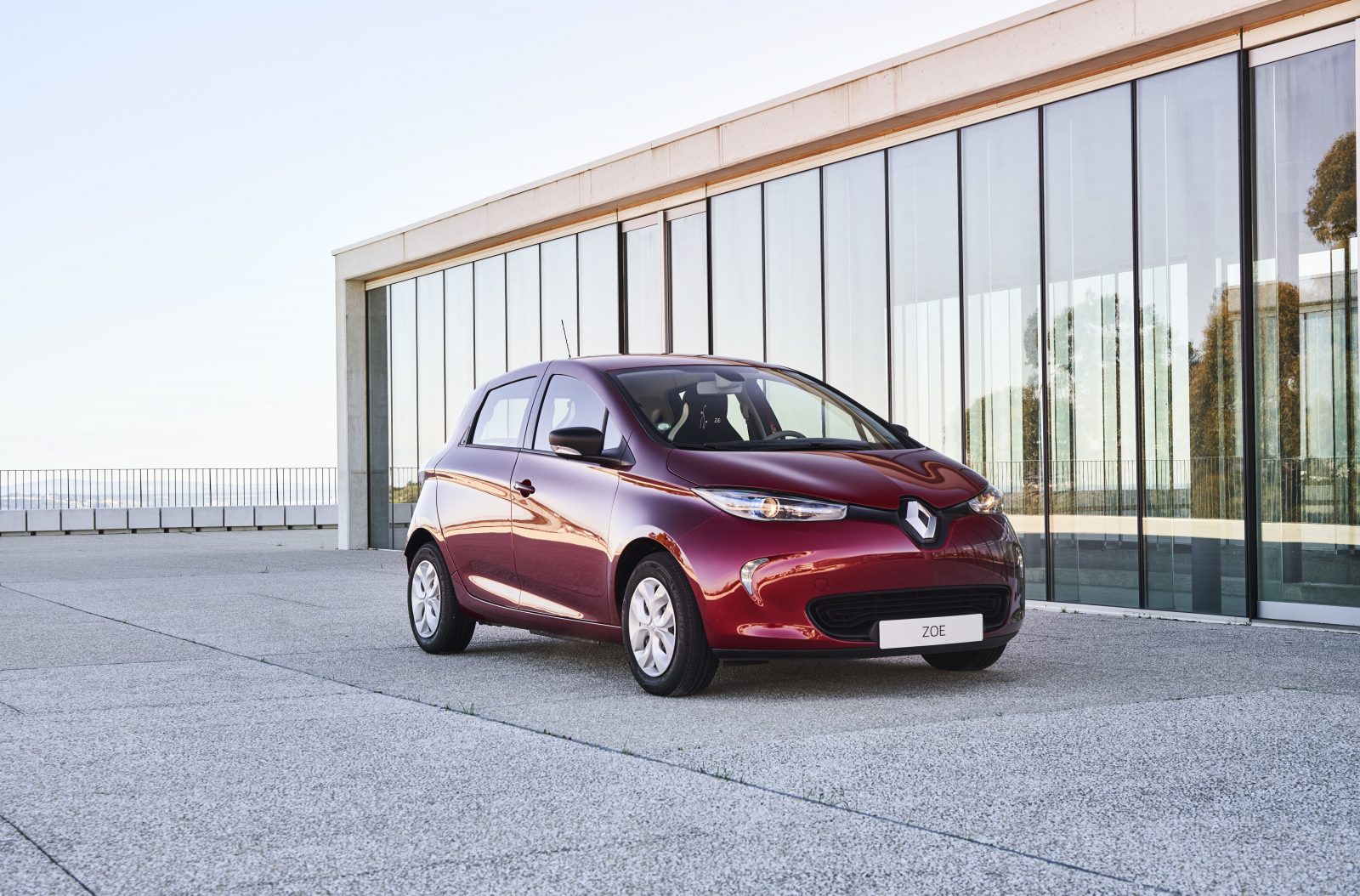
The Renault Zoe is an affordable electric car with enough range for everyday use. The car offers low running costs, limited maintenance and a pleasant driving experience. You do, however, need to take into account potential problems with the battery, software and electrical components. The Zoe turns out to be an attractive option for anyone who is prepared to accept these risks and have regular maintenance carried out. When buying second-hand, pay close attention to battery condition and service history. With the right care and attention, the Zoe can offer many years of enjoyable motoring without major surprises.