
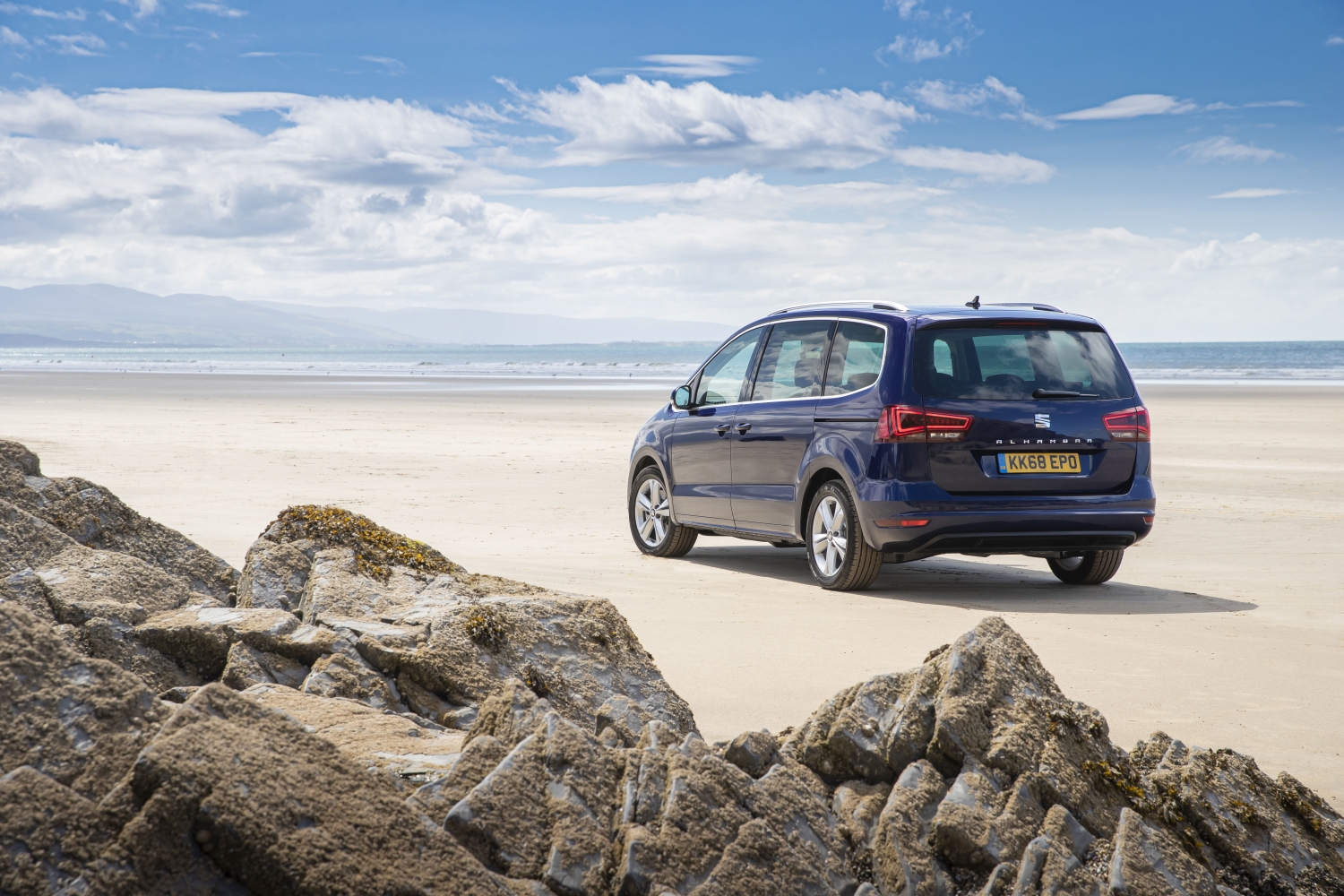
Seat Alhambra: common problems and buying advice
The Seat Alhambra is a spacious seven-seater that has served families for years with practical comfort and plenty of luggage space. This MPV shares its base with the Volkswagen Sharan and offers reliable performance at an attractive price point. However, even this family car has weak spots that owners and potential buyers need to keep a close eye on. Engine problems, electronic faults and wear to critical components can lead to expensive repairs. Do you want to know what you should look out for?
Why knowledge of problems saves you money
As an owner or buyer of a Seat Alhambra, you help yourself by knowing about common issues. You recognise warning signs earlier, prevent more serious damage and negotiate more effectively when buying. Many problems can be prevented with timely maintenance or spotted during a test drive. For owners of various Seat models, it is useful to gain broader knowledge about Seat car problems, so you can recognise patterns that affect several models. These insights help you make well‑considered decisions about maintenance and any repairs.
‘ This leads to serious engine damage. ’
Engine problems with TDI diesel and TSI petrol engines
The Alhambra is often supplied with the 2.0 TDI diesel engine (TDI = Turbocharged Direct Injection) that produces 184 bhp. This engine is known to be reliable, but it does have some well‑known issues. The diesel particulate filter (DPF, a soot filter in the exhaust system) can become blocked if the car is mainly used for short trips. This leads to loss of power, vibrations and warning lights on the dashboard. Regeneration of the filter normally happens during longer journeys at higher speeds, but if this regularly fails, the filter needs to be cleaned or replaced.
With TSI petrol engines (TSI = Turbocharged Stratified Injection), the problem of a stretching timing chain sometimes occurs. This happens mainly with heavy use or neglected maintenance. High mileage under heavy load accelerates wear. A stretching chain causes rattling noises when starting. It can also jump. This leads to serious engine damage. Replace the chain in good time, ideally around 120,000 kilometres with intensive use.
Other common engine issues:
- EGR valves (valves that route exhaust gases back into the engine) that become clogged and need cleaning or replacement
- Turbochargers that may show signs of wear after 200,000 kilometres
- Oil leaks on older examples, often around the rocker cover gaskets
- Faults in the mass air flow sensor that cause irregular engine behaviour


Transmission challenges with DSG and manual gearboxes
The Alhambra with DSG automatic gearbox (DSG = dual‑clutch automatic transmission) offers comfort. However, the seven‑speed DSG has some quirky behaviour. Some owners report juddering when changing gear, especially at low speeds or when pulling away. This may point to worn clutches or software problems. A software update sometimes resolves issues, but with severe wear the mechatronics unit or the clutches need to be replaced.
With manual versions, owners sometimes report heavy or imprecise gearchanges. This is often caused by worn clutch components or issues with the gear cables. During a test drive, check that gear changes are smooth and that the clutch does not slip when pulling away under load.
Watch out for these transmission warning signs:
- Jerks or hesitation when pulling away or changing speed
- Burning smell under heavy use, indicating clutch wear
- Difficulty engaging gears or grinding with manual gearboxes
- Transmission warning lights on the dashboard
Electronic systems and sensor faults
The Alhambra’s electronics prove to be vulnerable, especially on examples with higher mileage. Electronic systems and sensors are weak points. These deserve extra attention. Parking sensors regularly fail or give false alerts. Dirt, moisture or damage to the sensors can cause this. Clean the sensors regularly and check that they are firmly in place.
The electric window mechanism in the sliding doors also sometimes causes problems. The motor or switch can fail, meaning the windows no longer move. This is an expensive repair that can run to several hundred euros per door. When buying, check that all electric windows operate smoothly.
The infotainment system can sometimes freeze or show connection problems with smartphones. Software updates often help, but older systems can remain slow or unresponsive. The climate control in some examples has faults where the temperature control does not work properly or where strange noises come from the fans.
Other electronic vulnerabilities:
- Failure of the reversing camera due to water ingress or broken wiring
- Faults in the start‑stop function caused by weak batteries or sensor problems
- Problems with the central locking that sometimes does not respond
- Dashboard illumination that flickers or fails completely
‘ A car that bounces, feels unstable in corners or has uneven tyre wear points to worn shock absorbers. ’
Suspension and brakes: paying attention to wear
The Alhambra’s suspension is solidly built, but it does carry the weight of a large MPV that is often fully loaded. The rubber bushes in the wheel suspension wear over time. This shows up as knocking noises over bumps and vague or imprecise steering. Have a mechanic check the bushes during servicing.
The shock absorbers (components that absorb bumps from the road) can show signs of fatigue after 100,000 kilometres. A car that continues to bounce, feels unstable in corners or shows uneven tyre wear points to worn shock absorbers. Replacement is usually done per axle and costs several hundred euros including labour.
The braking system has a few points to watch. The handbrake can become less effective after years of use due to stretched cables. This is particularly annoying on hills and requires adjustment or replacement. Brake pads and discs wear more quickly because of the car’s weight, especially with intensive use when fully loaded or when towing.
Checklist for suspension and brakes:
- Unusual noises when braking that indicate worn pads
- Vibrations in the steering wheel when braking due to warped discs
- Uneven tyre wear as a sign of alignment problems
- Loose or damaged track rods that cause play in the steering
Bodywork and interior: spotting signs of use
The Alhambra’s bodywork is generally well protected against rust, but older examples can show corrosion around the wheel arches and underside. Check these areas carefully, especially if the car has been driven in regions where a lot of road salt is used. Small rust spots can be treated before they develop into major problems.
The sliding doors are practical but prone to malfunction. The rails and guides can become dirty or worn. This leads to noises when opening or closing, or even doors that do not lock properly. Clean the rails regularly and lubricate them with suitable grease.
The interior shows signs of use, particularly in family cars with high mileage. Seat upholstery wears more quickly because of children, pets and frequent use. Watch out for cracks in the leather or worn fabric on used examples. The third row of seats folds neatly into the floor, but the mechanism can become stiff. Test this thoroughly during a viewing.
Interior issues to look out for:
- Worn driver’s seat due to intensive use
- Broken cup holders or storage compartments that do not close properly
- Creaks from the dashboard or other plastic trim
- Worn carpet, especially around the door openings
Preventive maintenance and recognising warning signs in time
Preventive maintenance helps to avoid costly repairs. Follow the manufacturer’s service schedule and have critical components checked in good time. The timing belt or chain deserves special attention, as do the coolant and brake fluid (fluid that transfers pressure in the braking system), which must be replaced regularly.
Keep the diesel particulate filter healthy by regularly making longer journeys. This gives the system the opportunity to regenerate. If you mainly drive short distances, consider an additive that supports regeneration or a periodic professional cleaning. Replace air filters and oil filters according to the schedule to keep the engine running optimally.
Pay attention to warning lights on the dashboard and do not ignore them. Modern diagnostic equipment can read fault codes that indicate exactly where the problem lies. Early detection often prevents more serious damage. Regularly check fluid levels yourself and look under the car for leaks.
Practical maintenance tips:
- Replace engine oil every 15,000 kilometres or according to the manufacturer’s guidelines
- Check tyre pressures monthly for optimum performance
- Clean the sliding door rails every six months to prevent faults
- Have the brake fluid replaced every two years
- Regularly test the operation of parking sensors and cameras
‘ An inspection costing a hundred euros can save you thousands of euros in later repairs. ’
Buying a used Alhambra: turning points
When buying a used Seat Alhambra, a few targeted checks help you avoid disappointment. Always ask for the service book and check whether scheduled services have been carried out. Pay particular attention to evidence of timing belt or chain replacement and DSG servicing on automatics.
Take a thorough test drive that covers different situations: cold start, acceleration, motorway driving and slow manoeuvring. Listen for unusual noises and watch for warning lights. Test all electrical functions, including windows, seat adjustment, sliding doors and infotainment. Check that the third row of seats folds in and out of the floor smoothly.
Have the car inspected by an independent mechanic or inspection organisation before you buy. They can spot hidden defects that you may miss. An inspection costing a hundred euros can save you thousands of euros in later repairs. Check the Carfax (online vehicle history report) or a similar history report for information about damage and mileage.
Buying checklist:
- Check that the mileage matches the service history and tyre wear
- Thoroughly test the operation of the DSG automatic during the test drive
- Inspect the underside for rust and oil leaks
- Check that all seats work properly and show no defects
- Ask about known engine maintenance such as EGR valves and turbo
- Test the handbrake on a hill to check its effectiveness
Make a well‑considered choice for the Alhambra
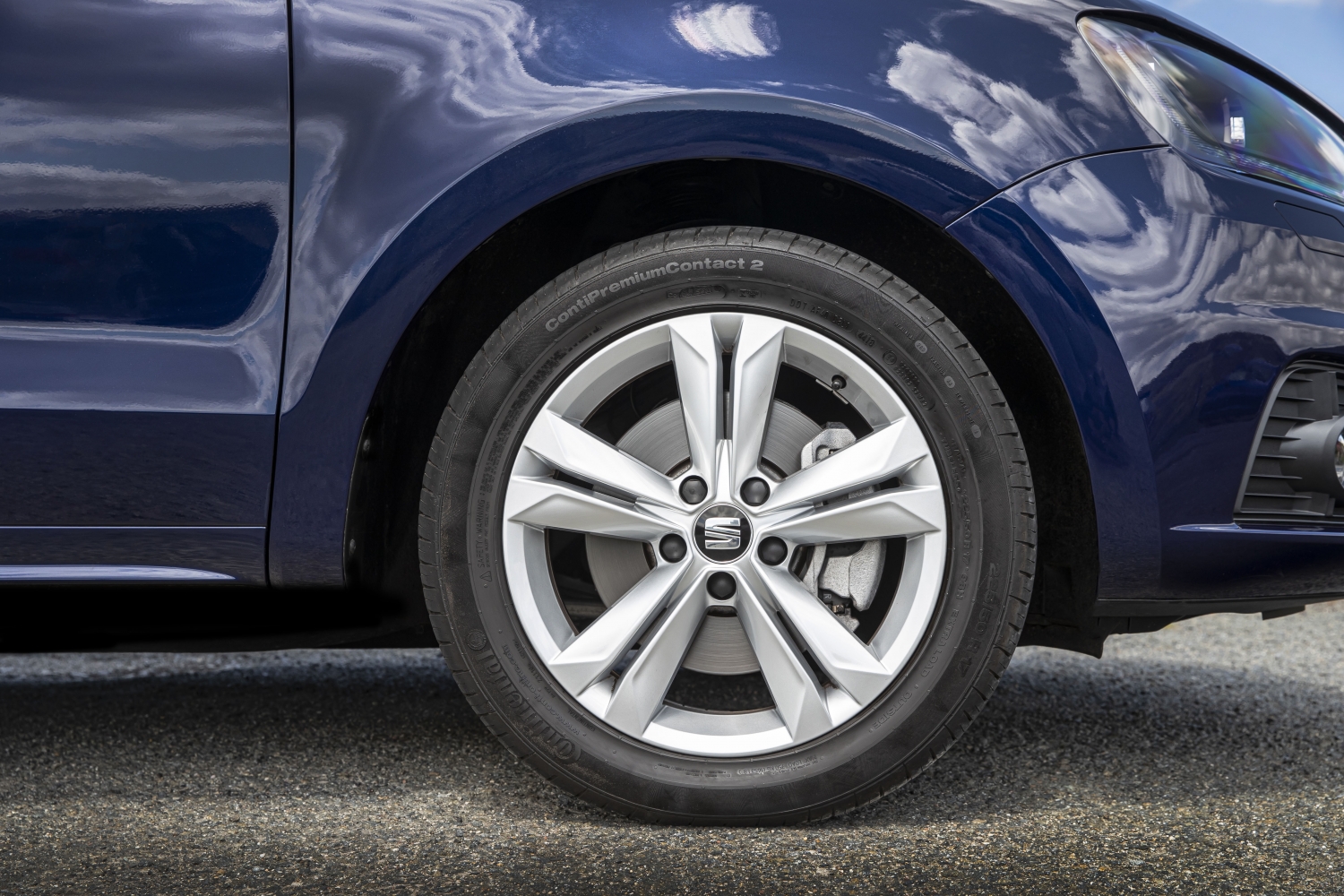
Do you want reliable motoring in a Seat Alhambra? Then, when buying, choose an example with a complete and verifiable service history. Have the car inspected before you buy and thoroughly test all functions during a test drive. Ask specifically about maintenance to the timing chain, DSG transmission and diesel particulate filter. As an owner, you keep the car healthy by following the service schedule closely, taking warning lights seriously straight away and regularly making longer journeys for DPF regeneration. Watch for early signs such as unusual noises, vibrations and electronic faults. Plan a thorough inspection with a trustworthy mechanic every year and replace wear‑and‑tear items such as brakes, shock absorbers and suspension bushes in good time. This attention prevents expensive repairs and keeps your family car reliably on the road.