
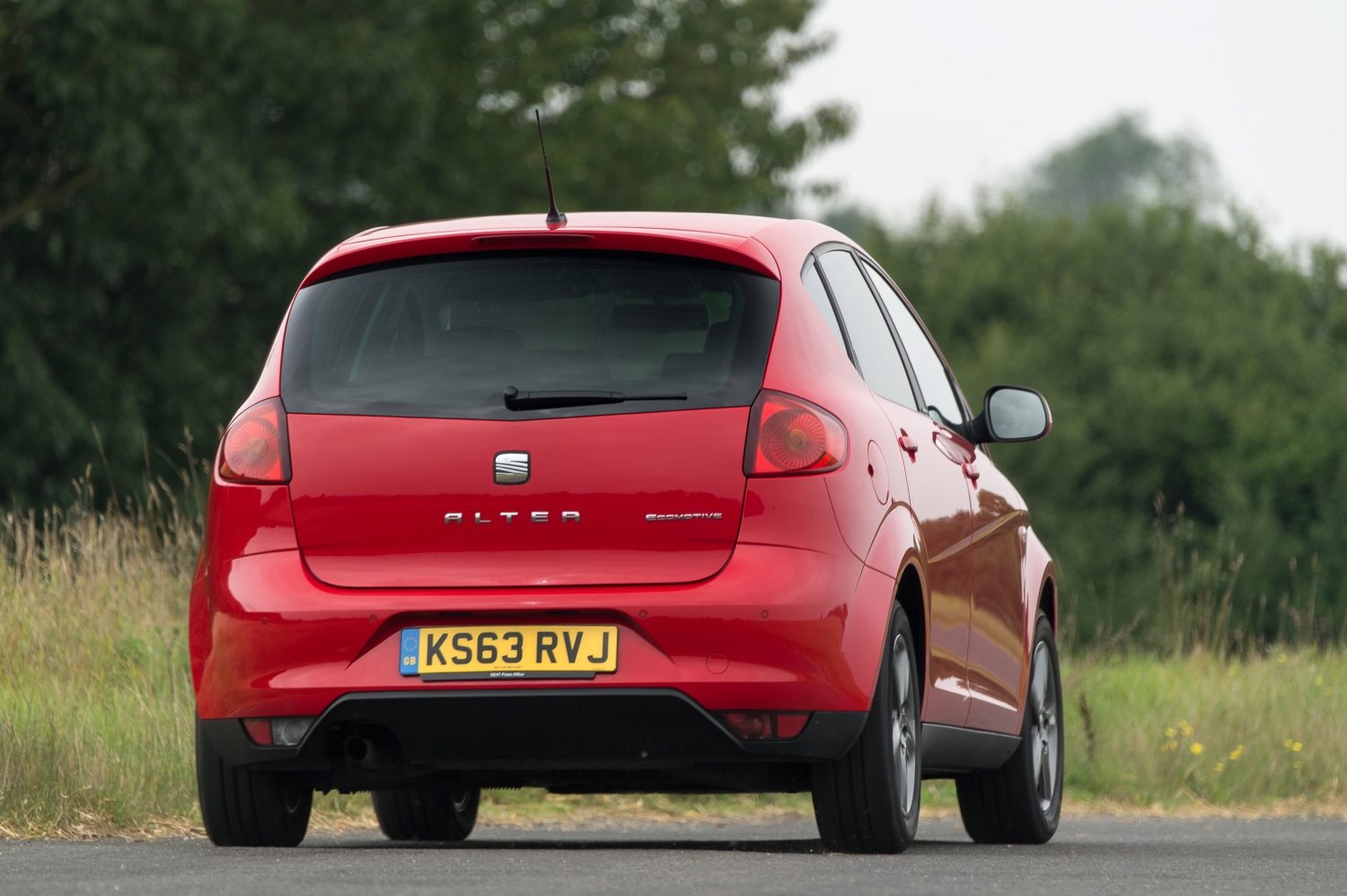
Seat Altea: practical family car with familiar weak spots
The Seat Altea is often praised as a sporty and practical MPV, but under the bonnet there are a number of common problems that every owner or buyer should be aware of. This compact family car, produced between 2004 and 2015, combines space and driving pleasure, but regularly suffers from technical issues that make ownership more expensive than expected. Anyone considering or already driving the Seat Altea would be wise to know exactly what this car is prone to.
The Seat Altea at a glance
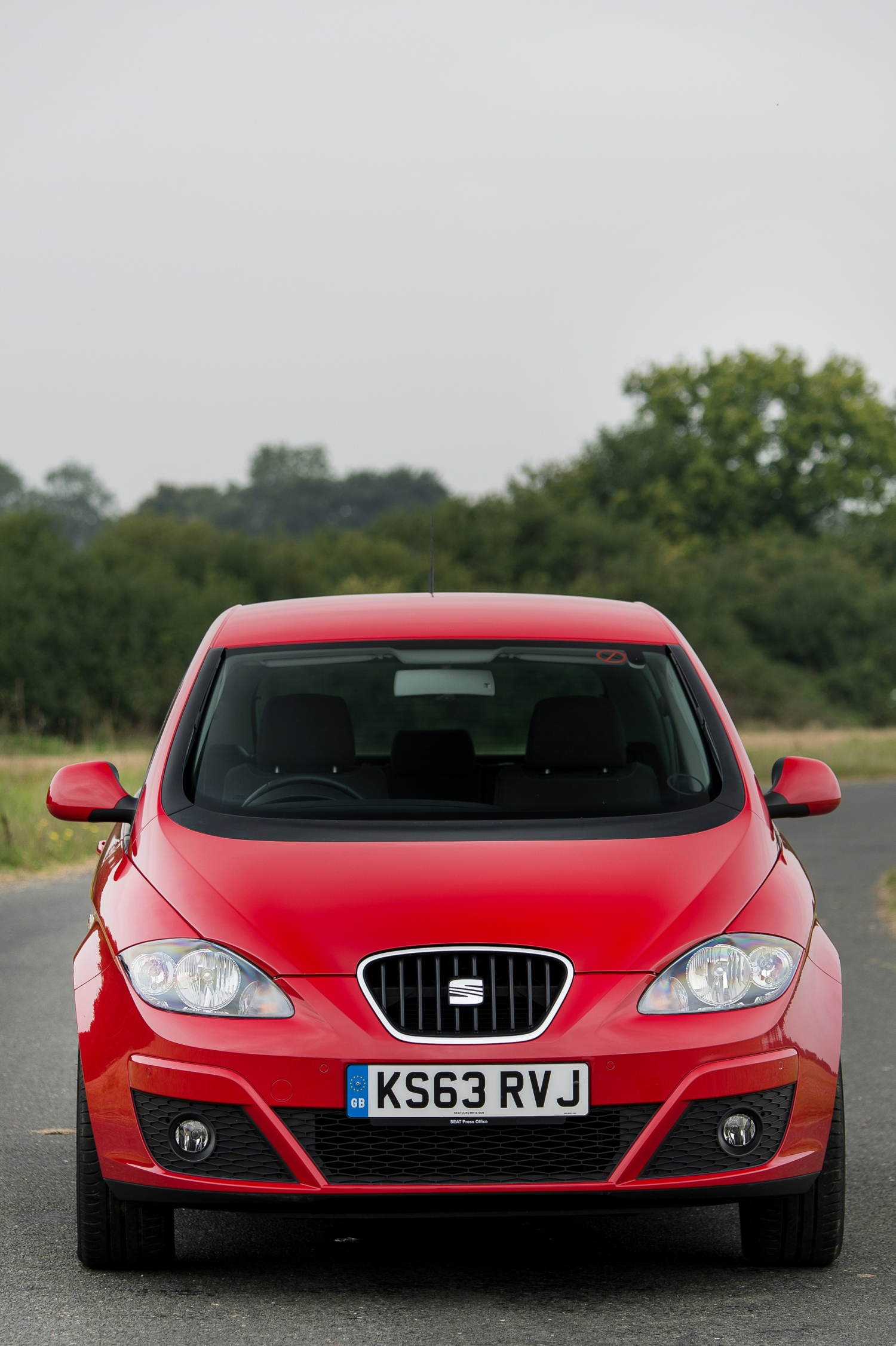
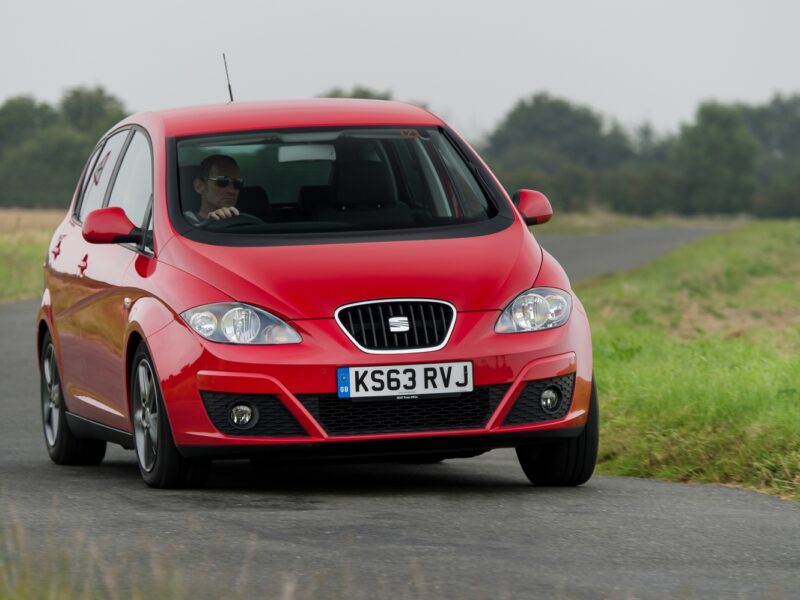
The Seat Altea appeared in 2004 as a compact MPV on the Volkswagen PQ35 platform. Walter de Silva’s design gave the car a sporty look that stands out among the often dull family cars. The Altea offered space for five people. The model came in three variants: standard, the extended XL and the Freetrack with four-wheel drive.
The car had a boot capacity of 532 litres and a wide range of engines. Seat aimed at families wanting to combine comfort and space. The car scored five stars in Euro NCAP tests and sold well, especially in Southern Europe. The 2009 facelift brought cosmetic updates and more efficient engines.
‘ If you want to avoid car problems with Seat, it’s important to know the weak points of this model well before you buy. ’
Why the Seat Altea became popular
The Altea’s popularity came from a clever combination of factors. The raised chassis offered better visibility than traditional hatchbacks, while the handling felt sportier than comparable MPVs such as the Ford C-Max. The choice of engines and trim levels was wide: from economical 1.6 TDI diesels to powerful 2.0 TDI variants with 170 hp in the FR version.
Practical details such as a sliding rear bench, clever storage compartments and a clear dashboard made everyday use comfortable. The price was competitive, especially on the used market. For those who want to avoid car problems with Seat, it is important to know the weak points of this model well before you buy.
Overall reliability and common issues
The reliability of the Seat Altea varies depending on engine type and model year. The 1.9 TDI is known to be particularly durable and regularly reaches mileages of over 300,000 kilometres. Other engines show a more mixed picture. The various systems also give differing results.
The DSG automatic gearbox, electronics and certain sensors regularly cause complaints from owners. Most issues are not immediately dangerous, but they do lead to high repair costs. This is especially true for cars without a complete service history.
Some faults are caused by simple wear and tear, others by electrical defects. Preventive maintenance and early recognition of symptoms make the difference between a reliable car and a financial pitfall.
Engine problems: specific points of attention
On the diesel engines, soot build-up in the EGR valve (a valve that routes exhaust gases back into the engine to reduce emissions) occurs regularly. This system recirculates exhaust gases to lower emissions and becomes clogged over time. Symptoms are a hesitant engine, increased fuel consumption and loss of power. Cleaning or replacing the EGR valve costs between €200 and €500.
The turbo fails on high-mileage models, especially when the oil has not been changed on time. You can recognise a failing turbo by whistling noises and noticeable loss of power. Replacement quickly costs €1,000 to €1,500. On petrol engines, particularly the TSI variants, coil pack problems occur that lead to vibrations and starting issues.
The timing belt must be replaced strictly according to the service schedule. On TDI engines this is usually every 120,000 kilometres or every six years. Ignoring this leads to serious engine damage with repair costs running into several thousand euros. When buying, always check when the belt was last replaced.
‘ Repair or replacement of the mechatronic unit costs between €1,500 and €3,000. ’
Transmission and clutch: weak spots in the drivetrain
The manual gearboxes are considered reasonably reliable, but the clutch wears out from around 100,000 kilometres with a lot of city driving. Symptoms include a slipping clutch when pulling away or difficulty engaging gears. Replacement including labour costs between €600 and €900.
The DSG automatic (Direct Shift Gearbox, an automatic dual-clutch transmission) needs more attention. This dual-clutch system has a sensitive control unit which sometimes fails. Complaints include jerky gear changes, vibrations when stationary and fault codes on the dashboard. Repair or replacement of the mechatronic unit costs between €1,500 and €3,000. Regular DSG oil changes every 60,000 kilometres help to postpone problems.
For cars with DSG I recommend taking a test drive before purchase in which you calmly test all gears. Watch for jerks at low speeds and when reversing. A well-maintained DSG gearbox runs smoothly with no noticeable shifts.
Electronics and sensors: the complexity under the bonnet
Electrical problems occur regularly on the Altea. Earth points corrode, leading to all sorts of odd symptoms such as flickering lights, failing windscreen wipers or problems with the central locking. Cleaning the earth points is simple and prevents a lot of nuisance.
The ABS sensors (anti-lock braking system) at the wheels are sensitive to dirt and moisture. A faulty sensor triggers a warning light on the dashboard and causes the ABS system to fail. Replacement costs about €100 to €150 per sensor. The lambda sensor also fails over time, which increases fuel consumption and causes the engine management light to come on.
The on-board computer sometimes gives false error messages. Always have codes read by a specialist before replacing expensive parts. Often it already helps to disconnect the battery briefly and reset the system.
Suspension and chassis: examining comfort and stability
The front wishbones and bushes wear from around 80,000 kilometres. Symptoms are knocking over bumps and less precise steering. Replacing wishbones costs between €200 and €350 per side, depending on the brand of parts.
The shock absorbers typically last between 100,000 and 150,000 kilometres. You can recognise worn dampers by a wobbly ride, longer braking distances and the car bouncing after a corner. Always replace shock absorbers per axle to maintain balance.
On the Freetrack version with four-wheel drive, the drive shafts and differential require extra maintenance. On these models, regularly check the differential oil level and listen for unusual noises from the drivetrain.
‘ This requires diagnosis by a specialist because the system is sensitive to electrical faults. ’
Brakes and steering: safety and wear
The brakes are generally good, but on high-mileage cars the brake discs need replacing after 60,000 to 80,000 kilometres. Vibrations when braking indicate warped discs. Replacing front discs and pads costs between €250 and €400, depending on disc diameter and version.
The power steering is usually electric or hydraulic, depending on model year and version. With electric power steering, faults lead to heavier steering or a warning light. This requires diagnosis by a specialist because the system is sensitive to electrical faults.
Rubber track rod ends and ball joints wear gradually. Play in the steering or a rattling noise when turning the wheel are signs that these parts need replacing. Have this checked annually during the MOT.
Interior and exterior: minor annoyances and wear
The Altea’s interior is reasonably solid, but some materials wear faster than expected. The seat upholstery becomes frayed after years of use, especially with intensive use. The buttons and switches also become shiny or start to stick.
The windscreen wiper mechanism sticks or slows down. Often it helps to lubricate the moving parts. Replace wiper blades in good time to prevent scratches on the windscreen. On the XL version, the tailgate suffers from sagging gas struts, causing the tailgate to no longer stay open. New struts cost about €50 each.
Rust is not a widespread problem, but on older cars you should still check the wheel arches and sills. Stone chips damage the paintwork and lead to rust spots if not repaired in time.
Recognising symptoms: signs of problems on the Seat Altea
Early recognition of problems saves money and prevents more serious damage. Watch out for the following warning signs:
- Engine management light comes on or stays on: have the fault codes read immediately.
- Unusual noises such as knocking, rattling or whistling: indicates mechanical problems
- Vibrations when stationary or while driving: clutch, engine or transmission issues
- Increased fuel consumption without an obvious reason: sensors, EGR valve or turbo
- Hard starting or a misfiring engine: coil packs, glow plugs or fuel pump
- Jerky gear changes: DSG problem or clutch
- Warning lights for ABS, ESP or airbag: electronics or sensors
Do not ignore these signals. A minor issue that is simple and cheap to fix often escalates into major damage if you wait too long.
‘ On DSG transmissions, changing the oil every 60,000 kilometres is mandatory, even if this is not always stated in the service book. ’
Maintenance and prevention: how to avoid or limit problems
Preventive maintenance is the best way to improve your Altea’s reliability. Follow the official service schedule strictly and preferably use original or high-quality aftermarket parts. Replace engine oil every 15,000 kilometres or yearly if you drive little. On TDI engines, high-quality oil with the correct specification is essential.
Have the EGR valve cleaned every 60,000 kilometres to prevent soot build-up. On DSG transmissions, changing the oil every 60,000 kilometres is mandatory, even if this is not always stated in the service book. Regularly check coolant, brake fluid and screenwash levels.
Always warm up the engine before accelerating hard, especially on turbodiesels. This protects the turbo and extends engine life. Avoid short trips where the engine does not reach operating temperature; this causes faster wear and soot build-up.
Keep all service receipts and invoices. This increases the car’s value when selling and provides insight into its history.
Checklist for a used Seat Altea
When buying a used Altea, the following checks are essential:
- Check the service history. Look for proof of timing belt replacement and regular servicing.
- Test the DSG automatic thoroughly: take a long test drive with acceleration and braking
- Listen to the engine: turbo noises, ticking or rumbling are warning signs
- Inspect the electronics: test all functions such as windows, lights, air conditioning and display
- Check for oil leaks: look under the engine and around the gearbox
- Check the MOT history for recurring defects
- Ask about known problems and repairs already carried out
- If in doubt, have a pre-purchase inspection carried out by a specialist
Be especially wary of cars without a complete service history or with suspiciously low prices. This may indicate hidden problems. Always ask for a test drive of at least 30 minutes in which you test all functions.
Facelift models from 2009 onwards often have improved electronics and engines. The 1.6 TDI and 1.9 TDI are the most reliable diesel variants. Avoid cars with very high mileage without proof of major maintenance.
The Seat Altea: worth considering?
The Seat Altea offers an appealing mix of space, driving pleasure and everyday practicality for a reasonable price on the used market. However, the car has clear weak points that you should not ignore. The DSG transmission, electronics and specific engine problems can lead to hefty repair bills.
For those willing to carry out regular maintenance and to deal proactively with the known weak spots, the Altea is a reliable family car. Ideally choose a car with a manual gearbox and a proven TDI engine. Always check the service history and take your time for a thorough inspection.
The Altea is suitable for families looking for a practical car with a bit more character than the average MPV. Do factor in higher maintenance costs than with some Japanese rivals, especially where maintenance has been neglected. With the right precautions, the Seat Altea will provide years of driving pleasure, but anyone who is not technically minded or wants a car with minimal maintenance would be wise to consider alternatives.