
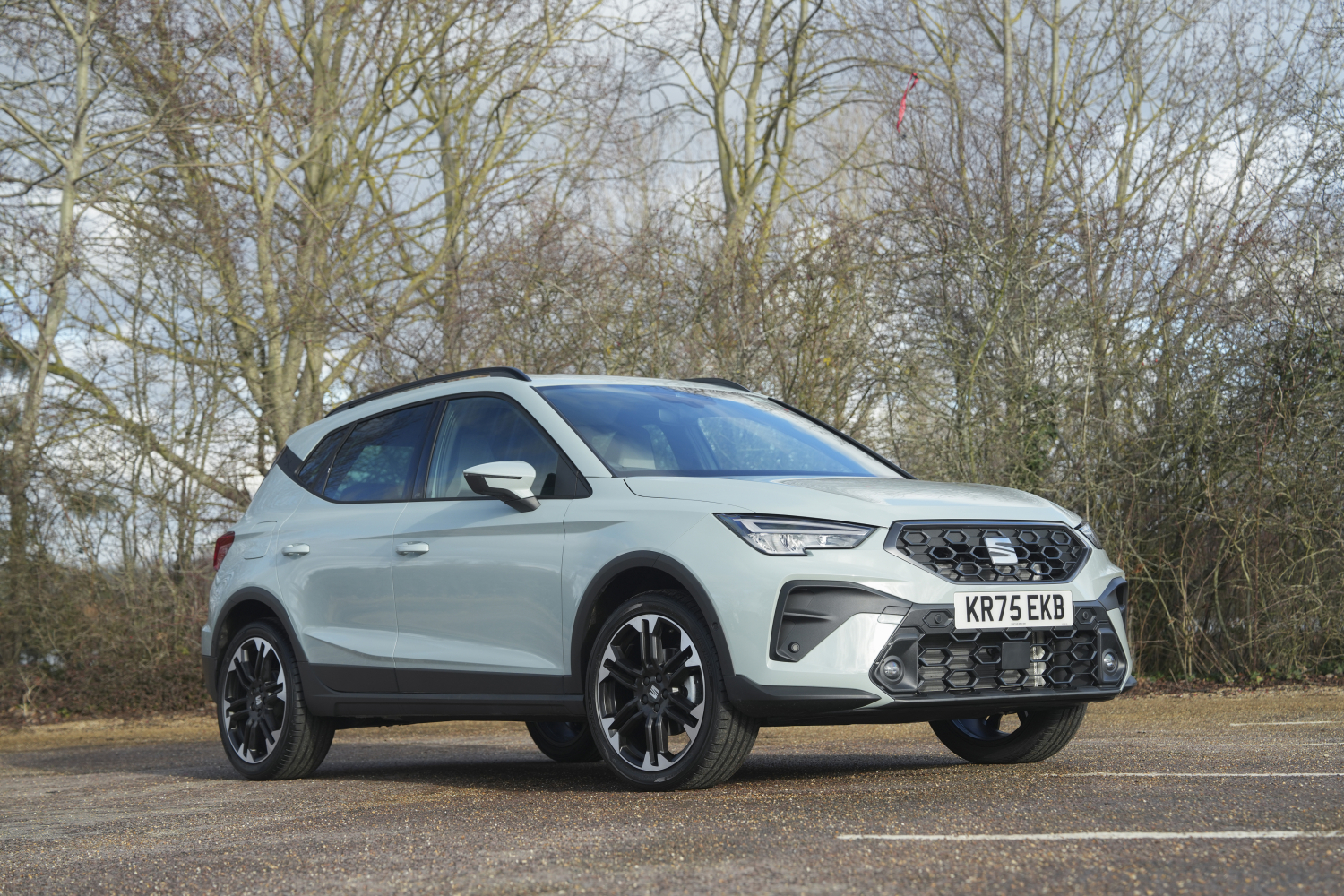
Seat Arona: common problems and what you need to know about them
The Seat Arona is a popular compact SUV that has been rolling out of showrooms since 2017, but even a solid car on the MQB A0 platform has its vulnerabilities. From electronic faults to specific engine issues: owners regularly report the same complaints you can expect with this compact crossover. This article highlights the most common technical problems, so that as an owner or buyer you are well informed about what might be going on.
Why the Seat Arona is attractive to many motorists
The Arona combines compact dimensions with a raised seating position and sufficient boot space. With a length of around 4,154 mm it fits well in urban environments, while the 400-litre boot makes it practical for weekend trips. The choice of 1.0 TSI petrol engines with 95 hp or 115 hp, and a stronger 1.5 TSI with 148 hp, offers variety for different driving styles. The Arona shares many components with the Volkswagen T-Cross and Skoda Kamiq, which makes parts availability and maintenance easier.
However, this shared platform also brings certain teething problems with it. Some problems with Seat models recur in several model ranges, because they have their roots in shared technology. That makes it all the more important to know what you need to watch out for.
‘ The car isn’t unreliable, but it does have recurring points of attention you’d rather see less often. ’
Putting the reliability of the Seat Arona into perspective
In reliability surveys, the Arona generally scores average to just about adequate. Owners appreciate the practical layout and driving behaviour, but also regularly report faults in the electronics and specific engine problems. The car isn’t unreliable, but it does have recurring points of attention you’d rather see less often. In particular, models from the first production years (2017–2019) show more complaints than later examples, where Seat has implemented a number of improvements.
The question is not whether the Arona is reliable. The question is which problems you can expect. How do you deal with them?
Engine problems that crop up more often in the Seat Arona
The 1.0 TSI three-cylinder engine attracts complaints about oil consumption, especially in examples built between 2017 and 2019. Owners notice that the oil level drops faster than expected, which can lead to engine damage if it is not checked regularly. This issue is often caused by wear on the piston rings, a known weakness of this engine variant.
In addition, owners of the 1.5 TSI occasionally report problems with the cylinder deactivation system (cylinder shut-off for lower fuel consumption). This system switches off two cylinders under light throttle to save fuel, but in some cars it can shift roughly or cause vibrations. In more serious cases, faults occur that can only be resolved with a software update or replacement of components.
Turbo problems fortunately occur less often, but they are not unknown. Symptoms include loss of power, ticking noises or smoke from the exhaust. Regularly check the oil level and let the engine warm up before accelerating hard to protect the turbo.
Transmission and clutch: what should you look out for?
The manual gearbox in the Arona is generally reliable, but the clutch can show signs of wear after 80,000 to 120,000 kilometres with intensive city use. Symptoms include a slipping clutch when pulling away or difficulty engaging gears. This is normal maintenance, but always check how the clutch feels on used examples.
The 7-speed DSG automatic has its own quirks. Owners sometimes report jerky shifting at low speeds or hesitant transitions between gears. This can indicate worn clutch plates or contaminated transmission fluid. Regular replacement of the DSG oil (every 60,000 kilometres) helps to prevent problems. If complaints are ignored, a complete DSG overhaul may be needed, which is expensive.
‘ Software updates at the dealer often solve this temporarily, but the problem can return. ’
Electronic faults that are regularly reported
The Arona’s infotainment system regularly freezes or responds slowly, especially in older models with the 8-inch screen. The screen can restart spontaneously or fail to connect to Apple CarPlay or Android Auto. Software updates at the dealer often solve this temporarily, but the problem can return.
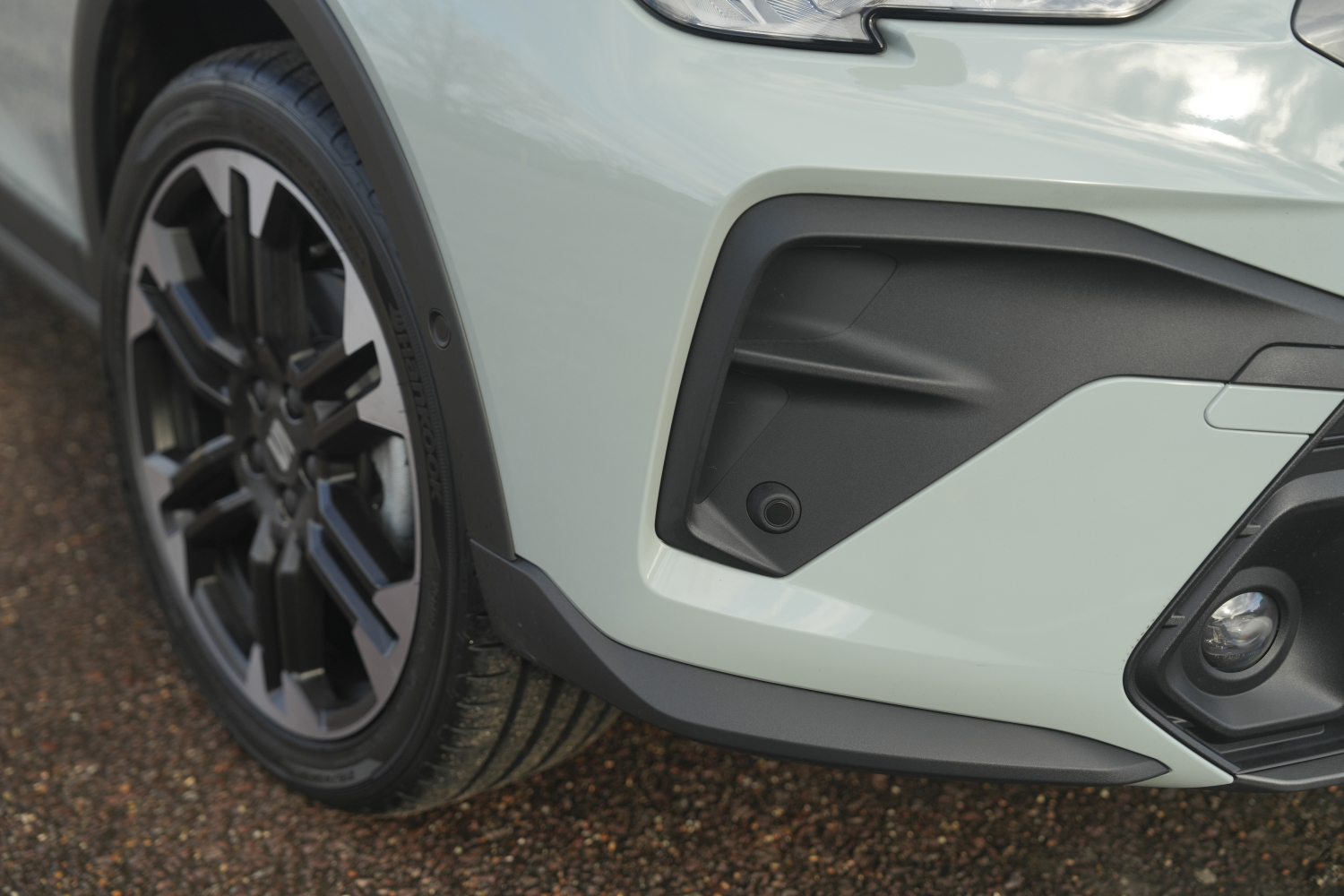
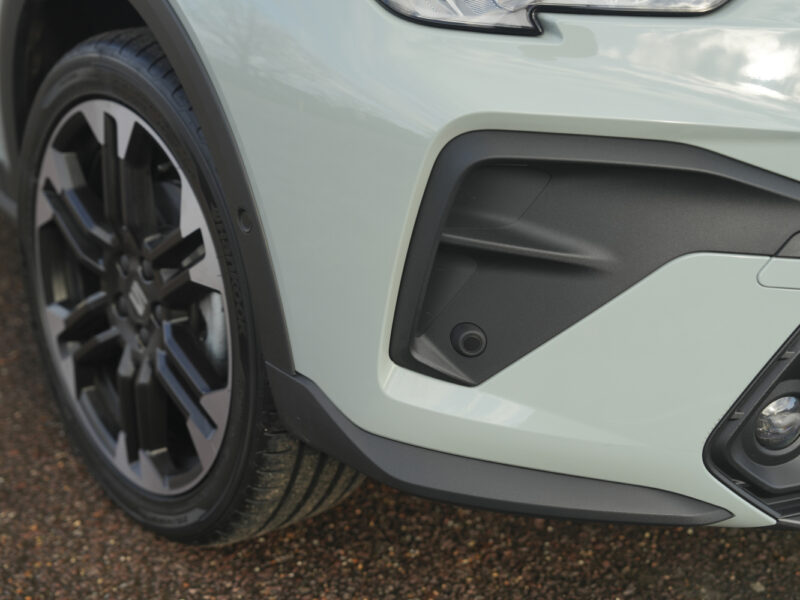
Sensors also sometimes give false warnings. Parking and rain-light sensors can fail or become dirty, making them unreliable. Regularly clean the sensors on the bumpers and check that the software is up to date. In some cases a sensor has to be replaced.
Electric windows can stutter or even stop working altogether. This is more common on the driver’s side and is caused by a faulty window mechanism or switch. During a test drive, check that all windows operate smoothly.
Known problems with the dashboard display
The digital instrument cluster can sometimes fail or display error messages that do not match the car’s actual condition. This often points to a software issue or a faulty sensor. Have this checked at a garage, as persistent error messages can indicate deeper electrical problems.


Chassis and suspension: rattling noises and wear
Owners regularly hear rattling noises from the chassis. This happens especially when driving over bumps or poor road surfaces.
The cause is often worn anti-roll bar links or bushes in the suspension. This is not an immediate danger, but in the long run it can lead to uneven tyre wear and less comfortable handling.
Shock absorbers can show signs of wear after 60,000 to 80,000 kilometres, especially on cars that are frequently driven on poor roads. Check whether the car remains stable when cornering and whether any oil leaks are visible on the shock absorbers themselves.
Control arms can develop play on older examples. The wheel suspension then shows the same phenomenon. You will notice this through vague steering or clicking noises when turning the steering wheel. Have this checked during the MOT and replace worn parts in good time.
Brakes and tyres: recognising wear patterns
The front brake discs can rust or corrode more quickly with a lot of city driving, especially if the car regularly stands still. This results in juddering brakes or squeaking noises. Check the thickness of the discs during services and replace them if necessary.
Tyres on the Arona often wear unevenly if the wheel alignment is not correct. This can occur after a hard knock against a kerb or pothole. Have the tracking checked if you notice the car pulling to one side or if the tyres wear faster on the inside than on the outside.
The recommended tyre pressure is around 2.2 bar for normal load. Keep an eye on this regularly, as pressure that is too low increases fuel consumption and wear.
‘ This is usually not technically dangerous, but it can be annoying. ’
Interior and small annoyances that stand out
Creaks and rattling noises in the interior occur more often than you might like. Owners report that the dashboard or door trim makes noises when driving over bumps. This is usually not technically dangerous, but it can be irritating. The cause is often loose clips or poorly insulated panels.
The Arona’s paint quality receives mixed reactions. Some colours, especially darker shades, show stone chips or scratches more quickly. Protect the paint by waxing regularly and consider protective film on vulnerable areas such as the bonnet.
Water leaks occur occasionally, especially around the door seals or the panoramic roof. After a car wash or heavy rain, check whether any damp patches are visible in the interior. Replace worn seals in good time to prevent moisture problems.
Recalls and known factory defects
Seat has carried out several recalls for the Arona. One well-known campaign concerned the front seatbelts, where the belt could come loose due to a manufacturing defect. Owners were invited to have this checked and repaired free of charge.
Another campaign focused on the braking system in certain examples from 2018. Due to a software error, the brake assist could in exceptional cases react with a delay. A software update resolved this.
Always check with the dealer whether there are any outstanding recalls for your car. This is done free of charge and prevents potential safety issues.
Maintenance tips to stay ahead of problems
Regular maintenance is the best way to prevent problems with the Arona. Follow the maintenance schedule prescribed by Seat and have the car checked annually or every 15,000 kilometres. Between services, check the oil level yourself, especially on the 1.0 TSI engine.
Replace the DSG oil every 60,000 kilometres, even if this is not always explicitly stated in the service book. This significantly extends the life of the gearbox. Always use the fluids and parts specified by Seat to avoid compatibility issues.
Keep sensors and camera systems clean. Dirt on parking or rain-light sensors leads to false warnings and faults in assistance systems. Regularly clean the bumpers, windscreen and rear window where these sensors are located.
Have software updates carried out at the dealer. Seat regularly releases improvements for infotainment, engine management and safety systems. These updates are often free during a service.
‘ Have this done before you buy the car so you don’t end up with unexpected problems. ’
Buying a used Seat Arona: what to check
Start by checking the service book. A complete and stamped service history inspires confidence. Pay particular attention to timely oil changes and any repairs to the engine or transmission.
Test the DSG automatic thoroughly during a test drive. Shift through all gears, both forwards and in reverse, and watch out for jolts or hesitant gear changes. Drive both in town and on the motorway to assess its behaviour at different speeds.
Check the engine oil level. Look under the car for oil leaks. An oily patch under the engine can point to leaking gaskets or a faulty turbo. Ask the seller about oil consumption and how often it has been topped up between services.
Test all the electronics. Try the infotainment system, air conditioning, electric windows, mirrors and seat adjustment. Check that all sensors and cameras work properly and that there are no warning lights on the dashboard.
Inspect the chassis for rust and damage. Look at the shock absorbers, control arms and anti-roll bar links. Play or oil leaks are signs that parts will soon need replacing.
Ask whether outstanding recalls have been carried out. The dealer can check this using the registration number. Have this done before you buy the car so you don’t end up with unexpected problems.

The Seat Arona in balance: practical with a few points to watch
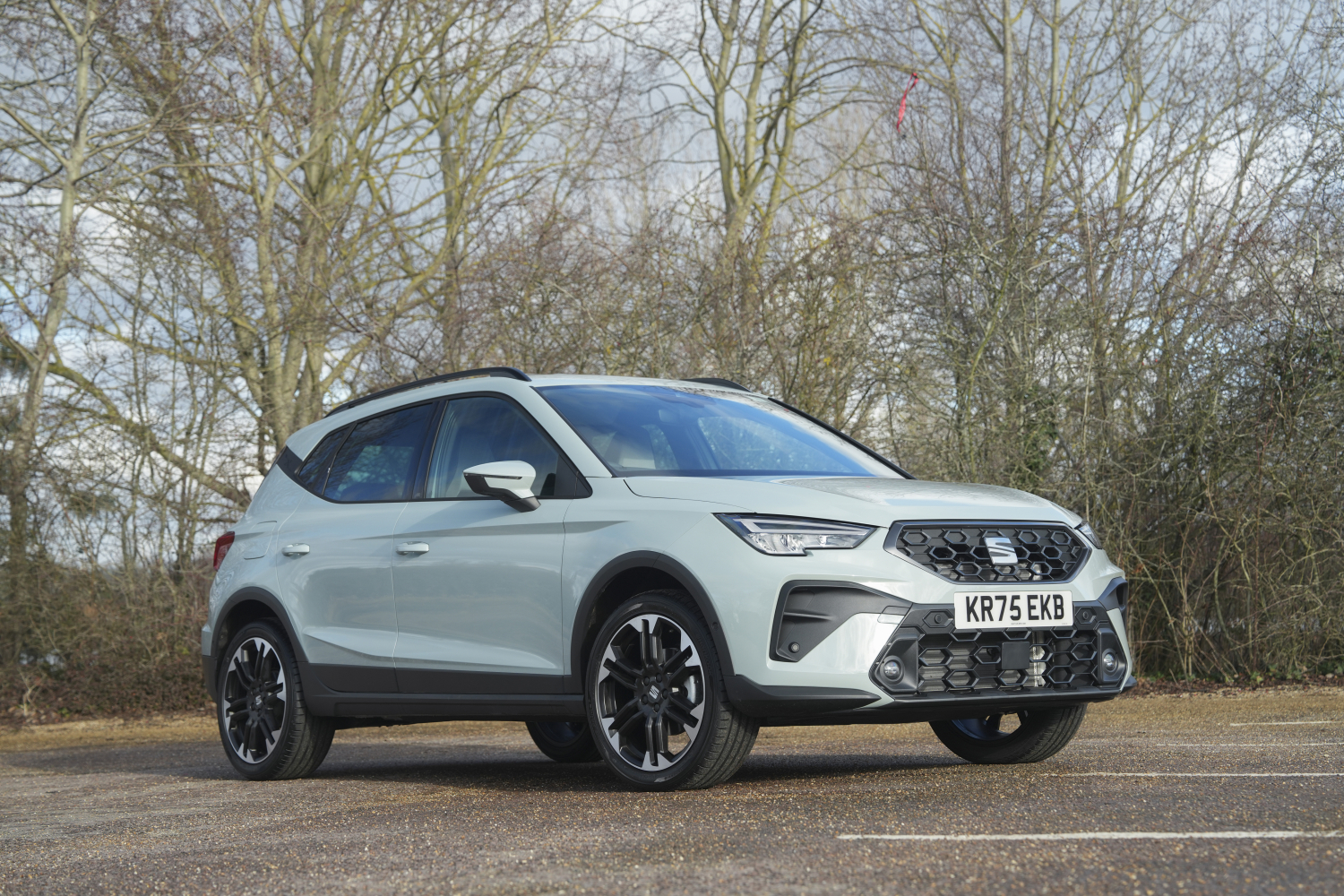
The Seat Arona offers practical space, modern technology and pleasant driving characteristics for a reasonable price. At the same time, it has specific problems that crop up regularly, especially with the engine, transmission and electronics. With conscious maintenance and timely checks, these problems are largely manageable.
As a buyer of a used example, it is sensible to be critical of the condition of the DSG, the oil consumption and the functioning of all electronics. Owners who maintain the Arona well and act promptly when issues arise can drive for years without major problems. The car is not perfect, but with the right knowledge and attention it is a reliable companion for everyday use.