

Seat Ateca: common problems and what you need to know
The Seat Ateca is a popular compact SUV that has been on European roads since 2016, but even this versatile model has specific weak spots that owners have to deal with. From engine issues to electronic faults: the Ateca has its shortcomings, especially with certain model years and engine variants. Want to know what you should look out for as an owner or potential buyer?
A popular SUV with strengths and weaknesses
The Seat Ateca combines practicality with driving pleasure and modern technology. This Spanish model, built on the same platform as the Volkswagen Tiguan and Skoda Karoq, offers a lot of value for money with generous standard equipment and pleasant road holding. However, owners regularly report problems, especially with specific engine variants and electronic systems.
Reliability varies by model year and specification. Early models from 2016–2018 suffer more often from teething troubles, while later versions benefit from improvements. For a complete overview of known vulnerabilities for this brand, visit Seat car problems.
‘ “This system can develop faults over time, leading to irregular engine behaviour and warning lights on the dashboard.” ’
Engine problems that occur regularly
The Ateca is available with various engines, each with its own points to watch. The 1.5 TSI petrol engine has a specific issue with the Active Cylinder Technology (ACT), where cylinders are deactivated to save fuel. This system can develop faults over time, leading to irregular engine behaviour and warning lights on the dashboard.
Symptoms of ACT problems are:
- Vibrations at low revs
- Jerky engine running during acceleration
- Engine warning light staying on
- Increased fuel consumption despite the economy function
With the 2.0 TDI diesel engine you mainly see problems with the EGR valve system and the diesel particulate filter. Owners of diesel variants report blockages of the EGR valve (exhaust gas recirculation valve), which can cause the engine to go into limp mode. This occurs more often with cars that are mainly used for short trips. The engine then does not reach full operating temperature.
The 1.0 TSI three-cylinder engine sometimes shows oil burning issues. This engine is popular because of its low consumption. Some owners report higher oil consumption than normal. This can lead to wear. Therefore, check the oil level regularly, especially on models built before 2019.
DSG gearbox and manual transmissions
The 7-speed DSG automatic in the Ateca is generally reliable. The system does have some known vulnerabilities. At higher mileages, you may notice juddering during gear changes. This mainly happens at low speeds in the first three gears. It often indicates wear of the dual clutch.
Symptoms of DSG problems:
- Jerky gear changes when pulling away
- Delayed response during kickdown
- Burning smell after intensive use
- Warning messages about transmission temperature
The 6-speed manual gearbox causes problems less often. Owners sometimes report grinding noises when shifting into second or third gear. This may point to worn synchroniser rings, particularly on models that have done a lot of city driving.
Preventive maintenance on the DSG gearbox is important. Have the transmission oil changed according to the manufacturer’s service schedule, even if it is sometimes indicated as ‘filled for life’. In practice, an oil change at around 60,000 kilometres significantly extends its lifespan.
Electronic faults and infotainment system
Modern cars contain a lot of electronics, and the Ateca is no exception. The touchscreen infotainment system regularly shows software problems, especially on models from 2017–2019. Owners report freezing, slow responses and Apple CarPlay or Android Auto cutting out unexpectedly.
Common electronic problems are:
- Touchscreen not responding to touch
- Bluetooth connection frequently dropping out
- Navigation system freezing or loading slowly
- Radio resetting itself while driving
These faults are often resolved with a software update at the dealer. Seat has released multiple updates that improve the stability of the system. Suffering from these problems? First have it checked whether your car has the latest software version before you consider expensive repairs.
Sensor faults occur regularly in the parking sensors and the automatic emergency braking function. Dirt, snow or ice build-up on the sensors can cause false warnings. Keep the sensors clean, especially in winter, to prevent unnecessary error messages.
‘ The rear shock absorbers can start leaking after around 80,000 kilometres, resulting in an uncomfortable ride and poorer handling. ’
Suspension, steering and braking system
The Ateca’s suspension is known for being solid and comfortable, but there are points to watch here too. The rear shock absorbers can start leaking after around 80,000 kilometres, resulting in an uncomfortable ride and poorer handling. This issue occurs more often with Atecas on larger wheels (19 inch), which are subjected to more load.
Watch out for these signs of suspension problems:
- Knocking or banging noises over speed bumps
- Car continuing to bounce after a bump
- Uneven tyre wear
- Oil stains near the shock absorbers
The steering system rarely causes major problems. Some owners report a slight creaking noise when the steering wheel is turned to full lock. This is usually due to wear of the track rod ends or drive shaft joints. Have this checked during the MOT test or at routine servicing.
The braking system generally performs well, but early models sometimes suffered from front brake discs wearing too quickly. This is not a safety issue, but it can lead to higher maintenance costs. Seat addressed this in later production runs with improved brake discs.
Interior and finish: minor annoyances
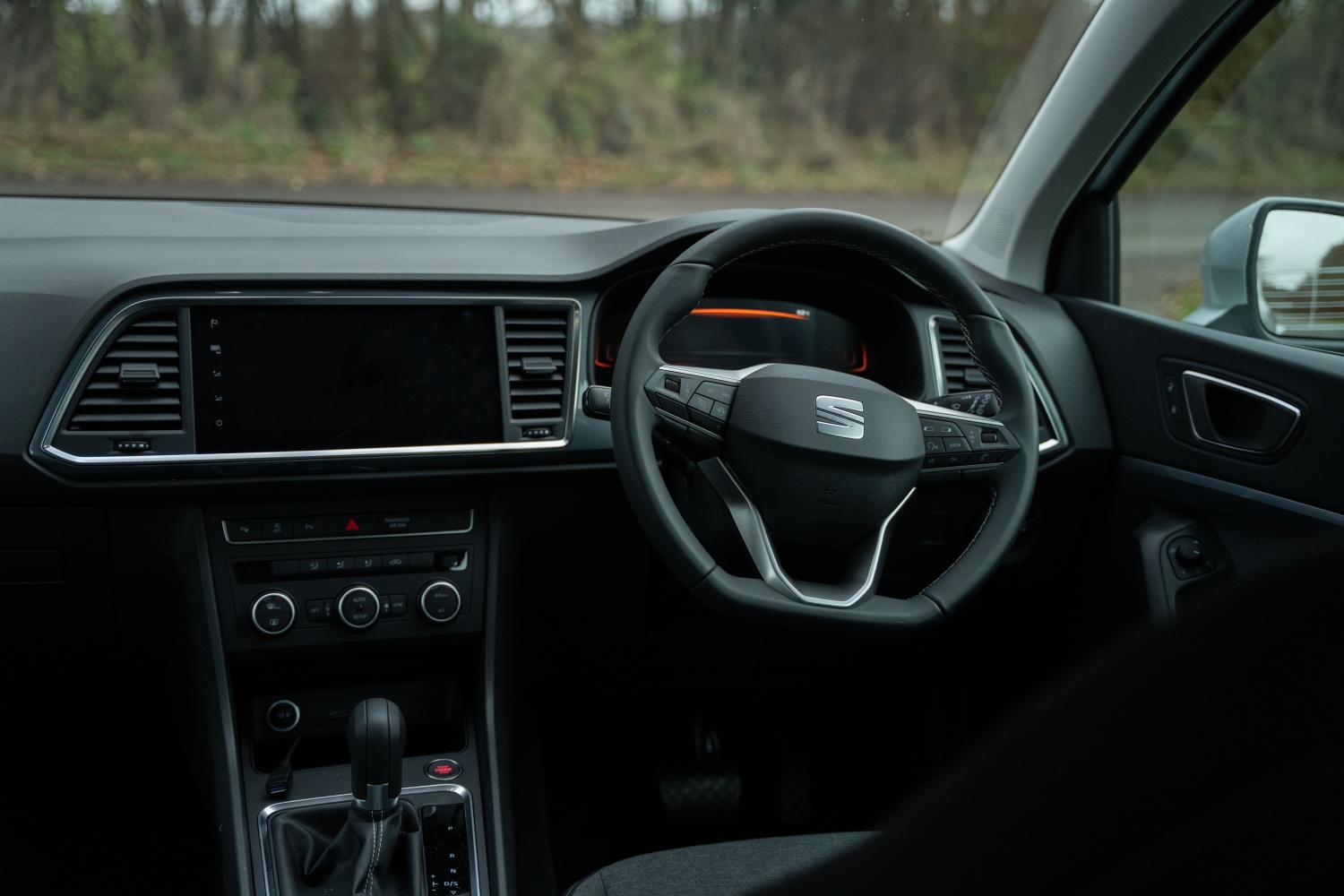
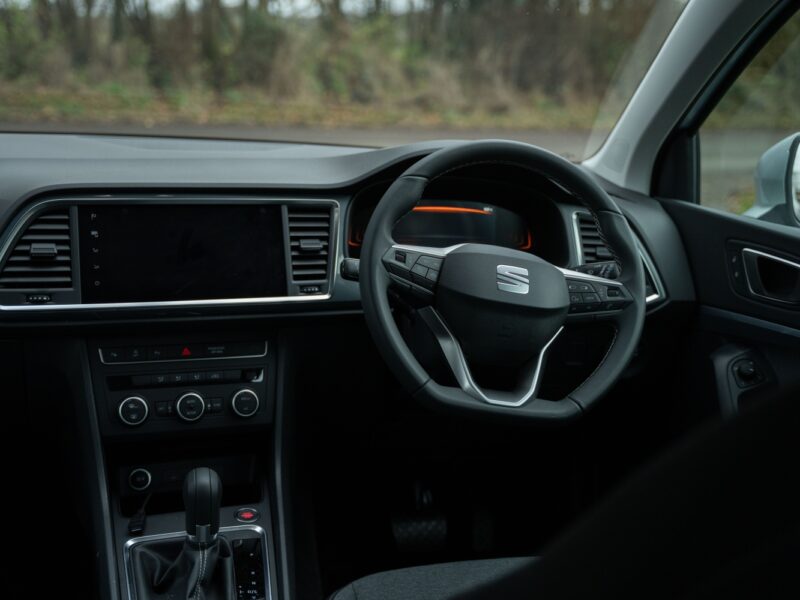
The Ateca’s interior looks modern and is generally well finished, but there are some points to watch. Some owners complain about rattling noises from the dashboard or door panels, especially after longer periods of use. This is caused by loose clips or trim pieces that are not properly secured.
Frequently heard complaints about the interior:
- Creaking noises from the dashboard on cold days
- Worn driver’s seat upholstery at high mileages
- Loose centre console
- Peeling paint finish on buttons and switches
The electric tailgate, standard on higher-spec versions, may become slower to respond over time or stop opening altogether. This usually points to a weak battery or a faulty sensor. First check the battery voltage before having the tailgate replaced, as a new battery often solves the problem.
Waterproofing also needs attention. On some cars, water has entered through the tailgate or door seals, leading to damp in the boot or footwell. Regularly check the rubber seals for cracks or loose sections.
Official recall actions
Seat has carried out several recalls for the Ateca. The most important ones concern safety systems and engine components. In 2019 a recall was issued for potential problems with the fuel line, where a leak could develop. Owners were asked to have the line inspected and replaced free of charge.
Another recall concerned the front seat headrests, which did not meet safety requirements in certain production series. A number of Atecas were also recalled because of a software error in the engine management system that affected emissions.
Check via the RDW (Rijksdienst voor het Wegverkeer – the Dutch vehicle authority) whether your Ateca is subject to an open recall. You will need the registration number for this. Dealers carry out this work free of charge, even if you bought the car second-hand. Do not ignore recalls, as they often relate to safety risks.
‘ In disputes about warranty claims, correctly carried out servicing is important. ’
What to do if you have problems with your Seat Ateca
Experiencing problems with your Ateca? Then follow these steps for an effective approach. First note down all symptoms: when they occur, under what conditions and how often. This helps the mechanic with the diagnosis.
Practical step-by-step plan:
- Check whether any warning lights are on and read out any fault codes
- See whether your car is under warranty or subject to a recall
- Find a Seat specialist or authorised workshop with experience of VAG models
- Ask for a written quote before repairs are carried out
- Keep all invoices and service records for your car’s resale value
Does the problem fall within the warranty period? Then contact the dealer straight away. Even with a second-hand purchase there may still be remaining factory warranty. Seat offers a standard two-year warranty, with the option to extend.
In disputes about warranty claims, correctly carried out servicing is important. Make sure all services are documented, preferably by a Seat dealer or authorised VAG workshop. This strengthens your position in any claims.


What to look out for when buying a used Ateca
Thinking of buying a used Ateca? Then pay close attention to the following points to avoid expensive surprises. Start with a thorough check of the service book. All services should have been carried out according to the manufacturer’s schedule.
Checklist for buying used:
- Ask for all service invoices and check the mileage
- Test the infotainment system thoroughly for faults
- Listen for unusual noises during a test drive, especially when shifting gears
- Check whether DSG transmission oil was changed at around 60,000 km
- Inspect the shock absorbers for leaks
- Look for damp or water marks in the interior
- Ask whether known recalls have been carried out
For 1.5 TSI models, specifically ask about any repairs to the Active Cylinder Technology (ACT), the system that deactivates cylinders to save fuel. Has the system been disabled or has it had problems? This can help you avoid future costs. For diesel variants, check the condition of the diesel particulate filter and whether it has ever been replaced.
Have an independent specialist carry out a pre-purchase inspection. This costs a few tens of euros but can save you hundreds to thousands of euros by uncovering hidden defects. Always ask for a vehicle history report (such as CarFax, a database containing service and accident history) or an RDW history overview to verify the true mileage.
Preventive maintenance for a longer lifespan
Good maintenance prevents many problems and significantly extends your Ateca’s lifespan. Follow the service schedule strictly and use quality oil that meets VW standards. With turbo engines this is extra important for the life of the turbo.
Essential maintenance items:
- Change engine oil and filter every year or every 15,000 km, whichever comes first
- Have DSG transmission oil replaced at around 60,000–80,000 km
- Replace air filter and pollen filter according to schedule
- Check brake fluid every two years and replace if necessary
- Clean the EGR valve (exhaust gas recirculation valve) and diesel particulate filter preventively on diesel engines
- Update infotainment software regularly at the dealer
Do you mainly make short trips with a diesel engine? Then regularly plan a longer motorway run to regenerate the diesel particulate filter. This prevents blockages and expensive repairs. A 30-minute drive at motorway speed is usually enough.
Also check the oil level regularly yourself, especially on TSI engines, which are known for higher oil consumption. Top up if necessary and have excessive consumption investigated immediately. A lack of oil can cause serious engine damage.
Keep an eye on battery voltage, especially on cars with lots of electronics and start-stop systems. A weakened battery causes all kinds of electronic faults that disappear as soon as you fit a new battery. Have the battery tested annually, particularly before winter.
‘ A thorough pre-purchase inspection and complete service history are your best guarantee of years of driving pleasure. ’
The bottom line: reliable, with points to watch
The Seat Ateca is a practical and enjoyable compact SUV that offers a lot of value for money, but it does have specific weaknesses you need to be aware of. The problems are mainly concentrated around certain engine variants, the DSG gearbox and the infotainment system. With correct and timely maintenance you can prevent many of these issues.
Early models from 2016–2018 have more teething troubles than later versions. If you choose a used example, thoroughly check the service history and pay attention to known points such as ACT problems with the 1.5 TSI and EGR valve faults on diesels. A thorough pre-purchase inspection and complete service history are your best guarantee of years of driving pleasure.