
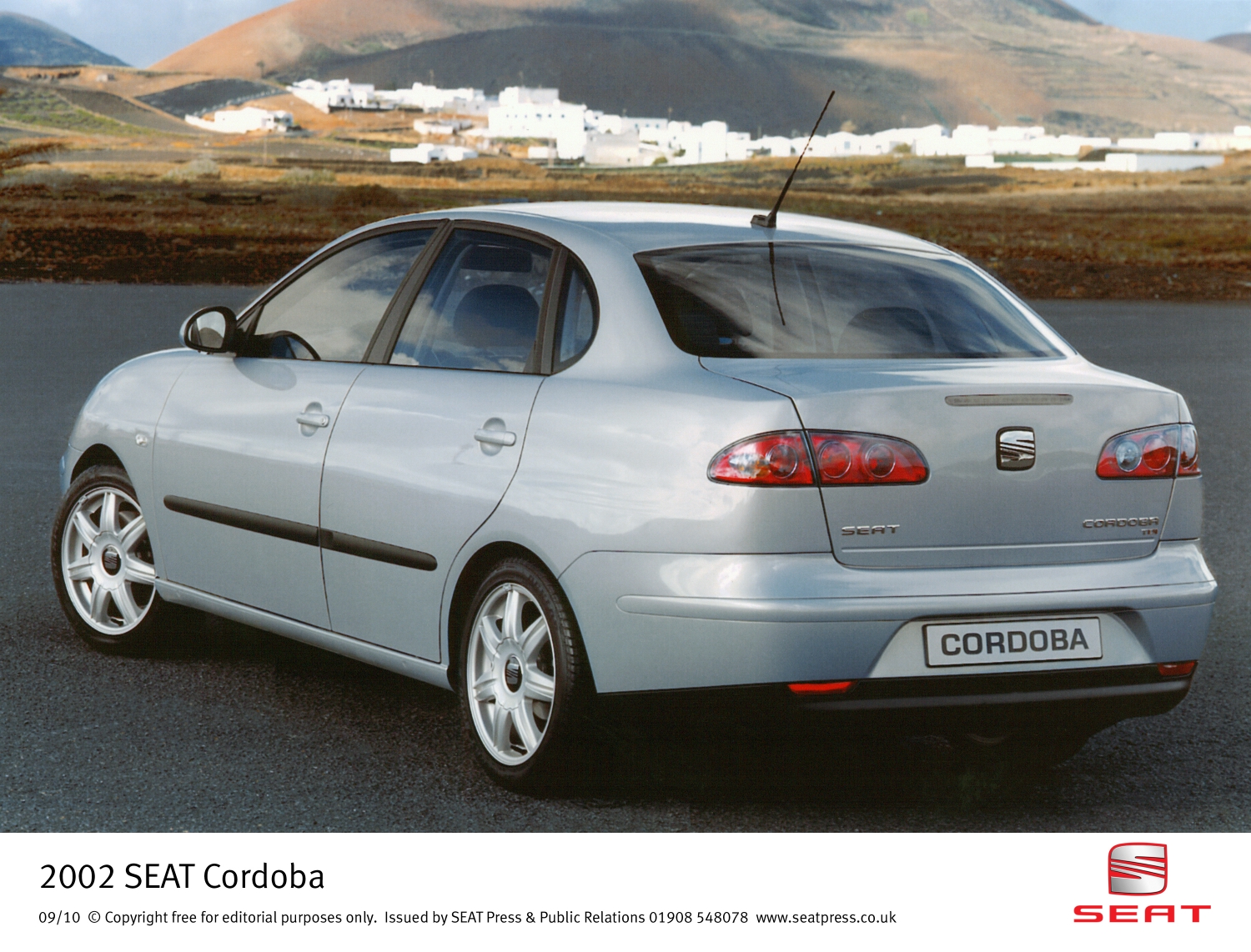
Seat Cordoba: common problems and what to look out for
The Seat Cordoba is a compact saloon produced between 1993 and 2008 and it still appears frequently on the used-car market. If you are interested in this model, it is wise to familiarise yourself thoroughly with the typical faults and points of attention. This article provides concrete information about common problems, from engine issues to rust-prone areas, so you know what to look out for when buying or maintaining one.
The Seat Cordoba in brief: a bit of history
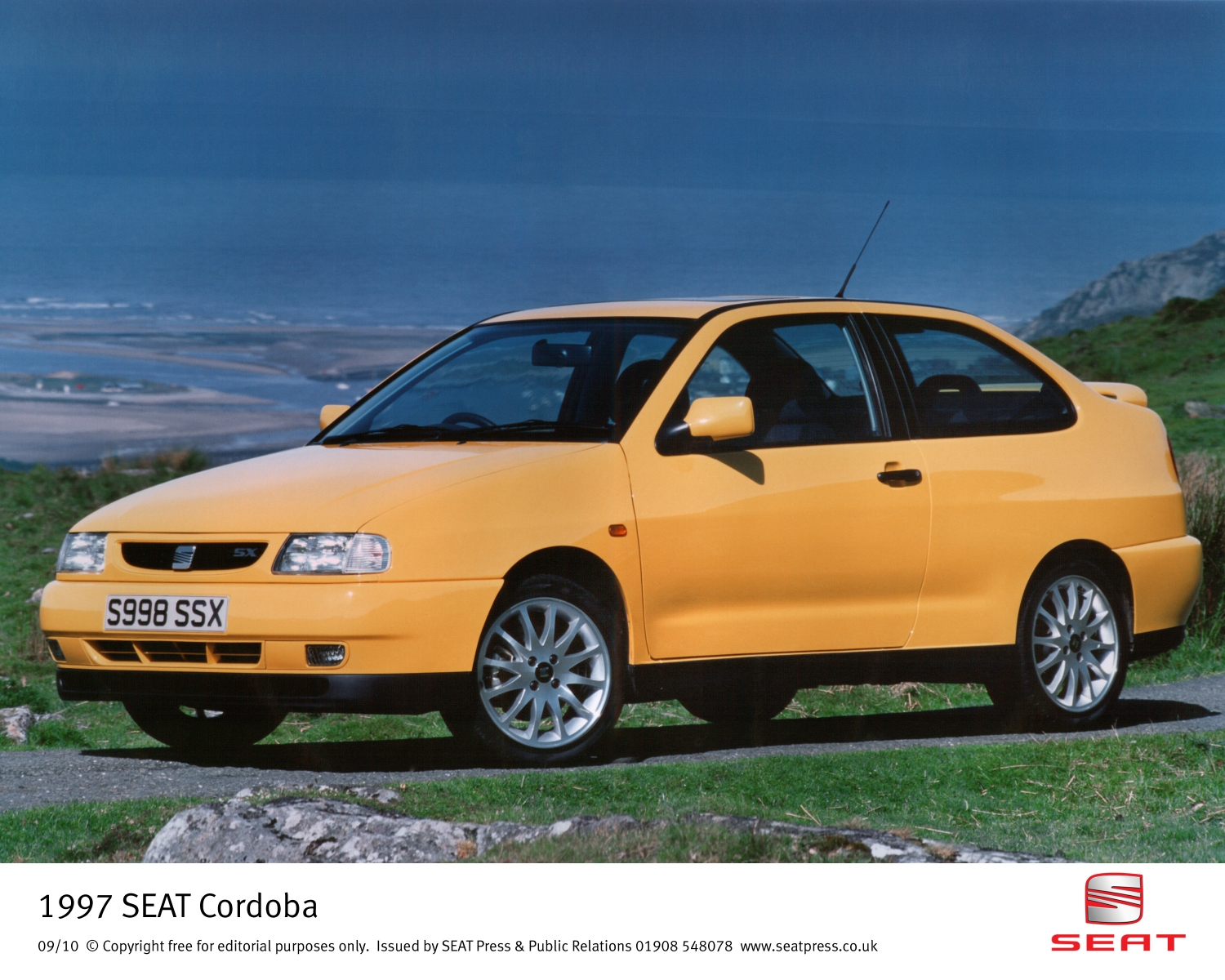
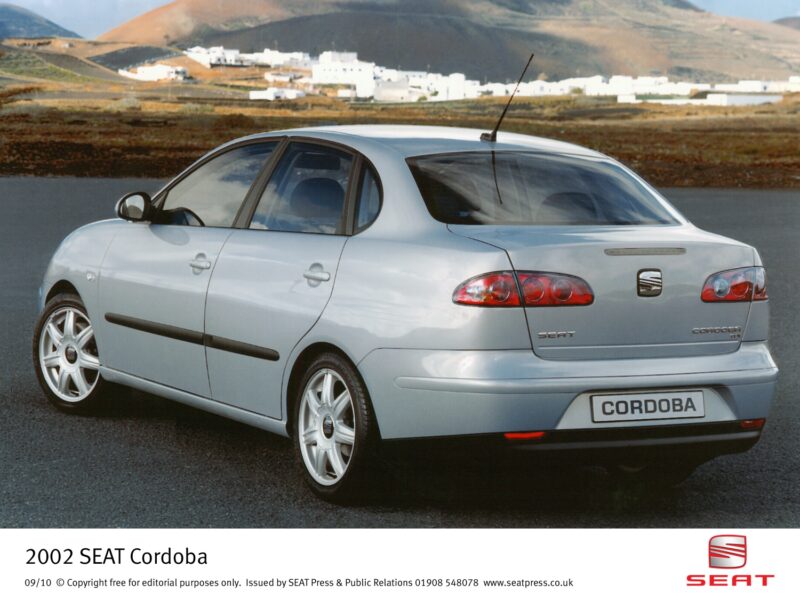
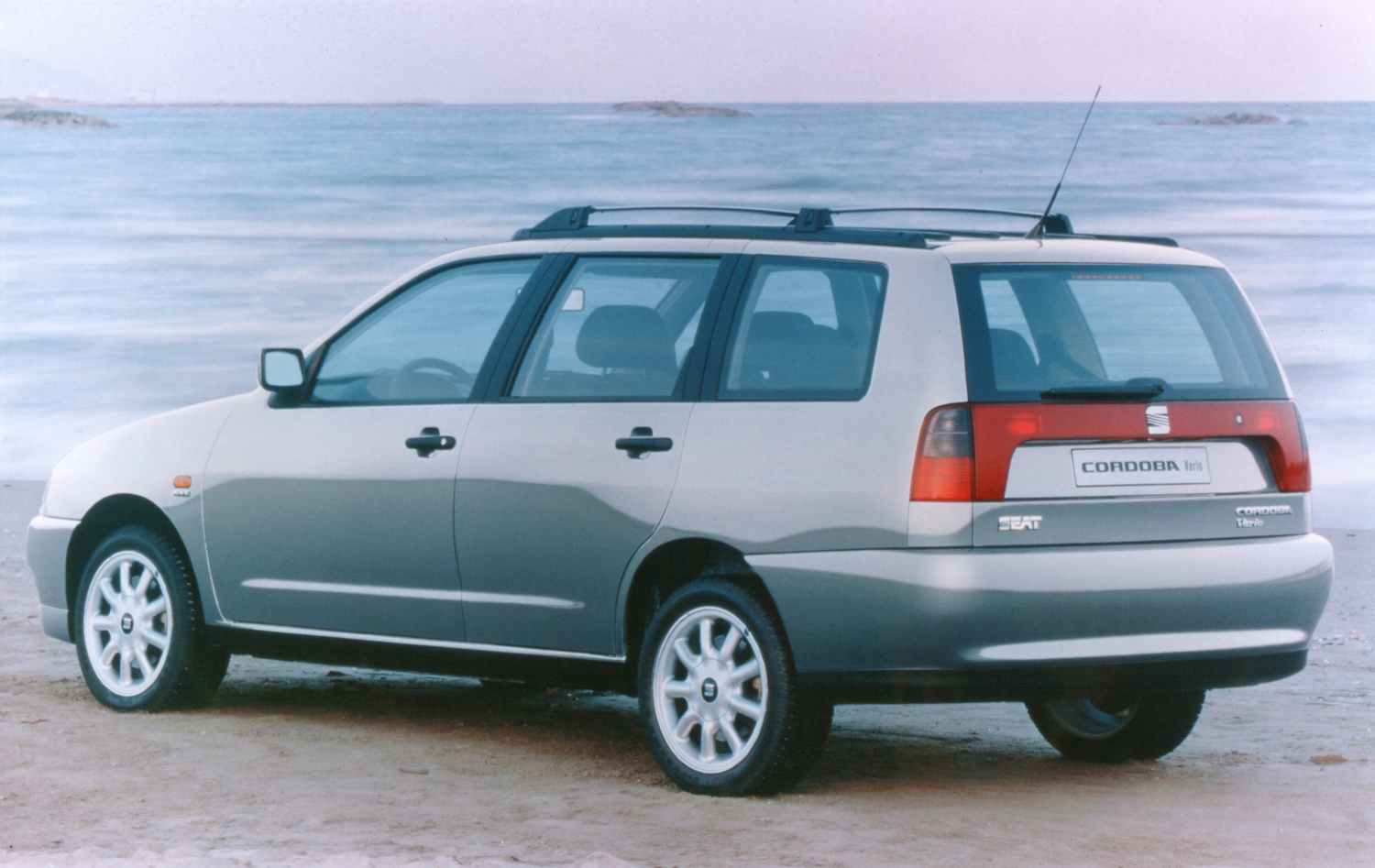
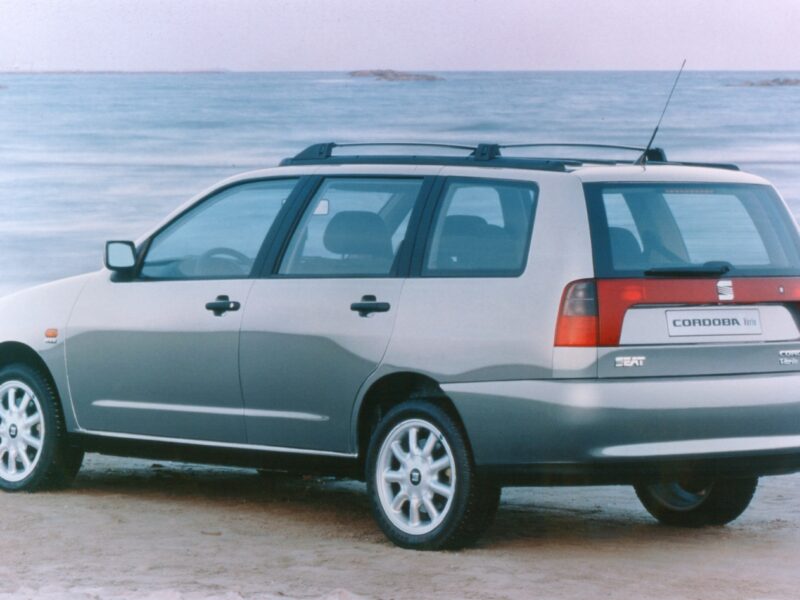
The Cordoba made its debut at the Frankfurt Motor Show in 1993 and was based on the Seat Ibiza Mk2 platform. The model was designed by Italian designer Giorgetto Giugiaro and was available in several versions: as a saloon, estate (Vario) and coupé (SX). The first generation remained in production until 2002, followed by a second generation that lasted until 2008.
The Cordoba shared a lot of technology with models such as the Volkswagen Polo and Seat Ibiza. The engine range varied from 1.4-litre to 2.0-litre petrol engines and a popular 1.9 TDI diesel. In 1999, the first generation received a facelift with improvements to the front and rear, plus interior upgrades. The second generation offered power outputs between 64 and 130 bhp and was aimed at a broad audience.
‘ Problems with Seat models are often related to specific components that are prone to wear. ’
Common engine problems with the Seat Cordoba
Engine problems occur regularly with older Cordoba models. In particular, owners of examples with higher mileages report various complaints. Problems with Seat models are often related to specific components that are prone to wear.
The ignition coil and crankshaft sensor are among the well-known problem areas. A faulty ignition coil can lead to ignition problems, causing the engine to run unevenly or even cut out. Symptoms include vibrations, loss of power and a poor idle speed. Replacing it solves the issue, but have it checked in good time to prevent further damage.
The crankshaft sensor is another vulnerable component. This sensor registers the position of the crankshaft and sends signals to the engine management system. With a faulty sensor, the car is hard to start or will not start at all. Check this part when buying a used Cordoba, especially if the engine runs roughly.
On diesel versions, especially the 1.9 TDI, problems can arise with the glow plugs and the injection system. Worn glow plugs cause starting problems in cold weather. The injection system becomes contaminated by poor-quality fuel or insufficient maintenance, leading to loss of power and increased fuel consumption. Regular checks and clean fuel help prevent this.
Points of attention for the gearbox and clutch
The Cordoba’s gearbox is generally reliable, but after prolonged use faults can appear. Especially on models with manual gearboxes, owners sometimes report hesitation when changing gear. Difficulty engaging gears or grinding noises indicate a worn clutch or problems with the gearbox itself.
The clutch is a wear item that typically needs replacing between 120,000 and 180,000 kilometres, depending on driving style. Those who drive a lot in town or often tow a trailer will wear out the clutch more quickly. Symptoms of a worn clutch include slipping when pulling away, higher engine revs without extra speed, and a soft or spongy pedal feel.
Replacing the clutch is an expensive job because it is labour-intensive. Bear this in mind when buying a used Cordoba. Ask about the service history and test the clutch thoroughly during a test drive. Watch for slipping and strange noises when changing gear.
Electronic and electrical faults: the wiring loom and more
Electrical faults are a recurring theme with the Seat Cordoba, especially on the first generation. Problems with the wiring loom do occur and can lead to all sorts of issues. Symptoms range from flashing dashboard warning lights to failing lights or starting problems.
A frequently reported issue concerns the instrument cluster. Warning lights that randomly come on or fail to light up often point to poor contacts or a faulty wiring loom. This can be caused by moisture ingress, which is particularly common on older vehicles with worn seals.
The central locking and electric windows also show faults for various owners. The central locking does not always respond and sometimes only certain doors open. This may be due to a failed door actuator motor or a faulty switch. Electric windows may move stiffly or jam, pointing to a problem with the window mechanism or the motor that drives the glass.
When buying, check all electrical functions thoroughly. Test the lights, wipers, central locking and electric windows. Pay attention to unusual noises or slow responses, as these may indicate emerging problems.
‘ Shock absorbers, control arms and steering components are points of attention that have a direct impact on driving experience and safety. ’
Suspension and running gear: comfort and safety
The Cordoba’s suspension and running gear can show signs of wear over time, especially on examples that have been driven frequently on poor roads. Shock absorbers, control arms and steering components are points of attention that have a direct impact on driving experience and safety.
Worn shock absorbers lead to a less comfortable ride. The car will then bounce excessively over bumps and corners will feel less stable. Braking distances also increase, which is a safety risk. Have the shock absorbers checked regularly and replace them in good time, preferably per axle.
The control arms and bushes in the suspension wear over time. Damaged bushes cause rattling when driving over uneven surfaces. The wheel alignment can also change, leading to uneven tyre wear. Check the bushes during servicing and replace them if necessary.
The steering system can develop play, especially on older models. Play in the steering makes the car less precise to control and increases the risk of dangerous situations. During a test drive, check whether the steering responds directly and whether there are any strange noises when turning the wheel.
Rust-proneness and bodywork: what to look out for
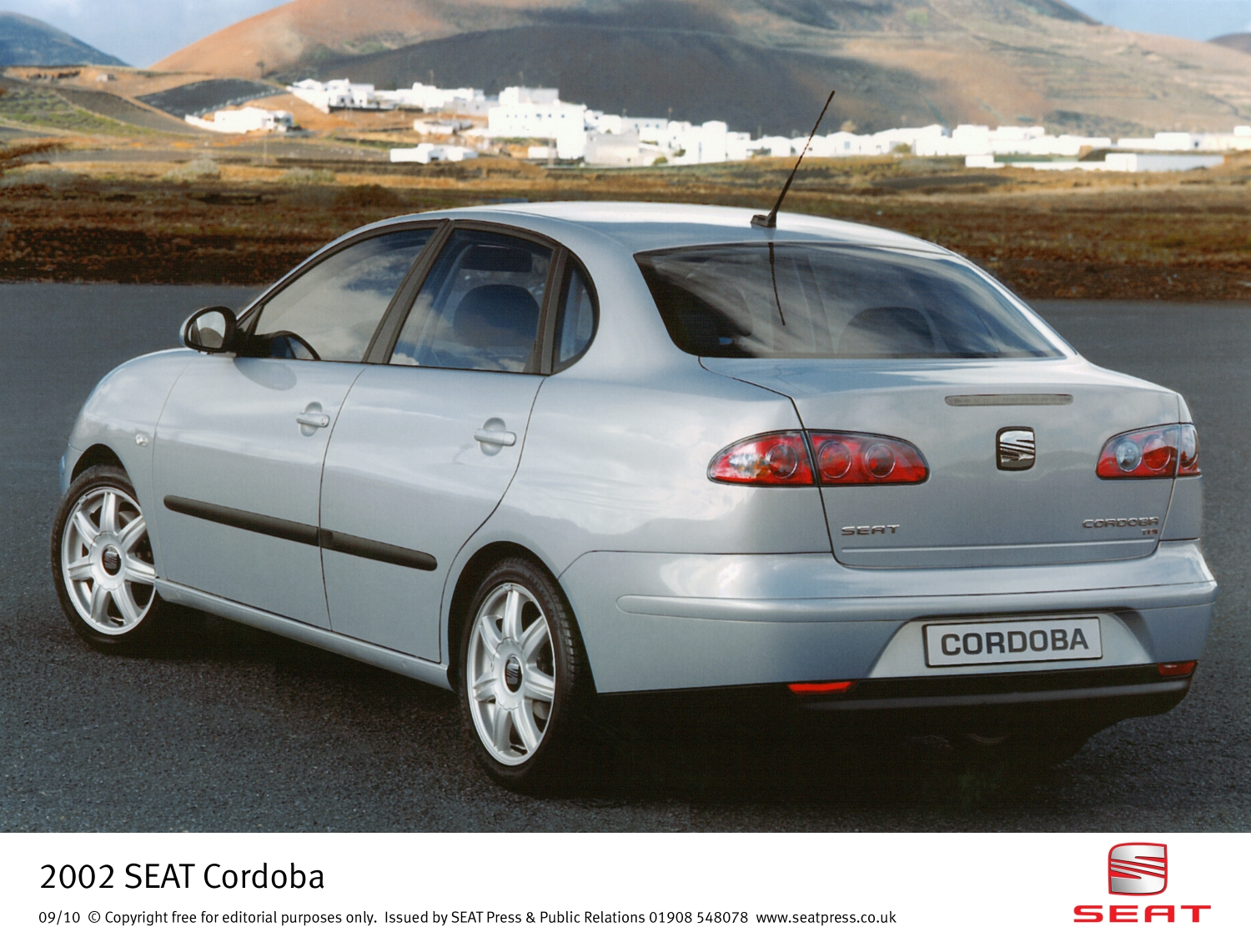
Rust is a known problem with the Seat Cordoba, particularly on examples that have regularly driven in a wet climate or near salty water. Certain areas are especially vulnerable and deserve attention during inspection.
The wheel arches and the bottom edges of the doors are often the first places where rust becomes visible. Check these areas thoroughly, including the inside of the wheel arches. Rust can hide under dirt and protective coatings, so clean these parts first if possible.
The sills and the underside of the body are also vulnerable. Moisture build-up in these areas accelerates rust formation. Inspect the underside of the car during an inspection and look for rust holes or bulging metal.
The bonnet and tailgate edge are also points of attention. Rust can develop here due to damaged paint or stone chips. Small rust spots can usually be repaired easily, but extensive rust damage requires costly work or can render the vehicle an economic write-off.
Tips to prevent rust
- Wash the car regularly, especially in winter when there is salt on the roads
- Check regularly for small paint chips and repair these immediately
- Ensure good drainage by keeping drain holes in doors and sills clear
- Consider applying extra protective coating to the underside of the body
Interior and general wear points
The Cordoba’s interior is functional but not particularly luxurious. After years of use, various signs of wear can appear that reduce the look and comfort.
The seat upholstery often shows wear, especially on the side bolsters where you get in and out. The seat adjustment mechanisms can also cause trouble. Seats that no longer lock firmly into place or adjust stiffly are typical problems on older examples.
The dashboard and centre console can fade due to sunlight. Plastic parts can also become brittle and develop cracks. This is mainly a cosmetic issue, but it can indicate general ageing of the vehicle.
The air conditioning often becomes less effective over time. Causes include leaks in the system or a worn compressor. A non-functioning air con is annoying in summer and may point to overdue maintenance. Have the system checked and re-gassed if necessary.
The saloon’s boot offers 455 litres of space, expandable to 762 litres by folding down the rear seat. Check whether the boot is dry and whether there are any rust spots or moisture build-up. The latch and hinges can also show signs of wear.
‘ With models that have no service history, you run the risk of hidden defects. ’
Tips for maintenance and buying a used Cordoba
When buying a used Seat Cordoba, several factors are important. Good preparation helps to avoid disappointment and to find a reliable car.
Always check the service book. A fully maintained car with a stamped history inspires confidence. Look for regular oil changes, timing belt replacement and other major service intervals. With models that have no service history, you run the risk of hidden defects.
Have an independent inspection carried out by an expert. An inspection report provides insight into the condition of key components such as the engine, gearbox, running gear and bodywork. This can give you room to negotiate or save you from a bad purchase.
Test all electrical functions and watch out for warning lights on the dashboard. Many faults announce themselves via warning lights or error messages. Take your time for a thorough test drive on different types of roads.
Practical maintenance tips
- Replace oil and filters according to the prescribed schedule, at least once a year or every 15,000 kilometres
- Check the timing belt and replace it in good time, usually around 90,000 to 120,000 kilometres
- Have the brakes inspected annually and replace brake pads and discs when worn
- Check fluid levels regularly and top up where necessary
- Have the suspension and running gear checked periodically for play and wear
For diesel versions, pay extra attention to the fuel filter and the injection system. Always use clean, good-quality fuel and consider periodically adding an injector cleaner.
The Seat Cordoba, a familiar name with some caveats
The Seat Cordoba offers a practical and affordable option on the used-car market. The model shares technology with reliable brands such as Volkswagen and has a wide range of engines. Even so, there are clear points of attention you cannot ignore.
Engine problems such as faulty ignition coils and crankshaft sensors occur regularly. Electrical faults, especially in the wiring loom and instrument cluster, can be frustrating. Rust on vulnerable areas calls for a thorough pre-purchase inspection.
With the right knowledge and a critical eye at the time of purchase, you can avoid many problems. Regular maintenance and timely repairs keep the Cordoba reliable. Anyone prepared to pay attention to the known weak spots can enjoy years of driving pleasure from this compact model. Make sure you have a thorough inspection carried out, check the service history and test all functions extensively. If you do, the Seat Cordoba is a solid choice for anyone looking for an affordable and spacious compact car.