

Seat Exeo: the known problems and what to look out for
The Seat Exeo is a family car with a hidden Audi past, but despite its premium DNA the model has specific technical weaknesses that crop up regularly. Engine issues, gearbox problems, electrical faults and wear in the suspension and running gear are all common. Anyone considering or already owning an Exeo would be wise to know the most frequent faults. That way you avoid expensive surprises and can carry out targeted maintenance.
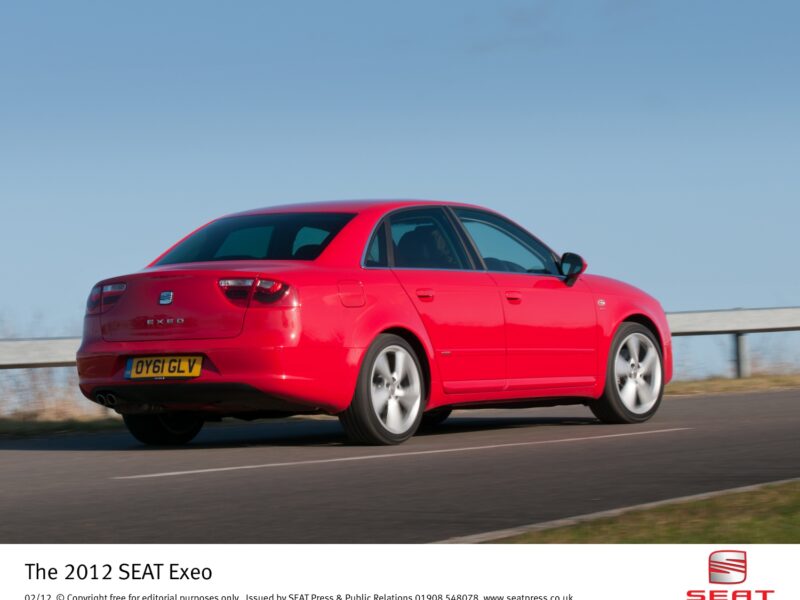
The Seat Exeo is built on an Audi base
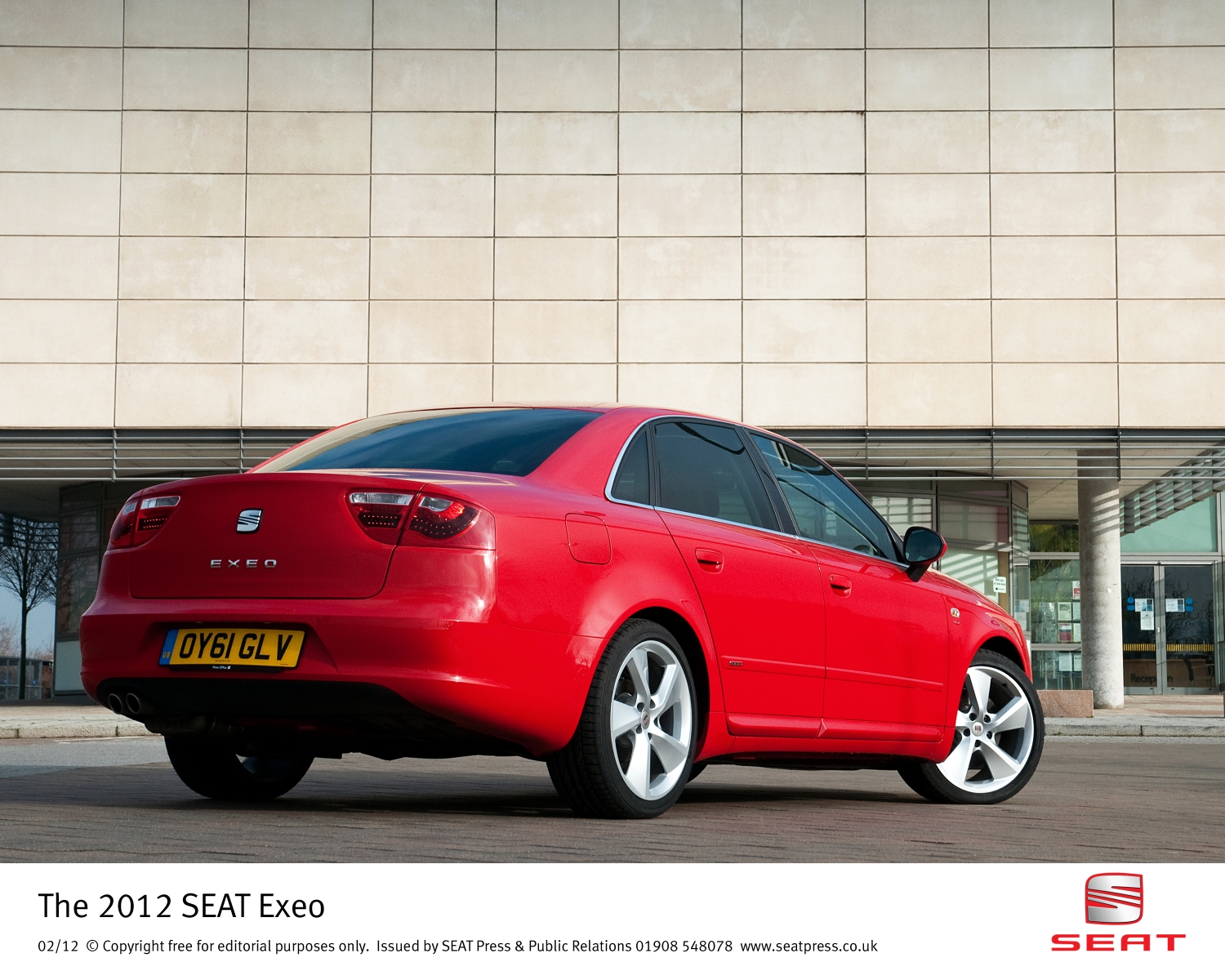
The Seat Exeo was produced between 2008 and 2013 and is essentially a re-used Audi A4 B7. Seat took over the B7 factory from Audi after the B8 generation had been introduced. The result was a family car with the same technical basis as the A4, but with its own face and a sportier interior. The Exeo was offered as a saloon and as an estate (ST), with a range of petrol and diesel engines.
For anyone encountering problems or faults with their Seat, an overview of Seat car problems offers more insight into brand-specific issues.
‘ The combination of a derivative platform, age and the use of specific parts means that certain problems occur more often than with a comparable Audi. ’
Why the Exeo in particular needs attention
You might expect a car with Audi genes to be reliable, but in practice technical complaints still crop up regularly. This is because Seat often received older engines and components from the Volkswagen Group, combined with a lower price point and sometimes less luxurious trim. In addition, many Exeo examples are now ten years old or more, so wear and deferred maintenance start to play a role. The combination of a derivative platform, age and the use of specific parts means that certain problems occur more often than with a comparable Audi.

Engines have their own weak spots
The Exeo was available with various petrol and diesel engines. On petrol versions, especially the 1.8 TFSI and 2.0 TFSI, the following problems occur:
- High oil consumption due to worn piston rings or turbo seals
- Carbon build-up on the inlet valves, which can lead to loss of power and rough running
- Failure of ignition coils or spark plugs, resulting in a misfiring engine
- Timing chain problems at high mileages, especially on engines that have not had regular oil changes
Diesel engines, such as the 2.0 TDI, have their own points of attention. The Common Rail versions are generally reliable, but can suffer from a clogged diesel particulate filter (DPF) if mainly used for short trips. There are also reports of hesitant or faulty injectors and turbo problems on cars with high mileage. Always check the service history and ask about regular oil changes.
Transmission and clutch are vulnerable
The Exeo was available with both manual and automatic gearboxes. On manual versions you often hear about worn clutches, especially on cars that have done a lot of city driving. A slipping clutch or a heavy clutch pedal are signs that replacement is needed.
The automatic transmission, often a DSG (Direct Shift Gearbox) or a traditional automatic, can suffer from jolts or judders when changing gear. This can be caused by worn mechatronics (on DSG) or by dirty or old transmission fluid. Have the transmission serviced regularly and replace the fluid according to the manufacturer’s schedule. If you are unsure about strange noises or hesitant shifts, have a diagnosis carried out by a specialist.
‘ A weak battery often makes these kinds of faults worse. ’
Electronic systems frequently show faults
Modern cars contain dozens of sensors and control units, and the Exeo is no exception. Many owners report faults with the following components:
- ABS and ESP sensors: can become contaminated or fail internally, which triggers warning lights on the dashboard
- Parking sensors: sometimes give false alarms or stop working altogether due to dirt or moisture ingress
- Window regulators: can jam or operate slowly, often due to a faulty motor or wear in the guide rails
- Airbag warning light: sometimes comes on because of a poor connection under the seats or in the dashboard
In addition, problems may occur with the central locking and the immobiliser. A weak battery often makes these kinds of faults worse. Make sure your battery is in good condition and have electronic faults read in good time using a diagnostic tool.
Suspension and running gear wear at higher mileages
The Exeo has a multi-link suspension front and rear, identical to the Audi A4 B7. This provides comfortable and stable handling, but at higher mileages various components start to wear. Common problems are:
- Worn control arm bushes, leading to knocking noises over bumps
- Failed or leaking shock absorbers, recognisable by bottoming out and a bouncy, unstable ride
- Wear in anti-roll bar links and bushes
- Worn wheel bearings, often audible as a droning noise at higher speeds
Have the suspension and running gear checked regularly, especially if you are buying a used example. Also check for play in the control arms and whether the shock absorbers show any oil leaks. Parts are generally easy to obtain, as they are often interchangeable with those from the Audi A4 B7.
Bodywork and interior show signs of wear
Although the Exeo’s exterior and interior are comparable to a premium model, older examples do show signs of wear. A known issue is rust around the wheel arches and along the bottom of the doors, especially on cars that have spent a lot of time on winter roads. Check these areas carefully when viewing a used car.
Inside, you often see worn seat upholstery, particularly on the Sport version with its more aggressive seats. Buttons and switches can also feel loose or creaky after years of use. The quality of the dashboard and interior trim is generally good, but watch out for cracks in the plastic and discoloured elements caused by sunlight.
‘ Modern cars store fault codes that a specialist can read out. ’
Recognise and tackle problems in good time
Many common Exeo faults can be recognised by specific symptoms. Watch out for warning lights on the dashboard, unusual noises while driving and changes in the way the car behaves. If the engine warning light comes on, have a diagnosis carried out as soon as possible. Modern cars store fault codes that a specialist can read out.
For suspension noises, drive over a speed bump or poor road surface and listen for knocks, creaks or squeaks. These are signs of worn bushes. For transmission issues, pay attention to judders or a delayed response when changing gear. Also watch for the clutch revving up without properly engaging. In the case of electrical faults, it can help to check and, if necessary, replace the battery before you authorise more expensive repairs.
Preventive maintenance extends the car’s life
The best way to avoid major problems is regular maintenance. Follow the manufacturer’s service schedule. Make sure the following items are carried out on time:
- Replace engine oil and oil filter according to the manufacturer’s interval, preferably every year or every 15,000 kilometres
- Check and replace the timing chain or belt if required, usually around 150,000 kilometres or after ten years
- Clean or replace the diesel particulate filter on diesel engines. Regularly drive a longer motorway journey to prevent it clogging up.
- Have the transmission fluid changed, even if the manufacturer claims it is “filled for life”
- Have the suspension and running gear checked annually for wear and replace worn parts in good time
- Keep the bodywork free of dirt and road salt, especially in winter, and treat any rust spots immediately
By being proactive you prevent small issues from growing into expensive repairs. Keep all service records and invoices; this also increases the car’s value if you decide to sell it.
What to look out for when buying a used Exeo
If you are considering a used Seat Exeo, use the checklist below to avoid pitfalls:
- Check the complete service history and ask for proof of work carried out
- Look for models from 2010 or later; these often have the improved B8 engines with better reliability
- Inspect the wheel arches, lower door edges and floorpan thoroughly for rust
- Test all electrical functions, such as windows, mirrors, heated seats and climate control
- Take a test drive on different types of road and listen for suspension noises and check gearbox behaviour
- Have a diagnostic scan carried out to detect any stored fault codes in the system
- Ask about oil consumption, especially on turbocharged petrol versions
- Check whether the timing chain or belt has been replaced recently
An Exeo ST with low mileage and a complete service history can be a good choice. This applies particularly to a Sport Tech version from 2013. These models combine space, comfort and relatively modern technology at an affordable price.
‘ If you are looking for a trouble-free model, it is wise to be critical and possibly consider a different car. ’
The Exeo is always a trade-off between price and maintenance
The Seat Exeo offers Audi technology and a spacious, comfortable interior for a relatively low price. The car is suitable for families and, especially in ST form, offers a lot of luggage space. At the same time, the model comes with specific technical vulnerabilities that need extra attention.
Engine problems such as oil consumption and carbon build-up, transmission faults, electrical issues and suspension wear occur regularly. With proper and timely maintenance many of these problems can be controlled or even prevented. Anyone prepared to invest time and money in this can enjoy an Exeo for many years. If you are looking for a trouble-free model, it is wise to be critical and possibly consider a different car.
For potential buyers the message is: do thorough research, check the maintenance history and have a specialist take a look. That way you know what you are getting into and you avoid expensive surprises later.