
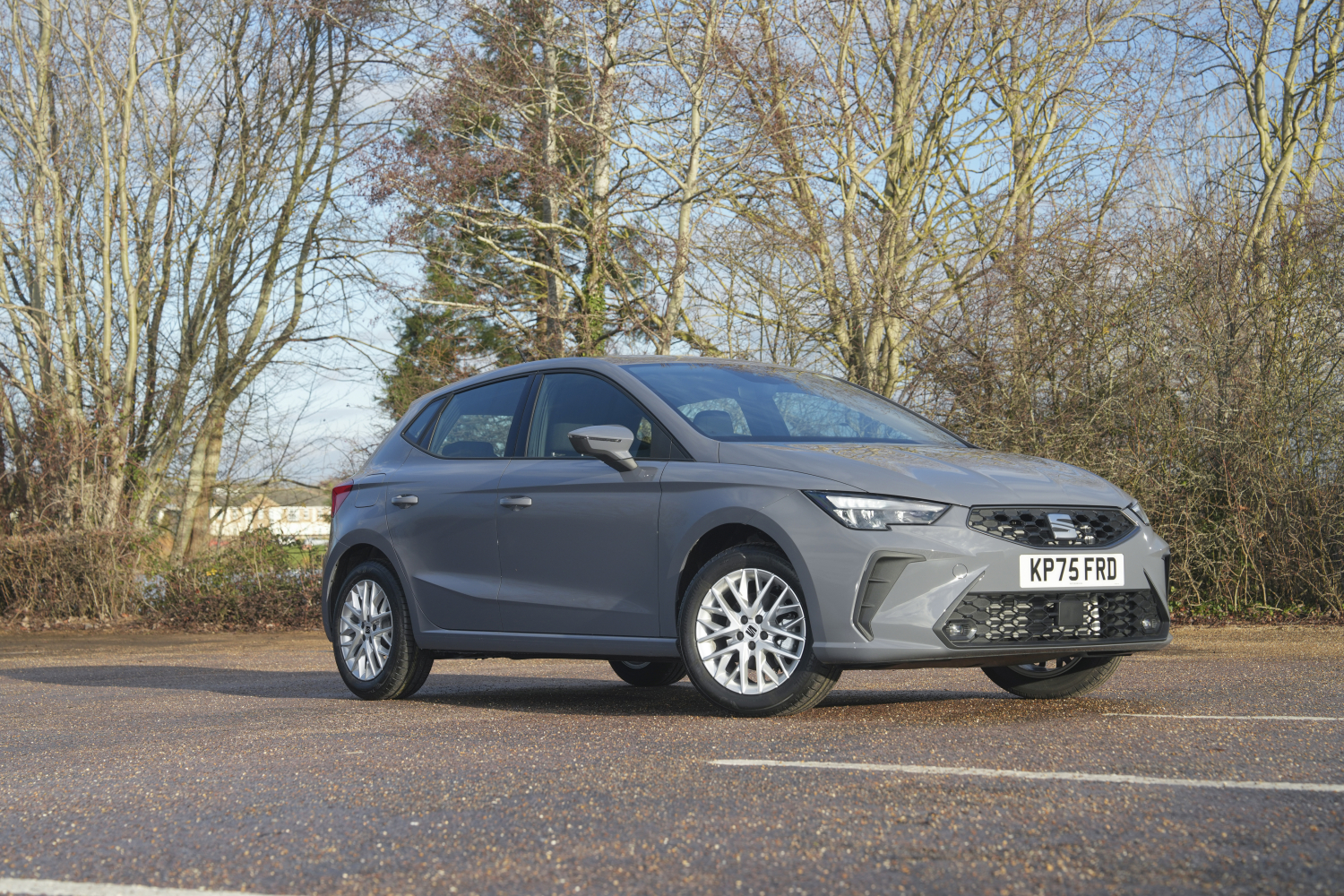
Seat Ibiza: common problems and what you need to know about them
The Seat Ibiza is a popular compact hatchback that has achieved high sales figures for many years in the Netherlands and beyond. Like many other models, the Ibiza suffers from known technical issues. These range from annoying faults to expensive repairs. In particular, certain engines, the DSG (Direct-Shift Gearbox, automatic dual‑clutch transmission) and electrical components regularly need attention. Do you want to know what to look out for as an owner or potential buyer?
The overall reputation of the Seat Ibiza for reliability
The Seat Ibiza scores from reasonable to good in terms of reliability, but there are clear differences between generations and engine variants. The models from the fourth generation (2008–2017) and the fifth generation (from 2017) have well‑known weak points, especially with the TSI petrol engines and the DSG automatic gearbox. Diesel variants with TDI engines have their own specific issues, often related to injectors and the diesel particulate filter.
Owners report that problems often occur after the warranty period has expired. This may point to normal wear and tear, but also to inherent design flaws. For more information about issues within the Seat range, you can find more on the page about Seat car problems. The Ibiza is not known as unreliable, but it does require consistent maintenance and vigilance when it comes to specific components.
‘ In the worst‑case scenario, the chain can break, resulting in serious engine damage. ’
Top 5 common engine problems on the Seat Ibiza
The engines of the Seat Ibiza have a number of recurring issues that owners and garages encounter regularly. Below are the five most frequently reported problems.
1. TSI timing chain problem with 1.2 TSI engines
The 1.2 TSI engine was widely used in Ibizas from 2010 to 2015. This engine has a well‑known issue with the timing chain. Over time the chain can stretch or fail, which leads to rattling noises when starting or accelerating. In the worst‑case scenario, the chain can break, resulting in serious engine damage. This problem occurs mainly with engines that have done a lot of short city driving. It also occurs when the oil level has not been strictly monitored.
Possible solution: have the chain replaced preventively if you hear this noise, and make sure oil‑change intervals are strictly followed. Some garages recommend replacement around 80,000 to 100,000 kilometres.
2. Turbo problems on the 1.4 TSI
The 1.4 TSI engine can suffer from failed turbochargers, especially in older examples. Symptoms include loss of power, blue smoke from the exhaust and a whistling noise during acceleration. This can be caused by wear in the turbo bearings or by oil leaks.
3. Injectors on TDI diesel engines
The 1.4 TDI and 1.9 TDI engines regularly suffer from faulty injectors. This manifests itself in poor starting, uneven idling and increased fuel consumption. Injectors can become contaminated due to poorer fuel quality or because the engine is not used often enough at higher revs.
4. Coolant leaks on the 1.0 TSI
The more recent 1.0 TSI three‑cylinder engine, used from 2017 onwards, can suffer from coolant leaks due to a faulty water pump or leaking hoses. This can lead to overheating and serious engine damage if not spotted in time. Regularly check the coolant level and watch out for sweet smells in the cabin.
5. Carbon build‑up in direct‑injection engines
TSI engines with direct injection (fuel injected straight into the cylinder) can suffer from carbon build‑up on the intake valves. This reduces the airflow to the combustion chamber, resulting in loss of power and a rough idle. This problem occurs mainly in engines that do a lot of short trips and are rarely used at higher speeds.
Gearbox problems: manual and DSG
Manual gearboxes
The manual five‑ and six‑speed gearboxes in the Ibiza are known to be reliable. Even so, owners sometimes report difficulty shifting, especially at low temperatures. This is often caused by a worn clutch. Old gearbox oil can also be the culprit. Regular replacement of the gearbox oil can prevent this problem.
In addition, the clutch can wear out relatively early with aggressive driving or a lot of city use. Symptoms include clutch slip, difficulty pulling away or the engine revving up without effective power transfer.
DSG automatic
The seven‑speed DSG automatic gearbox has a mixed reputation. It is used in many TSI variants. Some owners experience jerky gear changes, especially at low speeds or in stop‑start traffic. This may indicate a software issue that can often be resolved with an update.
More serious are problems with the mechatronics unit, the electronic control system of the DSG. This can lead to complete gearbox failure and is an expensive repair. The dual clutch itself can also show signs of wear, resulting in vibration and poor shifting. Regular maintenance and oil changes on the DSG are essential to extend its service life.
Electrical faults: from windows to dashboard warnings
Electrical problems occur regularly in the Seat Ibiza, especially in fourth‑generation models. Common complaints include:
- Electric windows that stutter or stop working entirely due to failed motors or switch problems
- Faults in the central locking system, causing doors not to open or close correctly
- Dashboard warning lights that come on without reason, often related to sensors or software errors
- Air‑conditioning problems where the system suddenly cuts out or no longer blows cold air
- Start‑stop issues due to a weak battery or faulty starter motor
Many of these problems can be traced back to poor earth connections (the grounding point of electrical components to the bodywork) or corrosion in connectors. A thorough electrical check by a specialist can prevent a lot of frustration. In the case of persistent dashboard warnings, it is sensible to read out the fault codes with diagnostic equipment.
‘ Have this checked in good time, because play in the steering system can lead to dangerous situations. ’
Suspension, steering and brakes: common wear and defects
Suspension
The front bushes and wishbone bushes of the Ibiza wear out relatively quickly. This results in knocking noises over bumps and reduced ride comfort. It occurs mainly with intensive use on poor‑quality roads. The shock absorbers can also be worn out after 80,000 to 100,000 kilometres, which is noticeable through poor road‑holding and the car sagging.
Steering
Some owners report play in the steering system. A rattling noise when turning the steering wheel also occurs. This may indicate worn track‑rod ends or a faulty steering rack. Have this checked in good time, because play in the steering system can lead to dangerous situations.
Brakes
The brakes on the Ibiza are reliable. However, brake discs can rust or become warped relatively quickly. This occurs mainly with cars that are used infrequently or that mainly do short journeys. It manifests itself in vibrations when braking or squealing noises. Regular checks and timely replacement of brake pads and discs are important for safety.
Bodywork and interior: less critical but annoying defects
In addition to technical issues, there are also cosmetic and comfort‑related complaints that can affect the driving experience. Rust can occur on older models, particularly around the wheel arches and under the doors. This is especially the case for cars that have been used in salty environments or that have not been well maintained.
Inside, owners sometimes report creaks and rattling noises from the dashboard or door trims. This is often the result of loose clips or worn rubbers. Although not technically serious, it can be annoying while driving. In addition, the upholstery on the seats and the steering wheel can wear faster than expected, especially with intensive use.
What to do if you have a Seat Ibiza problem? Tips for diagnosis and approach
When you have a problem with your Seat Ibiza, a systematic approach is important. Start by recognising the symptoms: strange noises, warning lights, loss of power or unusual driving behaviour can all be clues.
If in doubt, have the fault codes read at an approved garage or with an OBD scanner. This often gives immediate insight into the cause of the problem. Do not wait too long before visiting a garage, especially with engine problems or gearbox faults. Early diagnosis can prevent costly consequential damage.
Find a specialist garage with experience in VAG models (Volkswagen Audi Group, the parent company behind Volkswagen, Audi and Seat). The Ibiza shares many components with Volkswagen and Audi. These garages often have the right diagnostic equipment and knowledge of known problems. Always ask for a detailed quote and be wary of garages that immediately propose major repairs without a thorough inspection.
‘ For the DSG gearbox, regular oil changes are essential. ’
Preventive maintenance: how to minimise the risk of problems
Many problems with the Seat Ibiza can be prevented or postponed by good preventive maintenance. Follow the manufacturer’s service intervals strictly, and in the case of intensive use consider shorter intervals for oil and filter changes.
Regularly check the oil level, coolant level and tyre pressures yourself. Pay attention to unusual noises or changes in driving behaviour and tackle them straight away. Use good‑quality fuels and additives to reduce carbon build‑up and injector problems.
For the DSG gearbox, regular oil changes are essential. This is not always stated explicitly in the service book. Many specialists recommend changing the oil every 60,000 kilometres. Also have the timing chain or belt checked and replaced in good time according to the guidelines.
Finally, warm the engine up before driving it hard and let it cool down for a minute after long journeys before switching off. This significantly extends the life of the turbo.
Buying advice for a used Seat Ibiza: what should you look out for?
Are you thinking of buying a used Seat Ibiza? Then pay attention to the following points to avoid disappointment and high costs:
- Check the full service history. Pay particular attention to timely oil changes and any replacement of the timing chain or DSG oil.
- Ask about known issues for the specific model year and engine type. The 1.2 TSI from 2010–2015, for example, has the chain problem.
- Test the DSG automatic thoroughly during the test drive. Watch for jerky gear changes, strange noises or hesitation when pulling away.
- Check that all electrical functions work: windows, central locking, air‑conditioning and lights.
- Inspect the bodywork for rust, especially around the wheel arches, sills and underneath the car.
- Have the car inspected by an independent specialist before you complete the purchase.
- Check with a Seat dealer whether there are any outstanding recalls for the relevant chassis number.
Models with lower mileage and a complete service history are more expensive, but they do offer more peace of mind. Be extra cautious with cars that have no service book or an incomplete one.
Are the Seat Ibiza’s problems manageable?
The Seat Ibiza is not an unreliable car. However, it does have specific weak points that need attention. In particular, the 1.2 TSI engine with timing‑chain issues and the DSG gearbox can lead to high repair costs if not dealt with in time. Electrical faults and suspension components require regular checks and maintenance.
For owners who maintain their car consistently and stay alert to warning signs, most problems are quite manageable. The cost of preventive maintenance does not compare with the bill for a replacement engine or new gearbox. When buying a used Ibiza, thorough research into its service history and a professional inspection are the best investments you can make.
Stay alert, maintain your car according to the guidelines and tackle problems in good time. Then you can enjoy this compact and economical hatchback for many years to come.