
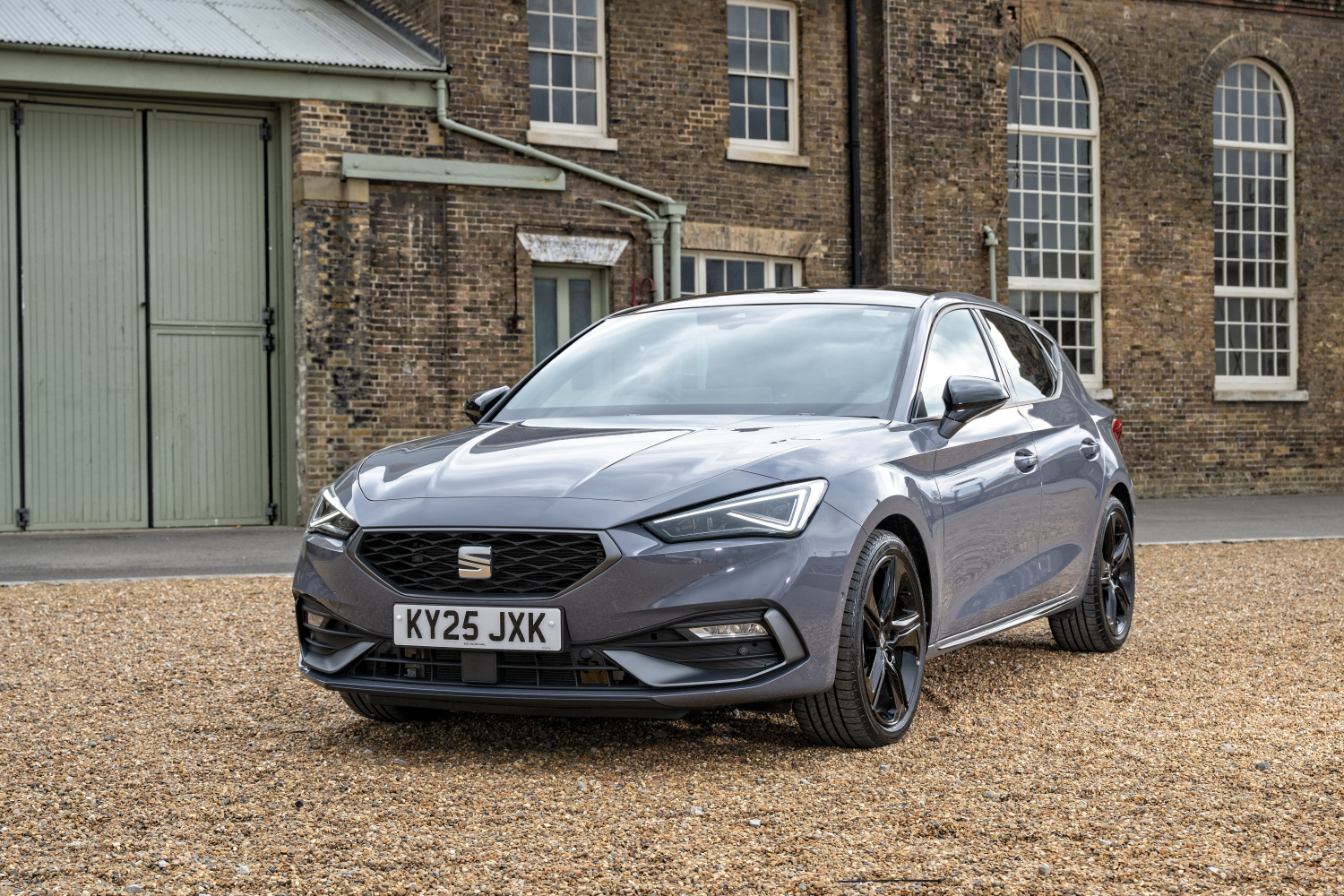
Seat Leon: problems, reliability and what to look out for
The Seat Leon is a popular hatchback that appeals to many buyers thanks to its sharp pricing and sporty looks. Various generations suffer from recurring technical issues, which can affect ownership. Engine problems occur in specific TSI versions (petrol engines with turbo and direct injection). Electronic faults and weaknesses in the DSG gearbox (dual-clutch automatic gearbox) are also known. This car requires conscious choices. Regular maintenance is essential. Are you planning to buy a Leon, or do you already drive one? Then it is wise to know what this Spanish Golf sibling is sensitive to.
The Seat Leon in brief: a well-liked car with some caveats
The Seat Leon shares its technical basis with the Volkswagen Golf and Audi A3, built on the MQB platform. This cooperation means the Leon combines proven technology with keen pricing. However, over the years the car has shown various problems. These are specific to certain generations and engine variants. Issues with the turbo, timing chain, software faults and clutch wear are regularly observed in practice. The dual‑clutch gearbox (DSG) also shows weaknesses in some models. For a complete overview of problems that can affect Seat models, see Seat car problems. If you are aware of these weak points in advance, you can avoid expensive surprises.
‘ The increase in digitalisation is the cause here. ’
Generations and their characteristic problems
The Seat Leon has four main generations, each with its own strengths and recurring complaints. The first generation (1999–2005) was technically related to the Volkswagen Golf Mk4. This generation mainly suffered from rust at the rear and clutch wear. The second generation (2005–2012) brought improvements, but also showed problems with the 1.4 TSI engine and the first DSG gearboxes. The third generation (2012–2020) introduced a wide range of modern engines. Well‑known examples are the 1.2 TSI and 1.4 TSI. Both engines are prone to turbo and timing chain issues. The fourth generation (from 2020) benefits from modern technology and plug‑in hybrid options. This generation shows electronic faults and software problems. The increase in digitalisation is the cause here.
Each of these generations has specific points to watch, depending on the engine, transmission and trim level chosen. When buying, ask specifically to see the service book. Also ask about known weak points of the specific model year.
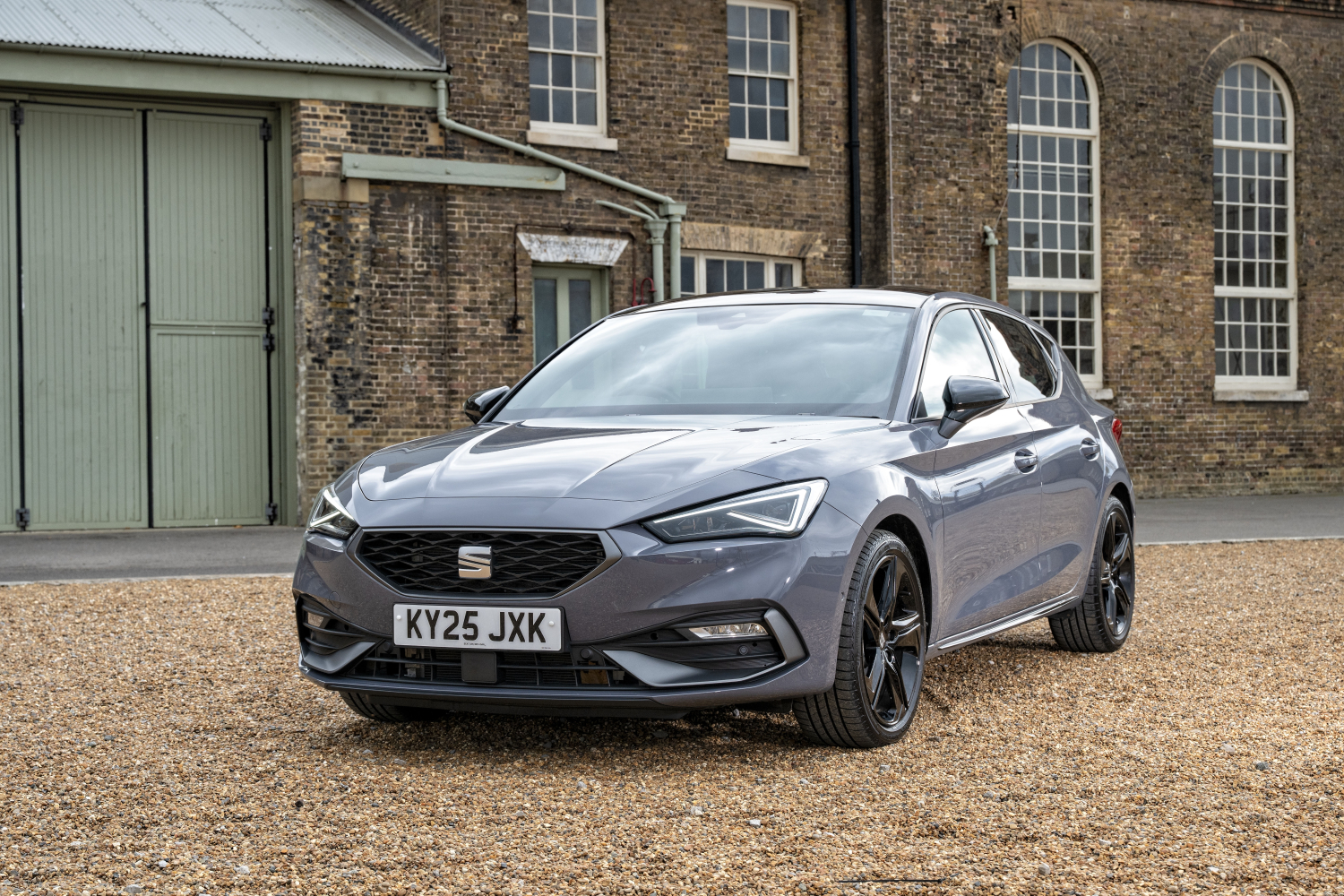

Engine issues: what you need to know about the powertrains
The Seat Leon is available with various petrol and diesel engines, each with its own vulnerabilities. The 1.2 TSI and 1.4 TSI petrol versions are popular. In older models they show problems with the timing chain. If the car is not serviced properly, or oil change intervals are too long, this chain can slacken or break. This can lead to engine damage. Symptoms include a rattling noise when starting or accelerating, especially when the engine is cold. Prevention means having the engine checked regularly and strictly following the recommended service intervals.
In addition, the 1.4 TSI sometimes has turbo problems. Owners report loss of power, black smoke from the exhaust or increasing oil consumption. This is often due to sealing issues or blockage of the oil supply to the turbo. The 1.0 TSI three‑cylinder has also been used in many versions since the third generation. With intensive use or poor maintenance, this engine shows wear to the pistons and timing chain.
For diesel engines, particularly the 2.0 TDI, problems with the diesel particulate filter (DPF, the filter that traps exhaust particles) are well known. Short journeys and urban use lead to blockage of the filter. This results in reduced performance. Warning lights appear on the dashboard. Regular long drives help. Drive at higher speed to burn the filter clean. In more severe cases, cleaning or replacement is necessary.
Transmission and clutch: smooth shifting or cause for concern?
The manual gearbox in the Seat Leon is generally regarded as reliable. The clutch, however, can wear prematurely with intensive use or a careless driving style. A slipping clutch is a well‑known symptom. Difficult gear changes also occur. Juddering when pulling away can appear. Service life depends heavily on driving behaviour and can vary between 80,000 and 150,000 kilometres.
The automatic DSG gearbox is popular. In some models, though, this gearbox shows weaknesses. The seven‑speed DSG (DQ200) from the 2012–2016 period suffers from jerky shifting. Hesitation during gearchanges occurs. Complete gearbox failure is possible. Wear of the mechatronics unit (the electronic control unit that manages gear selection) is often the cause. Overheating of the clutches also happens. Software updates from the manufacturer can sometimes help, but in many cases parts need to be replaced.
With the six‑speed DSG (DQ250), problems are less frequent. Clutch wear does still occur with intensive use. Regularly changing the DSG oil, every 60,000 kilometres, extends service life and also reduces the risk of faults.
‘ The car will not start or shows an error message about the keyless entry. ’
Electronic faults and software issues
As the Seat Leon becomes more technologically advanced, the number of electronic faults also increases. Models from the third generation onwards show problems with sensors. Faults in the infotainment system (the system for navigation, multimedia and entertainment) are also known. Warning systems sometimes display error messages. Owners regularly report error messages relating to the parking sensors. These sensors give false warnings. Sometimes they do not respond at all. This may be due to dirt, moisture ingress or defective wiring.
The infotainment system in some Leon models also suffers from software problems. The touchscreen responds slowly. The system reboots without any obvious reason. Android Auto and Apple CarPlay cut out. Software updates from the dealer often help, but hardware issues with the screen or media unit can also be the cause.
Some Leon models also experience issues with the immobiliser. The immobiliser is the system that checks whether the correct key is present before the engine starts. The car will not start or shows an error message about the keyless entry. A weak battery in the key can cause this. A fault in the antenna is also possible. Problems with the control unit are likewise seen. Check the key battery first before going to the garage.
Chassis, suspension and brakes: safety and driving comfort
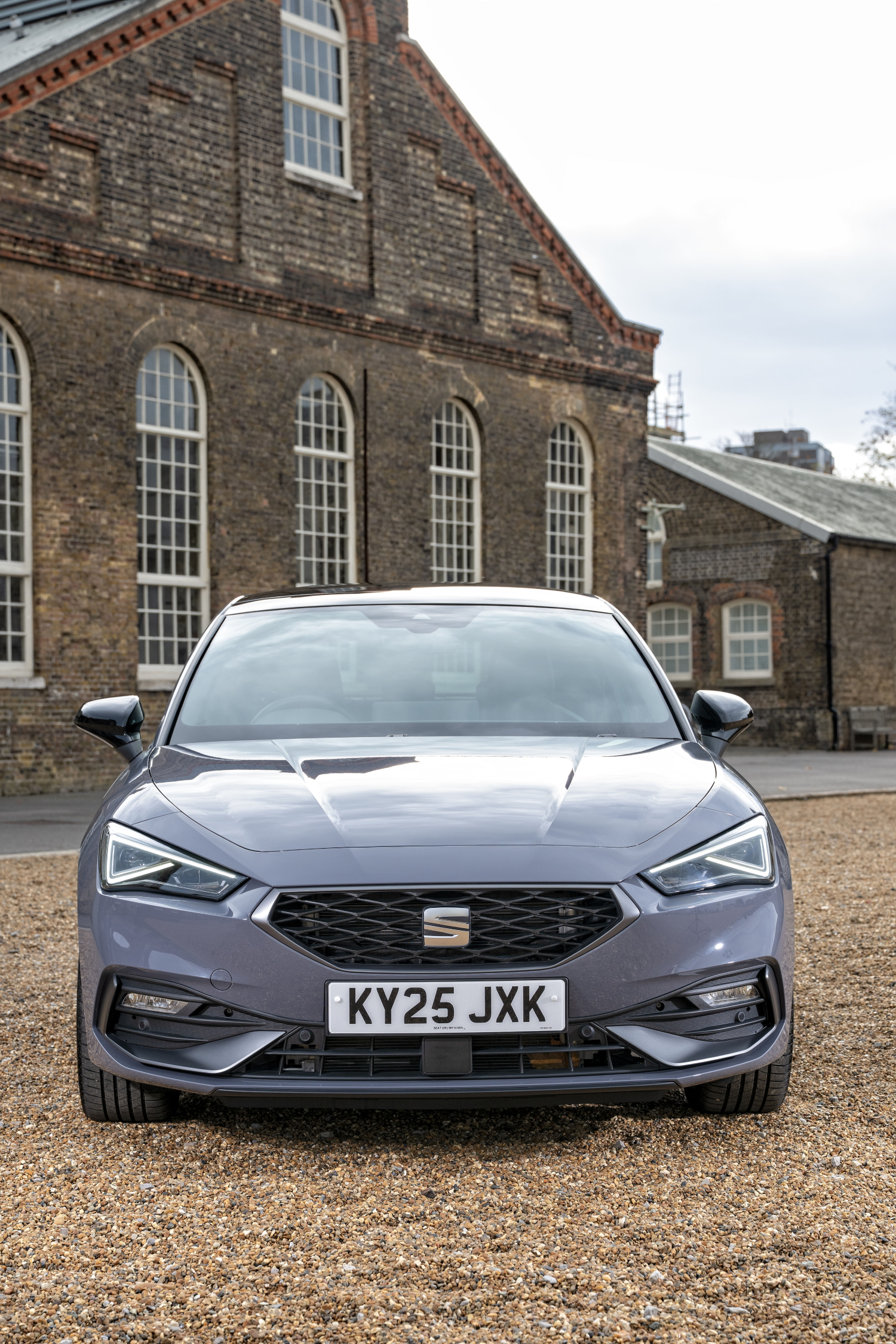
The Seat Leon’s chassis is firmly set up. However, some components show wear at higher mileages. The front wishbone bushes and anti‑roll bar bushes can wear out over time. This leads to knocking or rattling noises over uneven surfaces, especially at low speeds and in corners. Replacement is relatively straightforward and prevents further damage to the chassis.
Under normal use, the shock absorbers last on average between 80,000 and 120,000 kilometres, depending on driving conditions. Wear is noticeable through reduced comfort. The car may also sag. A longer braking distance is possible. Check the shock absorbers regularly for leaks or signs of wear.
In models with sports suspension, such as the FR and Cupra versions, wear is faster due to the firmer set‑up. The Leon’s brakes also deserve attention. The rear brake discs can start to rust if the car is used little. This leads to reduced braking power. Vibrations under braking can occur. Use the handbrake regularly and have the brakes checked periodically.
Interior and bodywork: finish and durability
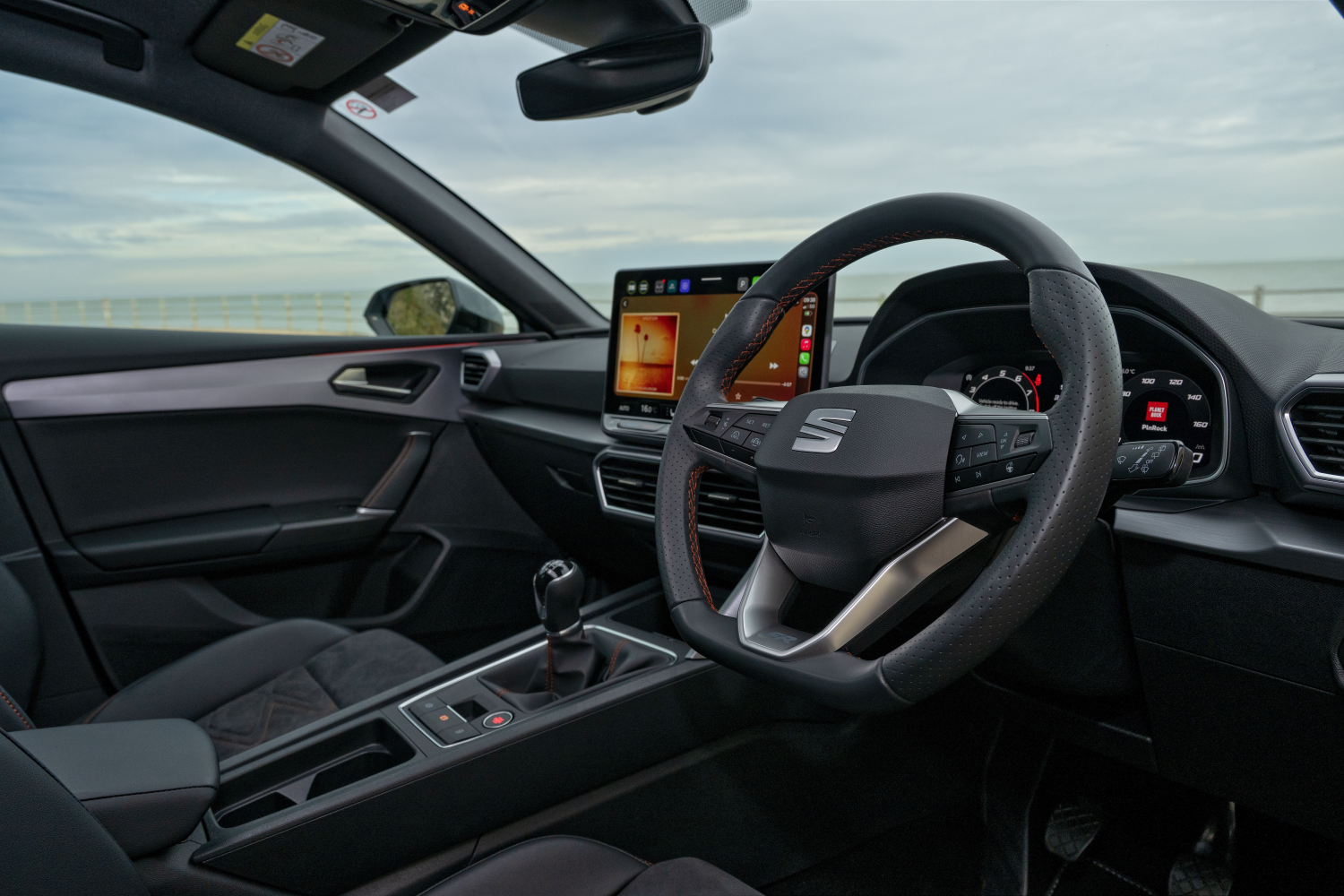
The interior of the Seat Leon generally feels solid, but some weak points are visible in older models. Wear on the seat upholstery, loose trim and creaking noises from the dashboard occur, especially with intensive use. These are cosmetic issues that do not affect functionality, but they do detract from the overall impression.
Rust is a well‑known problem in first and second generation Leons. The damage can be considerable and affect the car’s value. Rust spots appear around the wheel arches. The tailgate and sills are also vulnerable, especially on cars used in areas where a lot of road salt is spread in winter. Inspect these areas thoroughly when buying second‑hand. Have rust treated in good time to prevent further damage.
The paint finish is robust, but small stone chips can lead to rust if not treated. Newer generations have better paint quality, but they are not immune to wear from environmental influences either.
‘ “A thorough test drive helps to spot problems at an early stage.” ’
Prevention is better than cure: tips for maintenance and prevention
Regular maintenance is the best way to prevent problems with the Seat Leon and can significantly reduce the risk of costly repairs. Stick to the service intervals specified by the manufacturer. Use quality oil that meets the correct specifications. For models with a TSI engine, have the timing chain checked from 100,000 kilometres onwards. Replace it if necessary to prevent engine damage.
For DSG gearboxes, changing the DSG oil every 60,000 kilometres is a sensible measure to extend service life. Check the infotainment system software and have updates installed at the dealer if required. Use the car regularly for longer drives to avoid problems with the particulate filter on diesel engines.
When buying, carefully examine the service book. Ask about any recalls or manufacturer campaigns for your specific model. A thorough test drive helps to spot problems at an early stage. Pay attention to the way it changes gear. Listen for engine noises. Check all electronic functions.
Buying a used Seat Leon: what should you look out for?
When buying a used Seat Leon, it is sensible to check carefully for known weak points. Inspect the service book. Ask whether the timing chain has been checked or replaced. Find out whether the DSG oil has been changed. Check whether the turbo has been inspected. During a test drive, watch out for jerky shifting, clutch judder or warning lights on the dashboard.
Check the bodywork for rust, especially around the wheel arches, sills and tailgate. Open the bonnet and look for signs of oil leaks, particularly around the turbo and cam cover. Test all electronic functions, such as the parking sensors, infotainment system and air conditioning.
For diesel models, ask about the condition of the particulate filter. Check whether the car has been driven on longer journeys recently. For DSG models, a test drive in town is essential, as well as a drive on the motorway to assess how the gearbox shifts. In doubt? Then have an independent garage carry out an inspection before you complete the purchase.
The Seat Leon: a sensible choice if you pay attention to maintenance
The Seat Leon offers a lot of car for the money. It combines a sporty appearance with practical space and modern technology. However, the car does have recurring weak points that call for proper maintenance and a considered purchase. Problems with the timing chain, DSG gearbox, turbo and electronic systems are regularly reported. These are often manageable with preventive maintenance and timely repairs.
If you pay attention to regular maintenance and are critical when buying, the Leon is a reliable and affordable choice in the compact segment. The shared technology with Volkswagen and Audi means that parts are widely available and many garages are familiar with these models. If you take the right precautions, the Seat Leon offers a pleasant ownership experience with little risk of major financial surprises.