Windscreen wipers and ACC sensor problems on the SEAT Leon call for two different checks: the automatic wiper function uses a rain sensor on the windscreen, while ACC relies on a radar at the front. Dirt can temporarily disrupt both systems. After damage or repairs, the sensor mounting and alignment deserve particular attention. If you are looking at a used car, Carnews also has more on problems with the SEAT Leon. Where do you start when the wipers play up or Front Assist fails?
Recognising an ACC sensor fault on the SEAT Leon
A message such as ‘ACC not available’ does not immediately mean the radar is faulty. According to the SEAT handbook, ACC can temporarily stop working when the sensor does not have a clear view or is not correctly adjusted. Snow, mud and dirt on the grille are therefore the first things to check.
Pay attention to when the warning appears. Does it only happen during winter journeys and disappear after cleaning? If so, obstruction is a likely cause. Does the message return in dry weather too, especially after bumper work or parking damage? Then have the radar, its mounting and the wiring inspected. Clearing a fault code alone will not tell you why the system failed.
Why a light bump to the bumper matters
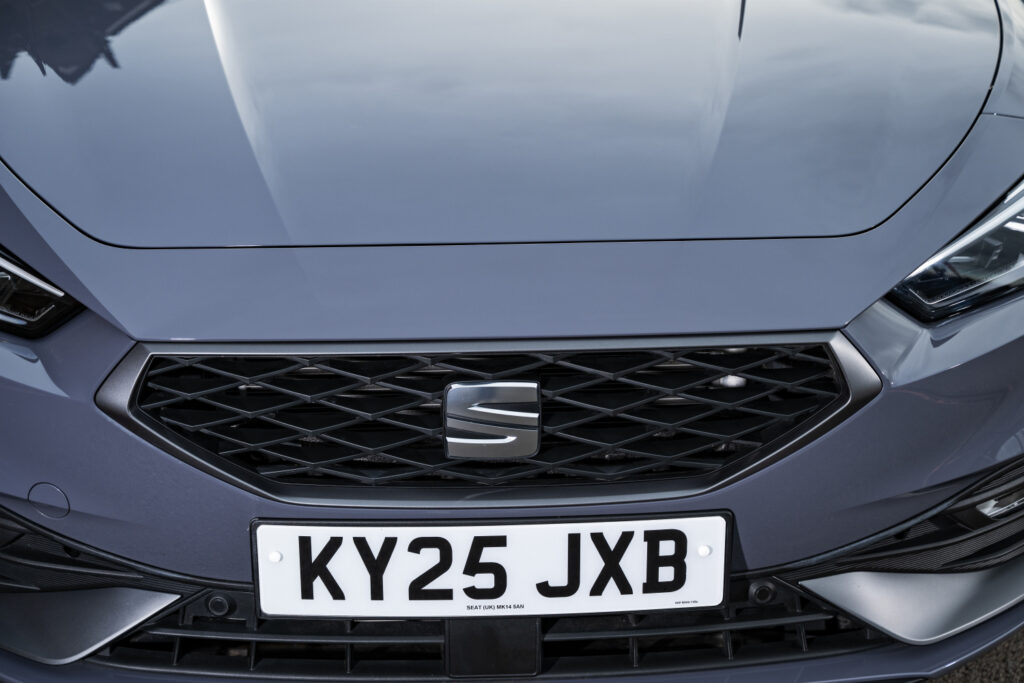
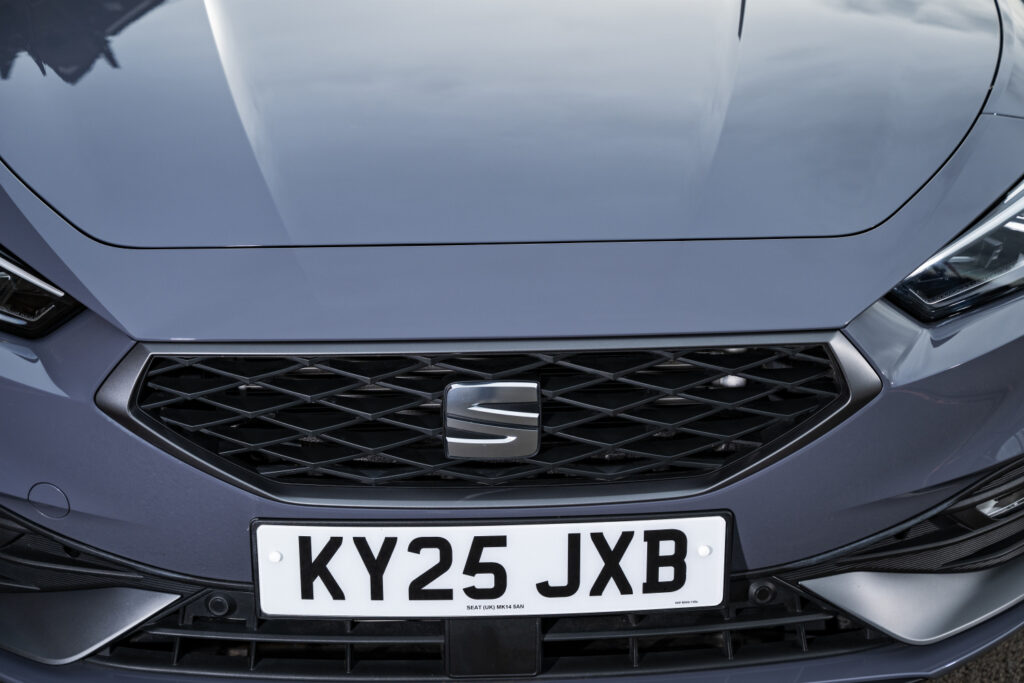
On many Leon variants, the ACC radar is mounted low at the front. It sits behind or close to the grille and bumper. The exact position depends on the model year and trim level. As a result, a bumper can look tidy from the outside while the bracket behind the plastic has shifted or been damaged.
The radar must point in the right direction to measure distance and relative speed. After a knock against a post, removing the bumper, or fitting a different grille, checking the mounting is therefore worthwhile. Do not try to adjust the bracket yourself. A workshop can determine whether alignment and calibration are needed according to the procedure for that Leon.
Wipers not working on the SEAT Leon: what should you test?
First distinguish between wipers that do not move at all and wipers that only fail to respond in automatic mode. These are different faults. Test the wipers manually first. Do they work then? Check the switchgear and the rain sensor. Only then look at the wiper motor.
On a Leon with a rain sensor, this is behind the rear-view mirror against the windscreen. The automatic function is usually activated with a position on the wiper stalk; a control adjusts the sensitivity. According to the available SEAT information, on some variants it may need to be activated again after starting. So check how your car works before assuming there is a fault.
This short test helps to narrow down the cause:
- Move the stalk out of automatic mode and switch the wipers on manually.
- Clean the glass in front of the sensor behind the rear-view mirror.
- Switch on automatic mode and increase the sensitivity.
- Test with water that wets the sensor area evenly.
- If there is still no response, have the sensor, controls and electrical connection checked.
If no wiper moves at all, even manually, a problem with the rain sensor is not an adequate explanation. Also have the power supply, fuses, controls and wiper mechanism checked. Do not keep driving if you do not have enough visibility in the rain.
A replacement windscreen can affect the wiping function
The rain sensor must make proper contact with the windscreen. After windscreen replacement, a poorly fitting optical coupling, the layer between the sensor and the glass, can disrupt the response. The wipers may then react too late, irregularly, or too often. Ask the windscreen fitter to check the sensor mounting if the complaint started shortly after replacement.
Are the Leon’s wipers responding too often in particular? First reduce the sensitivity and clean the windscreen without wax or silicone residue. Also check whether a sticker or accessory is covering the sensor area. New wiper blades will not solve a problem with the sensor mounting.
Front Assist not available on the SEAT Leon
If ‘Front Assist not available’ appears at the same time as an ACC warning, first look at the area in front of the radar. Depending on the version, both functions may use information from front-facing sensors. Two warnings do not automatically mean two faulty components. Clean the grille and check for ice, mud or damage.
First park the car safely. Then inspect the front. Use water and a soft cloth; do not direct a high-pressure jet at close range at the sensor area. Then switch the ignition off and restart. If the message returns while the sensor is clean, have the relevant control units read with equipment that supports the Leon’s driver assistance systems.
The rain sensor behind the rear-view mirror is not the same sensor as the ACC radar. So a faulty automatic wiper function does not, by itself, explain an ACC warning. If several warnings appear at once, the diagnosis should also include power supply, wiring and communication between the systems.
Checking bumper sensor damage on the SEAT Leon
On a used Leon, bumper sensor damage is an important point to check. Ask about ACC operation. Also ask whether the front bumper, grille or windscreen has been replaced before. Repairs are not a problem in themselves; the issue is whether the sensors were then fitted correctly and, where necessary, checked or calibrated.
During the inspection, look out for these signs:
- A grille that does not fit properly or signs of repair around the front bumper.
- Damaged mounting points, a crooked bumper or loose parts.
- An ACC or Front Assist warning that returns after cleaning.
- Automatic wipers that have started behaving differently since the windscreen was replaced.
- No information about diagnosis or calibration after repair work.
Test ACC during a safe test drive. Check the automatic wipers only when this can be done without distraction. If in doubt, ask for a diagnosis before buying. A radar can look intact. Yet the bracket may be crooked. A diagnostic read-out, inspection of the mounting and, if necessary, calibration provide more clarity than a quick reset.
On the Carnews website you will find much more about SEAT Leon problems, driver assistance systems and points to look out for when buying a used car. Find out more on Carnews before you have a fault repaired or buy one.
Frequently asked questions
The combination points to a CAN bus communication fault, usually caused by damaged wiring, a poor connector connection or a faulty central electronic module. As a result, both the wiper control and the ACC sensor temporarily lose communication.
A voltage drop in the fuse box can reduce the supply voltage to both the ACC electronics and the windscreen wiper motor. As a result, ACC may report faults or switch off, while the windscreen wipers work slowly, irregularly or not at all. Check the power supply, earths, fuses, relays and connections for corrosion or high resistance.
First read out the relevant control units and check the power supply, earths, connectors and wiring loom. Then inspect the ACC sensor, sensor holder, mounting points and alignment for damage, moisture or movement. Using suitable SEAT/VAG diagnostic equipment, carry out a static or dynamic calibration according to the factory procedure. Finish with a test drive under safe conditions and check again for fault codes.