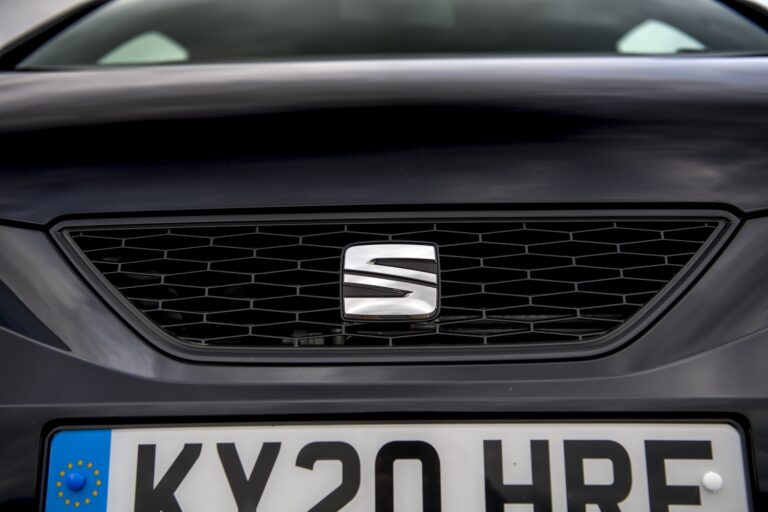
Seat Mii: all common problems listed
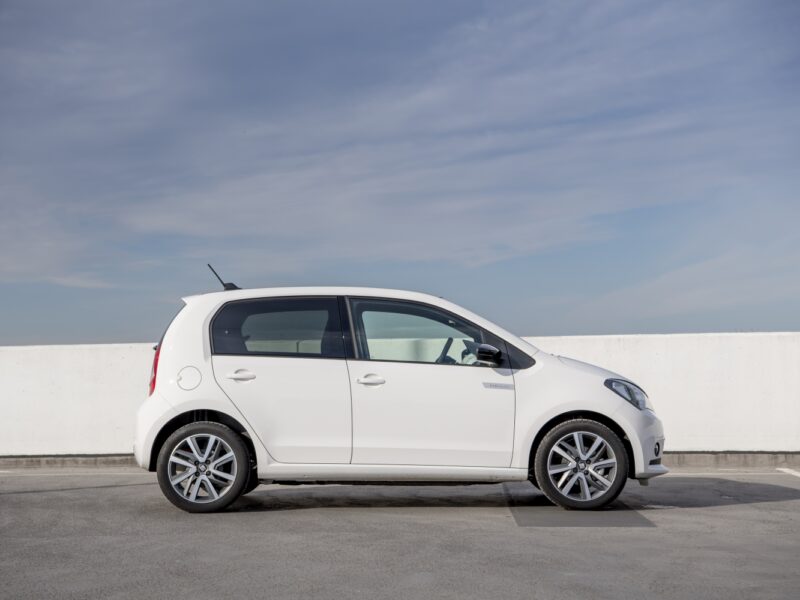
The Seat Mii is a compact city car that was popular for many years with drivers looking for efficiency and agility. Although the Mii and its technical siblings, the Volkswagen up! and Skoda Citigo, are reliable in many respects, owners regularly face specific problems. From engine issues to electrical faults and wear to the suspension: anyone considering buying a Mii, or who already owns one, would do well to be aware of these ailments. That helps to avoid unpleasant surprises and to take action in good time.
The Seat Mii shares its platform with the Volkswagen up! and Skoda Citigo, which means that many problems also occur with these sister models. For a complete overview of car problems with Seat it is sensible to look not only at the Mii but also at known issues with other models from the brand. In this article we discuss the most frequently reported problems with the Seat Mii, from engine and gearbox to electronics and bodywork.
Overall reliability: how does the Seat Mii score?
The Seat Mii generally scores reasonably well for reliability, mainly thanks to its simple technology and low weight of around 929 kilograms for the petrol version. Owners report that the car is well suited to daily city use, with few major technical issues in the first years. That said, over time and at higher mileages, problems do start to appear.
Forums and owner experiences show that the 1.0-litre three-cylinder petrol engine is generally reliable, but that electrical systems and specific components can show wear more quickly. The electric Mii Electric, introduced as an emission-free alternative, has its own teething troubles with battery management and charging systems. With used examples, it is wise to carefully check for known issues, as minor maintenance can quickly turn into major repairs.
‘ Regular servicing and timely replacement of wear parts help to prevent this. ’
Engine problems that occur regularly
The 1.0-litre three-cylinder petrol engine in the Seat Mii is relatively simple in design, but that does not mean owners do not report problems. A common complaint is rough running at low revs, especially on cold starts. Contaminated injectors or ignition problems can be the cause. Have this checked by a specialist to prevent further damage.
Loss of power also occurs, especially with older examples with more than 100,000 kilometres on the clock. The complaint manifests itself as a sluggish response to the accelerator pedal. A clogged air filter, defective ignition coils or a slow response from the throttle pedal module are possible causes. Regular servicing and timely replacement of wear parts help to prevent this. In addition, some owners report higher than expected oil consumption, which may indicate leaking gaskets or worn piston rings. Check the oil level regularly and top up if necessary.
Gearbox problems with manual and automatic
Most Seat Mii models are fitted with a five-speed manual gearbox, which is generally reliable. Nevertheless, owners occasionally report shifting difficulties, especially in cold weather. The gear lever can then feel stiff or offer resistance when changing into certain gears. This often points to a worn clutch cable or problems with the clutch plate itself.
There are more complaints with examples featuring an automated manual gearbox (ASG). This system combines a manual gearbox with an automated clutch system, which can lead to jerky gear changes or delayed responses. This problem often worsens as the car gets older. Possible causes include software errors, a defective actuator or clutch wear. A software update may sometimes help, but in serious cases component replacement is necessary.
Electrical and electronic faults
Electrical problems are among the most commonly reported complaints with the Seat Mii. The infotainment system can freeze or refuse to respond, causing the radio, navigation and other functions to stop working. This occurs mainly in models from before 2015. A reset can offer temporary relief. A software update or replacement of the unit is often required for a permanent solution.
The start-stop system, which automatically switches off the engine when stationary to save fuel, also suffers from faults. Owners report that the system sometimes does not work or works irregularly, which may indicate a weak battery or a defective sensor. Have the battery and connections checked if this problem occurs. In addition, sensors for the parking assist and tyre pressure monitoring system can fail or give error messages. This can lead to warning lights on the dashboard that do not go out.
With the electric Mii Electric there are specific problems with the charging system. Some owners report that the car does not charge or charges very slowly, which may indicate a defective charging cable, problems with the wall box, or a fault in the battery management system. Always check the charging equipment first before going to the garage.
‘ This is a safety issue. ’
Suspension and steering problems
The suspension of the Seat Mii is light and simply designed, but this means components can show wear more quickly. A common problem is worn shock absorbers, especially at the front. Symptoms include a bouncy ride, sagging suspension or creaking noises over bumps. Have the shock absorbers checked during a service and replace them if necessary.
The stabiliser bar bushes and ball joints can also wear over time, leading to play and rattling noises while driving. This is particularly noticeable in models that do a lot of short city trips. The suspension is often stressed in city use by kerbs and potholes. Regular inspection of these components prevents more serious damage to the suspension.
The electric power steering can also cause problems. Owners sometimes report that the power steering cuts out or feels heavier than normal. This may indicate a defective power steering motor or an electrical problem. This is a safety issue. Have it checked immediately if you experience this.


Interior and bodywork: small but annoying defects
Although the Seat Mii is not known for major bodywork problems, owners do report minor inconveniences. Over time, interior trim can start to produce rattling or creaking noises. Older examples suffer from this more often. It is often caused by loose clips or worn mounting points in the dashboard or door panels.
The electric windows can also be temperamental. Owners report that the window controls respond sluggishly or even fail completely. This often points to a defective window mechanism or an electrical fault. In models that are regularly parked outside, moisture can enter the door panels. Moisture makes electric window problems worse.
Rust is not a widespread problem with the Seat Mii, but does occur in specific places. Pay particular attention to the sills, wheel arches and the bottom edges of the doors. Minor stone chips are normal. Stone chips can develop into rust spots. Check these areas regularly and have any damage repaired quickly.
Recalls and manufacturing defects
The Seat Mii has several official recalls that owners should be aware of. One well-known recall concerned a problem with the fuel line, which could start leaking under certain conditions. This led to an increased risk of fire. Owners of affected models were instructed to have their car inspected and repaired at a Seat dealer.
There was also a recall for a possible defect in the driver’s airbag, where in rare cases the airbag might not deploy correctly in a collision. This issue affected several Volkswagen Group models, including the Mii. Always check via the RDW (Dutch vehicle authority) or the SEAT website whether your car is subject to an active recall.
In addition to official recalls there are known manufacturing defects. These have not always led to a recall. Examples include software problems with the engine management system or faults in the ABS system in early production years. Dealers can often resolve these issues with a software update.
‘ For common problems, such as worn shock absorbers or defective sensors, solutions are available at reasonable cost. ’
How to spot problems early and what to do
Spotting problems in good time prevents more serious damage and higher costs. Watch out for the following symptoms that may indicate technical problems with the Seat Mii:
- Rough running of the engine on cold starts
- Jerky or sluggish gearchanges from the gearbox
- Warning lights on the dashboard that do not go out
- Creaking or rattling noises from the suspension
- Power steering that becomes heavier
- Slow-responding or failing electric windows
- Problems charging the electric Mii
If you notice one or more of these symptoms, book an appointment at an approved garage or Seat dealer. Use a diagnostic tool to read out any fault codes. This helps to quickly pinpoint the cause of the problem. For common problems, such as worn shock absorbers or defective sensors, solutions are available at reasonable cost.
Maintenance tips to prevent problems
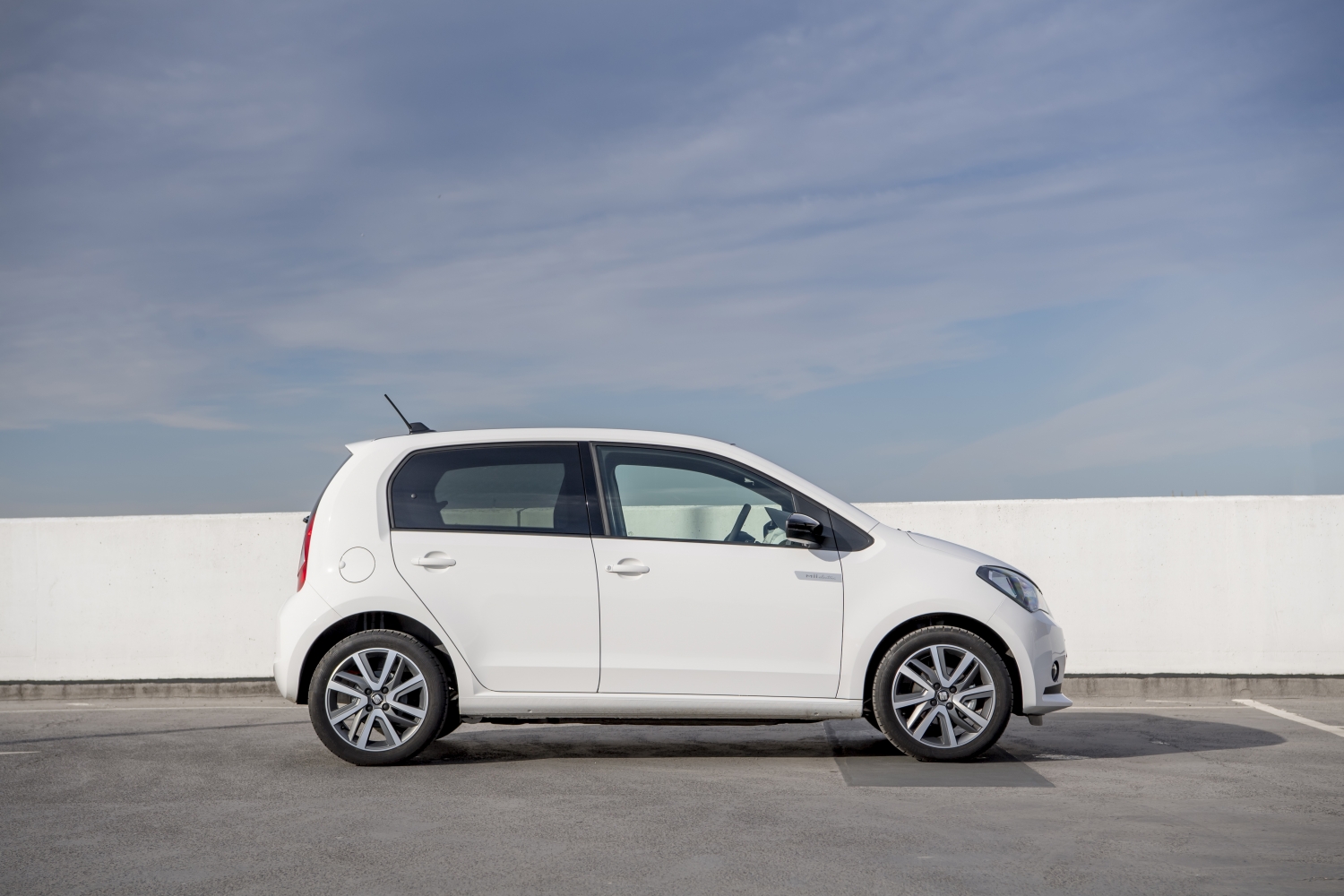
Regular servicing is the best way to prevent problems and extend the life of your Seat Mii. Follow the service schedule as described in the service book and have the car inspected annually or every 15,000 kilometres at a garage.
Also regularly check the oil level, coolant and tyre pressure yourself. Too little oil can lead to engine damage, while incorrect tyre pressure places unnecessary strain on the suspension and running gear. Replace the air filter and spark plugs in line with the manufacturer’s recommendations. This ensures the engine continues to run smoothly.
For the electric Mii Electric it is sensible not always to charge the battery to 100 per cent, unless you are planning a long trip. Charging to around 80 per cent extends the life of the battery. It is also wise not to leave the car standing for long periods with an empty battery, as this can damage the battery.
With heavy city use, pay extra attention to the condition of the suspension. The combination of many short trips, kerbs and speed bumps puts extra stress on the shock absorbers, springs and ball joints. Have these components checked annually during the service.
Buying a used Seat Mii: what to look out for
When buying a used Seat Mii there are specific points to watch that help you avoid surprises. Firstly, check the service book and ask for proof of servicing carried out. A complete service history is often evidence of careful use and timely maintenance.
Take a test drive and pay attention to the following points:
- Start the engine and listen for irregular running or strange noises
- Test the shift behaviour of the gearbox, both with a cold and a warm engine
- Check that all electrical functions work, including windows, radio and sensors
- Listen for creaking noises from the suspension over bumps
- Check that the power steering operates smoothly
- With the Mii Electric: test the charging system and ask about the battery condition
Also check the condition of the bodywork. Inspect the sills, wheel arches and bottom edges of the doors for rust. Minor stone chips are normal. Larger rust spots may indicate poor maintenance or damage. Ask the seller about any recalls and whether they have been carried out.
For the electric Mii Electric it is important to check the condition of the battery. Many dealers can perform a battery test that shows how much capacity remains. A battery with less than 80 per cent of its original capacity can lead to a severely reduced driving range.
‘ Regular servicing, timely repairs and attention to known weak spots are important to prevent problems. ’
The Seat Mii remains an affordable city car with known weak spots
The Seat Mii is a compact and economical city car that is well suited to everyday use, especially in urban environments. Although the car is generally reliable, it does have specific problems that occur regularly. From engine problems and gearbox faults to electrical defects and suspension wear: anyone who knows these issues and acts in good time can enjoy the Mii for many years.
Regular servicing, timely repairs and attention to known weak spots are important to prevent problems. For anyone considering buying a used Seat Mii, it is sensible to check carefully for the issues mentioned and always take a test drive. With the right approach, the Mii remains an affordable and practical choice for anyone looking for a nimble car.