
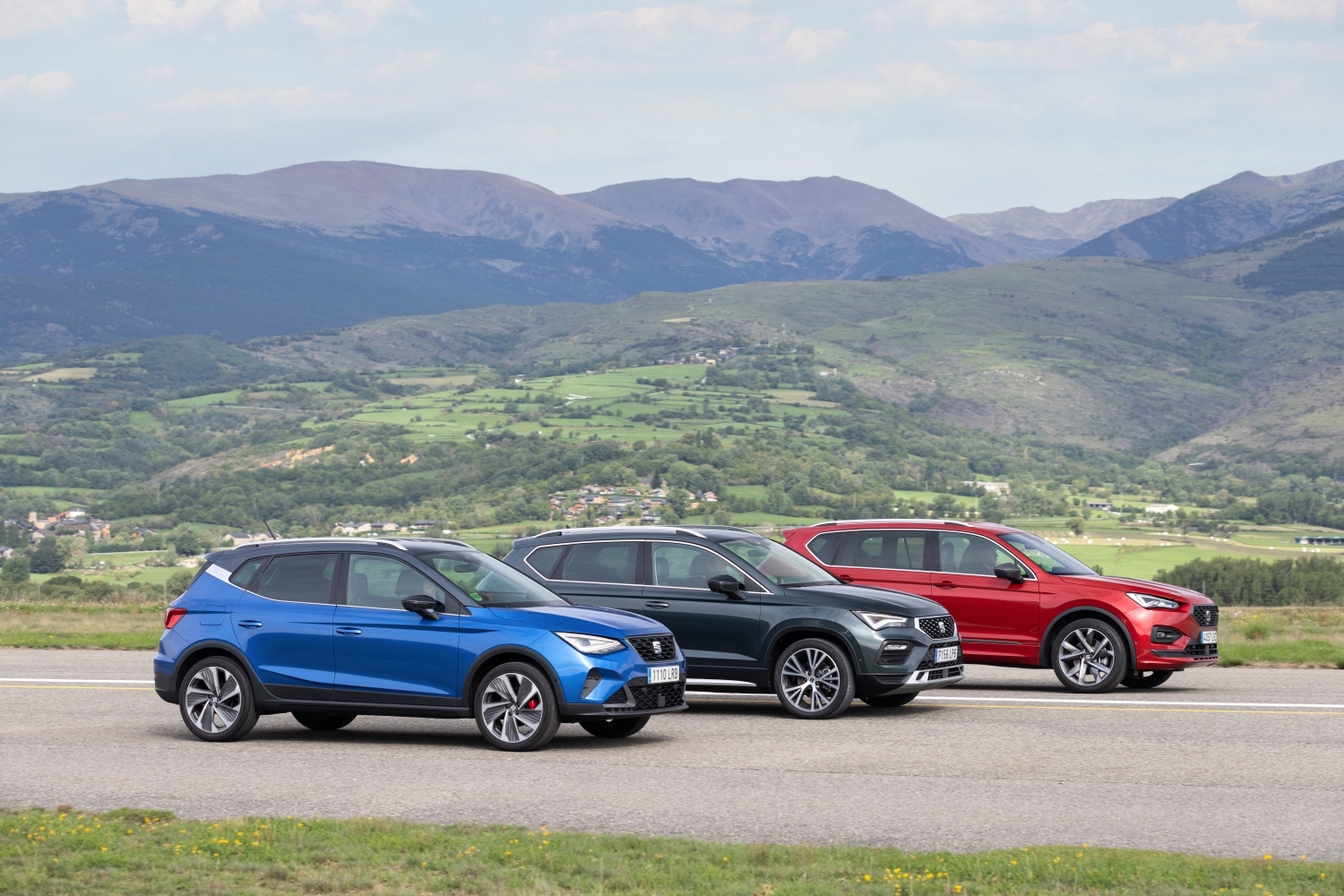
Seat Tarraco: common problems and points to watch out for
The Seat Tarraco is a spacious SUV with seven seats that has been popular with families since 2018, but like every model, this Spanish SUV has its technical weaknesses. The Tarraco shares a solid platform with other models from the Volkswagen Group. Even so, owners report various problems with the drivetrain, electronics and suspension. This article offers a complete overview of these points of attention, so that as an owner or buyer you know what to look out for and how to avoid costly repairs.
Why the Tarraco is attractive for families
The Seat Tarraco occupies a strong position in the competitive SUV segment. With a length of 4,735 mm and a wheelbase of 2,790 mm, the model offers plenty of space for seven people. The luggage compartment ranges from 230 to 760 litres, depending on the configuration of the second and third row of seats. That flexibility makes the Tarraco suitable for both family holidays and everyday journeys.
The engine range is diverse. Petrol options such as the 1.5 TSI with 150 hp are available. Diesel engines such as the 2.0 TDI offer a choice between economy and performance. Front-wheel drive is standard on the Tarraco, but 4Drive is available for better traction. The towing capacity goes up to 2,200 kg, which is useful for caravan owners. Despite these qualities, there are technical problems that occur regularly. For a broader picture of problems you may encounter with Seat models, take a look at the page on Seat car problems.
‘ Reliability depends heavily on maintenance and the specific engine variant. ’
Reliability according to owners and experts
The overall reputation of the Seat Tarraco in terms of reliability is mixed. Many owners appreciate the space and ride comfort, but also note that certain parts show wear earlier than expected. The combination of modern technology and complex drivetrains sometimes leads to faults that can be expensive.
Experts point out that the Tarraco shares many components with the Volkswagen Tiguan Allspace and the Skoda Kodiaq. This means that problems occurring in those models can also appear in the Tarraco. Reliability depends heavily on maintenance and the specific engine variant. Regular servicing in line with the manufacturer’s specifications can prevent many problems.


Engine problems with petrol and diesel
The petrol options in the Tarraco, such as the 1.4 and 1.5 TSI, are in principle economical and powerful. Even so, some owners report problems with the turbo and oil consumption. Over time, the turbo can show a loss of power or faults due to contamination or wear of the bearings. This is noticeable through whistling noises or a lack of pulling power.
With the 2.0 TDI diesel engine, other issues are reported. The EGR valve (a component that routes exhaust gases back into the engine) regularly becomes clogged at higher mileages, which leads to rough idling and increased fuel consumption. The DPF particulate filter (a filter that removes soot particles from the exhaust) also requires attention: with lots of short journeys the filter does not regenerate sufficiently and becomes clogged. In addition, there are known cases where the injectors fail, resulting in starting problems and higher fuel consumption.
Possible causes of engine problems:
- Insufficient maintenance of the turbo
- Use of incorrect fuels or oil
- Too many short journeys with diesel engines
- Wear on the EGR valve (which routes exhaust gases back) due to contamination
If you notice a loss of power or irregular running, always have a diagnostic check carried out. Acting early prevents more expensive damage to the engine.
Transmission problems with manual and DSG
The manual gearboxes in the Tarraco are generally reliable, but issues do occur here as well. Some owners report that the gearbox is heavy to shift or that grinding noises occur. This may indicate wear of the clutch or problems with the synchromesh rings.
The seven-speed dual-clutch gearbox (DSG automatic) is more sensitive to problems. Hesitation when changing gear, vibrations at low speeds and unexpected gear changes occur. In more serious cases, the DSG can fail completely. This leads to expensive repairs. The cause often lies in worn clutches or software problems in the transmission control unit.
Symptoms of transmission problems:
- Jerks or hesitation while changing gear
- Vibrations in the car when stationary or at low speed
- Warning lights on the dashboard
- Smell of a burning clutch
Make sure the transmission oil is changed according to the schedule. In case of DSG problems, it is wise to go to a specialist quickly, because delaying can lead to further damage.
‘ Software updates can often resolve these problems, but not always permanently. ’
Electrical problems and infotainment faults
Modern cars like the Tarraco are packed with electronics. That creates vulnerabilities. Owners regularly report faults in sensors, including the parking sensors and the rain sensor for the wipers. These can fail without warning or give false alerts.
The infotainment system (the central screen and control system for media and navigation) with a touchscreen of 8.25 to 9.2 inches is also not always fault-free. Some users experience freezes, slow response times or failures of Bluetooth and navigation. Software updates can often resolve these problems, but not always permanently.
In addition, electrical problems occur with the lighting and the start-stop systems. Lights can fail due to defective LED modules, and the battery for the start-stop system can drain faster than expected, especially with many short journeys.
Solutions for electronic issues:
- Have the infotainment system software updated at the dealer
- Check the battery regularly and replace it in good time
- Test sensors when faults occur using diagnostic equipment


Suspension, steering and brake faults
The Tarraco’s suspension consists of independent MacPherson struts at the front and multi-link suspension at the rear. Although this setup is comfortable, owners report rattling noises from the suspension. This can be caused by worn bushes in the suspension components or failed shock absorbers.
Ball joints and control arm bushes are prone to wear, especially with intensive use or poor road surfaces. This shows up as nervous handling and clicking noises when steering. The steering system, which is electric, can also develop play or feel heavier than normal.
With the brakes, wear on the brake discs and pads occurs, which is normal for any vehicle. However, some owners report that the brake discs rust or crack more quickly, particularly on cars that are not used much. Brake fluid must also be changed regularly to guarantee optimum braking performance.
Common suspension problems:
- Rattles or thumps over uneven surfaces
- Uneven tyre wear due to wear in the suspension
- Play in the steering system
- Rust forming on brake discs
If you notice strange noises or unsettled steering behaviour, have the suspension checked. Worn components can lead to increased wear on other parts.
Interior and bodywork defects
The finish of the Tarraco’s interior is generally solid, but minor defects do occur. Rattles in the dashboard or around the centre console are a recurring point of criticism. These can be caused by loose clips or poorly fitting parts.
Water ingress is another issue to watch out for. Some owners report water getting into the boot or around the doors, especially after heavy rainfall. This may indicate poor seals around the windows or tailgate.
As for the bodywork, there are reports of early rust formation, mainly on the underside or around the wheel arches. This is more common on cars used in areas where a lot of road salt is spread in winter. The paintwork can also be vulnerable to stone chips, particularly on the bonnet and front bumper.
‘ It is sensible to respond to this quickly, because it concerns safety or reliability. ’
Official recall actions
Since its introduction, the Seat Tarraco has been subject to several recall actions (where the manufacturer asks owners to come in for a free repair of a safety-related problem). These actions relate to various components and safety systems. One well-known recall concerned the seatbelt pretensioner, which might not function correctly in certain circumstances. There were also recalls for problems with the fuel line and software problems in the engine management.
Recalls are carried out free of charge by the dealer. As an owner you receive an official letter from Seat with information about the problem and the procedure. It is sensible to respond to this quickly, because it concerns safety or reliability.
Check whether your Tarraco has been affected by a recall via the RDW website (Dutch vehicle authority) or at your Seat dealer. Enter the registration number or chassis number for a complete overview.
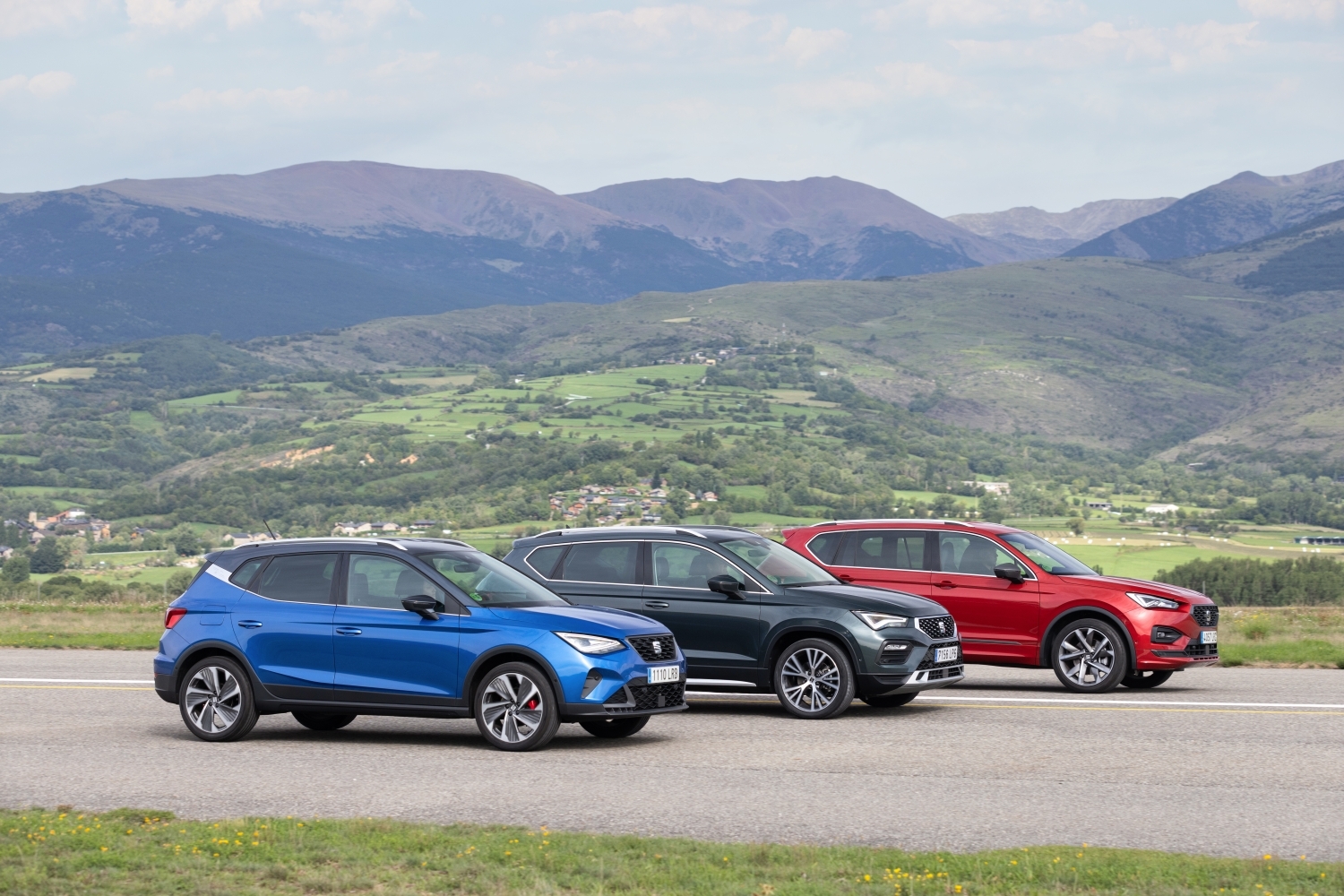

Preventive maintenance and advice for owners
Preventive maintenance is the best way to avoid problems with the Tarraco. Follow the manufacturer’s service schedule closely and do not skip any services. The oil capacity is 4.5 litres. Always use the correct specification. For TSI petrol engines, ROZ 95 (petrol with octane rating 95, equivalent to regular 95-octane unleaded) is the standard.
Pay attention to the following during maintenance:
- Replace the DSG automatic transmission oil according to the schedule
- Check the particulate filter regularly on diesel engines and occasionally take a longer drive
- Inspect the suspension for wear, especially bushes and shock absorbers
- Keep an eye on the battery, especially with start-stop systems
- Have software updates carried out at the dealer
Also keep the underside of the car clean, especially in winter. Road salt accelerates rust formation. Regular washing including the underside prevents premature corrosion.
Step-by-step plan for faults or defects
If you experience a fault or defect, tackle it using the following steps. Start with a diagnosis: have the car read with diagnostic equipment at a garage. Many problems can be traced via fault codes in the onboard computer.
Write down all symptoms and when they occur. This helps the mechanic to find the cause more quickly. Always ask for a cost estimate before repairs are carried out, so you are not faced with unexpected bills.
Check whether the problem is covered by the warranty. Seat’s factory warranty is standard for two years, but some parts have a longer warranty period. On second-hand purchases, any remaining warranty may still be valid. Keep invoices for servicing and repairs; these are needed for warranty claims.
For serious problems or if you have doubts about the quality of the repair, you can contact the importer or call in an independent expert.
‘ This costs a few hundred euros but can save you thousands of euros in repair bills. ’
What to look out for with a used Tarraco
If you are considering buying a used Seat Tarraco, pay close attention to the following points. Check the service book and make sure all services have been carried out. An incomplete service history may indicate hidden problems.
Test the DSG automatic thoroughly during the test drive. Look out for hesitation, vibrations or strange noises when changing gear. Drive both in town and on the motorway to get a complete picture. Also check the operation of the start-stop system and look for warning lights on the dashboard.
Inspect the underside of the car for rust. Pay particular attention to the wheel arches and under the bonnet. Ask whether the car has been used in areas with a lot of road salt. Also check the condition of the suspension: knocking noises or play in the suspension can indicate worn components.
Points of attention when buying:
- Complete service history available
- No warning lights on the dashboard
- Smooth operation of the transmission
- No water ingress in the interior or boot
- Check whether recall actions have been carried out
Have an independent technical inspection carried out before purchase. This costs a few hundred euros but can save you thousands of euros in repair bills.
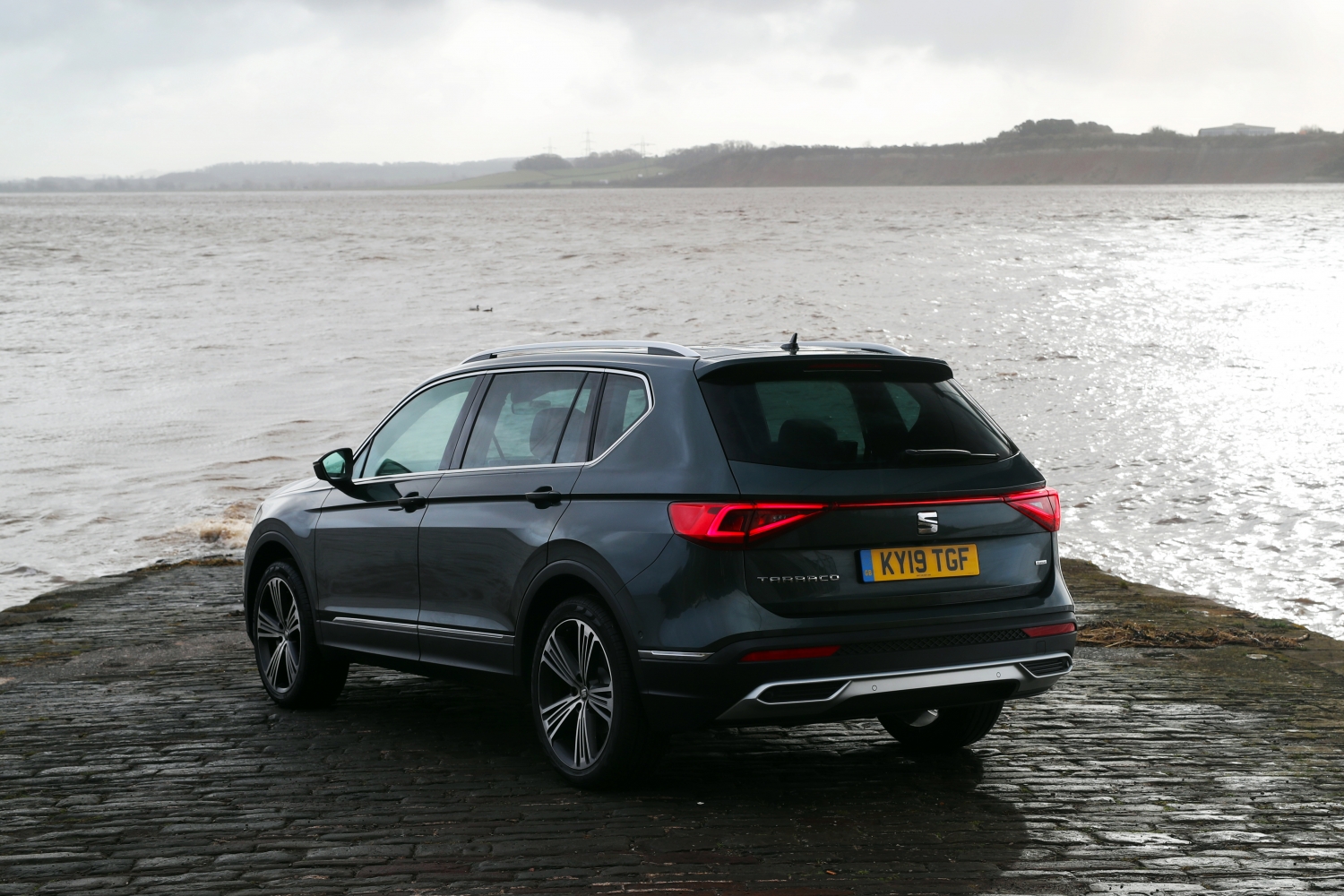

The Tarraco as a family car: a realistic assessment
The Seat Tarraco offers a lot of car for your money: space, comfort and a solid platform. The combination of seven seats, flexible luggage space and modern drivetrains makes the model attractive for families. Even so, there are technical points of attention that you should not ignore.
The problems with the DSG automatic, electronics and suspension occur regularly and can be costly. Preventive maintenance and acting promptly in the event of faults are therefore important. Those who are prepared to maintain the car properly and stay alert to warning signs can have a reliable car in the Tarraco.
For those who are unsure: do thorough research, test extensively and check the service history. Make sure that all services have been carried out, have an independent inspection performed and check whether recall actions have been completed. These steps will help you avoid expensive surprises.