Seat Toledo: known problems and what to look out for
The Seat Toledo was produced in four generations between 1991 and 2019 and has a history as an affordable family car using Volkswagen technology. The car offers space and fuel efficiency. Over the years, however, the model has suffered from recurring technical issues. These mainly affect the engine, transmission and electronics. If you want to buy a Toledo or already own one, it is sensible to know exactly where the weak spots are.
Seat Toledo: a brief history
Seat introduced the Toledo in 1991 as a four-door fastback with a practical 550-litre liftback boot. The car shared its platform and many components with the Volkswagen Golf Mk2, and later the Golf Mk3 and Mk4. That made servicing and repairs relatively straightforward.
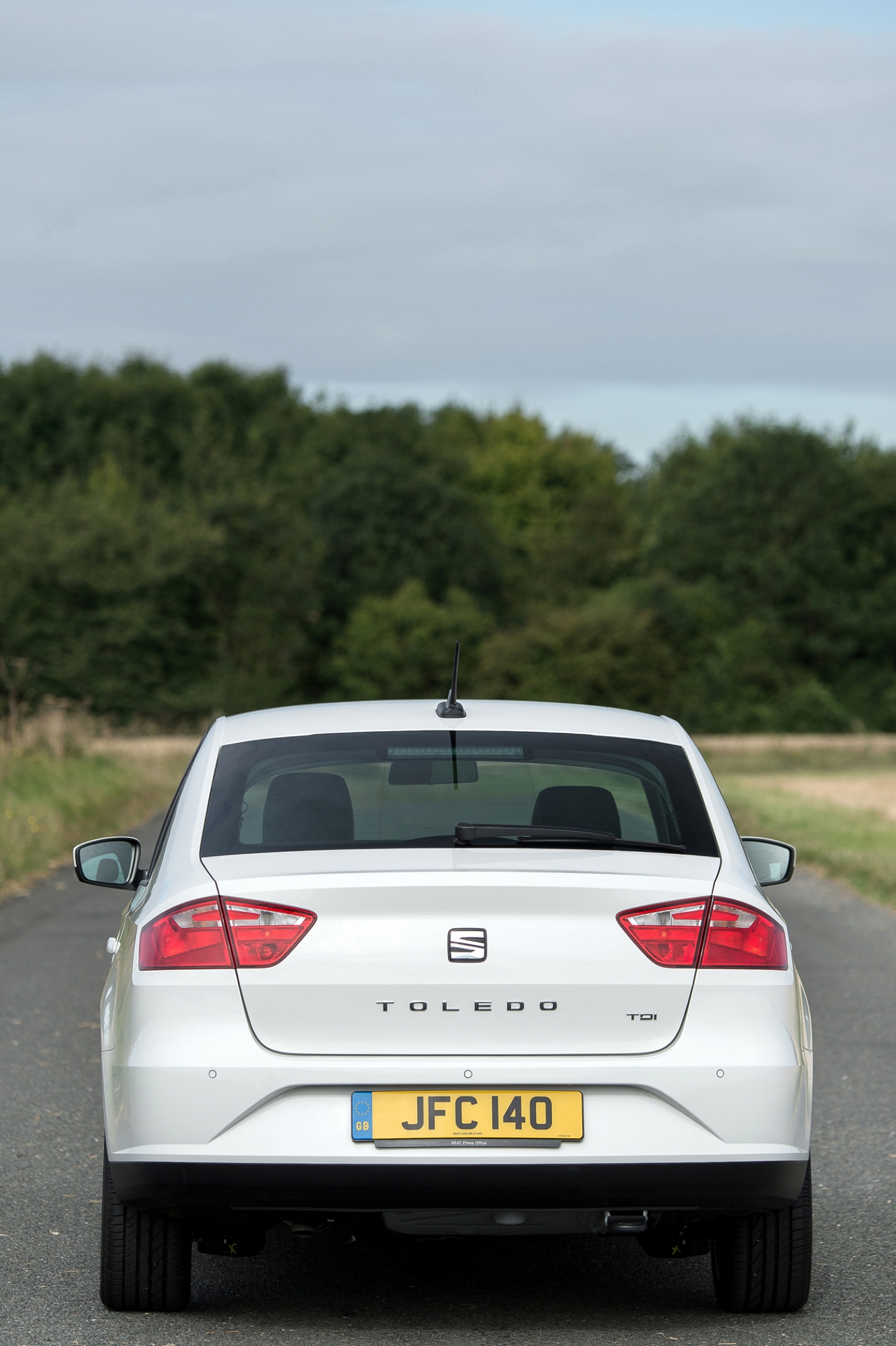
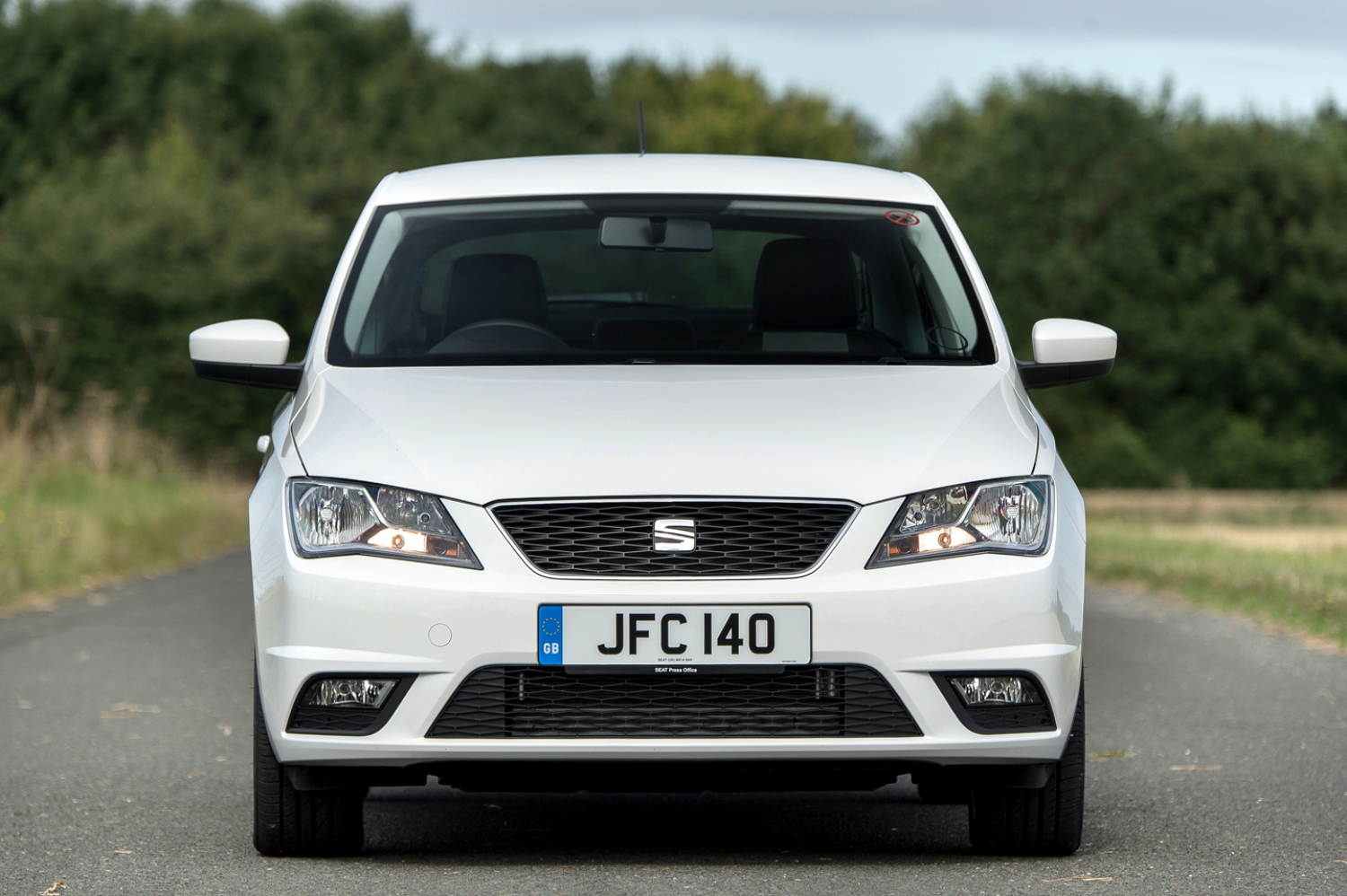
The second generation (1998–2004) adopted a saloon-style body with a sportier look. The third generation (2004–2009, with a facelift up to 2015) opted for a modern hatchback style. The fourth generation (2012–2019) returned to a conventional saloon. Across all versions, the focus remained on space and affordability. Seat also consistently used components from the VW Group. For anyone looking for a car with a large boot and modest purchase price, the Toledo is an interesting option. However, all four generations come with their own set of problems. Some complaints about Seat car problems crop up across several generations.
‘ On all generations, defects in the front suspension and worn anti-roll bars are frequently reported complaints. ’
Characteristic problems by Seat Toledo generation
The first generation (Typ 1L, 1991–1999) is mainly affected by rust around the wheel arches and sills. This can occur after only a few years of use. In addition, the seals around the liftback boot opening become fragile, allowing water to enter. The second generation (1M2, 1998–2004) suffers from problems with the electric windows and the central locking system. Clutches also wear out on higher-mileage cars.
The third generation (5P, 2004–2015) is popular because of its generous luggage space and economical TDI engines (Turbocharged Direct Injection, a type of Volkswagen diesel engine). However, this generation struggles with failures in the EGR valve (Exhaust Gas Recirculation valve, which routes exhaust gases back into the engine to reduce emissions) and software problems in the onboard computer. The DSG automatic gearbox (Direct-Shift Gearbox, a dual-clutch automatic transmission) is also prone to wear. The fourth generation (NH, 2012–2019) lost the liftback functionality and developed issues with faulty sensors, problems with the stop–start system and electrical bugs in the infotainment system. On all generations, defects in the front suspension and worn anti-roll bars are frequently reported complaints.
Engine problems: from misfiring to faults
The Toledo’s petrol and diesel engines are derived from Volkswagen units, but they also inherit the well-known weak spots. The 1.9 TDI is a reliable workhorse, but it is sensitive to neglected service intervals. Blocked EGR valves occur regularly and cause misfiring, reduced power and higher emissions. Clean or replace the EGR valve in good time to prevent these issues.
The 1.6 TDI in later generations suffers from faults in the engine management electronics, often caused by software problems. Warning lights appear on the dashboard. The engine may idle unevenly and sometimes lose power while driving. The injectors can show wear at high mileages, leading to higher fuel consumption and a rough-running engine.
The TSI petrol engines (Turbocharged Stratified Injection, a type of Volkswagen petrol engine), particularly the 1.4 and 1.8 litre versions, have their own issues. These centre on the timing chain and the water pump. If maintenance is inadequate, the chain can stretch or jump, which can cause expensive engine damage. Check whether the timing belt/chain has been replaced according to schedule and listen for rattling noises when the engine is started from cold.
Transmission and clutch: signs of wear
The Toledo’s manual gearboxes are generally reliable. However, the clutch wears more quickly with intensive city driving. Symptoms include a high biting point, vibrating pedals and difficult gear changes. Plan to replace the clutch between about 120,000 and 150,000 kilometres, depending on driving style.
The DSG automatic gearbox in the third and fourth generations is more prone to failure. Owners report jerky gear changes, hesitation when pulling away and software fault codes. This is often caused by old transmission oil. Wear in the dual-clutch pack inside the DSG unit is also a factor. Have the transmission oil changed every 60,000 kilometres and check whether software updates have been carried out.
In more serious cases, the mechatronics unit can fail. This is the electronic and hydraulic control unit for the DSG gearbox. Repairs are expensive. DSG problems are a well-known weak point on many VW Group cars from this period. When test-driving, always assess how smoothly the gearbox shifts, both at low speed and on faster roads.
‘ Inspect these areas thoroughly when buying used and have damaged parts replaced immediately to prevent further deterioration. ’
Chassis and suspension: rattles and handling
The Toledo’s front suspension is prone to wear, particularly in ball joints, rubber bushes and anti-roll bars. You may hear knocking or rattling noises when driving over uneven surfaces. These noises can also be heard when cornering. Check the rubber bushes and mounts for cracking and play.
Shock absorbers lose their damping effect over time, resulting in a bouncy ride and longer stopping distances. Replace shock absorbers in pairs to maintain balance. The rear axle can also suffer from worn bearings, which you will hear as a humming noise that increases with speed.
Rust around the suspension mounting points and subframe is common on first and second generation Toledos, especially in regions where roads are gritted in winter. Inspect these areas thoroughly when buying used and have damaged parts replaced immediately to prevent further deterioration.
Electronics and sensors: the invisible pitfalls
Modern Toledos from the third and fourth generations contain a lot of electronics and sensors. This brings added vulnerability. The ABS sensor (anti-lock braking system, which prevents the wheels from locking under hard braking) can become contaminated or fail. Warning lights appear and the ABS system is disabled. Clean the sensors regularly and replace them if faults persist.
The stop–start system in the fourth generation suffers from software problems. As a result, the engine may cut out unexpectedly or fail to restart automatically. This can usually be resolved with a software update at the dealer. The parking and rain sensors also sometimes malfunction due to corrosion in their connections.
Central locking problems occur across all generations. Doors that will not open or lock may indicate defective actuators located inside the door. Replace these individual components to keep costs down. Also make sure the alternator and battery are in good condition. A weak battery can cause all sorts of electrical issues.
Braking system and safety: points to watch
The Toledo’s braking system is generally reliable, but discs and pads wear with intensive use. Watch out for vibrations through the brake pedal or squealing noises, which indicate worn pads or warped discs. Replace these parts in good time to keep stopping distances short.
On older cars, the ABS pump can suffer from internal leaks, and defective valves are also seen. The brake pedal may feel spongy, and a warning light will appear on the dashboard. Have this checked by a garage immediately, as a faulty ABS system has a direct impact on safety.
After many years, the handbrake can go out of adjustment or seize due to rust in the cables. Check that the handbrake holds the vehicle securely and adjust it if necessary. If there is severe corrosion, replacing the handbrake cables is the only solution.
‘ Rust around the wheel arches, door sills and boot edge is common on first and second generation models. ’
Interior and exterior: cosmetic and functional defects
The Toledo’s interior is functional, but the materials are prone to ageing. The dashboard and door panels may begin to creak and rattle after a few years. Loose clips and worn plastics are common causes. Seat upholstery also wears faster in heavily used cars, especially those without leather seats.
Rust around the wheel arches, door sills and boot edge is common on first and second generation models. Inspect these zones carefully before buying and have any rust spots treated immediately. The paintwork can also fade or peel, particularly on the roof and bonnet.
Water leaks caused by worn rubber seals around the doors and boot are also common, particularly on the first generation with the liftback. Moisture inside the car can lead to mould and corrosion on electrical components. Replace damaged seals and regularly check drain channels for blockages.


Preventive maintenance: how to minimise risks
Stick to the prescribed service intervals and replace oil and filters on time. Diesel engines benefit from regular cleaning, including the EGR valve and inlet manifold. Have the timing belt or chain replaced according to schedule. If it jumps, it can cause serious engine damage.
Check the suspension annually for wear and replace worn components immediately. This prevents further damage and costly repairs. Keep an eye on the brakes as well and replace discs and pads as soon as there are signs of wear.
Use quality oil and fuel to extend the life of the engine and injectors. Change the DSG automatic transmission oil every 60,000 kilometres and make sure software updates have been carried out. Preventive maintenance saves a lot of money in the long run and helps avoid unexpected breakdowns.
What to look out for when buying a used Toledo
When viewing a used Toledo, first check the service book. Make sure it is complete and believable, and verify that the timing belt/chain, clutch and key wear items have been replaced according to schedule. Ask about any software issues and whether they have been resolved with updates.
Inspect the underside of the car thoroughly for rust, focusing on the wheel arches, subframe and exhaust mounts. During the test drive, assess how the gearbox shifts and listen for unusual noises from the engine and suspension. Check that all electrical systems work properly.
Ask whether the EGR valve and injectors have been cleaned or replaced, especially on high-mileage diesels. Check the condition of the battery and alternator, as a weak battery can cause various electrical complaints. If in doubt, have an independent inspection carried out to uncover hidden defects.
‘ The model has a long lifespan. ’
The Seat Toledo as a used car
The Seat Toledo offers space, efficiency and affordable Volkswagen technology, but across all generations it has a number of recurring weak points. Engine problems with the EGR valve and timing, sensitive DSG gearboxes, wear in the suspension and electronics, and rust on older models are the most common complaints.
With good preventive maintenance and timely repairs, the Toledo can be a reliable family car. The model has a long lifespan. Ideally, choose an example with a manual gearbox, or a diesel engine with a full service history. Always check thoroughly for the known issues before you buy, and have the car inspected if you are unsure. That way, you can enjoy the practical benefits without unpleasant surprises.