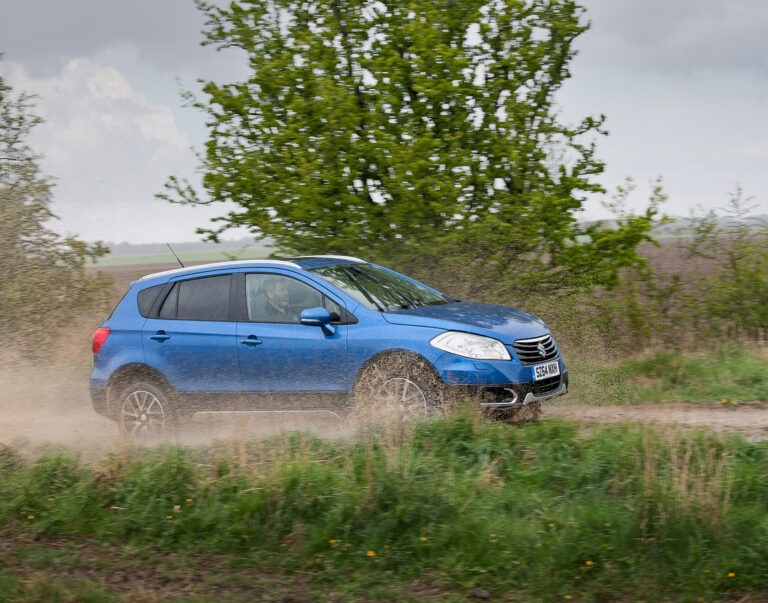
Car problems with Suzuki: issues by model
Suzuki ranks at the top in reliability surveys and owners praise the brand for minimal faults, but older models can suffer from creaking suspension and minor wear-and-tear issues. The good news? Most complaints are easy to fix with preventive maintenance and smart use of the extensive manufacturer’s warranty. Read on to discover exactly what to look out for with your Suzuki model.
How reliable is Suzuki really?
Suzuki consistently scores highly in large-scale reliability surveys. In the 2025 Consumers’ Association survey the brand finished in joint second place with a score of 8.7, just behind Lexus and level with Toyota. Models from model year 2014 to 2025 reported few defects, taking age and mileage into account.
In 2023 Test Aankoop (the Belgian consumer organisation) crowned Suzuki the second most reliable car brand, with Lexus on top and Subaru in third place. Premium brands such as BMW and Mercedes trailed well behind. The British What Car? tests from 2018 even named Suzuki the most reliable brand, with the S-Cross as the top SUV without a single fault.
Popular models such as the Ignis, Swift, S-Cross and Vitara stand out in these rankings. Every year they receive excellent ratings for reliability and customer satisfaction, with an average score of 8.4.
Despite this strong reputation, owners of older models sometimes report creaking or rattling from the suspension and front axle. Cars that are used intensively in town and driven over many speed bumps suffer from this more often. It is seen as a typical “Suzuki quirk” that rarely requires major repairs. In terms of engines, Suzukis remain trouble-free for years, with minimal maintenance costs beyond regular services.
‘ Spray rotating and hinge points with WD-40 if you hear creaking noises. ’
Typical Suzuki problems
Several brand-typical complaints occur with older Suzuki models. The most frequently reported issue is creaking or rattling suspension, particularly at the front. Rubber mounts, bushes and hinges wear out after intensive urban use. The noise is annoying, but usually not a safety risk.
Other common issues are:
- Rattle in the steering rack on some models, often covered by warranty
- Worn wiper blades due to normal wear
- Minor interior noises due to basic trim in budget models
- Occasional electronic warnings on hybrid variants
You can prevent or solve these problems easily. Spray rotating and hinge points with WD-40 or silicone spray if you hear creaks. This prevents more expensive repairs and keeps the suspension quiet for years. Regularly check tyres, battery and wipers. Replace them proactively at the first signs of wear.
Make use of Suzuki’s extensive manufacturer’s warranty. New models have up to 10 years’ warranty with a maximum of 150,000 kilometres. Have servicing carried out by authorised dealers to keep this warranty valid. If you are unsure about noises or warning messages, have them checked free of charge.
Ideally, choose models from 2014 onwards. This generation has proven to score highly on reliability. Hybrid versions such as the Swift and Vitara offer extra efficiency and reliability, with a low risk of breakdown according to roadside-assistance data.
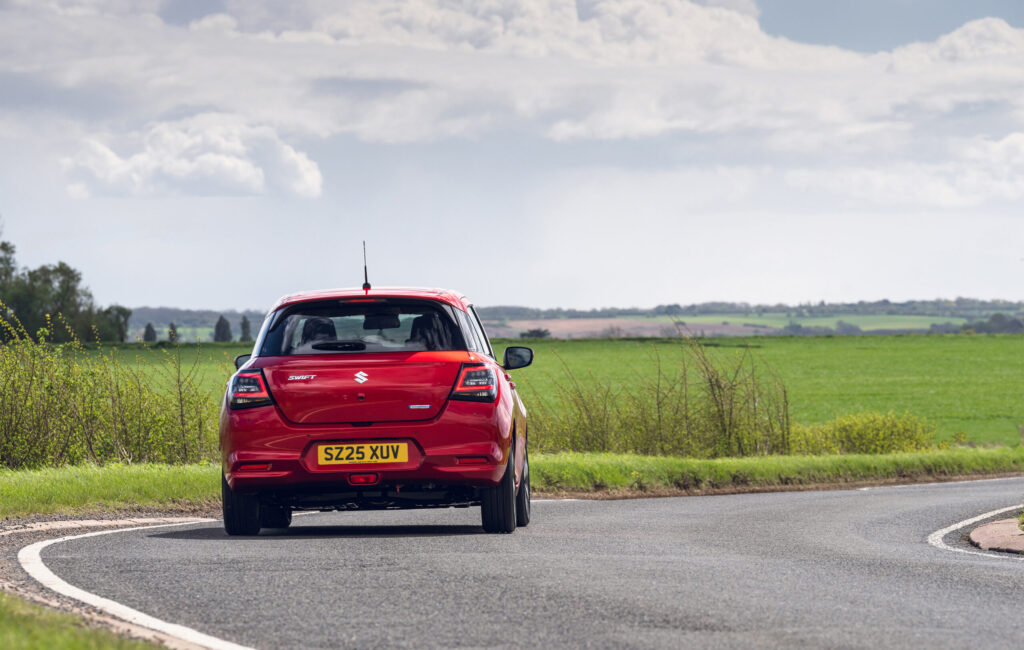
Suzuki Swift – sporty and reliable
The Swift is one of Suzuki’s most popular models and scores excellently for reliability. Even so, older generations have a few points you should be aware of as an owner.
The best-known problem with the Swift is creaking or rattling suspension, especially at the front. This occurs on cars with higher mileages and intensive town use. The cause is usually worn rubber bushes around the wishbone and anti-roll bar. The noise is irritating, but rarely dangerous.
High-mileage Swifts sometimes have a sensitive clutch. Owners occasionally report a heavy or slipping clutch after 100,000 kilometres or more. This is normal for a manual gearbox with intensive use. Gearbox issues are rare, but watch out for gearchange problems when the engine is cold.
Some Swift drivers report minor electronic faults. These include problems with the wipers or central locking. Such issues are rare and usually easy to fix. When buying a used Swift, check that all electrical functions work.
What can you check yourself? During a test drive, listen for creaks when driving over speed bumps. Check how the clutch and gearbox operate. Test all electrical functions. If in doubt, you can treat the suspension points with spray or visit a garage for a diagnosis.
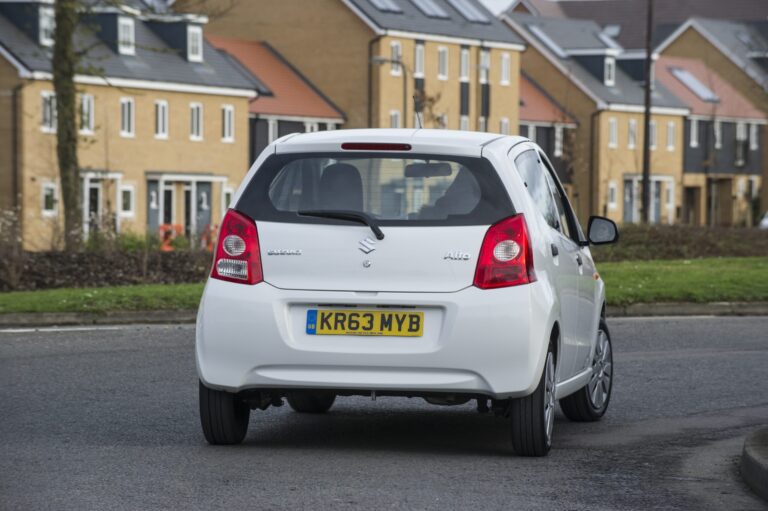
Suzuki Alto – city car
The Alto is a budget-friendly city car with low running costs. In town it has some specific wear issues. Brakes and suspension components wear faster here.
You brake frequently and drive over many speed bumps. As a result, brake pads and shock absorbers wear out more quickly. Motorway use causes less wear. Check the brakes regularly and have the shock absorbers inspected if you notice unusual noises.
Older Alto models can develop rust patches, especially those built before 2010. Look out for rust on sills, wheel arches and the underside. Check this carefully when buying a used Alto. Small rust spots can be treated quickly before they get worse.
The Alto’s interior is simple and practical, but not luxurious. The trim may start to creak or rattle sooner than in more expensive models. This is due to light materials and basic fixings. It is annoying, but not a technical fault.
Keep the Alto reliable and cheap to run with these tips:
- Replace brake pads in good time if you mainly drive in town
- Check the suspension annually for wear
- Inspect regularly for rust and treat small patches immediately
- Lubricate hinges when you hear interior creaks
With proper maintenance the Alto will provide years of worry-free driving at minimal cost.
Read more: Suzuki Alto problems
‘ Mechanically, the Ignis is extremely reliable. ’
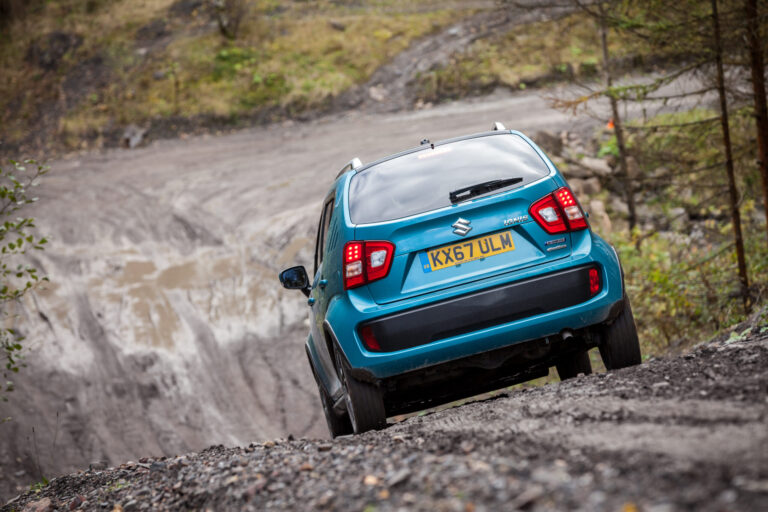
Suzuki Ignis – compact crossover
The Ignis scores highly for reliability in surveys, but it does have a few known points to watch. Most issues are minor and easy to resolve.
The chassis may knock or rattle on older Ignis models. Intensive use particularly wears the small anti-roll-bar links and suspension bushes. The car may have had extra load, for example due to poor road surfaces or frequent heavy loading. You often hear the noise when driving over speed bumps or uneven surfaces. Grease the suspension points regularly or have worn parts replaced.
Some Ignis owners report small electronic issues, such as sensor problems or central-locking faults. These are rare and often easy for the dealer to fix. When buying, check that all electrical functions work correctly.
The Ignis is also available as a hybrid. This version combines reliability with low fuel consumption. With the hybrid, pay attention to the operation of the braking system, which uses regenerative braking. Have the battery checked periodically, even though problems are rare.
Why does the Ignis still score so highly? Most issues are minor niggles that do not lead to breakdowns or expensive repairs. Mechanically, the Ignis is extremely reliable. With proper maintenance the car will run trouble-free for many years. Owners appreciate the Ignis for its hassle-free nature and low costs.
Read more: Suzuki Ignis
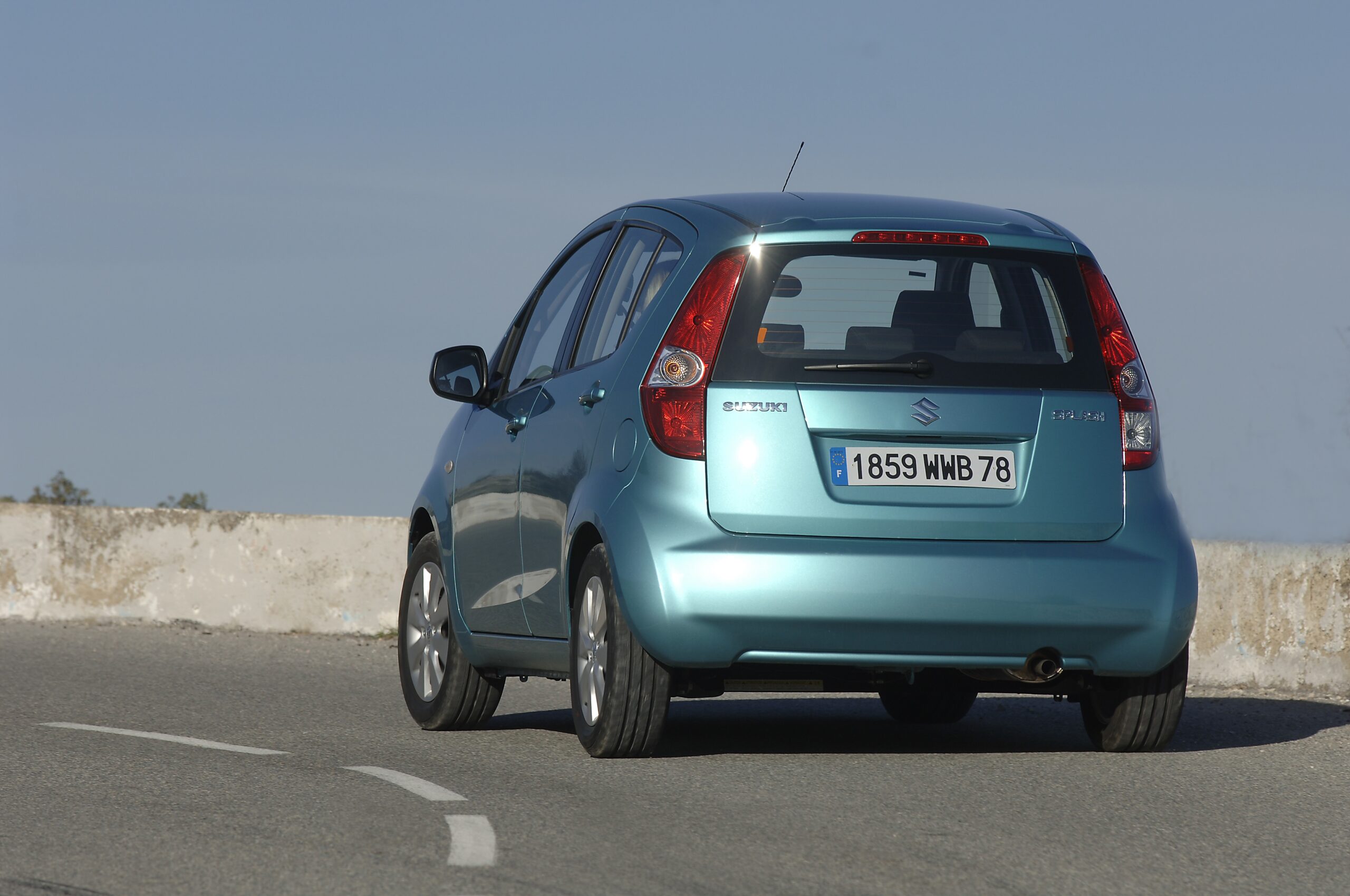
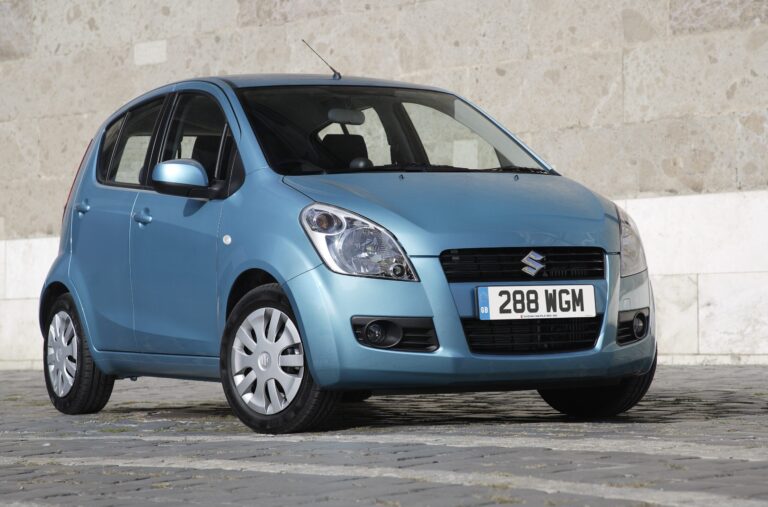
Suzuki Splash
The Splash is a practical family car with generous seating. Like other Suzuki models, it has a few typical wear points.
Families who load the Splash to the maximum will notice faster wear on springs and dampers. Driving with a full load increases stress on these parts. Watch out for a sagging feeling or knocking noises. Have the shock absorbers inspected at high mileages.
Creaking suspension is a known Splash complaint. This is caused by worn rubbers in the front axle. The noise often appears on speed bumps or in sharp bends. Treat it with spray or have the bushes replaced.
Some Splash owners report noises from the steering system. These may range from slight creaks to clear rattles. The steering gear produces this noise due to worn parts in the steering rack. The problem often falls under warranty. Report it to the dealer for inspection and possible replacement.
Older Splash models sometimes have creaking noises in the interior. Plastic parts rub or move slightly loose. The plastic trim may have loose clips or worn fixings. This is not a technical problem, but it can be irritating.
Useful checks for families and high-mileage drivers:
- Check shock absorbers if you often drive fully loaded
- Lubricate suspension points if you hear creaking
- Have the steering rack checked if it rattles
- Inspect interior fixings if you hear squeaks or creaks
With regular maintenance the Splash remains a reliable family car.
Read more: Suzuki Splash
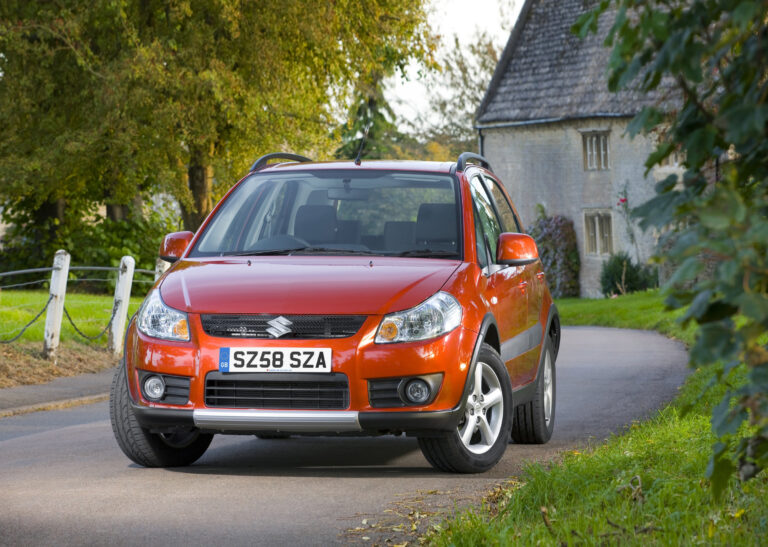
Suzuki SX4 – all-rounder
The SX4 is a popular all-rounder with generous space and optional four-wheel drive. Models from 2006 to 2013 have a few known complaints.
The most commonly reported issue is creaking or rattling suspension at the front. This problem mainly affects older SX4s with higher mileage. Rubber bushes in the wishbone and anti-roll bar wear out. This is due to intensive town use with frequent speed bumps, which causes the noise. It is typical of this generation and seen as a “Suzuki quirk”.
Owners sometimes report rattling noises from the steering system. The noise comes from the steering rack, where moving parts become looser. It can range from slight tapping to clear knocking. The problem occurs on various SX4 model years and often falls under warranty. Have it checked at the dealer.
With four-wheel drive you need to pay extra attention to wear on drive shafts and the differential (the gear unit that drives both wheels). Check the suspension annually for play and worn parts.
Can you fix this yourself? For creaking noises you can treat the suspension points with silicone spray or WD-40. This helps temporarily, but replacing worn bushes is the permanent solution. Rattling steering and other mechanical issues require a professional diagnosis.
Despite these points, the SX4 remains a reliable car. There are hardly any complaints about the engines. With proper maintenance and timely replacement of wear parts, the SX4 will give years of trouble-free service.
Read more: Suzuki SX4
‘ With proper maintenance the Vitara remains a reliable and comfortable SUV with minimal problems. ’
Suzuki Vitara – popular SUV
The Vitara is a popular compact SUV with high reliability scores. Older models do have some known issues, mainly in the running gear.
Older Vitaras sometimes have knocking or creaking noises from the suspension and struts. You’ll hear this especially when driving over speed bumps or taking sharp bends. It is caused by worn rubbers, bushes and bearings at the front. The noise usually appears at higher mileages. This is a typical Suzuki problem.
Some Vitara owners report unexpected warnings on the dashboard, for example from parking sensors or safety sensors. These warnings can range from sensor faults to incorrect system messages. They often disappear after restarting the car or can easily be reset at the dealer.
With four-wheel drive, pay attention to wear on drive components. The propshaft (drive shaft), CV joints (joints in the drive shafts) and seals are sensitive to mud, water and uneven loads. The differential (the gear unit that drives both wheels) and the clutch are under extra stress with intensive off-road use. Check these parts regularly if you drive off-road.
The hybrid Vitara combines reliability with low fuel consumption. This version has few specific problems. Do keep an eye on the operation of the regenerative braking system and have the hybrid battery checked periodically. Problems are rare, but preventive checks avoid surprises.
What does this mean for maintenance? Lubricate suspension points regularly if you hear creaking. Have electronic warnings checked at the dealer. With four-wheel drive, check the drive components annually. For hybrid versions, follow the recommended maintenance schedule for the battery.
With proper maintenance the Vitara remains a reliable and comfortable SUV with minimal problems.
Read more: Suzuki Vitara
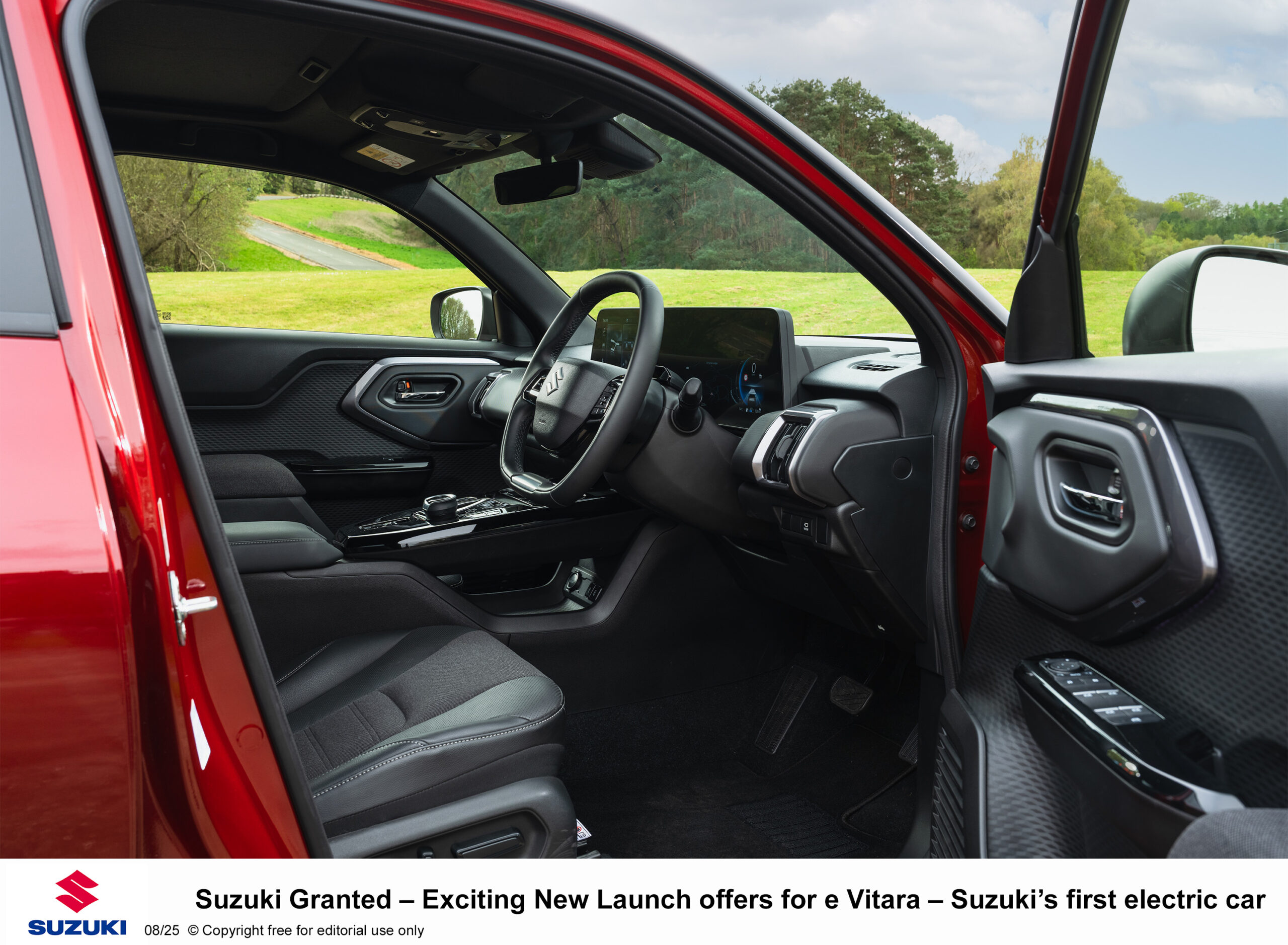
Suzuki Grand Vitara – rugged 4×4
The Grand Vitara is a rugged four-wheel-drive vehicle, popular with off-road drivers. This intensive use comes with specific wear points.
Drive shafts can wear faster with off-road use. CV joints (joints in the drive shafts) and seals are sensitive to mud, water and uneven forces. Regularly check the shafts for play and replace torn gaiters immediately to prevent further damage.
The differential (the gear unit that distributes drive) and the clutch are under extra load during off-roading. Wear on these components occurs more quickly with intensive use. Watch out for unusual noises or vibrations during acceleration. Have these inspected professionally.
Rust-prone areas appear on Grand Vitaras used heavily off-road. The chassis, wheel arches and sills are particularly vulnerable. Mud and water can remain trapped and cause corrosion. Check the underside regularly and clean it thoroughly after off-road trips.
Key checks for used Grand Vitaras:
- Inspect drive shafts for play and damaged gaiters
- Check the differential for leaks and unusual noises
- Look for rust on chassis, wheel arches and sills
- Test the four-wheel drive system and clutch thoroughly
Limit off-road wear by cleaning the underside regularly. Lubricate rotating and hinge points in the running gear. Replace the oil in the differential according to the maintenance schedule. Treat the Grand Vitara with respect for its mechanicals and it will remain reliable for many years.
Read more: Suzuki Grand Vitara
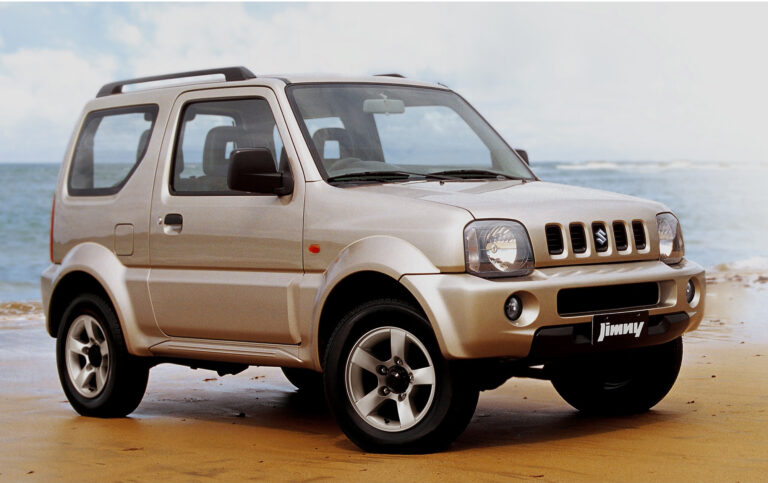
Suzuki Jimny – icon
The Jimny is a compact off-roader with a loyal fan base. This iconic model has some typical points to watch, especially on older model years.
Body and chassis rust is a known issue on older Jimnys. Particularly on pre-2010 models you often see rust on sills, wheel arches, chassis rails and mounting points. This is due to the car’s off-road nature and limited corrosion protection on older versions. Thoroughly inspect the underside before buying.
Wear on four-wheel-drive components occurs with intensive off-road use. Drive shafts, differentials and transfer case are all heavily loaded. Watch for play, leaks and unusual noises. Replace oil regularly in all drive components.
The Jimny sometimes produces wind noise and squeaks in the interior, especially at higher speeds. Due to the boxy shape and simple sealing, wind noise is normal. It is not a defect but a characteristic of this model. Some owners fit additional sealing rubbers.
What can you do yourself to keep your Jimny in top technical condition?
- Clean the underside regularly after off-road use
- Treat rust spots immediately with protective products
- Lubricate hinges and suspension components
- Replace oils in differential and transfer case on time
- Check drive shafts for play and damaged gaiters
The Jimny is robust and reliable when properly maintained. Older model years need extra attention for rust, but with careful use they will keep going for many years.
Read more: Suzuki Jimny
‘ The S-Cross is a worry-free crossover with minimal niggles and excellent reliability. ’
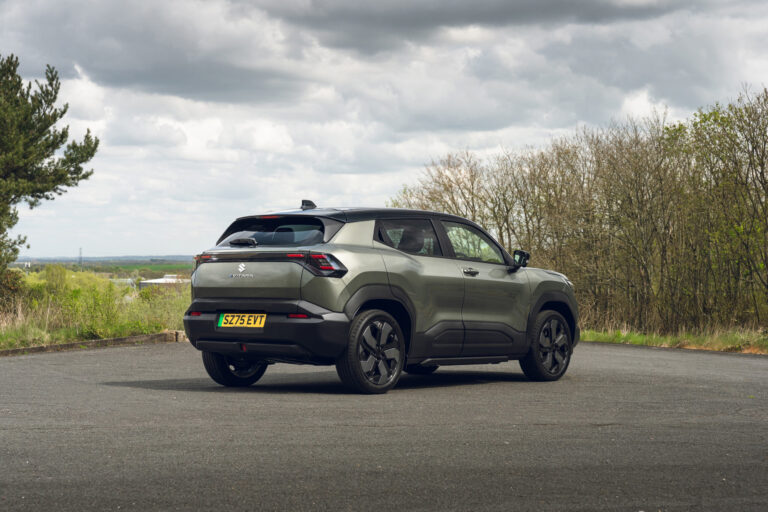
Suzuki S-Cross – good crossover
The S-Cross scores above average in reliability surveys. In the British What Car? test the model was named a top SUV without a single fault. Even so, there are a few rare points to watch.
The suspension on older S-Cross models can creak or rattle. This occurs less frequently than on other Suzukis, but it’s not impossible. Worn bushes or anti-roll-bar links cause this noise. Treat it preventively with spray or replace worn parts.
Parking sensors or safety sensors sometimes give a fault warning. Owners occasionally report problems with parking sensors or the tyre-pressure monitoring system. These issues are rare and usually easy to reset or recalibrate at the dealer.
The infotainment system (screen with navigation and audio) has minor issues on some model years, such as slow responses or connection problems with smartphones. Software updates at the dealer usually resolve this.
Why is the S-Cross often regarded as problem-free? Most owners report no faults at all, even after years of use. There are hardly any engine complaints. The car remains reliable with normal use and standard maintenance.
Maintenance tips for the S-Cross:
- Follow the regular maintenance schedule
- Have electronic warnings checked as soon as they appear
- Inspect the suspension if you notice unusual noises
- Update the infotainment software if you experience problems
The S-Cross is a worry-free crossover with minimal niggles and excellent reliability.
Read more: Suzuki S-Cross
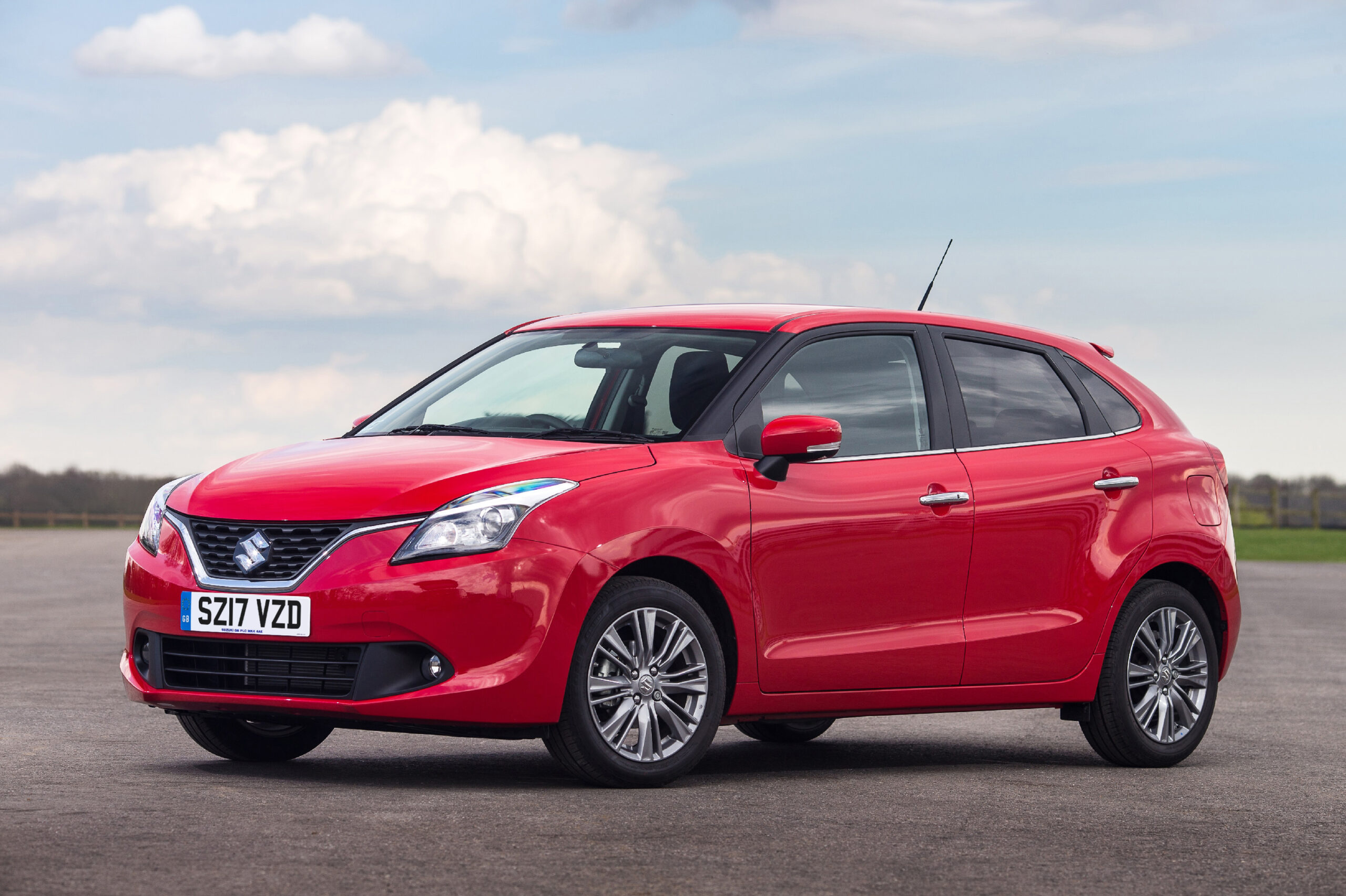
Suzuki Baleno – lightweight and economical
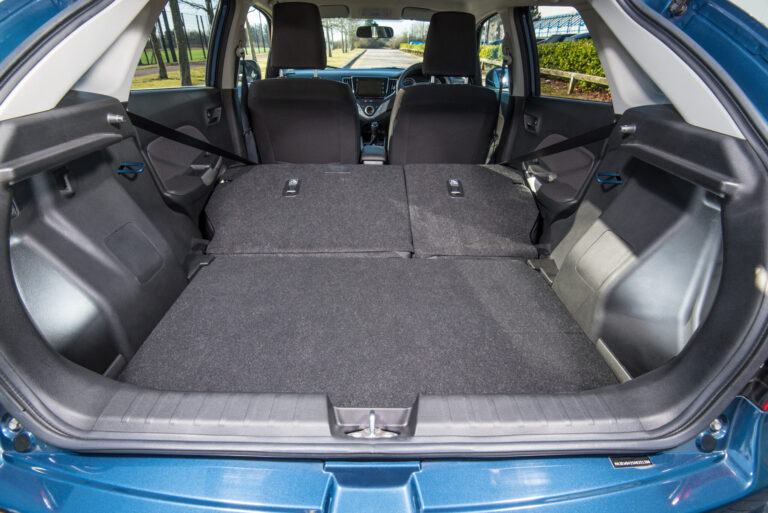
The Baleno is a light, economical hatchback with a spacious interior. This model has a few points to watch with specific types of use.
Springs and suspension may wear faster with frequent motorway or fully loaded driving. The Baleno is designed to be light for maximum efficiency. With full loads or long motorway journeys, the shock absorbers experience extra stress. Check the dampers if the car feels odd or you hear knocking.
The light interior trim may start to rattle sooner than in heavier models. The plastic finish is functional but basic. Loose clips or worn fixings cause squeaks. This isn’t a technical fault, but it can be annoying on smooth roads.
Owners sometimes report small faults in the central locking, problems with wipers or other electrical functions. This can also include dashboard displays that cut out or buttons that don’t respond. These problems are rare and usually easy for the dealer to fix.
Keep the Baleno comfortable and fault-free:
- Avoid extreme loads on long trips
- Check shock absorbers if the car feels different to drive
- Have interior noises checked if squeaks become irritating
- Report electronic faults to the dealer in good time
With normal use and regular maintenance the Baleno remains a reliable and economical car with minimal problems.
Read more: Suzuki Baleno
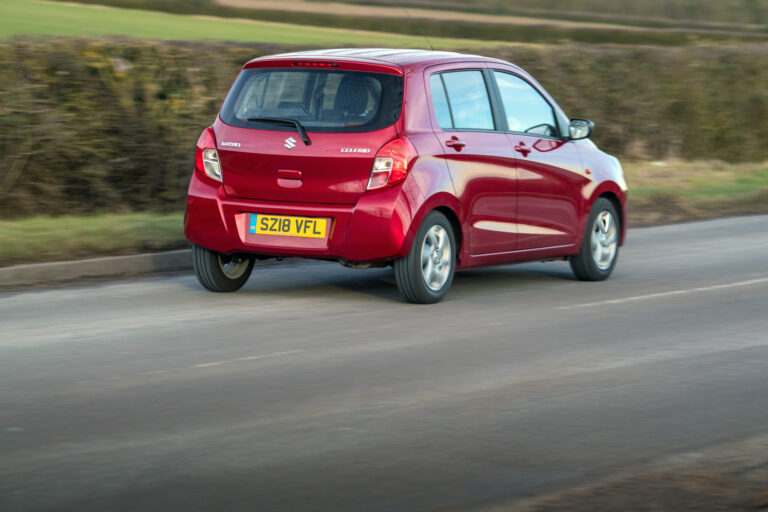
Suzuki Celerio – budget-friendly
The Celerio is a budget-friendly city car with low purchase and running costs. Because of its budget character, it has a few points that are specific to this model.
In town you brake often and drive over speed bumps. This causes brake pads and suspension rubbers to wear more quickly. Brake and suspension wear is more common due to urban use. Check the brakes regularly and have the suspension inspected if you hear creaking.
The Celerio has thin trim and little sound insulation. This results in more engine and wind noise. It may be irritating, but it is part of the car’s budget character.
Sensitivity of low-cost components can be an issue. Think of wipers, bulbs and interior fixings that may fail sooner. These parts are simple and cheap to replace.
Smart checks when buying a used Celerio:
- Check brake-pad thickness
- Test the suspension for creaking noises
- Inspect the interior for loose or damaged parts
- Check all electrical functions
- Watch for rust patches on older models
With realistic use the Celerio remains a reliable budget car. Don’t expect luxury, but do expect hassle-free city transport at low cost.
Read more: Suzuki Celerio
‘ Major repairs to suspension, rust treatment or electronics rarely make financial sense compared to the value of the car. ’
Suzuki Liana – older mid-size model
The Liana is an older mid-size car that is no longer in production. On these models, age-related issues are the main concern.
Rust is a key issue on the Liana. Especially on pre-2005 models, rust spots often appear on sills, wheel arches and the underside. Check thoroughly for corrosion before buying a used Liana.
On most Lianas the suspension creaks and rattles. The suspension is simply old. Rubbers, bushes and bearings are often worn due to age. The noise appears on speed bumps and in corners. Replacing suspension parts is possible, but expensive compared with the car’s value.
Electrical faults occur due to ageing of wiring and connectors. Think of problems with central locking, electric windows or lighting. These faults can take time to trace and repair.
What should you look for when buying a used Liana?
- Inspect body and chassis thoroughly for rust
- Test the suspension and listen for creaking noises
- Check all electrical functions in full
- Ask for the maintenance history and details of repairs carried out
What is still worth repairing? Small maintenance jobs such as brakes, tyres and fluids are sensible. Major repairs to suspension, rust treatment or electronics rarely make financial sense compared to the value of the car. In the case of major problems, consider replacing the car instead of repairing it.
Read more: Suzuki Liana
Limiting problems yourself: maintenance and buying tips for all Suzuki models
Preventive maintenance and smart purchasing choices reduce problems on all Suzuki models. These tips apply regardless of which model you drive or buy.
Follow the recommended maintenance schedule for oil changes, filters and fluids. Have a service carried out every year, or according to the manufacturer’s schedule. This prevents engine problems and preserves the manufacturer’s warranty. Have servicing done at authorised dealers if warranty matters to you.
Timely lubrication of suspension parts prevents creaking noises. Regularly spray rotating and hinge points with silicone spray or WD-40. This prevents wear and keeps the suspension quiet. It costs little time and money, but can save you expensive repairs.
Checking the battery, tyres and wipers is part of preventive maintenance. Replace these items proactively at the first signs of wear. A good battery prevents starting problems. Good tyres improve safety and comfort. Effective wipers are essential for visibility.
When buying, choose newer model years from 2014 onwards. This generation of Suzuki models has proven to be very reliable. Suspension, electronics and trim have all improved. Problems occur less frequently than on older models.
Make full use of the extensive manufacturer’s warranty. New Suzukis have up to 10 years’ warranty with a maximum of 150,000 kilometres. This allows you to drive worry-free and covers many repairs. Make sure you have dealer services carried out on time to keep the warranty valid.
A practical tip: before a long holiday, check all fluid levels and the tension of the auxiliary (V) belt. Also check tyre pressures and tread depth. This helps prevent breakdowns on the road.
When to visit a garage, when to fix it yourself?
Some noises or symptoms can be resolved by yourself. Other problems require a professional diagnosis. Learn to tell the difference.
Light creaking or rattling of the suspension over speed bumps is often harmless. It is caused by dry hinges or slight wear. Treat suspension points with spray. If the noise disappears, you have solved the problem.
Interior creaks on uneven roads are usually harmless. They are caused by loose clips or plastic parts rubbing together. Try to find the source and place felt or foam between the rubbing parts. This often eliminates the noise.
Light squealing when braking is often not serious. It can be caused by brake dust or moisture on the discs. Brake firmly a few times and the noise usually disappears. If it persists or gets louder, have the brakes checked.
Loud bangs or clunks from the suspension indicate worn or broken components. This is a safety risk. Have it inspected immediately.
Fluid leaks under the car should always be investigated. Whether it is oil, coolant or brake fluid, leaks require professional repair. Do not continue driving if there is a major leak.
Do not ignore warning lights on the dashboard. In particular, warning lights for the engine, brakes, power steering or airbag require immediate attention. Have them checked at a dealer or garage.
Guidelines for safe decision-making:
- If in doubt about safety, always go to a garage
- Assess and treat noise problems yourself first
- Have fluid leaks and warning lights checked immediately
- With cars under warranty, always visit an authorised dealer so it is recorded
Keeping Suzuki repair costs under control is easier if you do small maintenance jobs yourself. Clean, lubricate and check the car regularly. For diagnosis and repairs, choose qualified professionals. This prevents incorrect repairs and preserves your warranty.
‘ That way, you drive not only worry-free, but also financially protected. ’
Drive worry-free with your Suzuki
Suzuki models are among the most reliable cars on the market, but preventive maintenance keeps them trouble-free. Whether you drive a Swift, Vitara or Jimny, most issues are minor and easy to prevent.