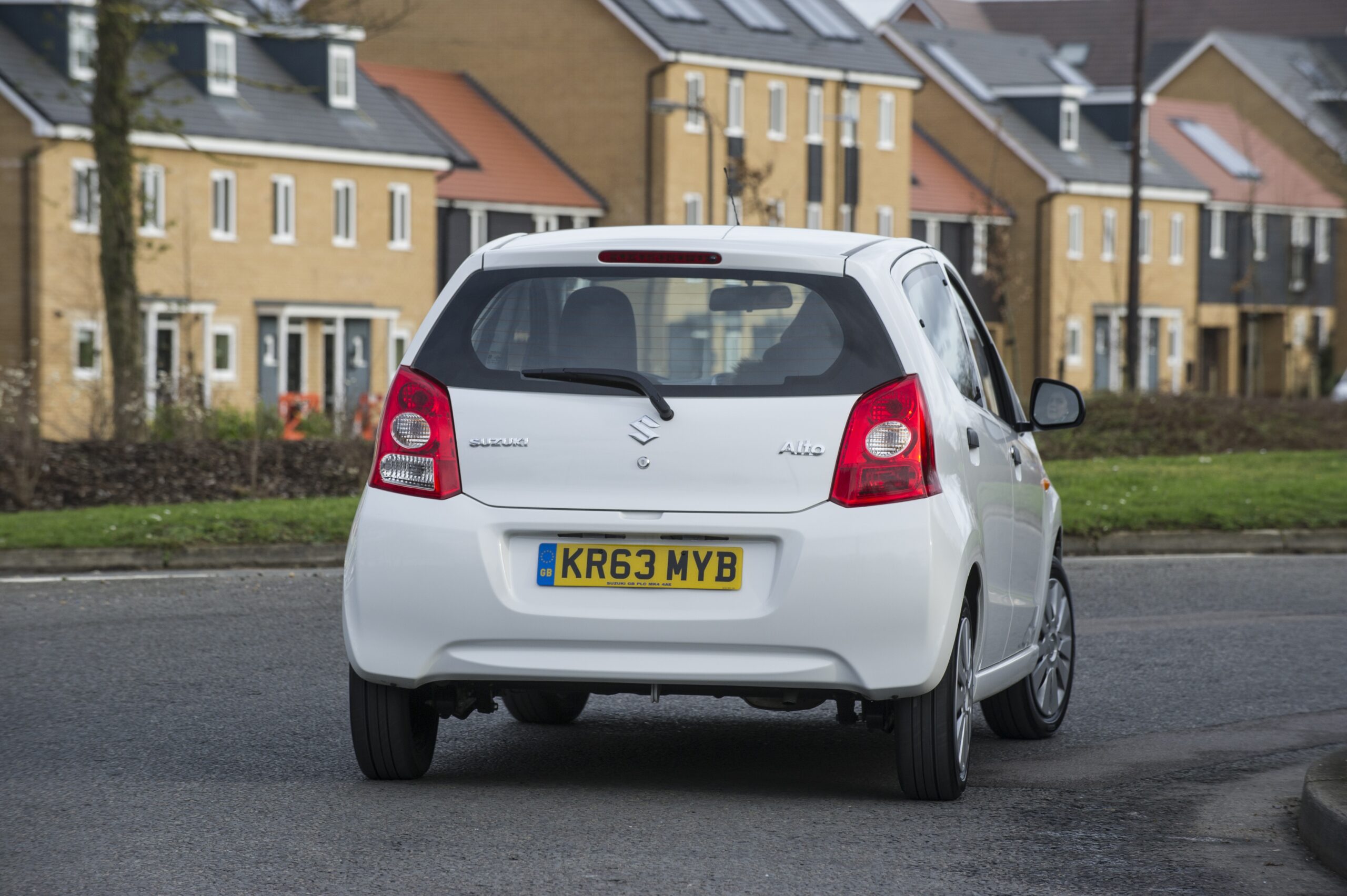
The Suzuki Alto: what you need to know about this compact city car
The Suzuki Alto is a popular compact city car that has proved its worth for many years as an affordable and nimble choice for everyday use. The car combines low purchase costs with modest fuel consumption, but it does require attentive maintenance to stay ahead of common problems. From rust to transmission wear, owners need to check regularly that everything is working as it should. Read on to discover exactly what you need to look out for with this Japanese kei car (a specific category of compact cars from Japan).
Reliability: what is the Alto known for?
The Suzuki Alto has proved itself over the years as a practical car for short city trips and daily commuting. The simple technology makes repairs relatively straightforward, while parts are often affordable. In practice, however, intensive use and higher mileages take their toll. Especially on models that have mostly been used in urban areas, wear-sensitive components regularly come under pressure.
Owners appreciate the low costs and the ease with which the car manoeuvres through narrow streets. At the same time, many report that the finish is basic and that certain components wear out faster than on competitors. Reliability strongly depends on how consistently you follow the maintenance schedule. You can find more information about common Suzuki car problems in our comprehensive overview.
‘ If you neglect this maintenance, engine damage can be the result. ’
Engine problems: what might you encounter?
The engines in the Suzuki Alto are known for their compact size and modest power. This compact design brings challenges. On longer journeys or with intensive use, the engine can overheat. The small radiator and limited cooling capacity are not always up to prolonged strain. After roughly 150 kilometres of driving, the temperature can sometimes rise quickly, especially in hilly terrain.
You can prevent this problem by changing the coolant every year and checking all hoses and connections for leaks. If you neglect this maintenance, engine damage can be the result. Some owners choose to have a more efficient fan fitted or avoid driving long distances in one go.
Another common issue is contamination of the throttle body (the valve mechanism that regulates airflow to the engine). Carbon build-up causes misfiring and loss of power when accelerating. Fortunately, this is easy to resolve by cleaning the throttle body with carb cleaner and a soft brush. This job takes around 30 minutes and does not require any special tools. Do this every 20,000 kilometres for smooth performance.
Sensor failures can also occur and lead to fluctuating idling speed or problems with the rev limiter (the maximum engine speed). A thorough cleaning of the sensors often helps to resolve these issues. When the problem persists, replacement is the next step.

Transmission and clutch: wear under scrutiny
The automatic transmission in the Suzuki Alto, especially in the turbo versions, is prone to wear. Slipping gears are a common complaint among owners who do not follow the maintenance schedule strictly. Worn clutch plates are often the culprit. This problem worsens quickly if you continue driving with a slipping transmission.
Preventive maintenance is key here. Replace the transmission oil and clutch plates every 50,000 kilometres. Always use the oil viscosity recommended by the manufacturer. At the first signs of slipping, you should take action immediately to avoid further damage. A complete transmission repair is expensive and can be avoided by intervening in good time.
The manual versions suffer less from major transmission issues. Clutch wear also occurs here. The clutch wears faster especially with aggressive shifting or frequent short city trips with lots of stop-and-go traffic. Watch out for signals such as a different feel to the clutch pedal or difficulty shifting gears.
Suspension and steering: rattles and wear
The Alto’s suspension is simple and functional. As a result, it is susceptible to wear under intensive use. Owners regularly report rattling noises when driving over bumps or through bends. Worn engine mounts are often the cause of this nuisance. Replacing them with an updated version from the manufacturer solves the problem, but sometimes requires the engine to be lifted for access.
The front suspension also needs regular attention. Check the bushes, bearings and track rod ends for play or wear. Loose components cause annoying noises and negatively affect handling. An annual inspection at a garage prevents unpleasant surprises.
Shock absorbers wear out over time and cause bumpy driving behaviour. Some owners report that oversized wheels make this problem worse. Replace worn shock absorbers in good time for a stable and safe driving experience. This not only improves comfort but also control over the car.
‘ Dust build-up in the mechanism is usually the cause. ’
Electrical faults: small irritations with big impact
The electrical systems in the Suzuki Alto are generally straightforward. Even so, they can cause headaches. A very common problem is electric windows that move slowly or stop working altogether, especially after around 35,000 kilometres. Dust build-up in the mechanism is usually the cause.
You can solve this problem yourself by dismantling the window mechanism and cleaning it thoroughly with compressed air and lubricant. In case of severe wear, the entire unit needs to be replaced. This is a DIY job that even beginners can handle with a bit of patience and basic tools.
Other electrical complaints relate to the central locking, dashboard lighting and air conditioning. The air con can fail due to clogged filters or a defective compressor. Clean the filters regularly and have the compressor checked during services. The heater blower motor can seize up. This blows a fuse. It is often a simple repair that does not take much time.
Rust: a persistent problem
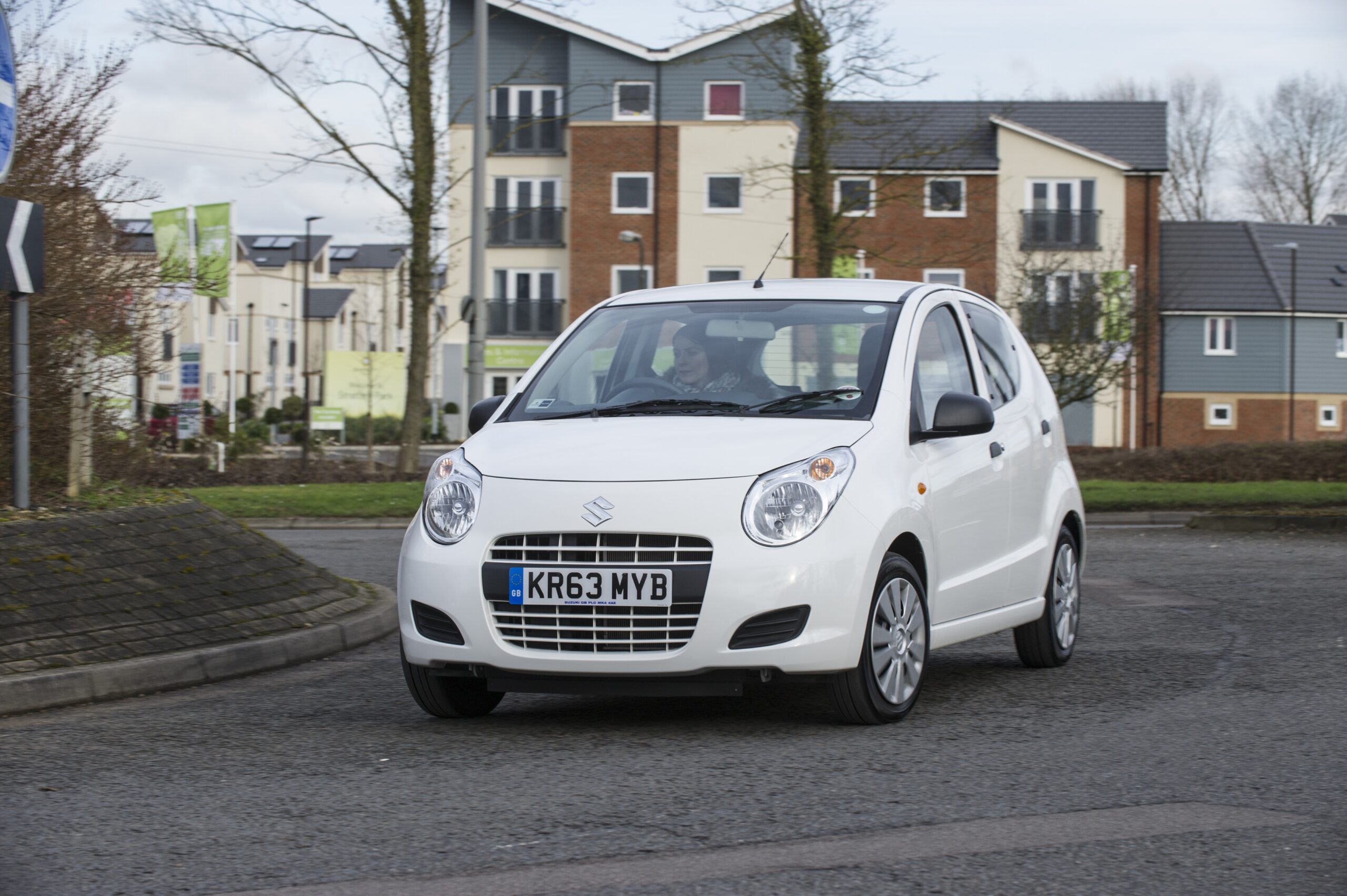
Rust is one of the most persistent problems with the Suzuki Alto, especially on Japanese import models. The thin paint layers and exposure to moisture or salt make the car prone to corrosion. Rust formation often occurs on the underside, in the engine bay and on the floor panels.
When buying a used Alto, thoroughly inspect the underside for rust spots. Apply rust protection products such as wax or an underseal coat as a preventive measure. Replace affected panels early. Structural damage is much more expensive to fix later on.
Pay particular attention to the areas around the wheel arches and sills. These are vulnerable spots where moisture accumulates and rust spreads quickly. An annual rust-proofing treatment pays off in the long run and significantly extends the life of the bodywork.
Brake problems and maintenance
The Alto’s braking system needs regular attention. Brake pads and discs wear faster than average under intensive city use. Squeaking brakes are often a sign that the pads need replacing. Do not wait too long, as this can lead to damage to the brake discs.
Some owners report problems with the ABS system. Sensor faults cause the ABS warning light on the dashboard to stay on. Have this checked immediately, as a faulty ABS system reduces safety during emergency stops. It is often a matter of dirty or damaged sensors that are easy to replace.
At every service, check the condition of the brake fluid, brake hoses and handbrake. The handbrake can wear and lose grip, especially if you regularly park on slopes. Correct adjustment or replacement of the handbrake cable restores its function.
‘ A small leak can grow into a big problem if you leave it too long. ’
Maintenance tips to prevent problems
Good maintenance is the key to a reliable Suzuki Alto. Follow the service manual and change oil and filters every 10,000 kilometres. Use premium fuel with at least 95 RON for optimum performance and less engine fouling. It is best to change the transmission oil every year, especially with intensive use.
Check the coolant, brake fluid and engine oil regularly. Watch for signs of leaks under the car. A small leak can grow into a big problem if you leave it too long. Also inspect the condition of all belts and hoses during routine maintenance.
Japanese import models need extra attention. These cars have often been heavily used and certain components may wear out faster. Always check the service history and ask about previous repairs. If in doubt, have the car inspected by a specialist before you decide to buy.
Treat the underside annually with rust prevention products and keep the floor mats clean and dry to avoid moisture. Replace the rear carpets in good time when they show wear, especially on the fifth generation where this is a known issue. Use heavy-duty mats for extra protection.

When should you go to the garage?
Some symptoms call for immediate professional attention. If the temperature gauge rises quickly while driving, stop and let the engine cool down. Do not continue driving with an overheated engine, as this will cause serious damage. Have a mechanic identify the cause.
If the gears are slipping, you must stop driving straight away. Continuing will worsen the damage to the transmission and make repairs much more expensive. Rattling noises from the suspension or engine also require prompt action. Loose components can create dangerous situations.
When warning lights on the dashboard stay on, such as the ABS light or the check engine light, have them read at a garage. Do not ignore these signals, as they indicate faults that affect safety or reliability. A quick diagnosis often prevents bigger problems later.
You should also seek professional help if you experience unexplained loss of power, difficulty starting or strange smells. These symptoms may point to engine issues, electrical faults or defective sensors that require targeted expertise.
The Alto as a choice: practical, with points to watch
The Suzuki Alto remains an attractive option for anyone looking for an affordable and compact city car. The low purchase costs and frugal fuel consumption make the car appealing for everyday use. At the same time, the Alto requires consistent maintenance and vigilance regarding common problems.
Rust, transmission wear and overheating are issues you should not underestimate. With preventive maintenance and timely intervention at the first symptoms, the Alto remains perfectly manageable. The simple technology makes many repairs accessible and parts are generally affordable.
For anyone willing to carry out regular checks and invest in maintenance, the Alto offers a reliable companion for short distances and city traffic. Keep the advice in this article in mind and you will greatly reduce the risk of unpleasant surprises.