
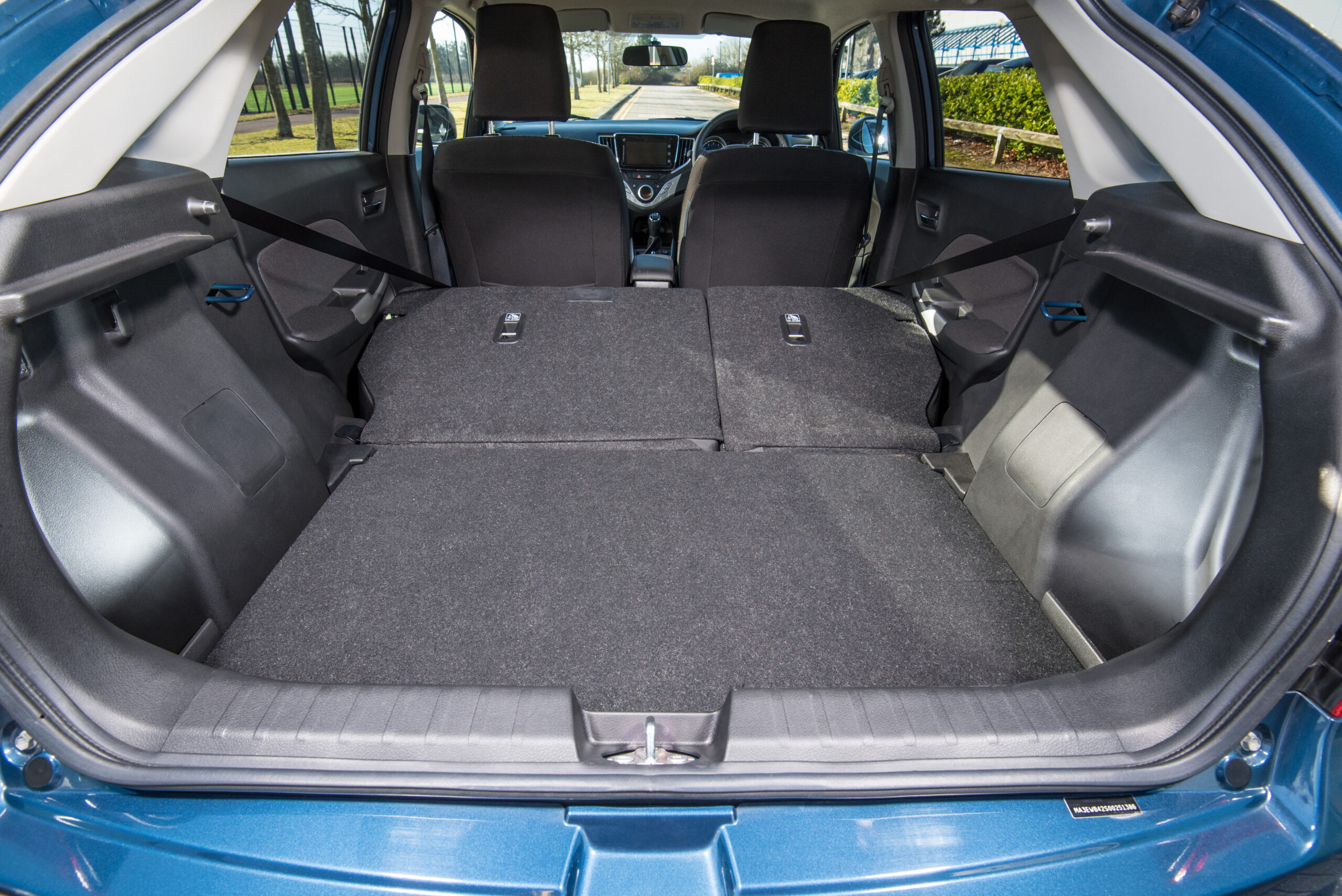
Suzuki Baleno: reliable compact hatchback with a few points to watch
The Suzuki Baleno (2016–2019) is a compact hatchback that generally scores well for reliability, with Suzuki as a brand consistently ranked highly in reliability surveys. Even so, owners report specific problems you should know about as a buyer or owner. Battery and belt failures, suspension complaints and transmission issues occur regularly. Want to know exactly what to look out for with this car?
The Baleno forms part of the wider Suzuki model range. Some issues also occur on other Suzuki models. For a complete overview of known issues within the brand, take a look at Suzuki car problems, where you will find information about common technical complaints on various Suzuki models.
Different generations, different characteristics
The Suzuki Baleno has several generations, but this article focuses on the most recent version, which was on the market between 2016 and 2019. This generation was launched as a compact family car with a focus on efficiency and affordability. Suzuki also introduced mild hybrid technology for this Baleno (a petrol engine with light electric assistance). This brought unique benefits. It also introduced specific problems.
The models from this period were powered by efficient petrol engines, often combined with a mild hybrid system. This system, the Integrated Starter Generator (ISG), functions as a starter generator with electric assistance. It helps save fuel but turns out to be a weak link in the car’s technical reliability. The issues reported by owners vary between model years. The early models from 2016 and 2017 are particularly vulnerable to specific recalls issued by the manufacturer.
‘ Yet in practice, things turn out to be more nuanced than this general reputation suggests. ’
Reliability in perspective: how does the Baleno perform?
Suzuki is known for its reliability and regularly scores highly as a brand in international reliability surveys. The Baleno largely follows this pattern. Many owners report that their car runs without major problems beyond routine servicing. Yet in practice, things turn out to be more nuanced than this general reputation suggests.
Compared with other compact hatchbacks in its class, the Baleno scores reasonably, but not exceptionally. The car has specific weak points that recur in owner experiences. The suspension and electrical systems need attention. This is particularly the case as the car gets older.

Engine problems you need to know about
The petrol engine in the Baleno is generally reliable, but certain complaints crop up regularly. Misfiring (where the engine does not fire in all cylinders) and an irregular idle are often caused by failing ignition coils. This issue shows up as jerky running and loss of power, especially on cold starts or during acceleration.
Another known engine problem arises from heat after switching off the engine. Fuel vapours can form immediately after switching off due to a defective fuel pump. This can lead to poor hot-start behaviour. The engine may then stall. Warning lights for the charging system come on. Warning lights for coolant temperature may also illuminate.
On the mild hybrid versions, the integrated starter generator belt (ISG belt) is a weak link. This belt can snap, causing the water pump to fail. The result: rising coolant temperature and ultimately an engine that cuts out. This problem occurs mainly with intensive use of the start/stop system. It prompted a recall on 2016 and 2017 models.
Battery and charging system need attention
Battery and charging issues are among the most commonly reported problems on the Baleno. The battery may not charge properly. The cause: software faults in the engine management system. This leads to recognisable symptoms: flashing start/stop lights, dimming lights and ultimately an engine that cuts out while driving.
The problem is made worse because the Baleno is fitted as standard with a start/stop system that places extra demands on the battery. Owners regularly report a flat battery after the car has stood still for a few days. So check the battery terminals regularly and make sure earth connections are clean and properly tightened.
‘ Oil leaks from the gearbox indicate worn seals. ’
Transmission and gearchange issues in practice
The Baleno’s manual gearbox has some specific complaints. Watch out for the following signs. Notchy changes and difficulty engaging gears occur regularly. This is particularly common when selecting reverse. It points to worn synchromesh rings, a low transmission oil level or clutch problems.
Some owners report a whining noise at high revs. The likely cause: worn bearings or a gearbox that is starting to wear. Oil leaks from the gearbox indicate worn seals. When reverse in particular will not engage, this is often due to a low transmission oil level or a defective shifter. When buying, have all gears tested during the test drive, including reverse.
Suspension and comfort: a doubtful point
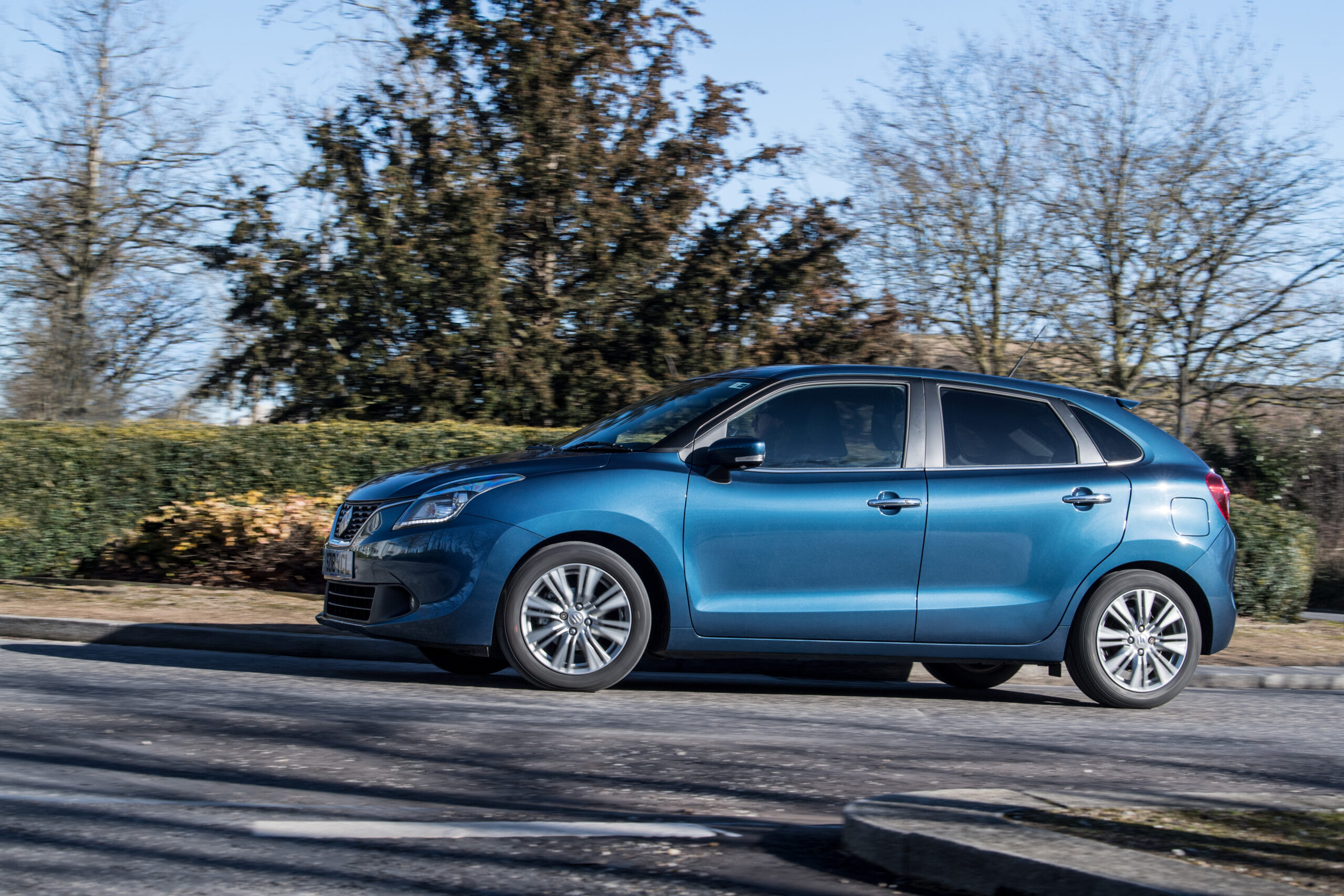
The Baleno’s suspension is a known weak point. Owners complain about stiff, bouncy behaviour on rough roads. This is especially noticeable for rear passengers. It is caused by worn bushes, shock absorbers or ball joints, but can also stem from the factory set-up, which prioritises efficiency over comfort.
Loud thumps when driving over bumps and potholes are typical of these problems. The noises arise because the suspension does not absorb the shocks properly. On longer journeys this can be tiring, particularly on poor road surfaces. When buying or during servicing, check the condition of the shock absorbers, bushes and ball joints.
Electrical and electronic faults
Minor electrical faults do occur. The complaints vary. Sensor malfunctions are seen. Problems with the infotainment system also crop up. The horn often fails due to poor earth connections, an issue that is easy to resolve by cleaning the connections. Warning lights can come on without any obvious reason, often caused by software issues.
The oversensitive collision warning is a frequently heard complaint. This system often gives false alarms. This happens particularly in city driving. It is also common in stop‑start traffic. While this is not a technical defect, many owners find it irritating. The use of non‑original accessories can cause electrical problems, so stick to genuine Suzuki components for parts and accessories.
‘ The interior materials are functional rather than premium, and wear becomes visible after a few years of use. ’
Bodywork and interior: build quality under the microscope
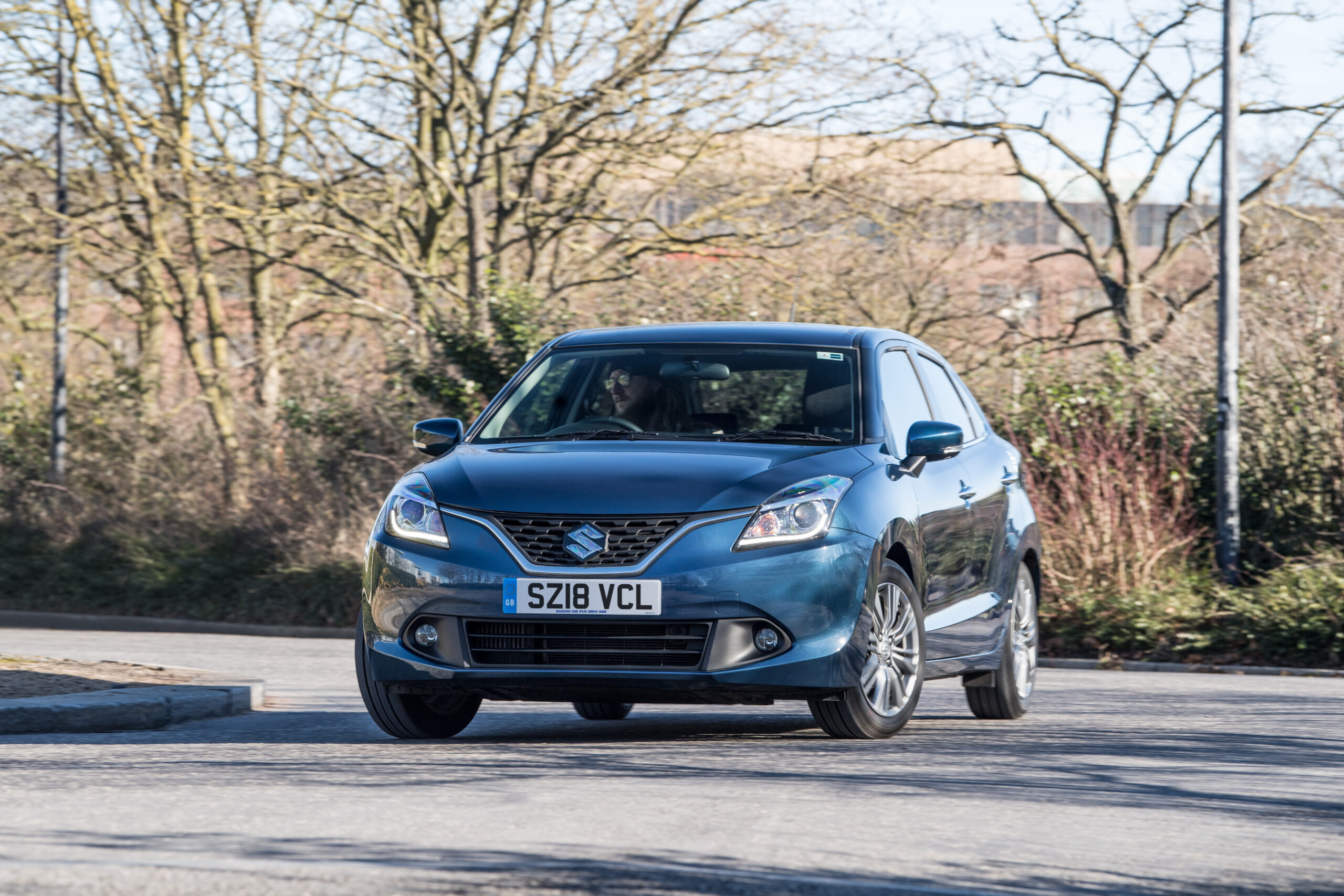
The Baleno’s build quality is average, with thin paint and body panels. These panels are prone to dents and damage. This is especially noticeable in city use, where minor knocks and parking scrapes quickly leave visible marks. Scuffed alloy wheels are common due to narrow streets and tight parking spaces.
Inside the car, rattles and squeaks appear with age. The cause: loose dashboard panels and worn door seals. The interior materials are functional rather than premium, and wear becomes visible after a few years of use. When buying, check the condition of the seat upholstery, door seals and all dashboard panels for loose parts.
Climate control and air conditioning
The air conditioning shows signs of wear. Watch out for the following symptoms. A grinding noise when it switches on points to a worn compressor. Coolant leaks do occur and lead to reduced cooling performance. Clogged filters restrict airflow and can cause humidity in the cabin.
Have the air‑con system checked and serviced regularly. Replace filters according to the service schedule and, if in doubt, have the refrigerant level checked. A properly functioning air conditioning system is not only important for comfort, but also prevents condensation and damp inside the car.
Brakes and tyres: a positive exception
In terms of brakes and tyres, the Baleno performs above average. Brake pads and discs last a long time. Typical life is 60,000 to 70,000 kilometres. Tyres average 60,000 to 80,000 kilometres, depending on driving style and maintenance. Wear is even, which indicates a well‑designed braking system.
Do regularly check tyre pressures and wheel alignment. Incorrect alignment can lead to uneven tyre wear and negatively affect handling. The ABS and other safety systems are generally reliable, with few reported failures.
‘ This simple maintenance prevents many common issues. ’
Preventive maintenance: how to avoid problems
Follow the service schedule strictly. Regularly check the oil, brake fluid and coolant levels. Clean battery terminals and earth connections to prevent electrical problems. This simple maintenance prevents many common issues.
Pay attention to the following points in daily use:
- Check tyre pressures and wheel alignment regularly
- Monitor warning lights for start/stop and charging status
- Avoid hard acceleration and heavy braking to protect suspension and engine
- Have ignition coils replaced if the engine starts misfiring
- Replace the ISG belt as a preventive measure on mild hybrid models from 2016–2017
For recalls relating to battery/software problems or belts from 2016–2017, you should contact a Suzuki dealer. These issues are known and are resolved under warranty or as part of a recall.

Checklist when buying a used Baleno
When buying a used Baleno, check the following points carefully. Start with an inspection of the bodywork for dents and damage, especially around bumpers and doors where city use leaves its marks. Check the wheels for scuff damage.
During the test drive, try all gears, including reverse. Look for smooth shifts without notchiness or whining. Drive over rough roads and listen for suspension noises such as thumps or creaking sounds. Check that all warning lights operate correctly and do not stay on.
Have a mechanic inspect the following components:
- Battery and charging system (including software updates)
- ISG belt on mild hybrid versions
- Suspension (shock absorbers, bushes, ball joints)
- Transmission oil level and condition of the gearbox
- Ignition coils and engine electronics
Ask for the full service history. Check whether recalls have been carried out. A well‑maintained Baleno with a complete service book is far more reliable than a car with an uncertain maintenance background.
Is the Baleno a sensible choice?
The Suzuki Baleno offers a mix of affordability and efficiency, with a generally reliable reputation backed up by the Suzuki brand. For many owners the car runs without major issues, especially when servicing is followed strictly. Even so, the Baleno has weak points you should not ignore.
The suspension and electrical systems need attention, and build quality lags behind that of rivals in the same price bracket. The mild hybrid technology brings efficiency gains but also specific risks of belt failure and battery issues. For longer journeys on poor roads, comfort can be disappointing.
If you are looking for a compact, economical car mainly for city use and you are prepared to carry out regular maintenance, the Baleno is a realistic option. Preferably choose a later model year (2018–2019) to avoid early teething troubles. Before buying, have a thorough technical inspection carried out and check that all recalls have been completed. With these precautions you can enjoy years of largely trouble‑free driving in this Japanese compact hatchback.