
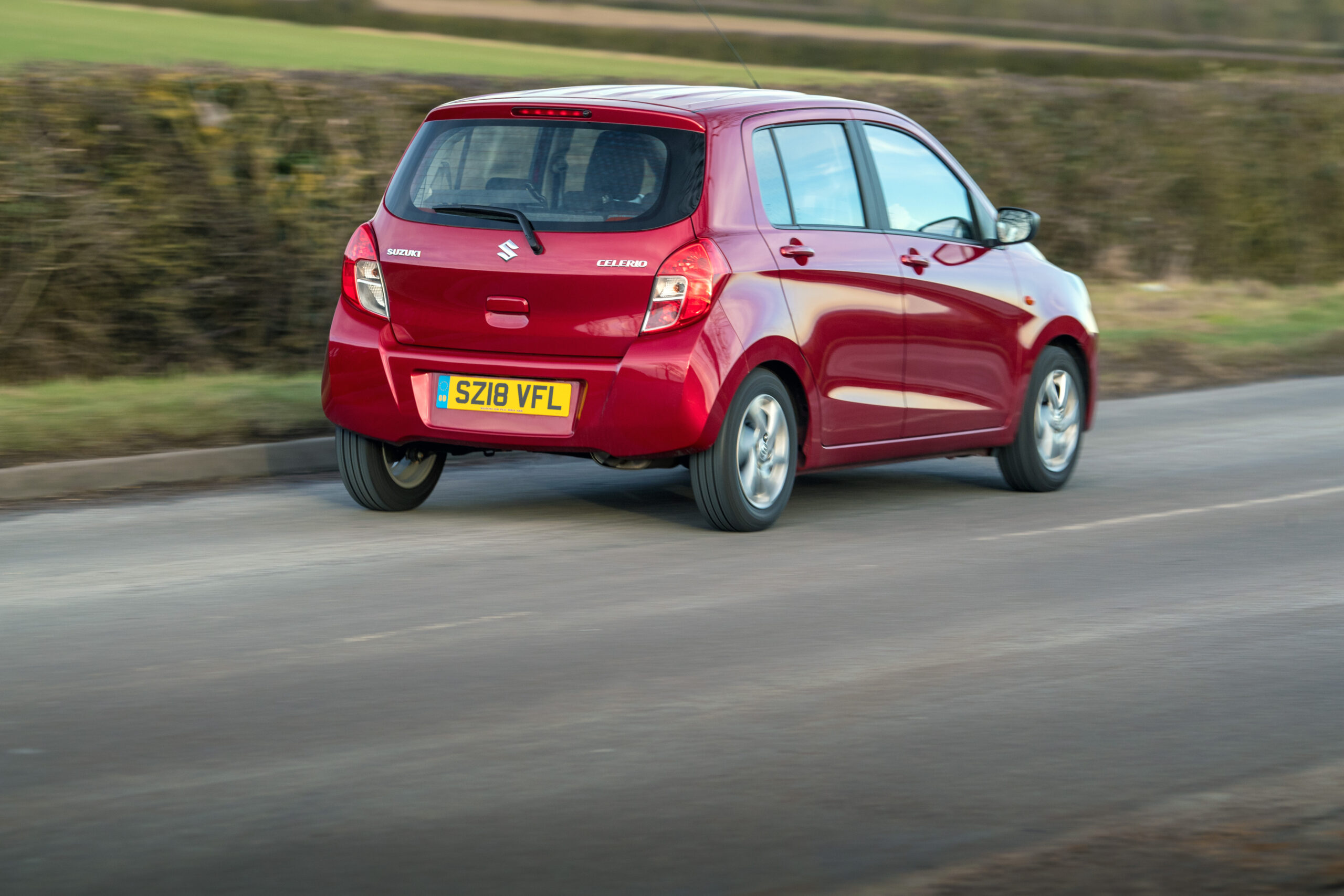
Car problems Suzuki Celerio
The Suzuki Celerio is a compact city car. Its main strengths are its low purchase price and fuel-efficient consumption. However, the car is known for a number of recurring technical issues. The AMT gearbox regularly needs attention. The suspension and electrical components are also a common source of complaints. In this article, you can read which problems occur most often. You will also learn how to recognise or prevent them.
The Celerio as an affordable city car
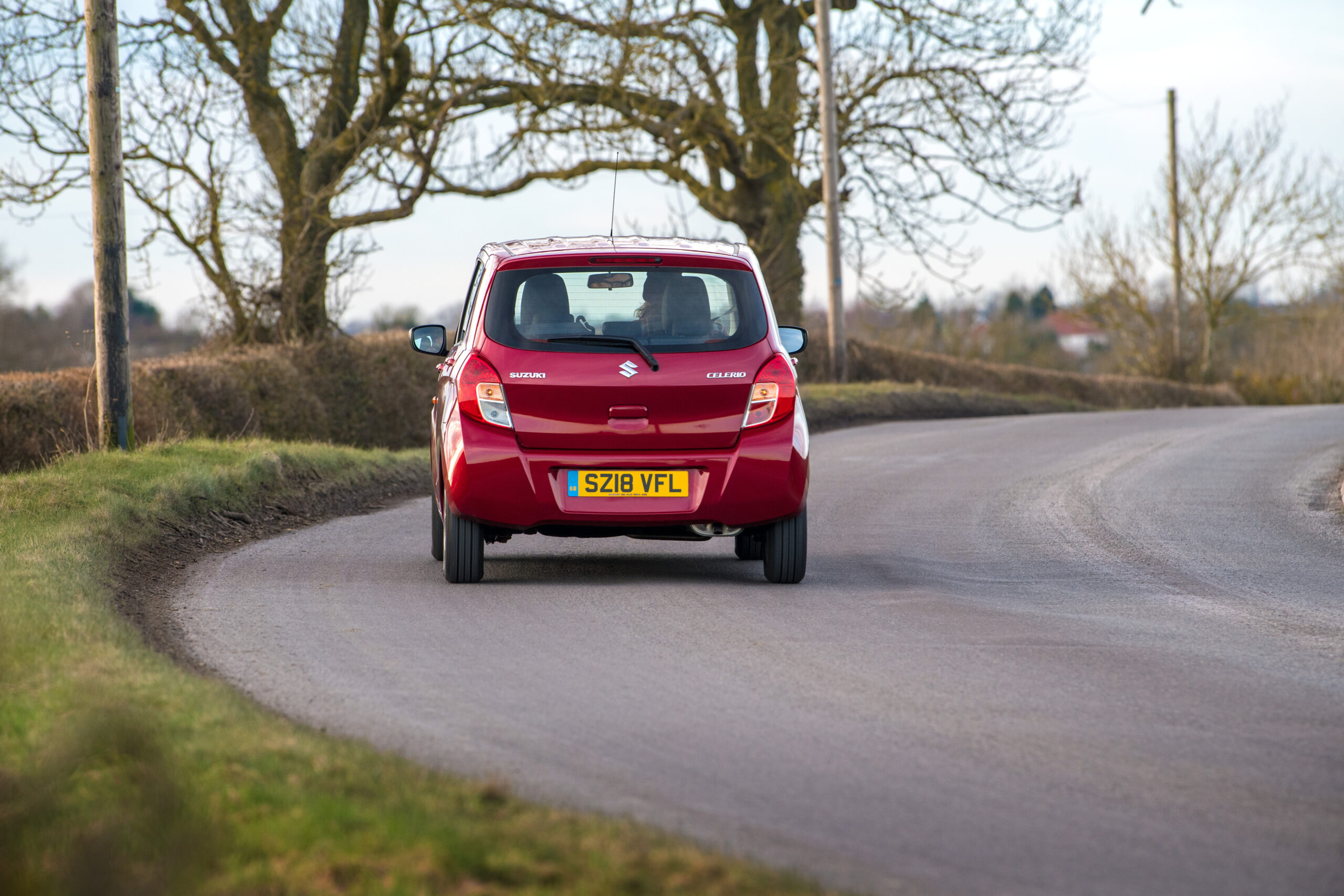
The Suzuki Celerio was introduced in 2014 as the successor to the Alto. It was aimed at buyers looking for an affordable small city car. With a length of just under 3.6 metres, the Celerio is ideal for busy urban traffic. Two transmissions were offered on the model: a manual gearbox and an AMT automatic. The AMT was attractive for drivers who wanted automatic shifting. This option cost far less than a full automatic.
The car was supplied with a 1.0-litre three-cylinder petrol engine, producing around 68 bhp. In some markets, a diesel version (a version with a diesel engine) was also available. The Celerio did not score exceptionally well in crash tests. However, it did offer modern standard features such as air conditioning and electric windows. Production of the first generation continued until 2021.
‘ Certain complaints keep stubbornly coming back. ’
General reliability of the Celerio
Compared with other small city cars, the Suzuki Celerio has a reputation for being reasonably reliable. Suzuki generally scores well in reliability surveys, especially for compact cars. The Celerio does, however, have specific weak points. These crop up quite regularly for owners. Many problems are linked to the AMT gearbox. The electrical systems are also a frequent source of complaints.
Servicing the Celerio is affordable and parts are easy to obtain. The technology is simple and the engine output is modest. As a result, fewer complex repairs are needed than on more powerful models. Certain complaints, however, keep stubbornly recurring. This is especially true for cars with higher mileage or older model years. For more context on problems with different Suzuki models, take a look at the overview of Suzuki car problems. There you will find more information about complaints and maintenance.
Engine problems with the Celerio
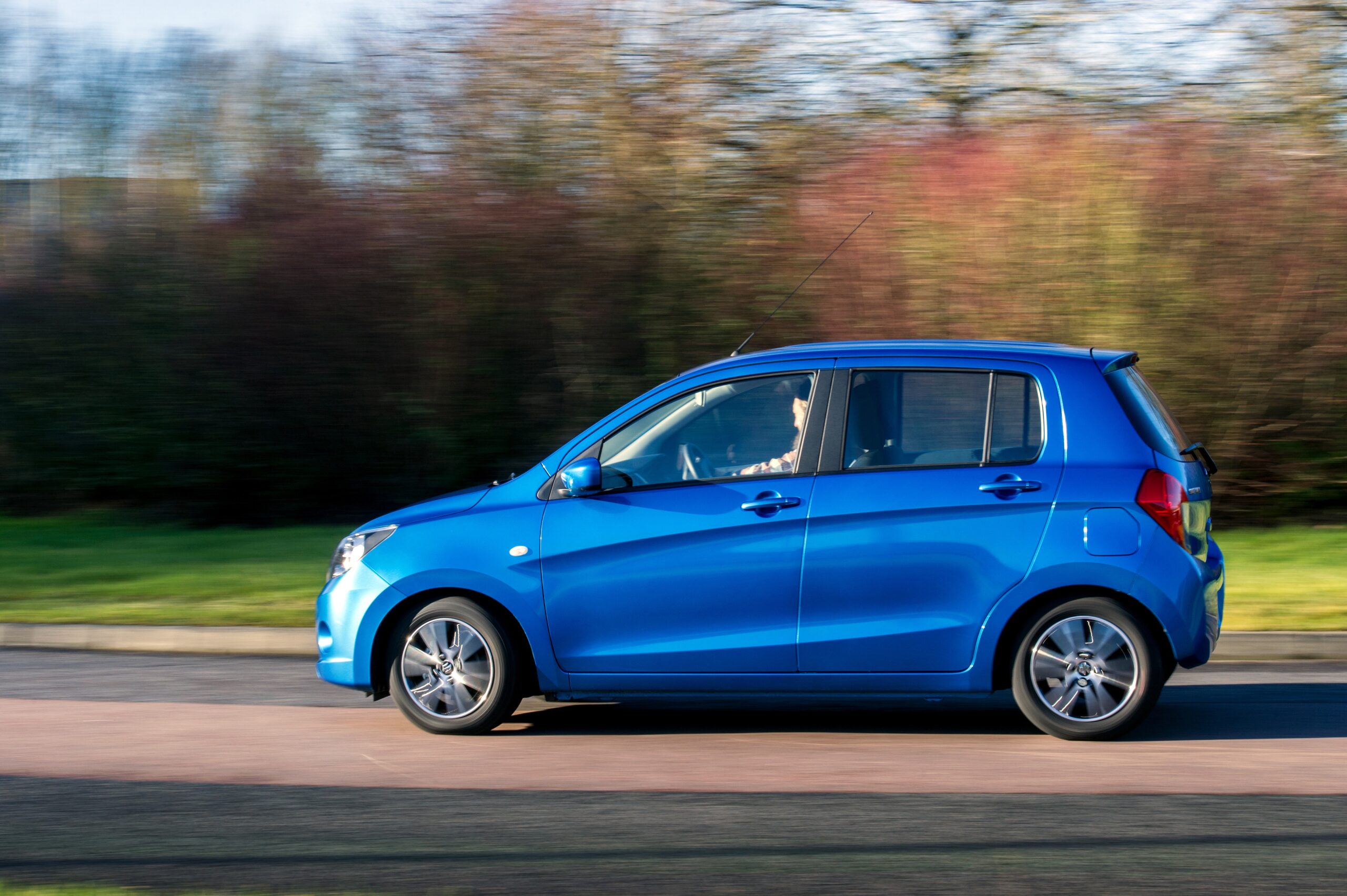
The Celerio’s 1.0-litre three-cylinder petrol engine is known to be reliable, but there are still some points to watch. Owners occasionally report engine overheating. This is usually caused by too little coolant or a faulty thermostat. If the engine overheats, it is important to stop immediately. Otherwise, damage can occur to the cylinder head or head gasket.
Another recurring issue is increased oil consumption. Some Celerios use more oil than normal, especially after 60,000 kilometres. The problem may indicate wear of the piston rings. The valve stems can also be worn. That is why you should regularly check the oil level and top up if necessary. If you ignore this problem, it can lead to engine damage.
The diesel version has a known noise problem. This version was sold in a few markets. The two-cylinder diesel engine produces a noticeably loud rattle, even with proper maintenance. It is not a technical defect. The noise is inherent to the engine’s design. For drivers seeking a quieter car, the petrol version (the version with a petrol engine) is the better choice.
Problems with the AMT gearbox
The Automated Manual Transmission (AMT) is one of the most talked-about components of the Celerio. This system combines a manual gearbox with an automated clutch. In theory, you get automatic shifting without the high costs of a full automatic. The idea is good, but in practice it regularly causes complaints. The AMT often shifts jerkily and hesitates at low speeds. This is especially common in town. It is caused mainly by delayed response from the actuator. Software faults can also play a part.
Pre-2017 models suffer from slow gear changes. They show uncomfortable driving behaviour in stop-start traffic. Later versions are slightly improved, but it remains a weak point. Owners report that the AMT wears more quickly at higher mileages. A conventional manual gearbox lasts longer. Symptoms include difficult gear changes and vibrations. Sometimes the clutch actuator fails completely.
Have the AMT software updated by an official Suzuki dealer. This means the dealer installs the latest control software for the gearbox. This can make gear changes smoother. It may reduce some complaints, such as jerky shifting or gears that hesitate to engage. Avoid sudden acceleration. Brake gently as well. This reduces the load on the gearbox. Anyone considering a used Celerio is best off choosing models from 2017 onwards. Test the AMT thoroughly during a test drive.
‘ Poorly functioning steering affects safety. ’
Suspension and steering problems
The Celerio’s suspension has a simple design and is tuned for comfort in town. This also makes it prone to wear. Owners regularly report creaking or rattling noises at the front or rear. This mainly occurs on bumpy roads or when cornering. It often points to worn shock absorbers or rubber bushes. Loose components in the wheel suspension can also be the cause.
The shock absorbers last on average between 40,000 and 50,000 kilometres, depending on driving conditions. Do you often drive on poor roads or through potholes? Then wear may occur more quickly. Regularly check whether the suspension is correctly adjusted. Do you notice uneven tyre wear? If so, have the wheel alignment checked.
The steering can also cause complaints. Some owners report heavy steering at low speeds. This may indicate a fault in the electric power steering. The problem occurs mainly on older models (cars from before 2017). Have this checked by a specialist. Poorly functioning steering affects safety.
Electrical faults and electronics
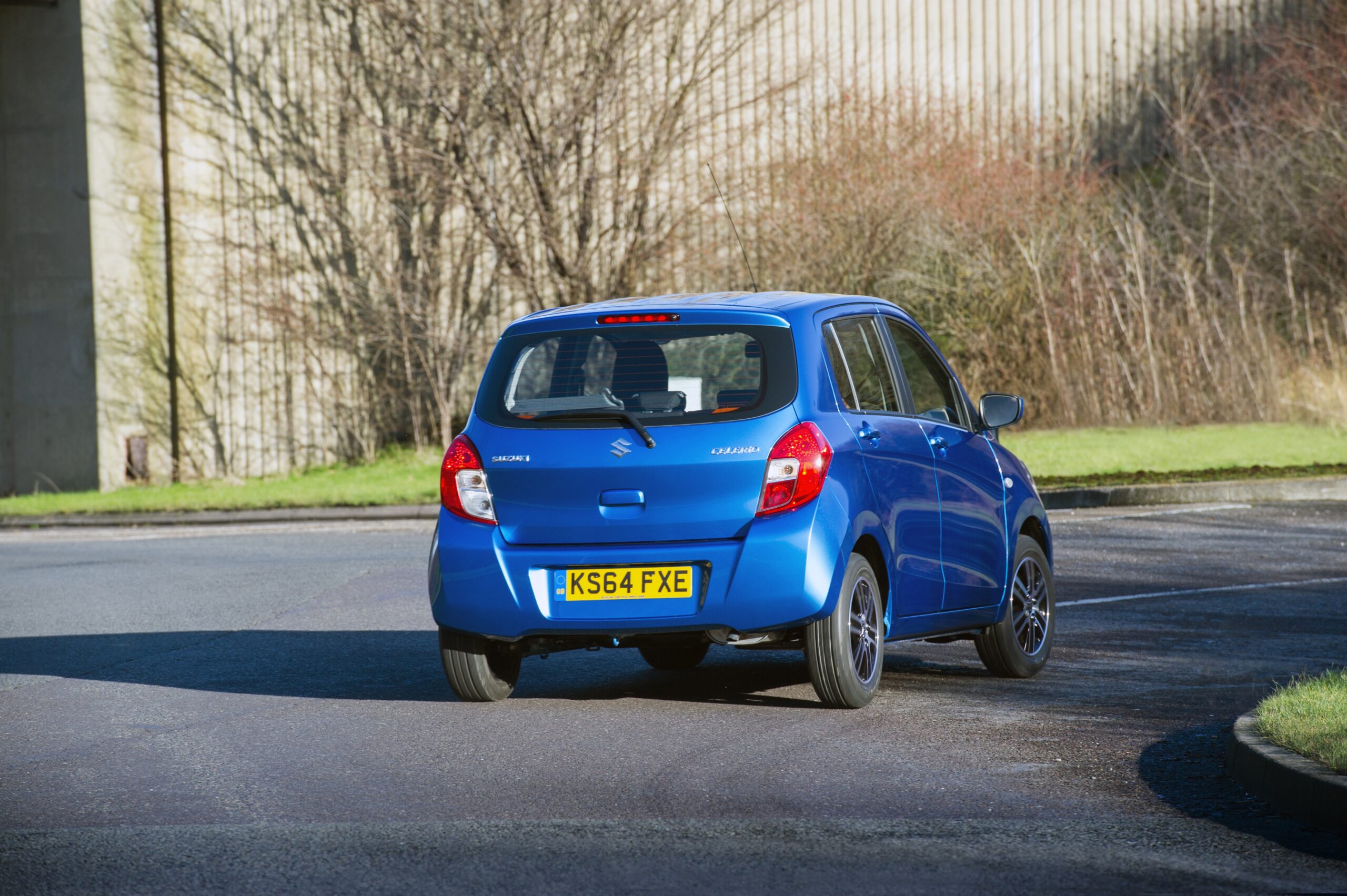
Electrical problems are a common occurrence on the Celerio. These mainly concern faults with the battery, windows and dashboard lighting. A frequently heard complaint is a flat battery. This happens especially on cars that are often used for short trips. The battery needs time to charge, and short urban journeys are not enough for that. The average battery life is around three to four years. Check the battery regularly and replace it in good time.
The electric windows sometimes do not work properly. They then only respond intermittently or stop working altogether. This may be due to a faulty switch or poor wiring. A broken window motor is another possible cause. Central locking and the radio also occasionally suffer faults. This might show up as locking that does not respond or radios that cut out. Dashboard warning lights that come on or flicker for no clear reason often point to an electrical problem. This may indicate a loose connection or a fault in the wiring.
When buying, check that all electrical functions work correctly. Test the following components: windows, air conditioning, radio and lighting. Try opening and closing each window separately. Switch on the air conditioning and check whether it cools. Test all lighting settings and the radio. Electrical faults are annoying and can be difficult to trace. This leads to higher repair costs.
Brake problems and wear
The Celerio’s brakes are generally reliable. However, early production years had a known problem with the brake pedal. Due to a design fault, the pedal could develop excessive play in certain situations. This led to recalls (official notices from the manufacturer to remedy a defect). Suzuki has addressed the issue. The pedal mounting has been modified and reinforced.
Brake pads and brake discs wear faster than average, especially with intensive city use. This is normal for a light city car, but you should still keep an eye on it. Symptoms of worn brakes include squeaking noises or vibrations in the steering wheel when braking. A longer stopping distance is another sign. Have the brakes checked at least once a year, preferably by an approved workshop or Suzuki dealer.
The handbrake can also weaken over time. This is due to wear in the cable. The rear brake pads may also be worn. Regularly test whether the handbrake holds the car firmly on a slope. For example, once a month, park the car on a sloping driveway. Apply the handbrake and check whether the car stays put.
‘ Aftermarket kits can, however, lead to starting problems, loss of power or engine faults. ’
Other points to watch and minor complaints
In addition to the major problems, there are also smaller complaints. These include rattling panels, mediocre air conditioning performance and issues with retrofitted installations. The Celerio’s interior is functional but basic. Owners sometimes report rattling panels or loose plastic trim. This is mainly annoying on longer journeys. It is often easy to fix with some extra fastenings.
The air conditioning performs modestly, especially at higher outside temperatures. The small engine struggles to provide enough cooling. This results in a noticeable loss of power. In warm climates, this is a serious point to consider. It means that in very hot countries, the car is less suitable for longer trips with the air conditioning running.
CNG kits (systems for using natural gas as fuel) are retrofitted in some countries to reduce fuel costs. Factory CNG systems cause few problems. Aftermarket kits can, however, lead to starting problems, loss of power or engine faults. Aftermarket kits are systems installed not by the factory but by external companies. Test a car with a CNG kit thoroughly before you buy it. During a test drive, check whether the car starts immediately. Also pay attention to loss of power while driving.
Recalls for the Suzuki Celerio
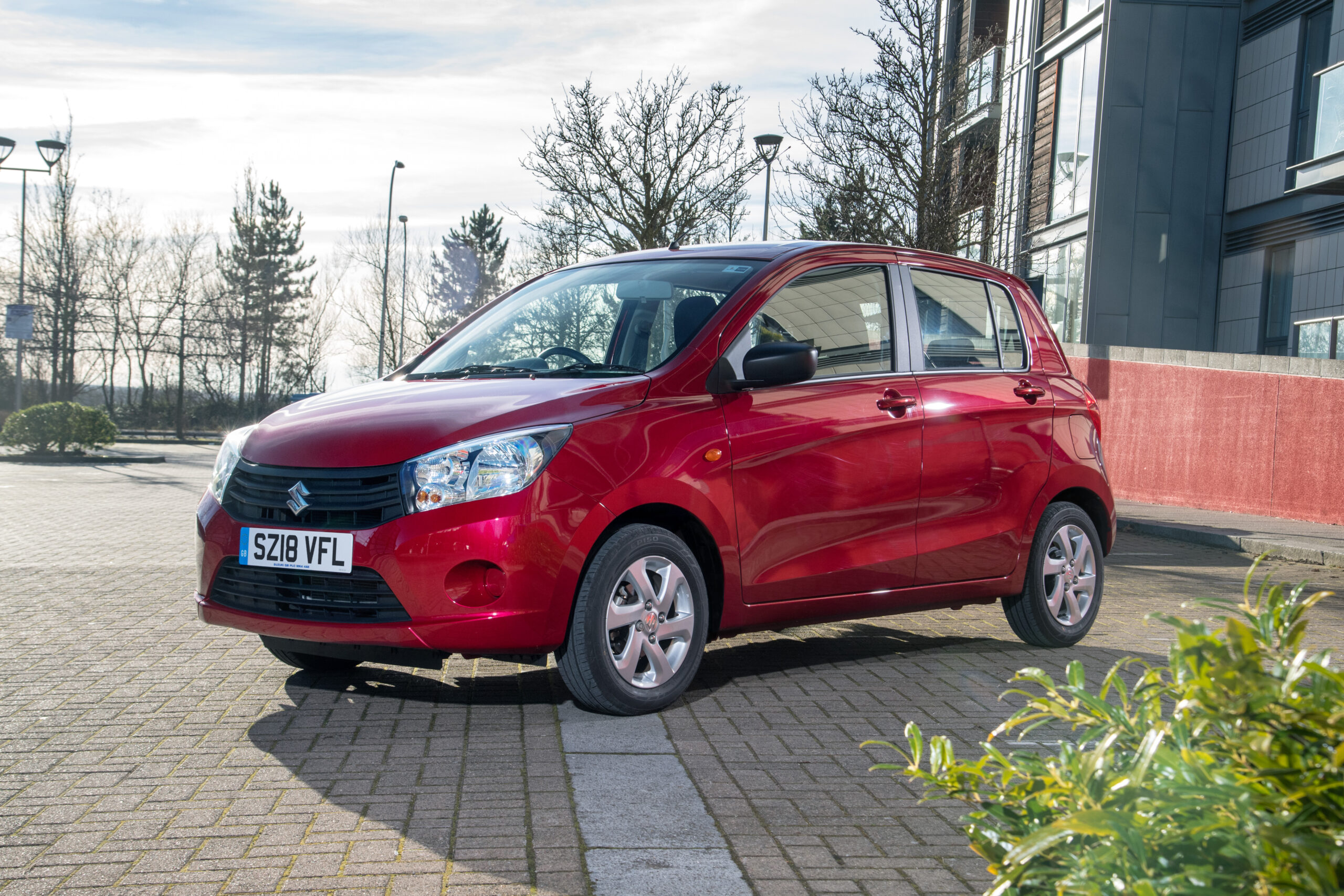
Suzuki has issued several recalls for the Celerio. Recalls are official notices from the manufacturer to fix a safety issue. The most important one concerned the brake pedal problem on early models. The mounting could come loose. This was remedied by reinforcing the attachment. For owners, this means that the dealer has checked the mounting and reinforced it where necessary.
Another recall focused on the side airbags. This applied to models produced between January and February 2018. Due to incorrect installation of the seat mounting, the airbags might not deploy correctly in certain situations. Dealers have resolved this by checking the seats and modifying the mounting where needed.
When buying a used Celerio, always check whether all recalls have been carried out. Ask a Suzuki dealer about this and provide the chassis number. The chassis number is the car’s unique identification number. It is listed on the registration certificate and often also on a plate inside the car.
Preventive maintenance and recognising problems
Regular maintenance is the best way to prevent problems with the Celerio. This means having the car checked at least once a year or every 15,000 kilometres. Follow the manufacturer’s service schedule. Use good-quality engine oil. Replace filters on time.
Regularly check the oil level, coolant and tyre pressures yourself. Pay attention to unusual noises while driving, such as creaking, squeaking or rattling. Test the electrical functions. Watch the dashboard warning lights. Do they come on for no clear reason? If so, this may indicate a fault.
Do not drive aggressively. Avoid hard acceleration and sudden braking. This extends the life of the AMT gearbox and the suspension. If you are unsure about a symptom, go to a garage straight away. Fixing minor problems is cheaper. Waiting until serious damage occurs will cost more.
‘ It does, however, prevent expensive surprises later on. ’
What to look out for when buying a used Celerio
If you are considering a used Celerio, it is best to take a critical look at the condition of the car. Start by checking the service book. Look for stamps and receipts for work carried out. Has servicing been done regularly? Check whether this was done by an approved dealer or a reputable garage. Missing services are a red flag. They may point to neglected maintenance or hidden problems.
Test the AMT gearbox thoroughly during a test drive. Shift calmly through all the gears. Watch for jerky changes, slow responses or unusual vibrations. Drive both in town and on the motorway. This gives a complete picture. Ideally, choose a model from 2017 onwards. These have slightly improved software.
Check the suspension. Drive slowly over bumps. Listen for creaking or rattling noises. Test all electrical functions, including windows, air conditioning, radio and lighting. Try each component separately. Check whether the battery is strong enough. Start the engine and make sure it fires up straight away.
Check that all recalls have been carried out. Ask the seller to confirm this. Also look for damage to the bodywork. Pay particular attention to the underside and the wheels. City cars often have scratches, dents or damaged alloy wheels. This is due to parking in tight spaces.
If you are unsure about the condition of the car, have an independent inspection carried out. This costs around a hundred euros. It does, however, prevent expensive surprises later on.
The Celerio as a reliable budget choice with caveats
The Suzuki Celerio offers good value for money as an affordable city car. It is fuel-efficient and the engine is generally reliable. Maintenance costs are low and parts are easy to obtain. However, the car has some clear weak points. The AMT gearbox is the most important of these. The electrical systems also need regular attention, as does the suspension.
If you mainly make short journeys in town, the Celerio is worth considering. Do bear in mind the limitations of the AMT. If you choose a manual version, you avoid the biggest source of problems. Pay close attention to the year of manufacture when buying. Check the condition of the gearbox. Also look at the servicing that has been carried out. With careful use, the Celerio can be reliable. Preventive maintenance is essential here. That way, the car remains a suitable partner in everyday traffic.