
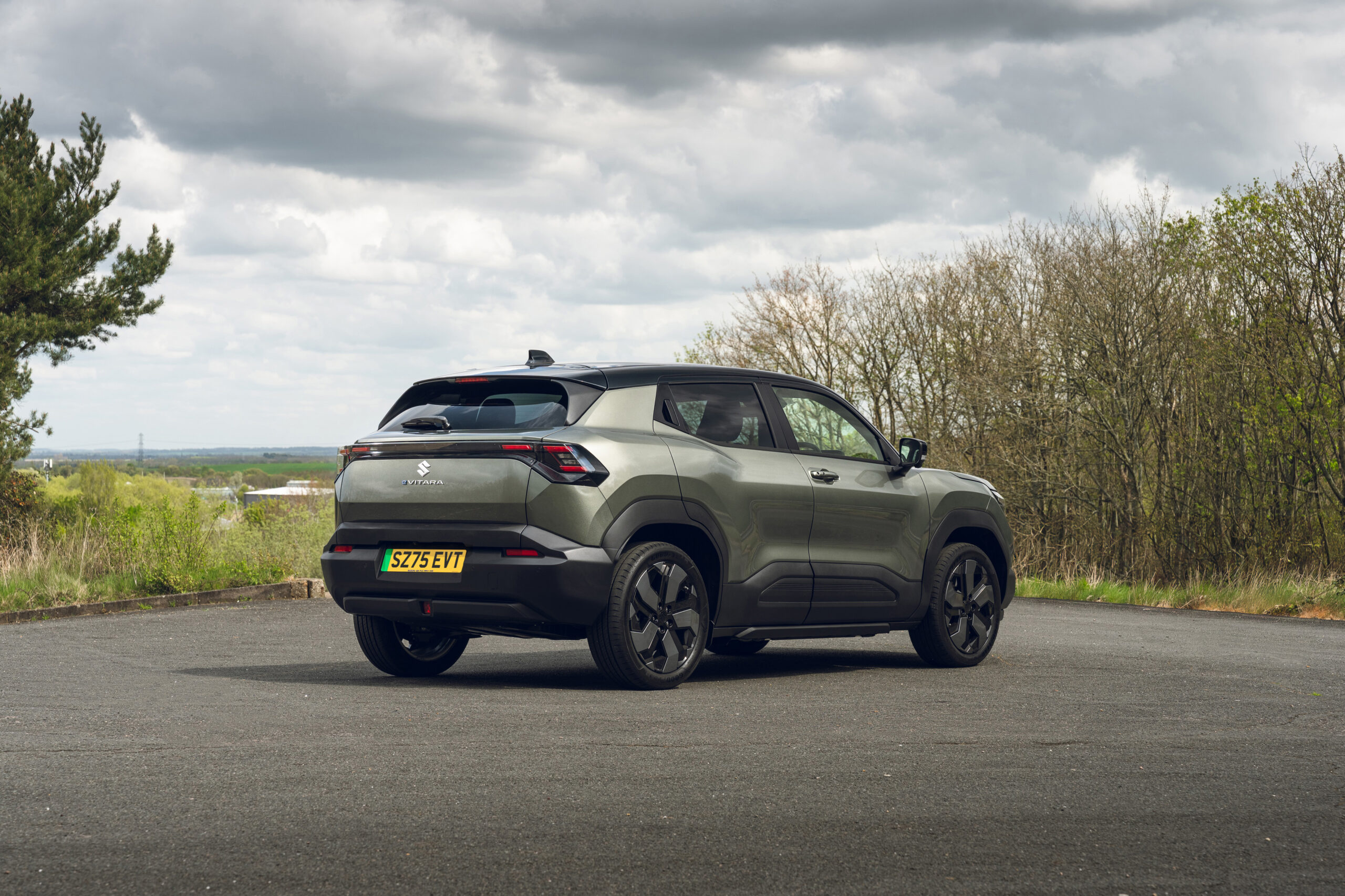
Suzuki Grand Vitara: problems and points to watch
The Suzuki Grand Vitara is an affordable and reliable SUV that holds up well on the used-car market. The model does have a number of recurring technical problems you should be aware of. From headlights that fail prematurely to oil leaks at the timing chain seal: with the right knowledge you can avoid nasty surprises. Do you want to know what to look out for before buying a Grand Vitara, or how to maintain your current example in the best possible way? Here you can read which problems occur most often and how to tackle them.
The history of the Grand Vitara in brief
The Suzuki Grand Vitara appeared in the late nineties. The model was the larger version of the compact Vitara. The first generation (1998-2005) had traditional off-road capabilities. The model offered more comfort for everyday use. The second generation (2005-2015) had a more modern look. The driving characteristics were improved. In the Netherlands the model was known as a solid family car with 4×4 capabilities. Most examples on the used market come from these two generations. Each generation has its own specific points to watch.
Both generations were supplied with different engines. There was a 1.6 petrol engine, a more powerful 2.0 and a 2.4 variant. A 1.9 diesel engine was also available. The transmission options alternated between manual and automatic. All versions were supplied with four-wheel drive as standard or as an option. This variety has consequences. Suzuki car problems differ per version and model year.
‘ Ultimately this results in engine damage. ’
Engine problems you need to know about
The most striking engine problem with the Grand Vitara is oil leakage around the timing chain seal (the seal that prevents oil from leaking out of the timing chain area). This occurs mainly on models built between 1999 and 2011. The timing chain is normally housed in a separate compartment on the side of the engine block. The chain is surrounded by oil. The seal leaks. As a result, the chain does not get sufficient lubrication.
You can recognise this leakage problem by a distinctive ticking noise from the engine. The sound comes from the chain. The chain hits the tensioners. If you ignore this problem, damage will occur to the chain and tensioners. Ultimately this results in engine damage. The repair is substantial. The engine has to be lifted out of the engine bay. Only then can the mechanic access the seal. For that reason, check your oil level regularly. Look under the car to see if you can spot oil traces.
Apart from that, the petrol versions are generally reliable. The diesel engines suffer from the usual diesel issues. Examples include problems with the particulate filter (a filter that cleans exhaust gases) and defective glow plugs (heating elements that help the engine to start). There are no diesel engine faults specific to the Grand Vitara.
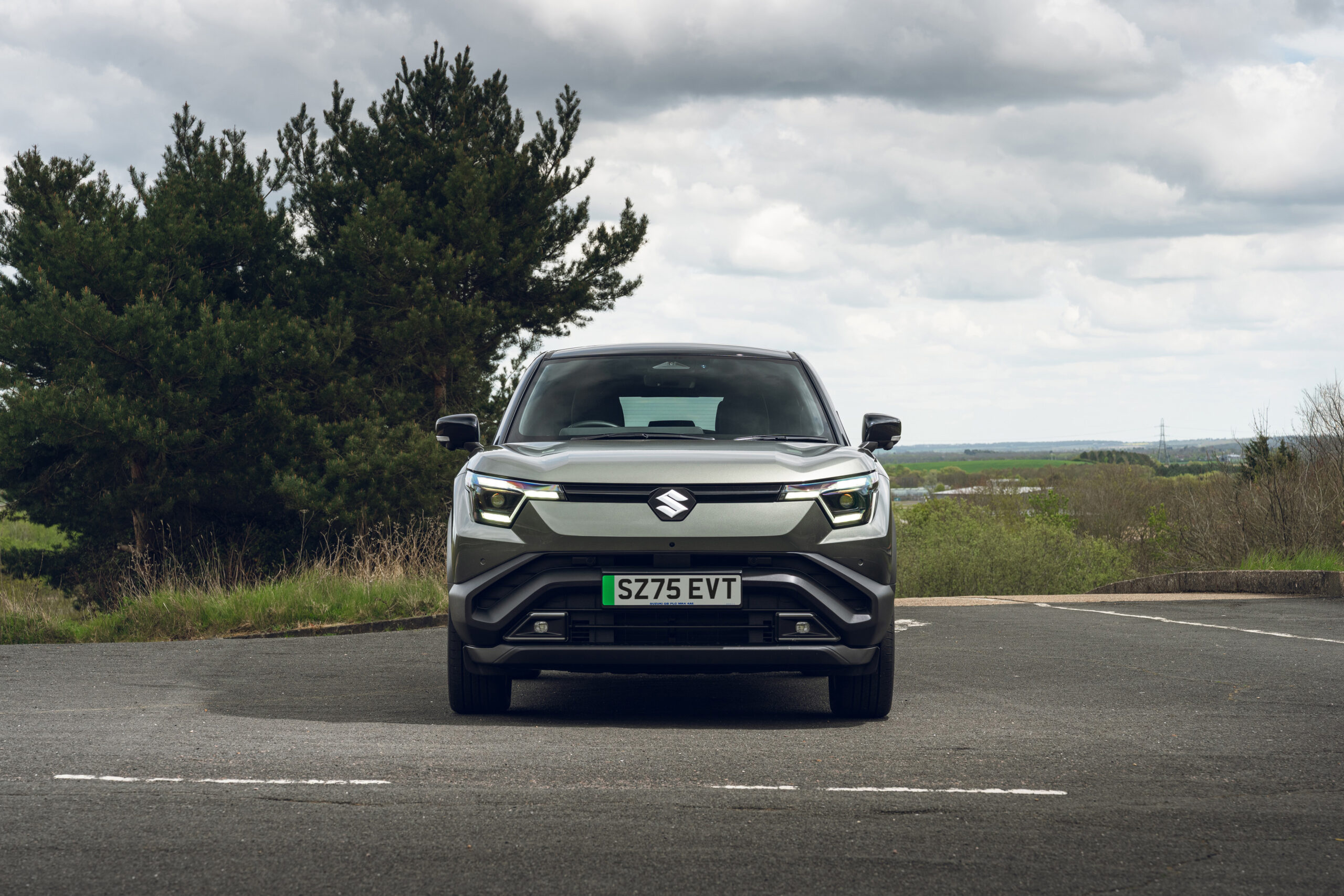
Transmission and four-wheel drive: where things can go wrong
The Grand Vitara’s manual gearboxes generally perform well. The clutch on the less powerful engine variants wears out prematurely. This happens when you regularly tow trailers or drive with heavy loads. It is not a design flaw. It is, however, something to bear in mind if the car is used intensively.
It is a different story with the automatic transmissions. The automatic transmissions are more problem-prone. Owners report humming noises while driving. These noises indicate internal wear. Oil leaks at the front of the gearbox are also reported. One thing is crucial: only the transmission oil recommended by Suzuki is suitable for the automatic gearbox. Using the wrong type of oil causes malfunctions in the automatic’s hydraulic systems.
The four-wheel drive system is robust. The system is sometimes affected by oil leaks in the transfer case (the component that distributes power between the front and rear axles). Check this component regularly for damp spots. Make sure the oil level stays topped up. Insufficient lubrication leads to damage. This is similar to what can happen with the engine. Here too, expensive damage may occur.
Suspension and steering: wear you can expect
The Grand Vitara’s suspension contains a number of components that are prone to wear. These parts need to be replaced more frequently. This happens faster than you might expect. The front anti-roll bar bushes often start to wear out after only 20,000 to 25,000 kilometres. You will notice this as rattling over bumps. The road holding becomes less sharp. The stabiliser links themselves have a longer life of around 60,000 kilometres.
The front wheel bearings (bearings in the wheel hubs that allow the wheels to turn smoothly) last for around 100,000 kilometres. These wheel bearings are usually only available as a complete hub assembly. This increases replacement costs. Rumbling while steering is a sign of worn wheel bearings. A droning noise is another sign. This noise increases with speed.
In addition, shock absorbers and rubber mounts start to show signs of fatigue after about five years. This occurs in vehicles that are regularly used off-road (away from paved roads, in rough terrain). During a major service, have the entire suspension inspected.
‘ It creates safety risks when driving at night. ’
Electrical systems and common faults
The Grand Vitara’s electrical system is generally stable. There is one notable weak point. The heater blower resistor frequently fails. This component regularly gives up. The fan then no longer works at all speeds. Sometimes the fan stops working altogether. The repair is not particularly expensive. It is, however, annoying in winter.
The headlights are a much bigger problem. The headlights fail prematurely. There are more than 222 reports from owners of models built between 2000-2002 and 2006-2013. It is especially the dipped beam that fails unusually quickly. Some owners have had to replace their dipped-beam bulbs four times while they have owned the car. This may seem like a minor issue. It creates safety risks when driving at night. Always keep spare bulbs in the car. Check your lights regularly.
The air conditioning (climate control that cools the car) sometimes suffers from a failing condenser fan (the fan that removes heat from the cooling system). The air con then stops working completely. This is especially inconvenient in hot summers. Always check on a test drive whether the air con continues to blow cold air. Also test this after a longer period of driving.
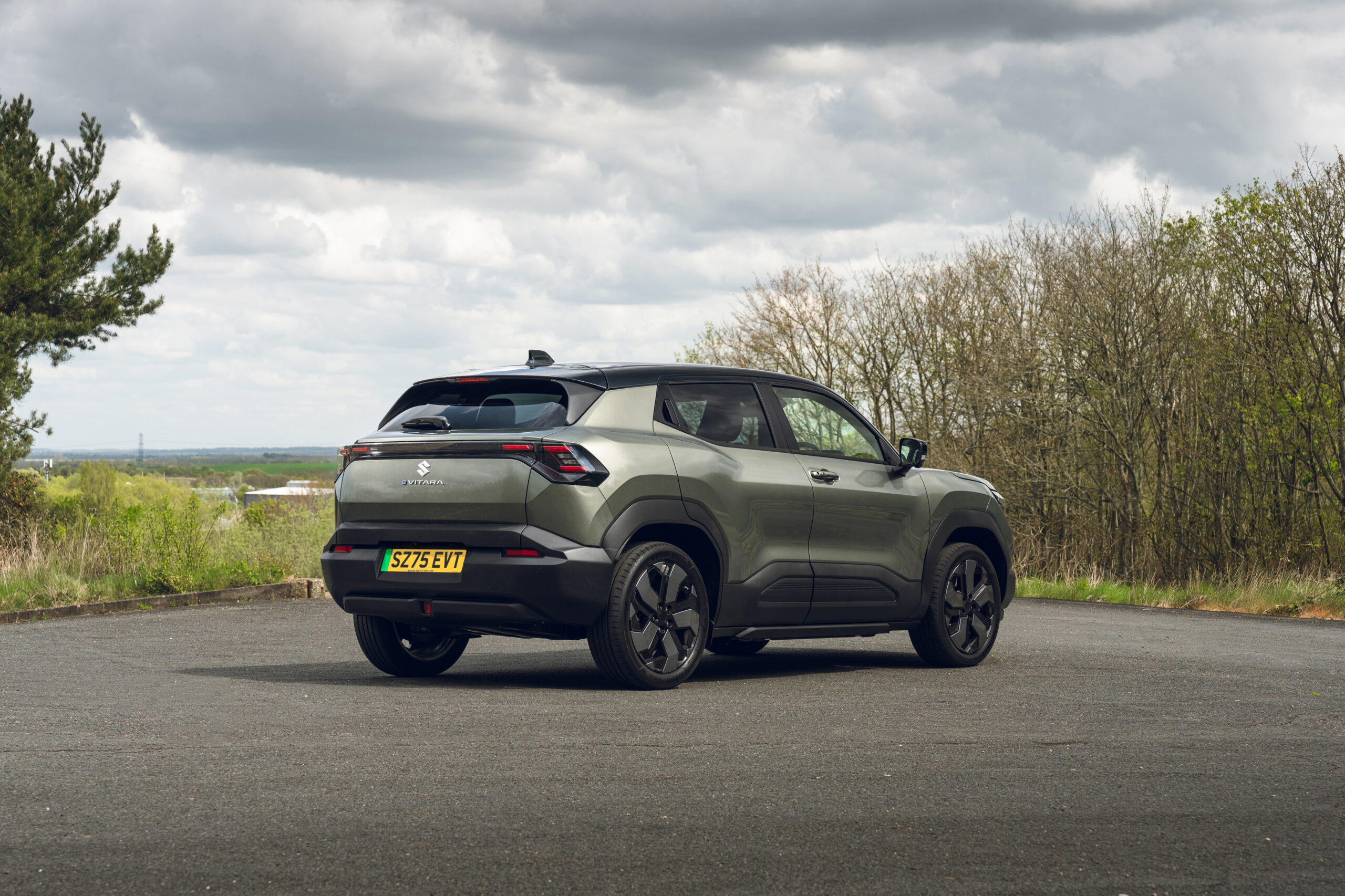
Airbags and interior wear: a serious point of concern
A specific problem on models from 2006-2013 concerns the airbags. This problem occurs on cars with leather upholstery. The leather seat base is exposed to high humidity and temperatures for long periods. This exposure causes the leather seat to shrink. This in turn affects how the airbags work. The airbags sometimes deploy unexpectedly. In other cases, they fail to deploy in an accident.
Suzuki has carried out a recall for certain models from this period. This happened because of the seriousness of the problem. If you are considering buying a Grand Vitara from these years, explicitly ask whether this recall has been carried out. Ask for documentation of the recall. This is not a minor detail. It is an important safety issue.
The rest of the interior is reasonably resistant to wear. Buttons and switches become stiff over time. The seat upholstery and dashboard start to show signs of ageing. This happens when they are exposed to a lot of direct sunlight.
Bodywork and susceptibility to rust
The Grand Vitara has good rust protection. The model does, however, have a few sensitive areas. Check the wheel arches for rust. Also check the bottom edges of the doors. The tailgate is also prone to corrosion (rust or degradation of the metal). The areas around the headlights are also vulnerable. This occurs on older examples from the first generation.
Water ingress (rainwater entering via rubber seals) is another point to watch. The seals around the doors and tailgate harden over the years. They lose their sealing ability. Moisture then enters the interior. During an inspection, look out for damp patches in the carpets. Also check for condensation inside the light units.
Preventive maintenance that makes all the difference
Regular servicing extends the life of your Grand Vitara. Check the oil level every month. Look for leaks under the car. This allows you to detect oil issues at an early stage. It prevents costly engine damage. Change the engine oil according to the recommended service schedule. Ideally, change the oil a little more frequently. This applies if you drive a lot of short journeys. It also applies if you regularly drive with heavy loads.
Check the transmission oil level according to the service schedule. Also check the oil level in the transfer case. This maintenance is often forgotten. It is important for the life of these components. Only the types of oil recommended by Suzuki are suitable for the Grand Vitara.
Regularly inspect the suspension bushes (rubber components in the suspension that absorb movement) and other rubber parts. By replacing these relatively inexpensive components in good time, you prevent damage. More expensive parts such as the suspension (the structure that connects the wheels to the car) or the power steering are then spared. If you are unsure about rattling noises, have a mechanic immediately check the cause.
Replace the headlights in good time. Do not wait until they fail completely. Replace them as soon as you notice the light output getting weaker. This helps you to avoid dangerous situations in traffic.
‘ A fully serviced car with a stamped service book is preferable. ’
Checklist for buying a used example
If you are thinking of buying a used Grand Vitara, work through these checks systematically. Start by checking the service history. A fully serviced car with a stamped service book is preferable. Pay particular attention to when the oil was changed (the oil change intervals). Also check whether timing chain problems are mentioned. Confirm whether they have been repaired.
Ask whether the airbag recall has been carried out. This applies to models from 2006-2013. Ask the seller to show documentation of the recall. Start the engine. Listen carefully for ticking noises. Ticking points to timing chain problems. Check under the car for oil leaks. Pay particular attention to the engine and gearbox.
Test all headlights. Ask about their replacement history. If the bulbs have been replaced frequently, this is a known issue on that particular vehicle. Check all electrical functions. Test the air conditioning and the heater. Check whether they work at all fan speeds.
Take a test drive. Listen for unusual noises from the transmission. Also listen for noises from the four-wheel drive system. Test it on the road. Also test it in off-road mode. This applies if the vehicle has 4×4 (four-wheel drive). Check the suspension for wear. Also check for play in the suspension joints. Inspect the wheel arches thoroughly for rust. Also check the door edges. Inspect the tailgate.
Check the interior for damp patches. Make sure all seats operate correctly. Make sure all seat belts work properly. Ask specifically about how the car has been used. Has the car done a lot of off-road driving? Has it been used for towing trailers? Has it mainly been used as a family car?
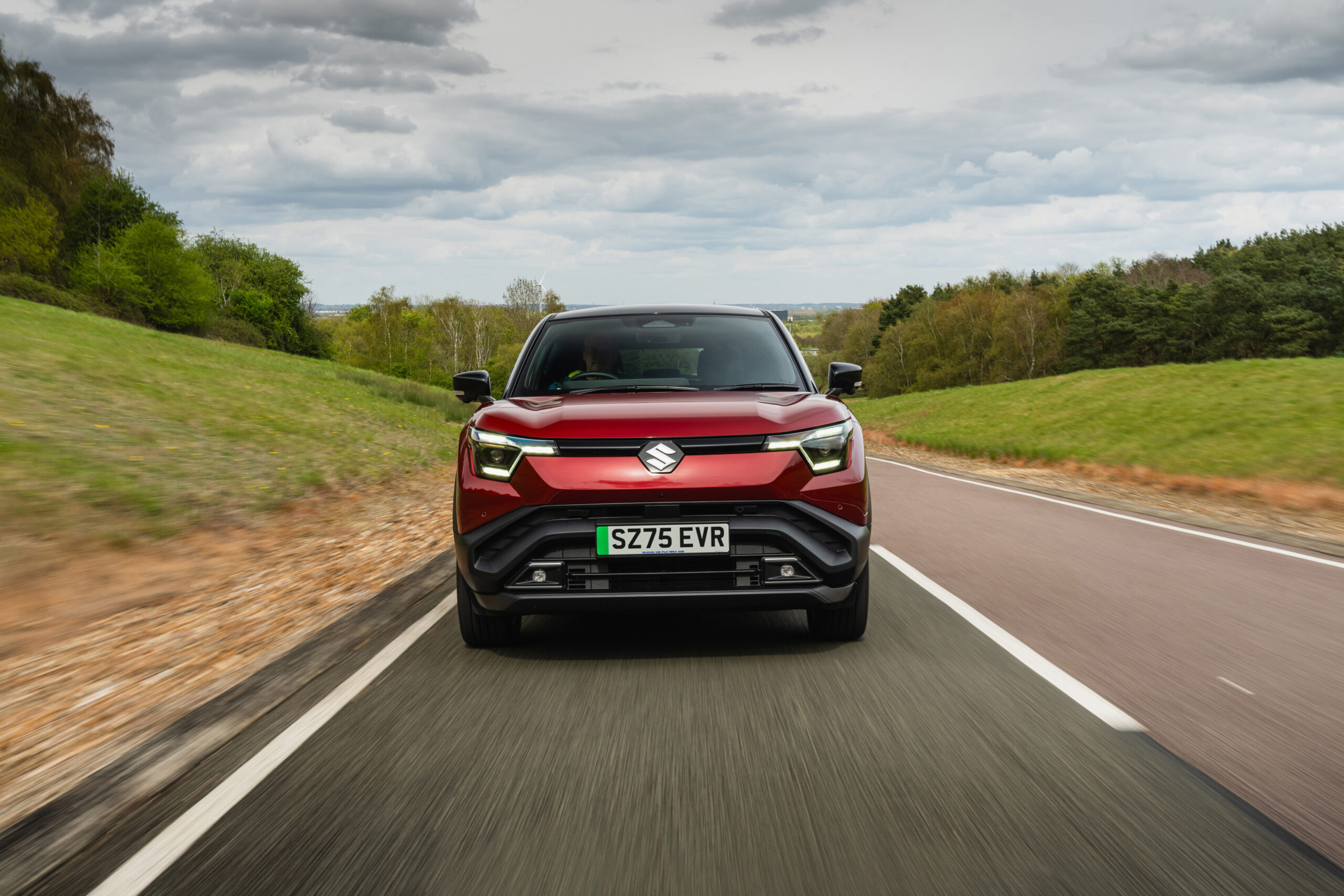
The Grand Vitara as a sustainable choice
The Suzuki Grand Vitara remains a solid choice on the used-car market. There are the points of concern mentioned above. Overall, however, its reliability score is good. Many owners drive for years without any major issues. The 2013 model received an almost perfect reliability rating.
The problems that do occur are largely manageable. Provided you address them in good time. Regular checks help prevent oil leaks. If you replace suspension components in time, they will not cause secondary damage. Electrical problems are usually limited to specific components. These parts are relatively simple to replace.
The Grand Vitara is an affordable SUV. The model has genuine off-road capabilities. The layout is practical. The Grand Vitara offers good value for money. The build quality is solid. Parts are readily available. The technology is straightforward. With some technical understanding and regular servicing, you can enjoy this Suzuki for many years. When buying, pay close attention to the specific points to watch for each generation and model year. Make sure you know the service history. You will then have a reliable companion. The model performs well on the motorway. It also performs well off-road.