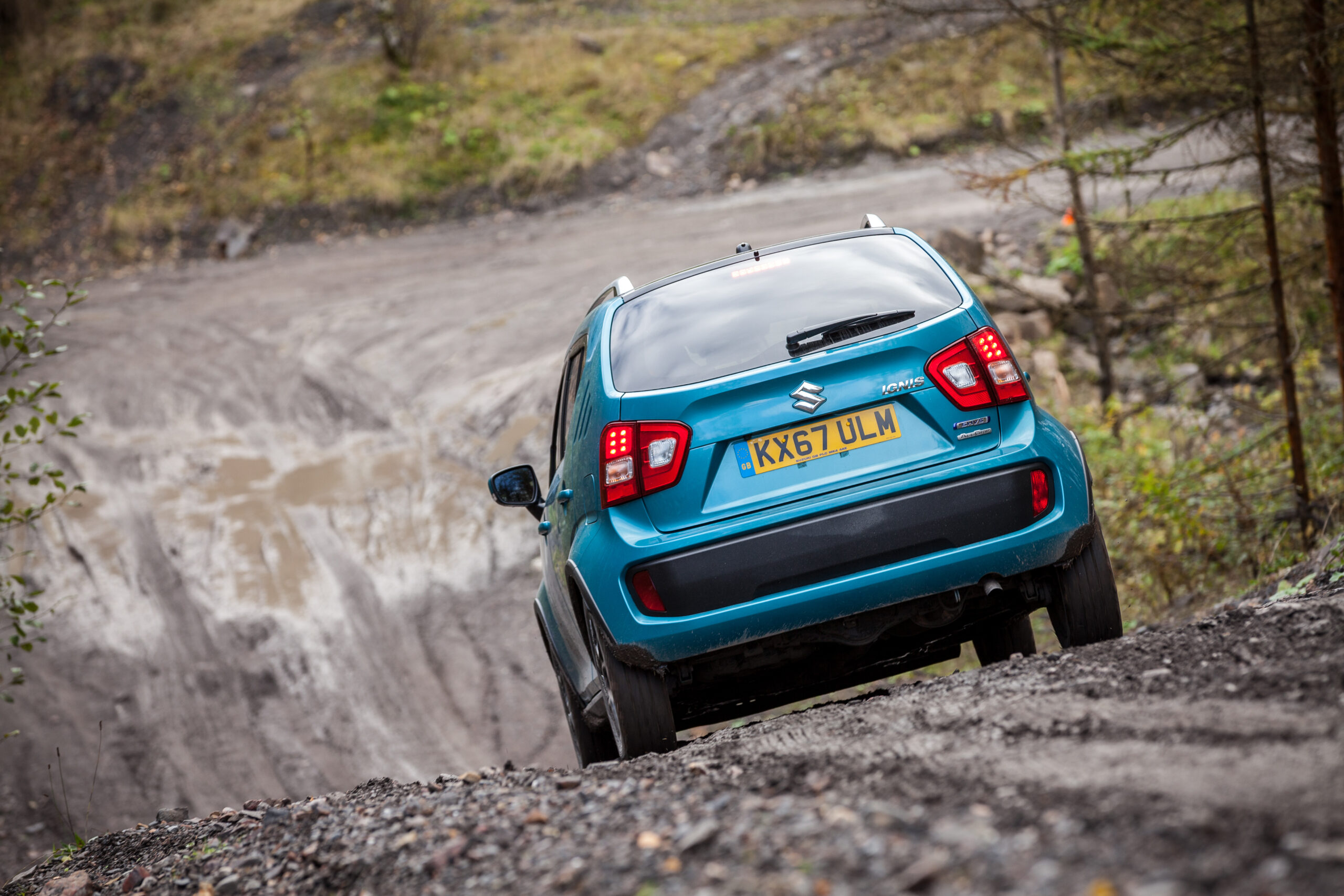
What problems occur with the Suzuki Ignis?
The Suzuki Ignis is a compact city car with a quirky look that has proved itself to be one of the most reliable small SUVs on the market. The majority of owners report virtually no faults and praise the car for its agility, efficiency and surprisingly generous interior space. However, at high mileages or with neglected maintenance, specific issues can arise that are worth keeping an eye on. Discover which points you should be aware of and how to extend the lifespan of this robust Japanese car.
A quirky compact SUV
The Suzuki Ignis (2016–2025) stands out with its distinctive design and compact dimensions. The car combines a tough SUV appearance with the manoeuvrability of a city car. In various reliability surveys, the Ignis ends up at the top of its class, with owners finding it particularly robust and trouble-free. The 1.2-litre Dualjet petrol engine is generally very reliable and offers a good balance between performance and fuel consumption.
The Ignis is available with front-wheel drive or AllGrip four-wheel drive, and with a manual gearbox or an automated transmission. This variety makes the car suitable for different types of use, from urban traffic to light off-road trips. Despite its generally excellent reputation, there are a few points to bear in mind as an owner or potential buyer.
As with every brand, specific problems can occur, and it is wise to inform yourself about them. You can find more information about possible Suzuki car problems in our comprehensive overview of all Suzuki models.
‘ This is the best indicator of the engine’s future reliability. ’
Engine performance and oil consumption
The Dualjet petrol engine is known for its reliability, but in examples with high mileage and a poorly maintained history, increased oil consumption can occur. This problem is not widespread, but it deserves attention if you are considering a used Ignis with a high mileage. Check the oil level regularly and top up with oil of the correct specification.
Timing chain noises are rare and only occur in seriously neglected cars. The chain is normally maintenance-free and lasts for the lifetime of the engine, provided you use the correct oil and change it on time. When buying, always check the service book to see whether services have been carried out according to the schedule. This is the best indicator of the engine’s future reliability.
Tips for engine maintenance
- Check the oil level weekly on cars with more than 80,000 kilometres
- Always use quality oil of the specification recommended by Suzuki
- Replace engine oil and filter according to the prescribed maintenance schedule
- Watch out for blue smoke from the exhaust, which can indicate oil consumption

Electrical systems and software
Software faults in the Engine Control Module (ECM) and the stop–start system (ENG A-STOP) can lead to flashing warning lights, problems with charging the battery, dimming lights or even engine stalling. These electrical malfunctions are usually software-related and are often resolved free of charge under warranty by the dealer. Repairs generally take no more than a day.
The infotainment system can sometimes show problems. Earlier Pioneer units occasionally freeze or fail to start up. Bluetooth connections, smartphone mirroring and the reversing camera can also fail due to electrical glitches. A simple restart of the car often already resolves this. If that does not work, connect a USB cable to your phone to test whether that fixes the connectivity problem.
During a test drive, test all electronics thoroughly. Check whether the infotainment system responds, whether all warning lights operate normally and whether the stop–start systems work correctly. Many of these issues are known to dealers and are routinely fixed.
Brakes and noise complaints
Squealing brakes are a common phenomenon on the Ignis, especially after periods of standing still or in winter. This is usually caused by salt and dirt blocking the brake callipers. A professional brake service in which the callipers are cleaned and lubricated solves this problem in most cases. It is not a sign of a serious defect, but it is annoying.
During a test drive, listen carefully for noises when braking. Check whether the braking feels even and whether no vibrations occur. Normally, the brakes on the Ignis are reliable and durable, but neglect can lead to premature wear.
‘ Gearbox and clutch problems occur in around 5% of Ignises and are usually resolved quickly and often free of charge. ’
Clutch and gearbox
On models with a manual gearbox, grinding when changing gear can occur, especially when shifting back into first gear or reverse. This is often caused by a loose or worn clutch cable bracket. The part is inexpensive to replace at about €20 and solves the problem immediately. Have this checked preventively during your regular service.
Some owners report slight clutch judder when pulling away, which is considered normal. Use sufficient revs to avoid this. The relatively small clutch can wear prematurely with intensive use or an aggressive driving style. Gearbox and clutch problems occur in around 5% of Ignises and are usually resolved quickly and often free of charge.
Models with an automated gearbox (also called semi-automatic) can show slight jolts when cold starting. This is normal behaviour and disappears once the transmission has reached operating temperature. If the jolts continue when warm, have this checked by a specialist garage.
ISG belt and starter motor
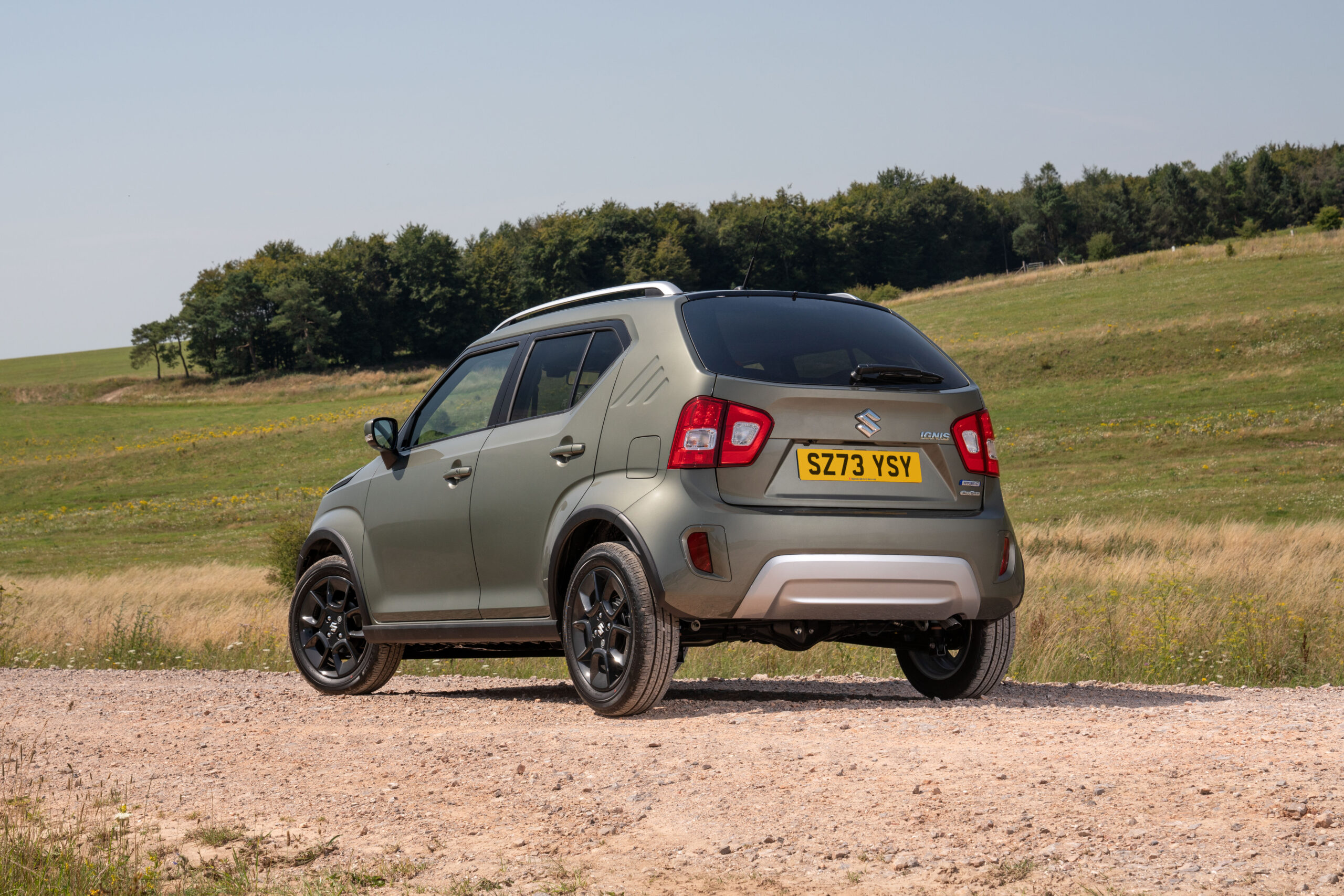
A specific point to watch is the belt of the Integrated Starter Generator (ISG). In rare cases this belt can snap, causing the water pump to fail. This leads to a lit charging warning light, rising coolant temperature and possible engine stalling. Suzuki has carried out a recall for this issue, during which the belt was replaced preventively on 2,247 cars.
When buying a used Ignis, check whether this recall has been carried out. The dealer can look this up using the chassis number. If the belt has not yet been replaced, have this done immediately. The repair is free and prevents serious engine damage due to overheating.
Chassis and suspension
The chassis of the Ignis is generally solid and reliable, but CV joints can show wear over time. Clicking noises when steering, especially at full lock, indicate worn CV joints. Replace these in good time to prevent further damage to the driveshaft.
On four-wheel drive models, extra attention is needed for the underside of the car. Corrosion and damage from off-road use can affect the guard plates and components of the AllGrip system. When buying, check carefully for damage from off-road use and for corrosion.
Chassis checks when buying
- Inspect the underside for cracks, dents and rust
- Check suspension bushes for small cracks
- Test the shock absorbers by pressing down on each corner of the car
- Listen for clicking noises while steering
‘ Surface rust is less serious, but parts that have rusted through require costly repairs. ’
Rust susceptibility and bodywork
Surface corrosion on the underside is a point to watch that is typical of Japanese cars. The Ignis is no exception. On older examples or cars that have been used a lot in salt-rich environments, rust can appear on the underside, wheel arches and sills.
Wash the car regularly in winter, including the underside, to prevent salt build-up. When buying, look for rust around the wheel arches, under the door sills and at mounting points for the chassis. Surface rust is less serious, but parts that have rusted through require costly repairs.
Also check the bodywork for dents and scratches. The paint on the Ignis is not exceptionally thick, which means stone chips are more likely to cause damage. Treat paint damage promptly to prevent rust.
Interior and finish
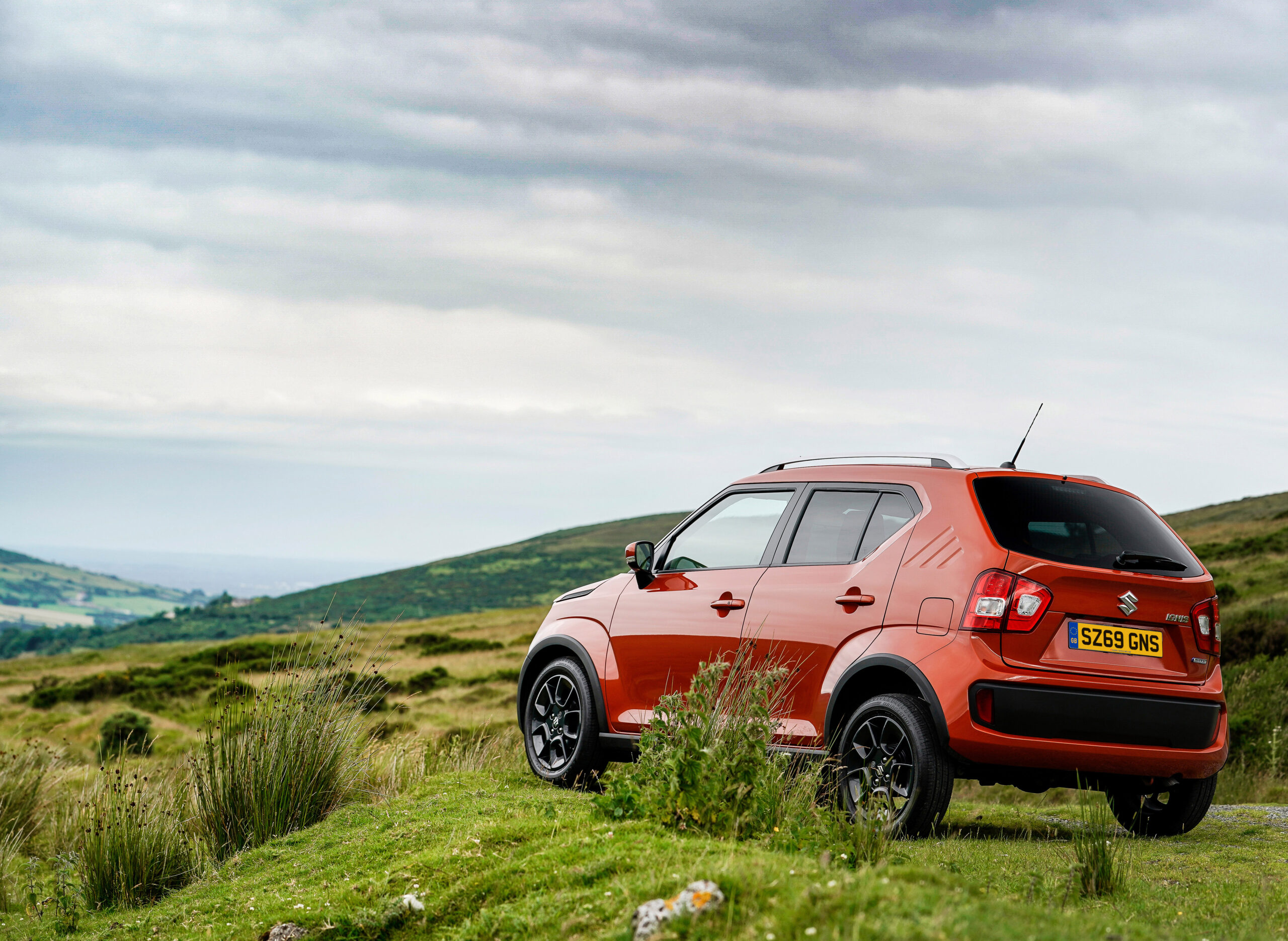
The interior of the Ignis is functional and practically laid out, but the materials are not of the highest quality. On cars with high mileage, wear can occur on the driver’s seat, steering wheel and gear lever. This is normal and does not affect functionality, but it can reduce comfort.
Check all buttons, switches and controls to make sure they work. Test the heating, air conditioning and all electric windows. The simple layout of the interior makes faults rare, but neglect can still lead to defects.
Costs of common repairs
The maintenance costs of the Ignis are generally low. A routine service costs between €150 and €250, depending on the dealer and type of service. Specific repairs vary in price:
- Replacing clutch cable bracket: €20–€50
- Brake service with calliper cleaning: €100–€150
- Replacing a CV joint: €150–€250 per side
- Replacing ISG belt: free under recall, otherwise €200–€300
- ECM software update: free under warranty, otherwise €80–€150
These prices are indicative and can vary by garage and region. Genuine Suzuki parts are generally affordable and widely available.
‘ Dark, dirty oil indicates irregular maintenance. ’
Checklist for buying a used Ignis
If you are considering buying a used Ignis, pay attention to the following points. Start by checking the service book. All services should be documented and preferably carried out by an authorised Suzuki dealer. Ask about the recall history and check whether the ISG belt has been replaced.
During the test drive, test all electronics extensively. Switch on the infotainment system and connect your phone via Bluetooth. Check that the reversing camera works and that all warning lights function correctly. Pay attention to the stop–start system and see whether it operates smoothly.
Listen carefully to engine noises on a cold start. Rattles or ticking noises can indicate overdue maintenance. Check the oil level and the colour of the oil. Dark, dirty oil indicates irregular maintenance. Shift through all gears and listen for grinding noises or hesitation.
Inspect the underside thoroughly for rust, damage and oil leaks. On four-wheel drive models, extra attention is needed for damage to guard plates and AllGrip components. Check the tyres for wear and look for uneven wear patterns, which can indicate alignment problems.

Preventive maintenance for a long service life
The key to a reliable Ignis lies in consistent maintenance. Follow the maintenance schedule prescribed by Suzuki strictly and always use the recommended fluids and parts. Replace engine oil and filter at least once a year or every 15,000 kilometres, even if the car covers few miles.
Check the oil level regularly, especially on cars with more than 80,000 kilometres. Monitor the coolant level and check for leaks. Replace the brake fluid every two years to prevent moisture build-up. Have the brakes checked annually and clean the brake callipers as a preventive measure.
Wash the car regularly, including the underside in winter. This prevents salt build-up and corrosion. During services, check the tension and condition of all belts. Pay particular attention to the ISG belt and replace it preventively if this has not yet been done under the recall.
Plan an annual thorough inspection of the chassis, suspension and exhaust. Minor issues can then be resolved in good time before they lead to expensive repairs. With proper maintenance, the Ignis can easily cover 200,000 kilometres or more without major problems.
A reliable choice with a few points to watch
The Suzuki Ignis has proved itself to be one of the most reliable compact sport utility vehicles (city SUVs) in its class. The majority of owners experience few if any problems and praise the car for its practical qualities and low maintenance costs. Nevertheless, there are specific points to keep an eye on, especially on cars with high mileage or an unclear maintenance history.
Electrical faults and software issues occur occasionally, but are usually resolved quickly and free of charge by the dealer. Mechanical problems are rare and often the result of overdue maintenance. The ISG belt deserves special attention because of the recall, but once this has been taken care of, it is no longer a concern.
For potential buyers the advice is: choose a car with a complete service history, low to average mileage and preferably from the first owner. Test all systems thoroughly during the test drive and, if in doubt, have a pre-purchase inspection carried out by an independent garage. With the right precautions and consistent maintenance, the Ignis offers many years of trouble-free driving at low cost.