
Suzuki Liana: the compact family car with surprising pitfalls
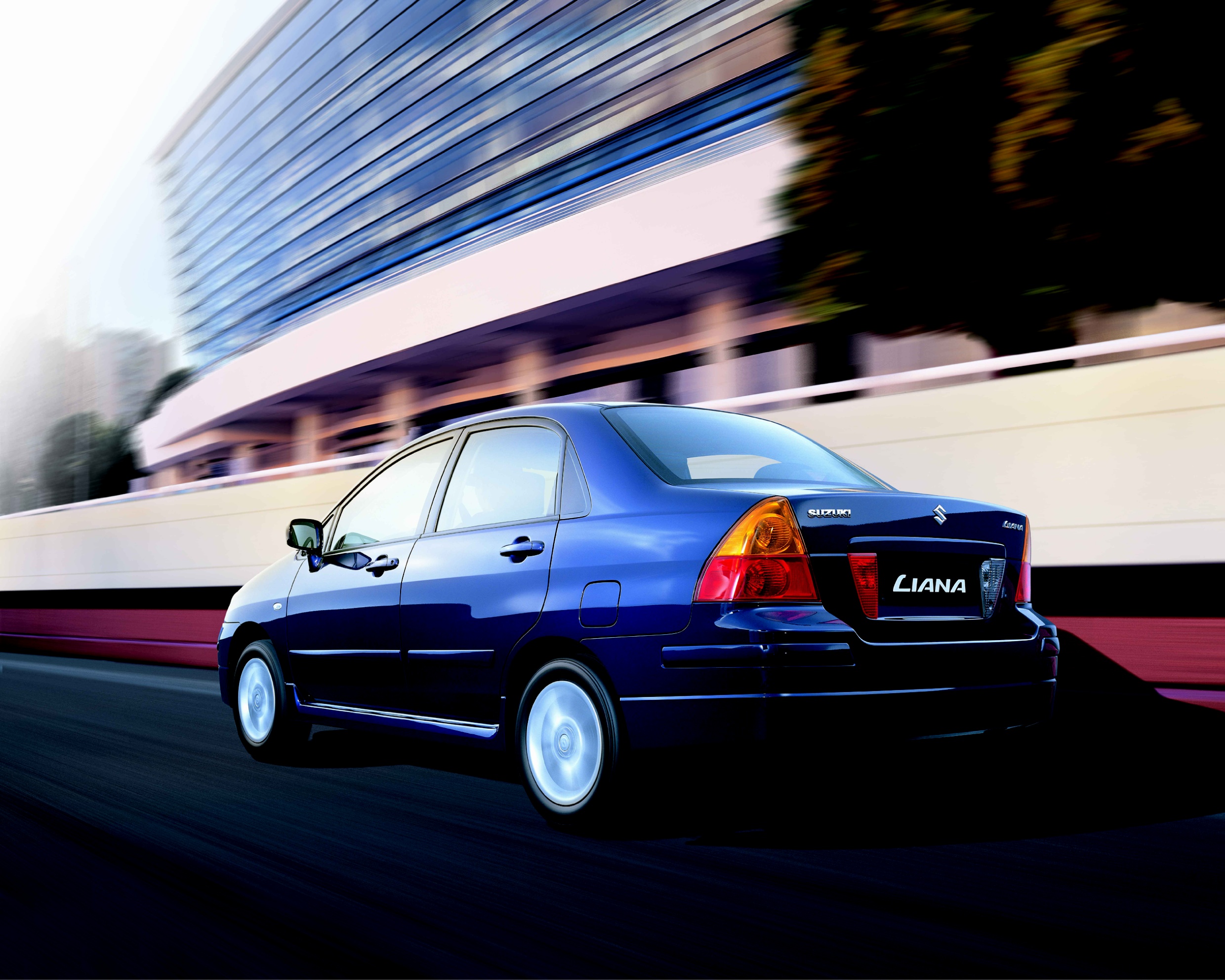
The Suzuki Liana is an affordable hatchback that was on the market between 2001 and 2007 and mainly scored well on price and practical interior space. This compact family car suffers from frequent electrical faults and suspension issues, which tend to appear at higher mileages. Even so, with proper maintenance the Liana can last a long time. Owners regularly pass the 150,000-kilometre mark. Read on to discover what you need to watch out for and whether this Suzuki is really something for you.
An affordable family car with pros and cons
The Liana positioned itself at the time as an entry-level model for families looking for a spacious, reliable car without a big budget. With its practical layout and modest engines, Suzuki targeted people who mainly needed simple, functional transport. The car never achieved premium status – and it was never meant to.
The design looks functional but dated, with simple plastic finishes in the interior and a modest appearance on the outside. The market received the Liana moderately positively. Buyers mainly appreciated the low purchase price and spacious cabin. The car was also criticised for its lack of refinement and its weak acceleration above 100 kilometres per hour.
Owners mainly value the Liana as a reliable daily runabout. They do not expect any special driving experience or luxury. The car does what it is supposed to do, as long as you address the known Suzuki car problems in time and keep your expectations realistic.
‘ It mainly comes down to how the previous owner treated the car. ’
Reliability: not perfect, but manageable
The Liana scores from average to fairly good on reliability. The engine is generally robust and lasts a long time. Change the oil regularly and replace the timing belts on time. The 1.3 engine is similar to the one in the Suzuki Swift and is known as a solid power unit with few major failures.
There are, however, some points to watch. Electrical components tend to fail more often at higher mileages, and sensors regularly give up too. The suspension and various plastic interior parts can also cause problems. The Liana needs attention and preventive maintenance. It is not a disaster of a car, but you do need to know what to look out for.
Owners on forums sometimes describe the car as a “throwaway car” because of its image and low residual value, but in practice many examples last longer than expected. It mainly comes down to how the previous owner treated the car.
Engine problems: sensors as the weak link
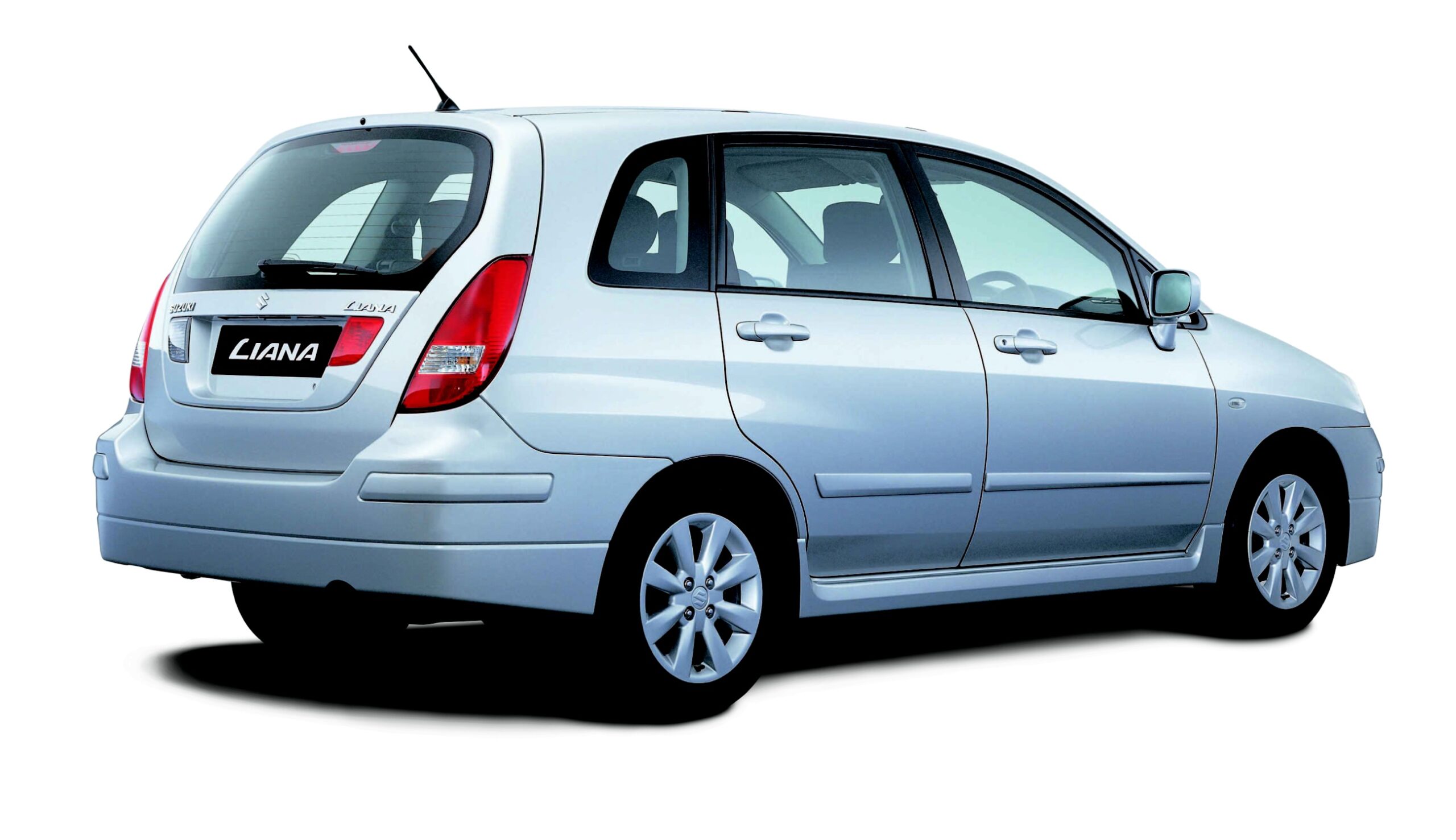
The engine itself is generally reliable, but there are some recurring complaints. Most frequently reported are problems with the crankshaft position sensor. The idle speed sensor also causes trouble on a regular basis. These sensors can fail, especially on poorly maintained cars. This leads to stalling at traffic lights and an irregular idle speed.
Fortunately, these sensors are relatively simple and affordable to replace. Are you buying a Liana with high mileage? Check these parts proactively or replace them as a precaution. That can prevent a lot of hassle later on.
Another point to watch is oil consumption. Some owners report slightly increased oil consumption on older cars. Check the oil level regularly and top up if necessary. Change the oil in good time and replace belts when due. That way the engine will stay healthy for a long time.
Transmission and clutch: watch for sloppy gear changes
The Liana’s manual gearbox is generally solid, but at high mileages it can start to feel a bit loose. Owners sometimes report a noisy or vague shift action, especially if the gearbox has not been properly maintained. This is often not a major issue, but it is something to pay attention to during a test drive.
The clutch can start to slip if it has been used intensively or treated carelessly. During a test drive, check whether the clutch bites immediately and whether the car pulls away without hesitation. A slipping clutch means an expensive repair, so this is an important thing to check before you buy.
Some examples have an automatic gearbox, but these are less common. The automatic is generally fairly reliable, but it does require regular transmission fluid servicing. Do not neglect this, as a worn automatic gearbox is very expensive to replace.
‘ Plastic parts in the interior are more brittle than you would like. ’
Electrical faults: the Liana’s weak spot
Electrical problems are the most common issue on the Suzuki Liana. Sensors regularly fail, particularly on cars that have passed the 100,000-kilometre mark. The central locking can act up, the air conditioning can stop working and various dashboard warning lights can give error messages.
These failures are annoying but often relatively easy to fix. The problem is that diagnosis can sometimes be tricky, especially if several sensors are playing up at the same time. When buying, have all electrical functions tested: windows, central locking and air conditioning, and also check the lights and dashboard warning lamps.
The alternator can fail if neglected. This leads to charging problems and can cause further electrical faults. Check whether the battery is charging properly and whether there are any warning lights illuminated on the dashboard. A failed alternator is not outrageously expensive, but it is very inconvenient if it happens on the road.
Plastic parts in the interior are more brittle than you would like. Switches, handles and trim covers can crack or break, especially after many years of use. This is more of a cosmetic issue than a technical defect, but it does contribute to a cheap-feeling interior.
Suspension and brakes: wear at higher mileages
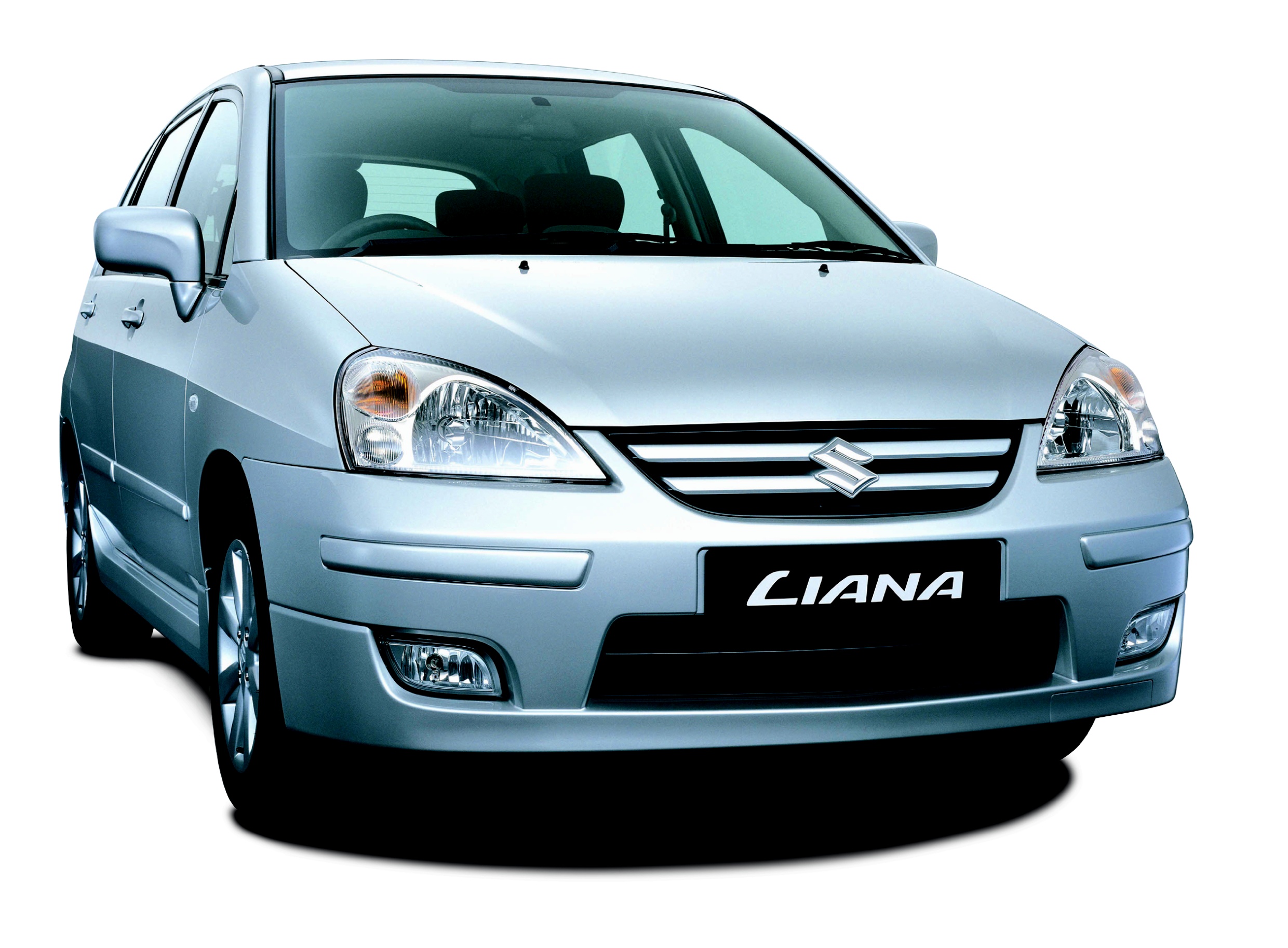
The suspension is the most frequently occurring major problem on the Liana. Shock absorbers and springs wear out at higher mileages, leading to sloppy handling and creaking noises. During a test drive, check whether the car feels stable in corners and whether you hear creaking or knocking noises over bumps.
Wheel bearings can show wear around 100,000 kilometres. You recognise this by a droning noise that gets louder at higher speeds. Replace wheel bearings in good time; a damaged bearing can become dangerous and may also damage other components.
The braking system is generally reliable, but it does require normal servicing. Brake discs and pads wear as on any car and need regular replacement. When buying, check that there is enough thickness left on the discs and that the brakes do not pull to one side or vibrate.
The steering rarely causes major problems. If neglected, the steering can develop some play, which is usually remedied with a wheel alignment or by replacing track rod ends. During the test drive, check whether the car tracks straight and whether the steering wheel has any excessive play.
Rust and bodywork: holding up reasonably well over time
The Liana is generally reasonably resistant to rust, but older cars can show corrosion in familiar spots. Pay particular attention to the wheel arches, sills and the bottom edges of the doors. The boot floor and the floor under the mats are also vulnerable areas.
Paint damage and small dents are almost unavoidable on a used car, but do check whether they have been properly repaired. Poorly executed paintwork can later lead to rust problems. This can result in corrosion over time. View the car in daylight and watch for colour differences or an uneven surface.
The plastic bumpers and mud flaps can discolour after years of exposure to sun and weather, and they can also crack. This is mainly cosmetic, but it does contribute to an aged appearance. Replacement is possible, but not always worth the investment on a cheap car like the Liana.
‘ If you have high expectations of quietness and comfort, the Liana may not be the best choice. ’
Other complaints: from exhaust to interior
At high mileages the exhaust can rot through, particularly at the flexible joint and the rear silencer. This is normal wear and is relatively easy to replace. During a test drive, listen for ticking or droning noises, which can indicate leaks in the exhaust system.
The interior often shows wear if the car has been used intensively. Seat upholstery can fray, the dashboard can discolour and buttons can become stiff. This is mainly cosmetic, but it can detract from driving pleasure. Check that all seat adjustment mechanisms still work smoothly.
The air conditioning often works fine, but on older cars it may blow less cold. This usually points to a low refrigerant level, but it can also indicate a leak in the system. Have this checked when buying, as a full repair can be expensive.
Owners sometimes complain about interior rattles at higher speeds, as well as wind noise. This is inherent to the design and simple finish. If you have high expectations of quietness and comfort, the Liana may not be the best choice.
Prevention and maintenance: how to keep your Liana healthy
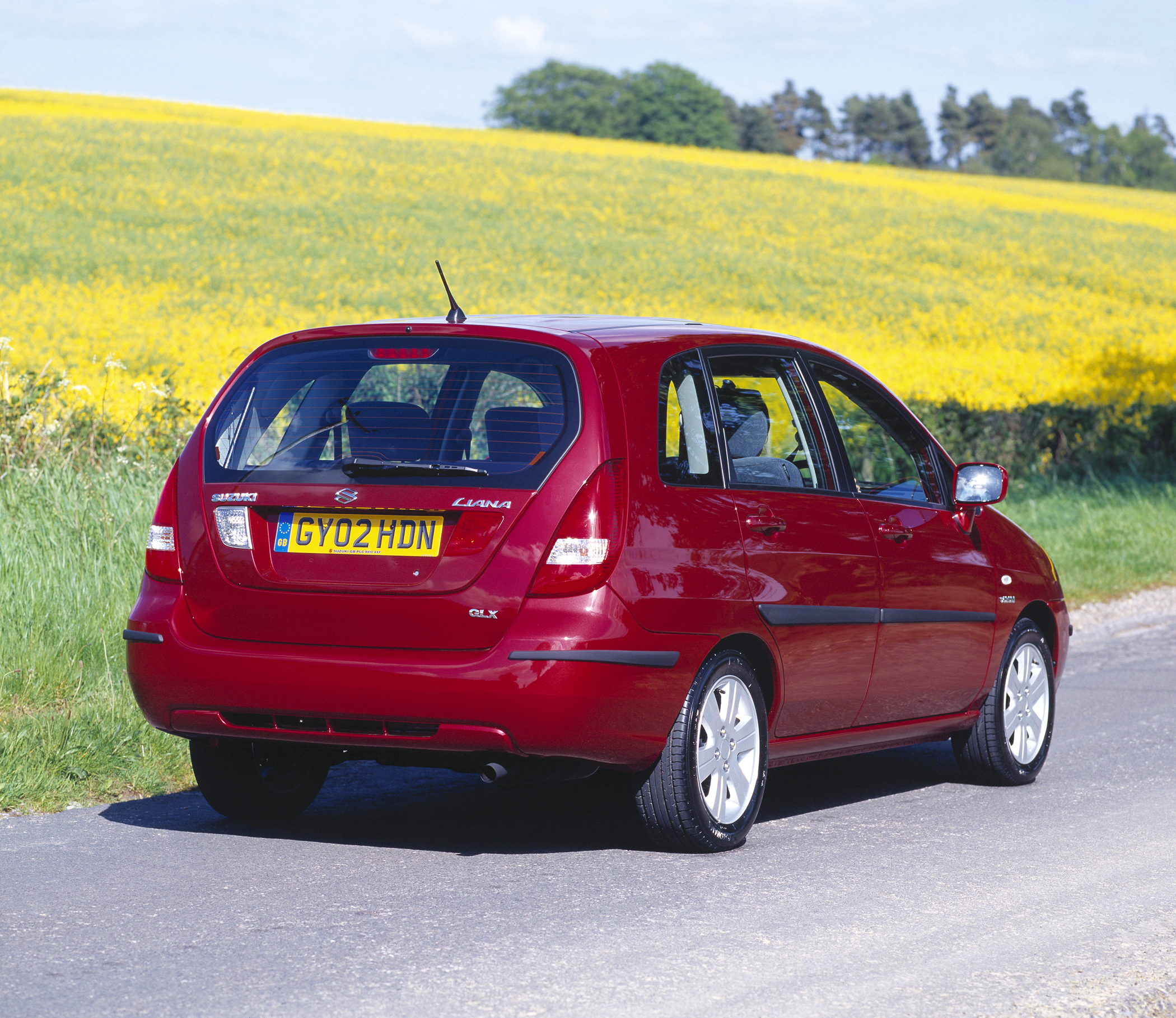
Regular maintenance is important on the Liana. With some other cars this may be less critical, but the Liana needs extra attention because of its sensitive sensors and electronics. Replace the engine oil and filters according to the prescribed schedule, preferably a little more often than strictly necessary. This protects the engine and prevents many problems.
Are you buying a Liana with 100,000 kilometres or more? Check the sensors as a precaution. Replace the crankshaft sensor if it has not yet been done, and replace the idle speed sensor too if it is still original. This can prevent future stalling and rough running.
Inspect the suspension annually. Replace shock absorbers at the first signs of wear, and also replace springs if they show wear. This prevents further damage to other components and keeps the car safe and comfortable.
Keep an eye on the timing belts and toothed belts. Replace them according to the manufacturer’s service schedule, usually around 80,000 to 100,000 kilometres. A broken timing belt can cause major engine damage.
Check the electrical systems regularly and have any faults investigated immediately. Small issues can escalate if you ignore them, so do not delay repairs.
Buying a used Liana: what to look out for
When viewing a used Liana, always take a mechanic with you if possible. A friend with automotive technical knowledge can also help. The car has enough potential weak points to justify a thorough inspection. At higher mileages, check the suspension, sensors and electrical systems extra carefully.
Ask for a complete service history and check whether the maintenance has been carried out on time. A Liana without a service book is risky, as is one with gaps in its history, especially above 100,000 kilometres. It is better to look for a car with fully documented servicing.
Take an extensive test drive and pay attention to the following points:
- Rough or irregular idling
- Stalling at low speed or at traffic lights
- Creaking or knocking noises over bumps
- Vague or noisy gear changes
- Clutch slip when pulling away
- Function of all electrical features: air conditioning, central locking, windows, lights
- Droning noises indicating worn wheel bearings
Check the bodywork for rust spots, especially in the wheel arches, on the sills and under the boot floor. If possible, inspect the underside of the car, or have this done on a lift. Rust is often more expensive to repair than the car is worth.
Before you buy, look up parts online and check availability and prices. Some sensors and electrical components are not always in stock at dealers, but can be sourced via aftermarket suppliers. This can save you a lot of time and frustration later on.
‘ “See the car as a consumable that you use and eventually replace, not as an investment.” ’
The Liana as a daily driver: realistic expectations
The Suzuki Liana is not a car for people looking for luxury, refinement or sportiness. It is a simple, functional car that does its job if you maintain it properly – provided you keep your expectations realistic. For daily commuting and practical family use, the Liana can serve you well, especially if you do not drive huge mileages.
The low purchase price makes the Liana attractive for people on a tight budget, and the affordable maintenance costs are another plus. Straightforward diagnostics keep labour costs down, and the wide availability of parts helps too. You do, however, need to be prepared to carry out regular maintenance and tackle faults promptly.
Do not expect a high residual value. The Liana has a modest reputation and demand for used examples is limited, which depresses resale values. See the car as a consumable item that you use and eventually replace, not as an investment.
As basic, no-frills transport, the Liana does what you can reasonably expect. Treat it with care, keep up with the servicing and accept its limitations, and the Liana can serve you faithfully for a long time without major financial surprises.