
Suzuki S-Cross: reliability and known problems
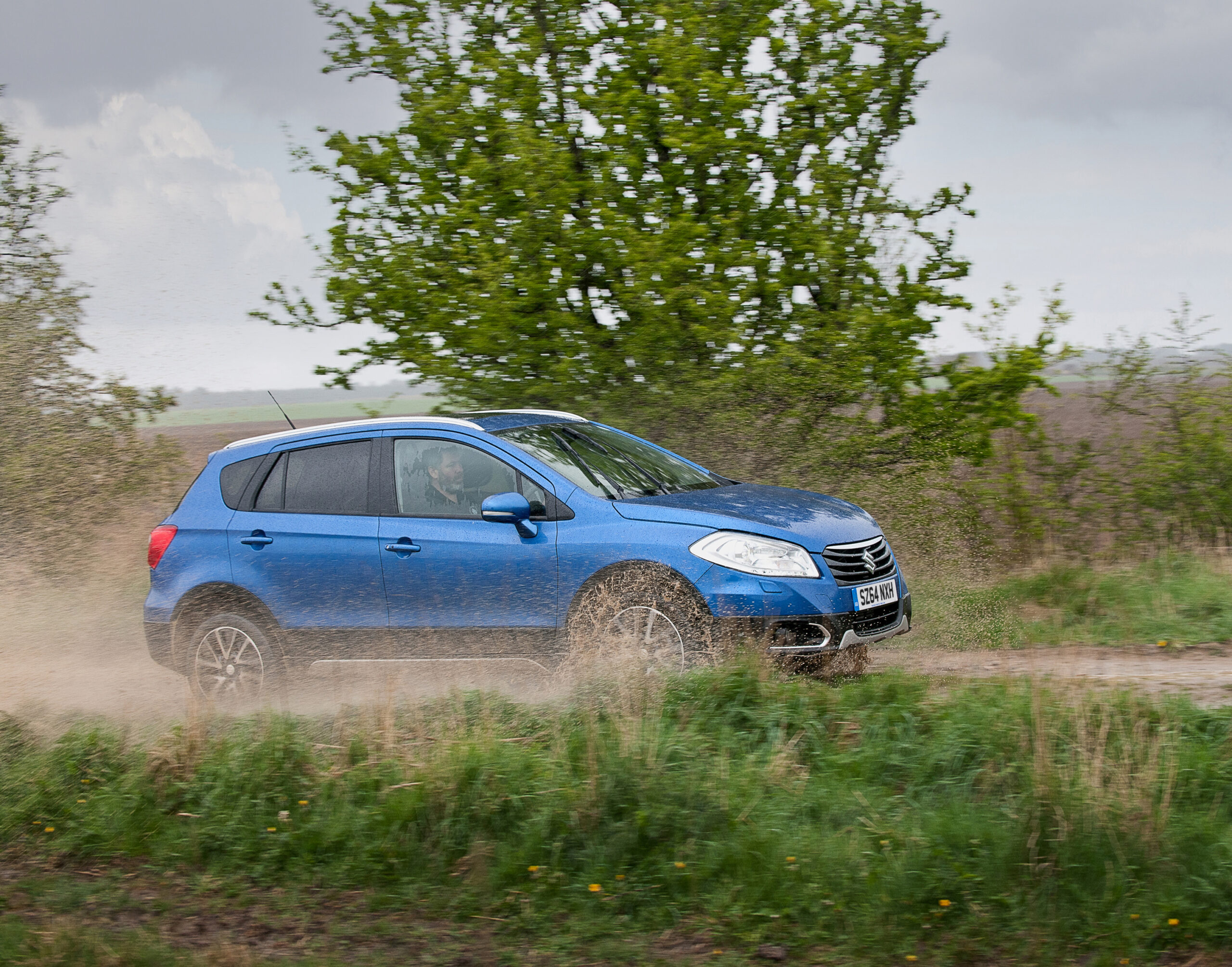
The Suzuki S-Cross is known as a reliable crossover that generally scores well on durability, but the older models before 2020 have some serious weak points you need to be aware of. In particular, the 1.4L petrol engines suffer from fuel dilution, while diesel versions used mainly in town are vulnerable to DPF issues (diesel particulate filter problems). Are you looking for an S-Cross or do you already drive one and want to know what to watch out for? We will walk you through all the most common problems.
A crossover with two faces
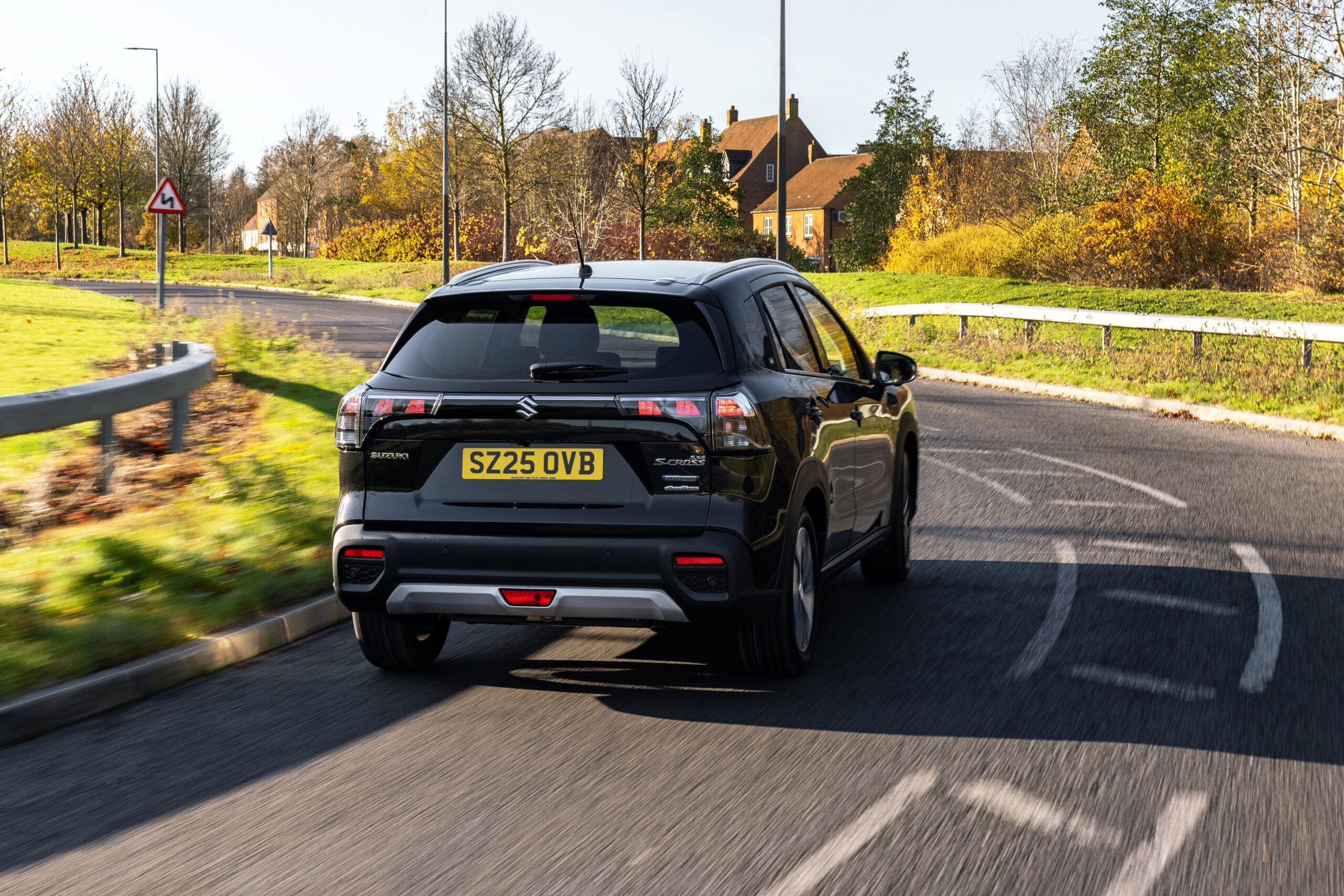
Since its introduction, the Suzuki S-Cross has undergone quite a metamorphosis. The car was also sold as the SX4 S-Cross. Models after 2020 with mild-hybrid technology turn out to be significantly more reliable. Their predecessors score less well. The older petrol versions share a few vulnerabilities with other Suzuki models. This translates into specific maintenance points. You might be considering buying a used S-Cross. It is useful to know where the biggest risks lie. If you are more broadly interested in Suzuki car problems, you may recognise patterns that also occur in other models from the brand.
The S-Cross positions itself as a practical family car with all-road capabilities, with the AllGrip four-wheel drive system (Suzuki’s adjustable four-wheel drive system) in particular performing well in different seasons. Owners appreciate the simple mechanics and low depreciation, although the interior feels less upmarket than that of its rivals.
‘ In the worst case this leads to expensive engine damage. ’
Fuel dilution: major risk on pre-2020 petrols
The most commonly reported problem on S-Cross models with the 1.4L petrol engine from before 2020 is fuel dilution. In this phenomenon, unburned fuel mixes with the engine oil, leading to a noticeably rising oil level. You recognise this by a strong smell of fuel on the oil or an abnormally high level on the dipstick.
The consequences can be serious. The mixed oil loses its lubricating properties, causing internal engine components to wear more quickly. In the worst case this leads to expensive engine damage. The problem mainly occurs on short trips where the engine does not fully reach operating temperature.
When buying a used S-Cross, always check the engine oil carefully. Smell the oil and measure the level precisely. If the level is above the maximum or the oil smells of petrol, this is a warning sign. Also check the service log for regular oil changes, because with fuel dilution shorter intervals are necessary.

DPF blockages on diesel engines
DPF stands for diesel particulate filter. Diesel versions of the S-Cross suffer from particulate filter issues. The diesel particulate filter becomes clogged when the car is mainly used for short city journeys. The filter regularly needs a regeneration cycle, during which it uses fuel at high temperature to burn off accumulated soot.
If you switch off the engine during an active regeneration, the process stops abruptly. The unburned fuel then ends up in the engine oil, again leading to dilution. This explains why diesels used intensively in town are at greater risk of expensive repairs.
Do you mainly make short trips? Then choose the petrol version. If you regularly drive longer distances on the motorway, the DPF gets the chance to regenerate properly. Also consciously plan periodic longer drives to keep the filter clean.
Recognisable symptoms of DPF problems
- Warning light on the dashboard
- Loss of power or an engine that stutters
- Increased fuel consumption
- Strong diesel smell while driving
- Engine that struggles to start
Timing chain and transmission points to watch
Besides the engine issues there are a few other known mechanical weak spots. The timing chain tensioners can fail prematurely, especially if maintenance has been neglected. A defective guide rail causes rattling noises when starting or accelerating. If you ignore this, the timing chain can jump a tooth, with serious engine damage as a result.
Some S-Cross models are fitted with a CVT transmission. This gearbox is known to be sensitive under load and can fail over time. Owners sometimes report slow responses when accelerating on motorway inclines or hesitation when changing between rev ranges.
There are fewer complaints about models with a manual gearbox. However, users do report that the car sometimes stalls on inclines when reversing at low revs. This is related to clutch adjustment and a lack of torque at low rpm.
‘ For this model year, always check whether the recall has been carried out. ’
Chassis and steering remain reliable
In terms of suspension and steering, the S-Cross remains relatively trouble-free. Most owners do not report any significant failures of shock absorbers or struts. The suspension does feel relatively firm, though, which comes at the expense of comfort on rough road surfaces.
Models from 2014–2016 were subject to a recall due to possible defects on the rear axle. For this model year, always check whether the recall has been carried out. You can verify this with the dealer using the chassis number.
In addition, users report creaking and squeaking noises from the interior on bumpy roads, but this has more to do with the trim than with mechanical issues in the chassis itself.
Electronic glitches and assistance systems
The electronics of the S-Cross are another point to watch. The hill start assist system, which should hold the car on slopes, does not always work properly. Owners report that the car sometimes still rolls backwards before the clutch bites.
The keyless entry system (entering the car without putting the key in the lock) regularly causes problems. The car sometimes fails to recognise the key, meaning you have to unlock the doors manually. This appears to be a software issue that is not always solved by updates.
The check engine light can come on unexpectedly, often caused by poor fuel quality or contaminated sensors. Always have the error codes read to determine whether it is a temporary issue or a structural fault.
Infotainment and connectivity
The multimedia system is generally stable, but older models often have only a single USB port. This limits the options for multiple users. The interface looks dated compared with modern standards, but functions without major faults.
Interior quality and wear
The interior of the S-Cross is functional, but uses hard plastics that show scratches quickly. Many owners complain that the finish feels cheap. The materials are prone to wear, especially around frequently used controls.
Creaking and squeaking noises while driving are common. These are caused by movement between the plastic panels and are difficult to eliminate. The problem usually worsens after a few years of use.
Rear headroom is limited for adults, which is perceived as uncomfortable, especially on longer journeys. The boot is spacious and practical, with a low, easy-access load floor.
‘ These recalls are serious and must have been carried out before you buy a car. ’
Known recalls
Suzuki has issued several recalls for certain model years of the S-Cross. Models from 2014–2016 were recalled for problems with fuel tank brackets, the rear axle and airbags. These recalls are serious and must have been carried out before you buy a car.
When buying, always ask for proof that all relevant recalls have been completed. The dealer can check this using Suzuki’s central system. A car with outstanding recalls should be repaired before you start using it.

What should you look out for when buying?
You are best off buying a used S-Cross with a complete service history. Pay particular attention to regular oil changes, checks on the timing chain and transmission oil. For diesels, evidence of DPF regenerations or replacement is valuable.
Always take an extensive test drive. Test its behaviour on rough roads to assess interior noises. Check whether the hill start assist system works properly and whether the keyless entry system recognises the key. Look under the car for rust around the wheel arches and door seals, especially on cars that have been parked outside.
For those who want carefree motoring, the mild-hybrid models (cars with a small electric assist alongside the combustion engine) from 2021 onwards are the safest choice. These have few known problems and combine reliability with modern comfort. Ideally, choose an example with low mileage and a single previous owner.
Preventive maintenance avoids many problems
- Change oil and filters strictly according to the service schedule
- Use quality fuel to prevent sensor problems
- For diesels, plan regular longer motorway journeys for DPF regeneration
- Check all fluids and rubber parts annually, regardless of mileage
- Have creaking and rattling noises checked immediately to prevent major damage
How much do repairs cost?
The costs of servicing and repairs on an S-Cross are generally reasonable. Engine damage caused by fuel dilution is the most expensive scenario and can run to several thousand euros. Prevention through regular oil checks and timely replacement is therefore sensible.
DPF replacement on diesels costs on average between 800 and 1,500 euros, depending on the type of filter and the workshop. A timing chain kit including fitting will cost around 600 to 1,000 euros at a garage.
CVT transmission repairs are expensive and can amount to 2,000 euros or more. In severe cases, complete replacement is often necessary. Routine maintenance such as brakes, tyres and batteries remains affordable thanks to the availability of parts.
The mild-hybrid systems on newer models have few faults, but battery or electric motor repairs are costly once they fall outside the warranty period. For newer hybrid examples, take out an extended warranty for these components.
‘ Hybrid models from 2021 and later are the best option for those who want hassle-free driving without major surprises. ’
The S-Cross as a practical choice
The Suzuki S-Cross offers a reliable crossover experience with few faults, especially from the 2020 model year onwards. Older petrol models need extra attention for fuel dilution, while diesels are only suitable if they regularly cover longer distances. The interior feels cheap and the electronic gadgets do not always work perfectly, but the fundamentals remain solid.
With a complete service history and a considered choice of suitable engine type you get a practical car with low depreciation. The AllGrip four-wheel drive system performs well in all seasons and the mechanical simplicity keeps maintenance costs manageable. Hybrid models from 2021 and later are the best option for those who want hassle-free driving without major surprises.