
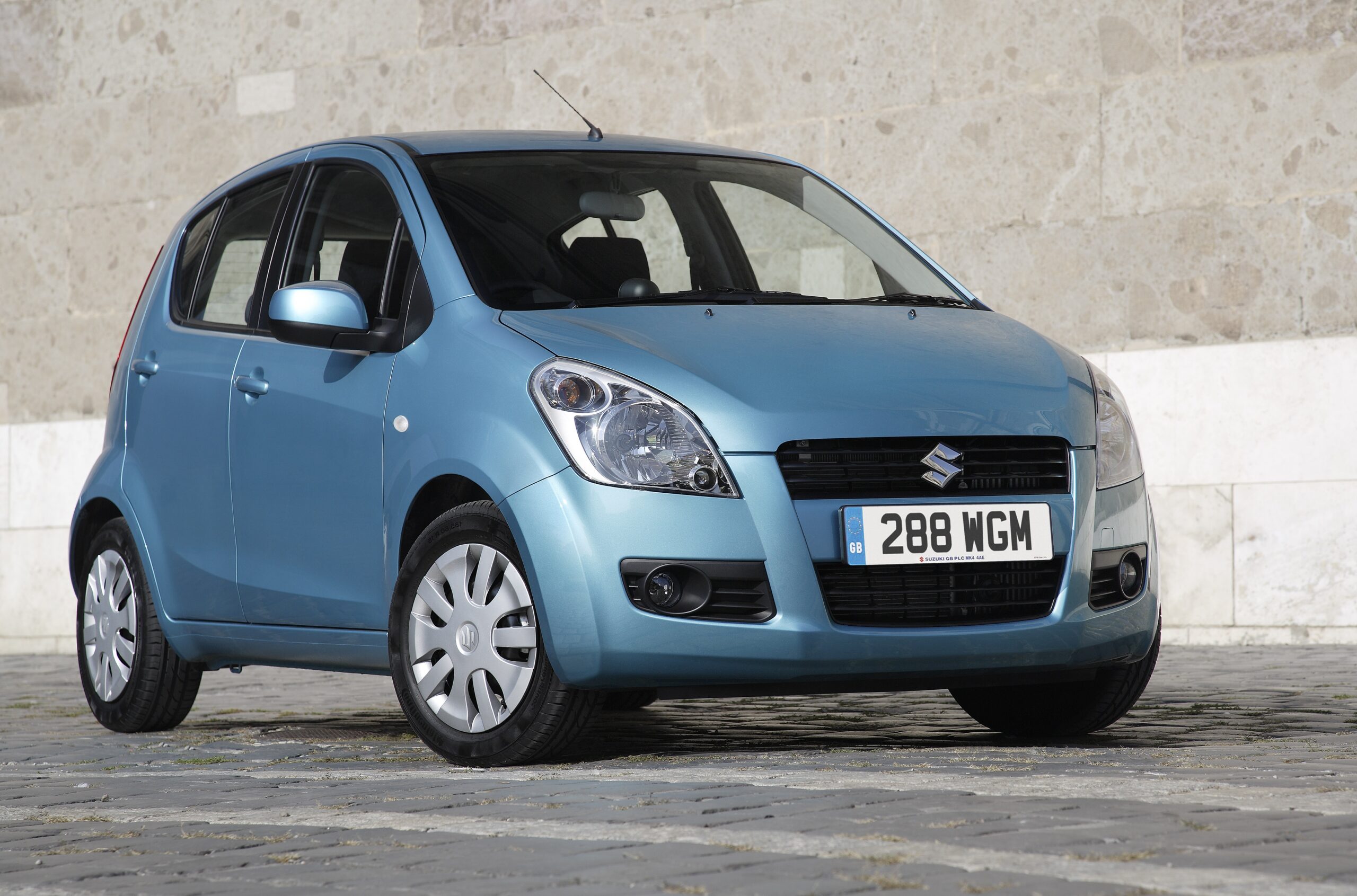
Suzuki Splash: what problems?
The Suzuki Splash is a practical city car. Overall, the car is reliable. Major failures are rare. Owners mainly report minor issues. Examples include engine faults, electrical problems and tyre issues. Regular servicing prevents many of these complaints. As a used car, the Splash offers good value for money. There are, however, some recognisable weak points. Are you planning to buy a used one? Do you want to know what to look out for as an owner?
Compact all-rounder for the city
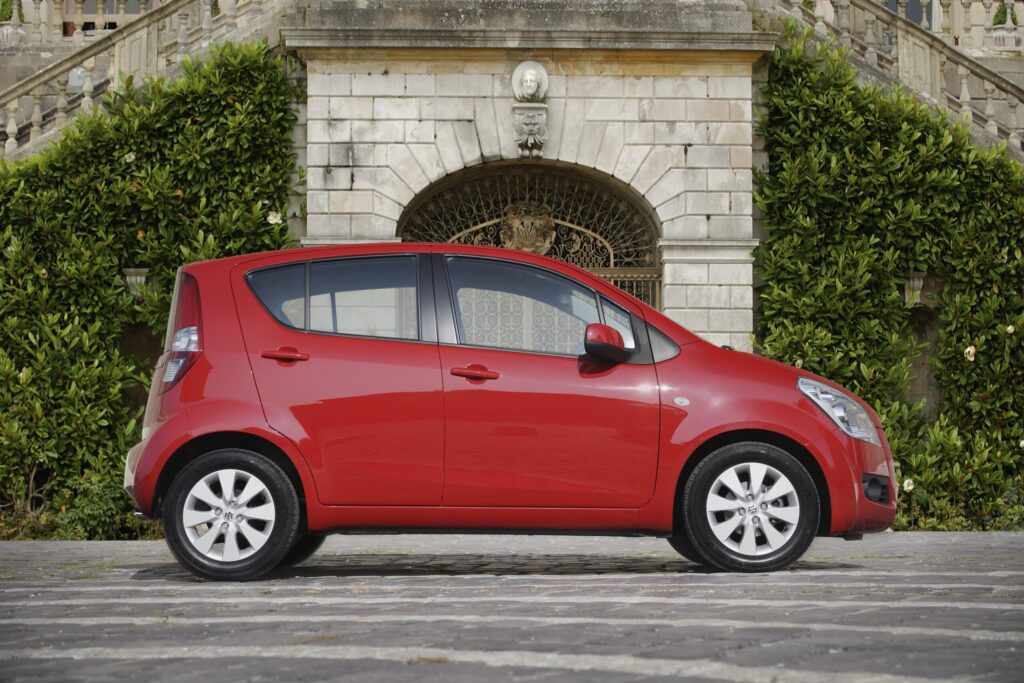
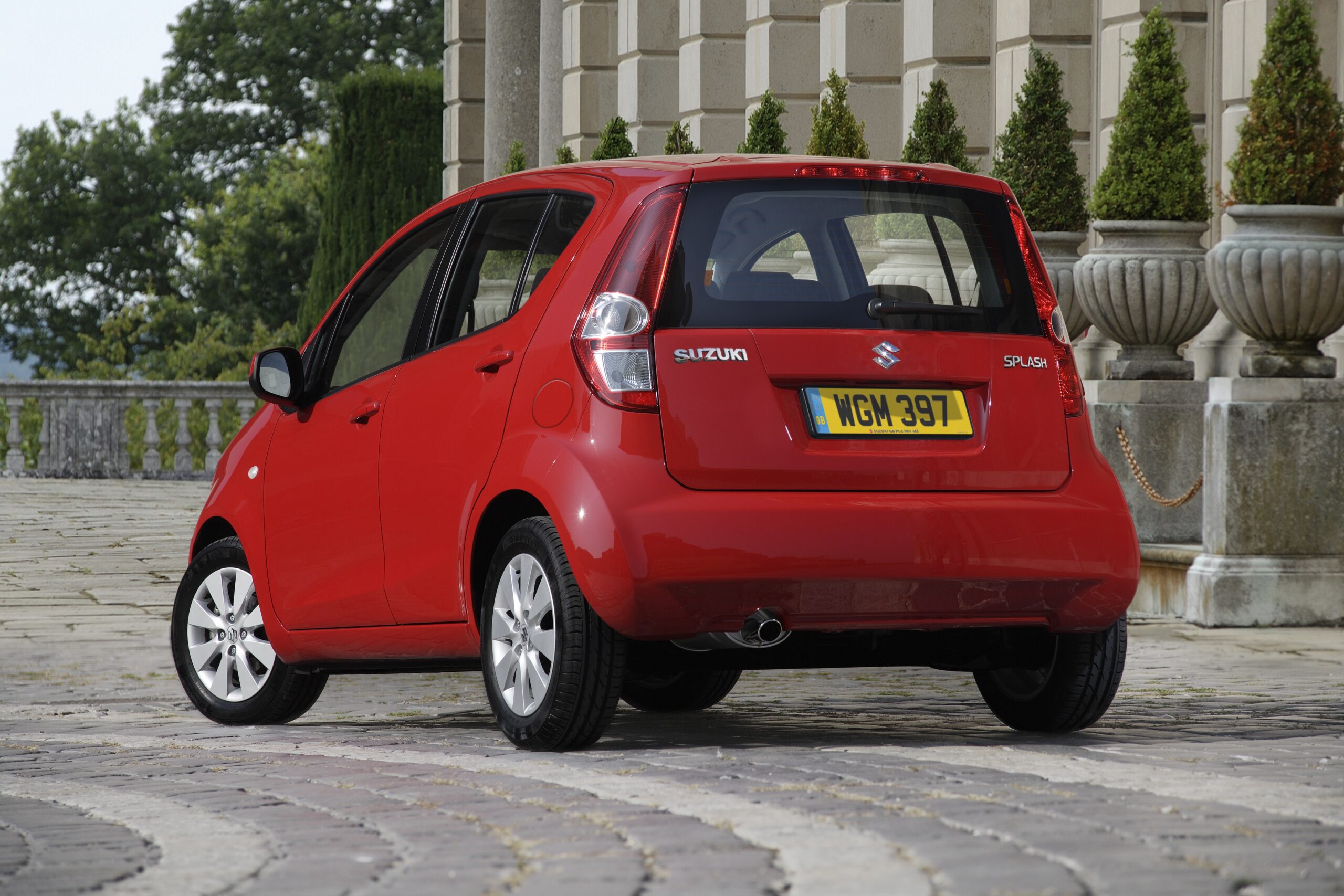
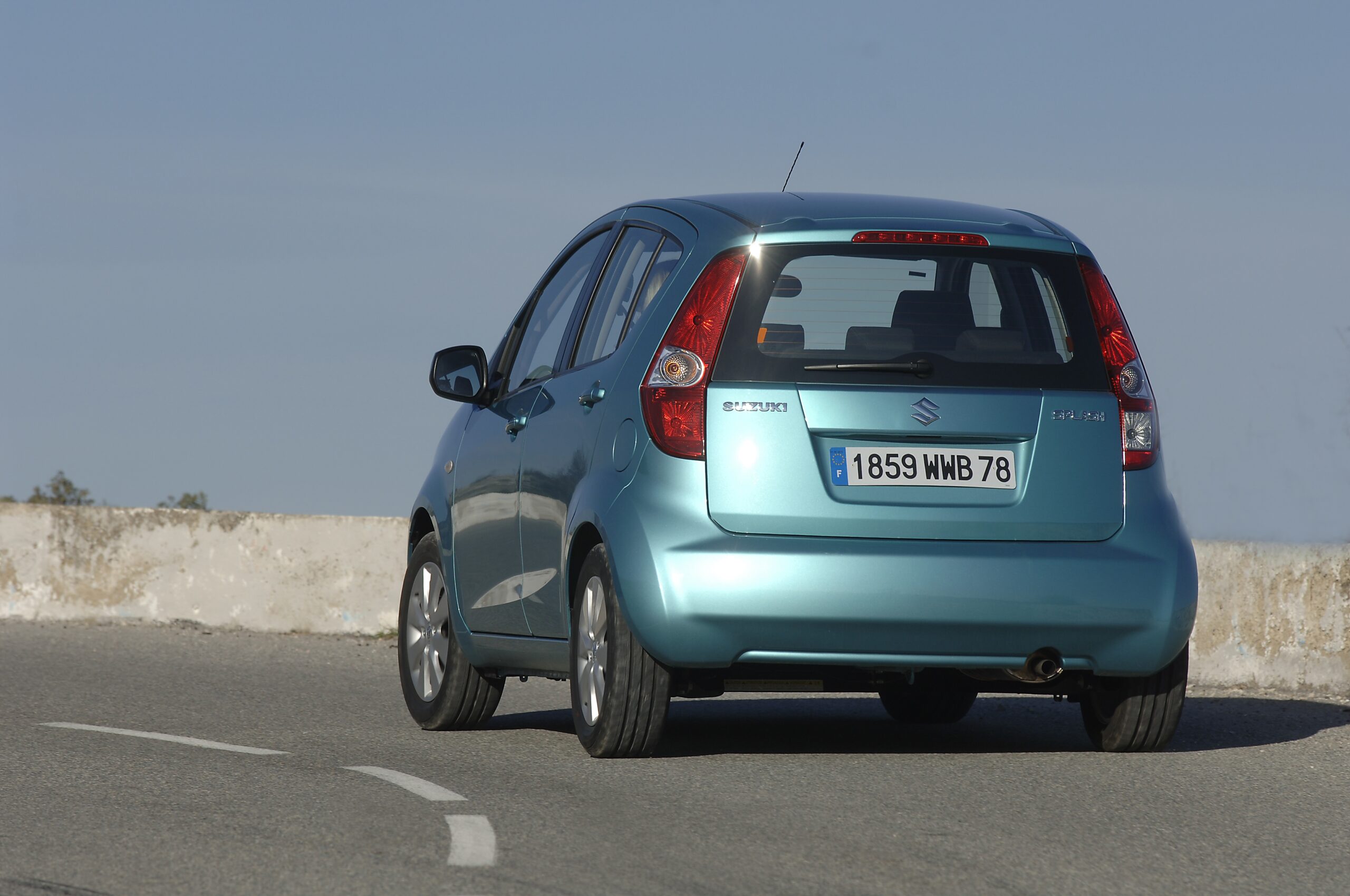
The Suzuki Splash was produced as a compact five-door hatchback. Production ran from 2008 to 2015. With its high seating position and spacious interior, Suzuki targeted city drivers. This group wanted a car that was easy to oversee and manoeuvrable. The Splash shared its platform with the Opel Agila. The car was available with a 1.0 petrol engine. A 1.2 petrol engine was also offered.
The car had a distinctive design. The layout was practical. The high seat provided good all-round visibility. The compact dimensions made parking easy. The Splash was well suited as a second car. It was also suitable for people who mainly drive in town. Pricing was sharp. Running costs were reasonable.
With used examples we regularly see specific problems returning. Owners and prospective buyers can keep a close eye on these. Some problems are typical of this model. Others are caused by normal wear and tear. It is useful if owners and buyers are familiar with these issues. On the Suzuki car problems page you will find an overview of common vulnerabilities within the brand.
‘ This is how you prevent expensive engine damage. ’
Engine problems that occur regularly
The Splash’s engines are considered reasonably reliable. Owners do, however, report specific complaints. Uneven idling is common. This often goes hand in hand with vibrations. Loss of power also occurs. The cause is usually fouled spark plugs. A dirty air intake system can also be to blame. Ignition faults can play a role as well.
Another complaint is a rattling noise from the engine bay. This may point to a problem with the timing chain. The fuel pump can also give trouble. A faulty timing chain leads to rough running. Fuel consumption will also increase. Have the timing chain or fuel pump checked during routine servicing.
Overheating can occur if the thermostat is faulty. A leaking radiator can also cause overheating. Too little coolant is another cause. Check the coolant level regularly. Inspect the cooling system for leaks. This is how you prevent expensive engine damage.
Replacing spark plugs costs around 100 euros. This solves many idling issues. Is the engine hesitating? Then have the air intake system cleaned as well. Check the coolant level regularly. Inspect the cooling system regularly for leaks. These steps keep the engine at the right temperature.
Difference between the 1.0 and 1.2 engines
The 1.0 three-cylinder is economical. The engine does, however, demand a lot from the driver. It only really performs above 4,000 rpm. In practice this means the following. You have to rev it high regularly. For gentle city driving this is fine. On the motorway the car feels underpowered.
The 1.2 four-cylinder delivers more torque at lower revs. This engine drives noticeably more briskly. Owners describe this engine as more reliable. They also find it more pleasant in everyday use. For a used buy, the 1.2 is the recommended choice. Do you regularly drive on rural roads or motorways? Then this engine is definitely advisable.
Both engines need timely servicing. Neglect leads to problems more quickly. This is even more true than with larger, more robustly built engines. Stick to the service intervals. The engine will then last for many years.
Gearbox and clutch need attention
The Splash’s manual gearbox is generally reliable. Owners sometimes report juddering when changing gear. Strange noises from the box are also mentioned. This often points to too little oil in the gearbox. Contaminated oil can also be the cause. Check the oil level. If in doubt, have it checked.
Notchy gearchanges mainly occur with the 1.0 engine. The engine revs high. The gearbox is compact. This combination takes some getting used to. With the 1.2 engine, gear changes are generally smoother. This engine revs less high than the 1.0.
The clutch wears at a normal rate in everyday use. Poorly maintained examples can develop problems early. During a test drive, pay attention to jerky pull-away. Also watch for clutch slip under acceleration. Replacement costs several hundred euros. The exact cost depends on the garage.
‘ This is not a major defect. ’
Electrical faults are usually minor
The Splash’s electronics do not suffer from major structural issues. Minor annoyances do occur. Failed sidelights score highly at MOT tests. Incorrectly adjusted dipped beam is also common. These problems are easy to fix. Have the lights checked and adjusted.
Windscreen wipers are also frequently mentioned. They do not provide sufficient visibility. Replace the blades in good time. Fill the washer reservoir with quality screenwash. This prevents problems in bad weather.
Starting problems occur. An unrecognised ignition key is also reported. This often points to a loose connector at the starter motor. The fuse box can also have a loose connector. This is not a major defect. It can, however, be annoying. Check the connections. Secure them properly. Often the problem is then solved.
Problems with electric windows occur. The dashboard can also play up. Central locking sometimes does not work properly. Usually these problems can be solved with contact spray on the connections. You do not need to go straight to the garage for this. First try cleaning the contacts yourself.
Smell of petrol in the cabin
Owners sometimes notice a smell of petrol in the car. The cause is often a porous hose from the crankcase ventilation. The crankcase ventilation is the venting of the engine crankcase. This small component can become porous over time. Petrol fumes can then enter the cabin.
You can temporarily tie off the hose. The smell will then stop. Have the hose replaced at the next major service. It is not an acute danger. It is, however, unpleasant. With prolonged exposure it is unhealthy.
Chassis and suspension: bouncy but functional
The Splash’s suspension feels relatively firm. This is especially noticeable over speed bumps. It also feels firm over potholes. Owners regularly report bouncy behaviour. This is normal for this model. Several owners confirm that it has been like this since new.
Shock absorbers can wear. Springs can also wear. Broken springs are found at MOT tests. Cracked springs are also detected. This occurs in around 4 percent of cases. With a used car, visually check the condition of the springs. Listen for creaking noises. Pay particular attention when driving over uneven surfaces.
Faulty power steering negatively affects manoeuvrability. Play in the ball joints has the same effect. This occurs in 2 to 3 percent of tests. These problems require professional repair. Are you unsure about the steering behaviour? Then have the power steering and ball joints checked.
Rust and suspension problems with older examples
Rust is reported in 16 to 33 percent of owner reviews. Suspension problems occur in a similar percentage. This mainly concerns cars from before 2012. These cars have not been properly maintained. Inspect the chassis thoroughly when buying a used Splash.
Pay particular attention to rust around the wheel arches. Also check under the door sills. Look at the mounting points of the suspension. Surface rust is less serious. Perforation rust requires expensive repairs. Are you in doubt? Then ask a specialist to inspect the chassis with you.
‘ Worn tread reduces safety. ’
Brakes and tyres: regular checks pay off
Reduced braking power does occur. The cause can be brake pads that have not been replaced in time. Brake fluid that is changed too late can also be the cause. Check the brake fluid annually. Replace brake pads in line with the manufacturer’s advice. This prevents dangerous situations. It also prevents high costs.
Tyre problems score strikingly high at MOT tests. Insufficient tread depth occurs in 7 to 9 percent of cases. Tyre damage is found in 3 to 6 percent. A tread depth between 1.6 and 2.5 millimetres is seen in 3 to 4 percent. Measure the tread depth monthly with a tread depth gauge.
Replace tyres in good time. Pay particular attention to this before winter. Worn tread reduces safety. It also leads to an MOT failure. Tyres are relatively cheap for this car. So do not postpone replacement.
Bodywork and interior age well
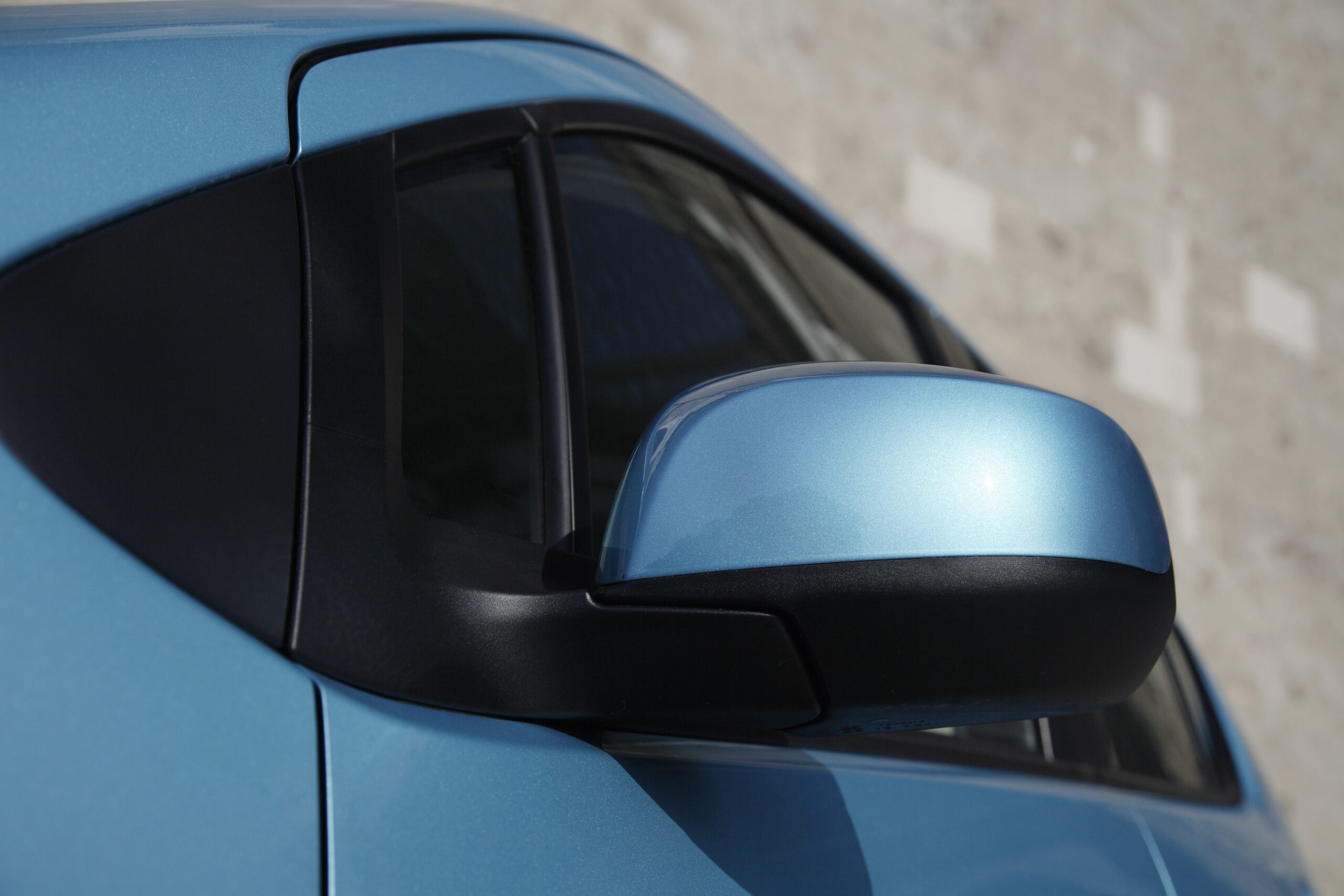
The Splash’s bodywork is reasonably resistant to ageing. The car does, however, need to be properly maintained. Paint problems are rare. Minor stone chips can cause rust. Scratches can also cause rust. This happens if they are not treated. Repair paint damage in good time.
The interior shows normal wear at higher mileages. Worn seat upholstery occurs. Loose trim is also seen. Scratches on the dashboard are common. This is no worse than with comparable models. In well-maintained cars the interior remains tidy.
Rubber seals around the doors can dry out after years. They can also start to leak. Treat them annually with a rubber care product. This keeps the seals supple. It also prevents leaks.
Age-related problems in older examples
With every car, problems arise over time. These issues are the result of normal wear and tear. Perished rubber bushes occur. Fluids age. Corrosion can appear on the exhaust system. The chassis can also corrode. The Splash is now at least nine years old. These problems are normal.
With a used car, check the condition of hoses. Also check belts. Look at the fluids. Ask for the service history. Check whether major services have been carried out. Cars with a carefully documented service history are a better choice. Examples without paperwork are less advisable.
‘ Preventive maintenance made the difference. ’
Servicing prevents most problems
Regular servicing considerably extends the Splash’s lifespan. Replace spark plugs annually. Also replace the air filter every year. This applies especially to the smaller engine. Check fluid levels yourself. Watch out for changes in driving behaviour.
Keep MOT reports. Fix reported issues straight away. Many owners report that their Splash ran for years without major problems. Preventive maintenance made the difference. A loose heat shield is not a major issue. Nor is a window switch that needs replacing.
Are you unsure about electrical problems? First check the fuses yourself. Also check the connectors. Many faults can be solved without a visit to the garage. Use contact spray for sticking switches. Also use it for poorly operating electric windows.
Tips from owners
Owners who have been driving a Splash for years share valuable experiences. Many Splash owners have never broken down. They only carried out routine servicing. Others point out the importance of choosing the 1.2 engine. Do you want more power? Then choose this engine.
Basic checks often help. Won’t the car start? Then check the connectors at the starter motor. Does the electrics cut out? Then inspect the fuse box. These checks save unnecessary trips to the garage.
Checklist for buying used
On a test drive, check whether the engine idles smoothly. Also check that there are no vibrations. Test all electrical functions. Check the windows. Test the lights. Check the central locking. Deliberately drive over speed bumps. Feel how the suspension responds.
See if you notice the smell of petrol in the cabin. Check the tyre tread depths. Look for rust on the chassis. Ask for MOT reports. Also ask for the service history. Cars that have been carefully maintained often remain reliable for years.
With the 1.0 engine, pay attention to power at higher speeds. Does the car feel too weak? Then consider the 1.2 version. Test the smoothness of the gearchange. Listen for unusual noises from the gearbox.
Check whether the power steering works properly. Also check for play in the steering. Test the brakes at different speeds. Watch for reduced braking power. A thorough inspection prevents disappointment after purchase.
Reliable budget choice with a few caveats
The Suzuki Splash offers good value for money as a used city car. Reliability is good. Do you look after the car properly? Then it will remain reliable. The known problems are usually minor. Preventive checks sort these issues out.
For city use the Splash performs well. The 1.2 engine is the better choice. It offers stronger performance. It is also more reliable. When buying, pay attention to the service history. Check the tyre tread. Inspect the condition of the chassis.
Owners who maintain their Splash properly experience few problems. The car starts reliably. It drives comfortably. It requires little maintenance. If you give servicing the attention it deserves, the Splash will remain a dependable companion for years.