
Suzuki Swift: what do you need to know about problems and reliability?
The Suzuki Swift is known as an affordable, agile city car with low maintenance costs and a solid reputation for reliability. Even so, every car model has its specific issues, and the Swift is no exception. From battery failures and hybrid system faults to rust-prone paint spots and clutch complaints: owners generally report positive experiences, but a few points deserve your attention before you buy or drive. In particular, models from the period 2017–2024 suffer from a number of recognisable issues that are quite easy to prevent or resolve. You can also find more information online about Suzuki car problems, but in this article we take a thorough look at the Swift.
Why is it useful to look into common defects? Simple: you avoid nasty surprises, save on repair costs and drive more safely. You will also know more precisely what to look out for if you are considering a used Swift. Below you can read everything about engine problems, transmission, electronics, rust and preventive maintenance.
Why the Suzuki Swift is so popular with car enthusiasts
The Suzuki Swift has proved itself for many years as a practical, fuel-efficient and affordable city car. The model combines a compact size with surprisingly generous interior space and agile driving characteristics. The Swift performs particularly well in busy urban environments: parking is easy, fuel consumption stays low and the purchase price is attractive. The different generations each have their own charm, from the squat early models to the more modern mild-hybrid versions – where an electric motor assists the combustion engine for better efficiency – with more high-tech features.
In addition, the Swift consistently scores highly in reliability surveys. Owners appreciate the sturdy bodywork, strong yet efficient engines and simple infotainment systems that suffer little from software bugs. Still, it remains a car with parts that wear out, sensors that can malfunction and paintwork that is vulnerable to environmental influences. That is exactly why it pays to be well prepared.
‘ Major breakdowns remain rare and most problems can be solved with relatively simple measures. ’
What do owners say about overall reliability?
User experiences paint an overwhelmingly positive picture. Major breakdowns remain rare and most problems can be solved with relatively simple measures. Think of a battery load test, replacing spark plugs or a software update at the dealer. The Swift performs solidly in daily use: the engine starts reliably, the transmission shifts smoothly and the chassis holds up well under normal wear.
However, owners do report a few recurring issues. Some models suffer from electronic gremlins that cannot be reproduced on demand, which means diagnosis requires patience. A few users also notice that the paint layer flakes off in certain places or that rust appears sooner than expected. Generally speaking, these are not problems that immediately threaten safety or functionality, but they do require timely action to prevent further damage.
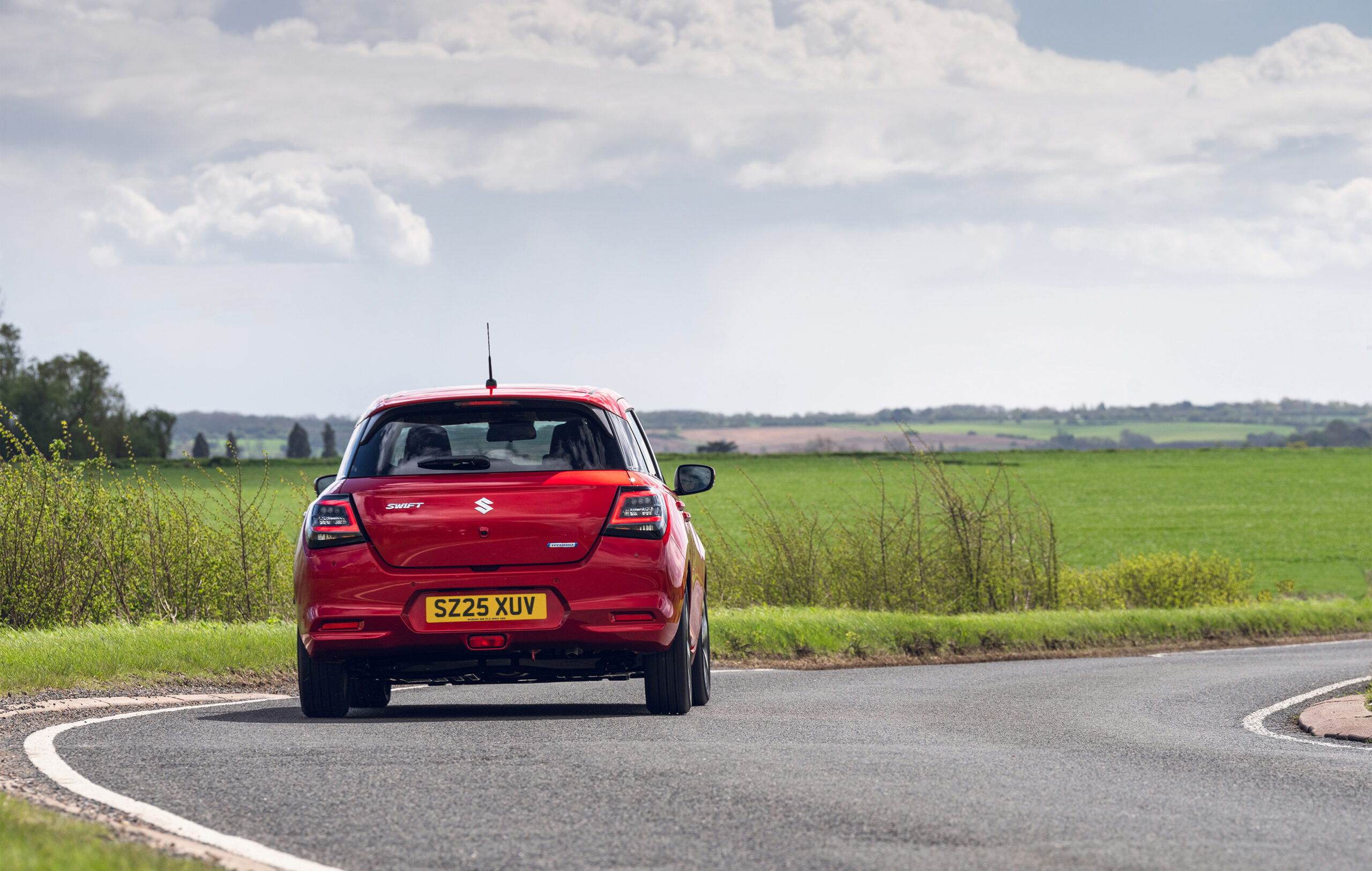
Battery problems and software faults
A known weak spot concerns the starter battery in Swifts built between 7 January and 1 November 2017. Due to a software error, the battery does not charge while driving, leaving you with a flat battery in the end. A Suzuki dealer can fix this problem with a software update. When buying or inspecting a car, always ask for the build date and whether the update has already been carried out.
Owners also report intermittent starting problems – complaints that are not constantly present, but occur irregularly. These problems point to dirty spark plugs, a blocked fuel filter or a poor earth connection. Old fuel or oil irreversibly foul spark plugs. Regularly check whether any oil or fuel deposits are visible. Also test the battery under load to see if it delivers sufficient voltage during starting. A poor earth connection – the electrical connection to the negative terminal or bodywork – leads to unpredictable behaviour of electrical components.
Problems with the integrated starter generator
Models with mild-hybrid technology use an integrated starter generator that is connected to the engine via a belt. In a small number of cars built in February and March 2017 this belt breaks prematurely. This leads to loss of the mild-hybrid function and affects the start assist and regenerative braking – the system in which braking energy is recovered by the electric motor and converted into electricity. Ask a dealer whether this recall has already been completed and whether the belt has been replaced or inspected.
The mild-hybrid technology itself is generally reliable. However, the system is relatively complex. As a result, faults occur that are difficult to diagnose without specialised equipment. If in doubt, always go to a Suzuki specialist rather than a general garage.
‘ This causes jerky starts, especially in cold weather or on first use after the car has been standing still. ’
Clutch and transmission: jerky starts and high biting point
Early Swifts from the period 2017–2023 sometimes have a clutch with a biting point that is too high. This causes jerky starts, especially in cold weather or on first use after the car has been standing still. Owners report that the clutch sometimes bites abruptly, which results in uncomfortable driving behaviour and extra wear.
This problem was often fixed under warranty by replacing the clutch kit. During a test drive, therefore, check how smoothly the clutch engages and whether you can feel any judder when pulling away. Have there been any complaints? Check whether they were resolved within the warranty period and ask for proof.
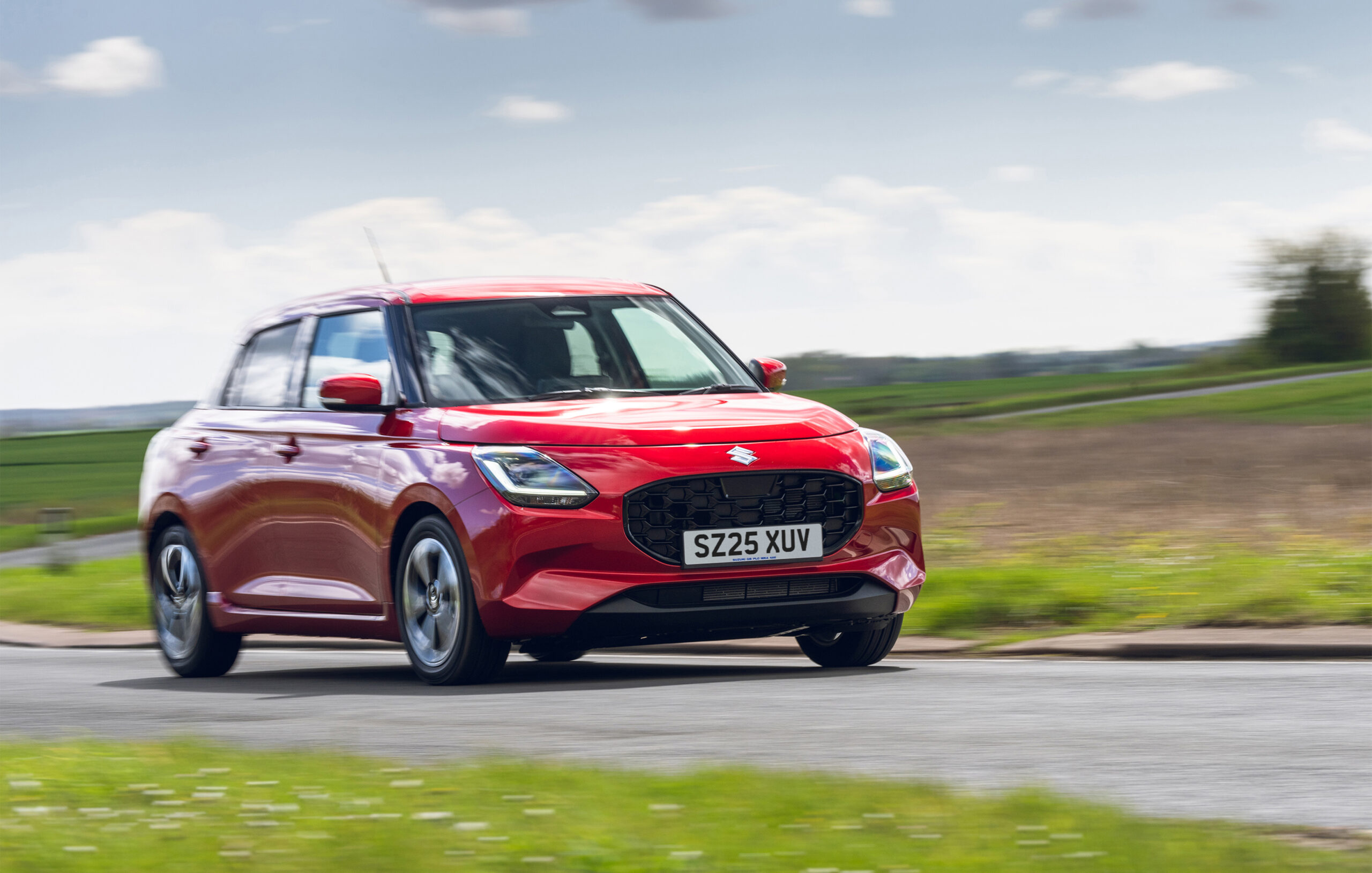
Engine complaints: from fuel filters to vacuum leaks
Besides battery and spark plug issues, other engine-related faults occur. A blocked fuel filter leads to starting problems. It also causes the engine to hesitate while driving. Replace the filter according to the maintenance schedule or earlier if you regularly fill up with old fuel.
Vacuum leaks – unwanted air leaks in the engine’s intake or vacuum circuit – near the throttle body also cause intermittent faults. The engine runs irregularly. The idle speed fluctuates. Sometimes the engine management warning light comes on. Check all vacuum hoses for cracks or loose connections.
Brakes: warped discs due to fitting errors
One striking issue concerns the brake discs. Owners report warped discs that cause vibrations during braking. The cause is often uneven nut torque when fitting the wheels, for example after changing tyres. Make sure the wheel nuts are tightened with a torque wrench and in the correct criss-cross pattern.
Regularly check the brake discs for grooves or discolouration. Also look for any distortion. Have them skimmed or replace them in good time if necessary. Brake pads wear within normal limits, but again keep an eye on the wear pattern: uneven wear indicates a sticking caliper or uneven pressure.
‘ Suzuki may offer 12-year warranty against perforating rust, but superficial rust is not always covered. ’
Rust and paint issues: vulnerable mirrors and sills
The paint layer on mirrors, sills and bumpers turns out to be vulnerable on some Swifts. Paint can flake off, especially in places where there is stone chipping or where galvanisation is weak. Suzuki may offer a 12-year warranty against perforating rust, but superficial rust is not always covered.
When buying, carefully inspect the underside of doors, sills, wheel arches and bumper mounts. Scratches or small dents often cause the onset of rust. Repair minor paint damage immediately to prevent further rusting and protect vulnerable areas with wax or protective film.

Electronic systems and sensors: hidden faults
Modern Swifts come with a range of sensors and electronic modules. Although the infotainment system remains relatively simple, faults still occur. Examples include an interior light that stays on, intermittent warning lights or sensor errors that cannot be reproduced straight away.
Such quirks are often solved with a full electrical reset: disconnect the battery for a few minutes and then reconnect it. Does the problem persist? Then have the fault codes read – using diagnostic equipment to read out the car’s electronic error messages – at a dealer or specialist workshop. Sometimes a software update helps to fix minor glitches.
Interior and cosmetic defects
The Swift’s interior is functional and clear, but the plastic scratches easily. When buying, check the dashboard, centre console and door panels for deep scratches or wear. Sticky rear door handles occurred on some models and were resolved through a recall. Ask about the status of this action if you are considering a car from that period.
Beyond that there are few complaints about seats, upholstery or finish. The Swift offers a no-nonsense interior that does its job well, but does not have a luxurious look. Take normal signs of use into account and check the condition of the upholstery and floor mats when buying a used example.
‘ Some recalls are safety-related and must be carried out immediately. ’
Recalls you should know about
Suzuki has carried out several official recalls for the Swift. Important examples include the software error affecting battery charging, the belt of the integrated starter generator and the sticky door handles. There have also been actions for the drive belt, fuel tank and the non-return valve of the 1.2 engine.
Always check whether recalls have already been carried out before you buy. Ask the seller for proof and contact a Suzuki dealer to verify the status using the chassis number. Some recalls are safety-related and must be carried out immediately.

Preventive maintenance: how to keep your Swift in top condition
Regular maintenance remains the best way to prevent problems. Follow the maintenance schedule recommended by Suzuki: replace oil and filters on time, check the auxiliary belt and replace coolant according to the instructions. Always use fresh fuel and avoid filling up at older stations that are rarely used.
Check the battery yourself under load and inspect the spark plugs for deposits. Keep an eye on the brake discs and wheel nuts and make sure a torque wrench is used when changing tyres. Regularly check the paintwork for stone chips and dents, and treat vulnerable areas with protective products. Only activate smartphone mirroring with the handbrake applied to prevent electrical faults.
What to do if something goes wrong: diagnosis and solution
Notice a fault? Start with a visual inspection and check simple causes such as a loose connector, dirty sensor or low fluid level. Intermittent problems are sometimes resolved with a battery reset. Does the fault persist or are warning lights on? Then have the fault codes read at a specialist workshop.
For repairs, preferably choose original Suzuki parts or quality equivalents. Avoid cheap alternatives that wear out faster or do not fit properly. Always have complex electronics and hybrid system issues handled by a Suzuki dealer, as they have the correct diagnostic equipment and expertise.
‘ A well-maintained Swift is a reliable choice for everyday use. ’
Buying tips for a used Suzuki Swift
Thinking about buying a used Swift? Then pay attention to the following points:
- Check the build date and ask whether software updates and recalls have been carried out.
- Test the battery under load and start the engine several times during the test drive.
- Thoroughly inspect mirrors, sills and bumpers for rust, scratches or dents.
- Test the clutch for jerky starts and ask about warranty repairs.
- Check the spark plugs for oil or fuel fouling and smell the exhaust for signs of oil burning.
- Inspect the interior for scratches, sticky handles and general wear.
- Ask for a full service history and verify whether the car has been maintained according to schedule.
A well-maintained Swift is a reliable choice for everyday use. With these checks you will know exactly where you stand and avoid unexpected costs after purchase.

Is the Suzuki Swift a smart choice?
The Suzuki Swift combines affordability, efficiency and agile handling with a strong reputation for reliability. Most problems are limited to specific build years or can be easily resolved with preventive maintenance and timely repairs. Battery failures, clutch complaints and susceptibility to rust demand attention, but major breakdowns remain rare.
For car enthusiasts looking for a practical, affordable city car with low maintenance costs and solid performance, the Swift remains an attractive option. Provided you inform yourself properly, inspect thoroughly and maintain the car consistently, this compact Japanese model will provide years of driving pleasure with minimal worries.