
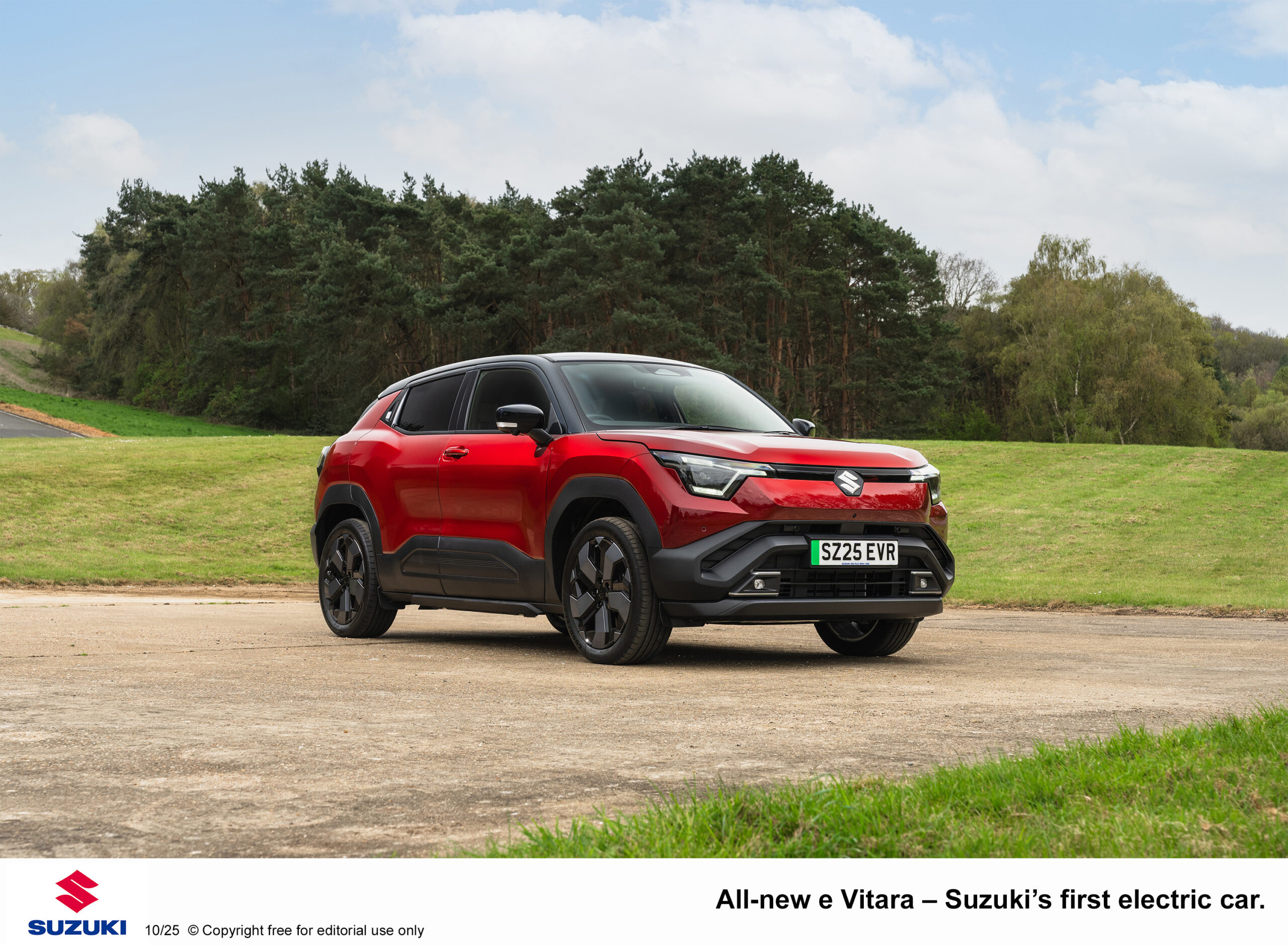
Suzuki Vitara: common problems and what you need to know about them
The Suzuki Vitara has proven itself as an affordable and practical SUV with a good reputation, but like every model this car also has its weak spots. From oil leaks on older Grand Vitara generations to electronic faults on newer hybrid versions: the Vitara has specific points of attention that you, as an owner or potential buyer, need to be aware of. With the right knowledge and preventive maintenance, you can avoid costly repairs, breakdowns and problems with the MOT inspection.
Overall, the Suzuki Vitara scores well on reliability, especially the older Grand Vitara models from the period 1999-2013. Petrol versions can easily reach 200,000 kilometres with proper maintenance. Nevertheless, there are typical complaints that crop up regularly, depending on the model year and engine variant. Anyone who knows in advance where the vulnerable points are can carry out targeted checks and maintenance. In this article you will read which problems occur most often and how to deal with them in the best way.
Owners of a Suzuki Vitara regularly encounter the same issues, ranging from mechanical complaints to minor electronic glitches. When buying a used car, it is therefore sensible to be familiar with the Suzuki car problems, so that you can carry out targeted checks during a test drive. That way you avoid buying a car with a known defect that turns out to be expensive.
Engine and oil problems with the Vitara
Oil leaks are among the most commonly reported complaints on the Grand Vitara generation from 1999 to 2011. This often concerns leakage around the timing chain cover gasket, which goes hand in hand with a loud ticking noise from the engine bay. Repair is labour-intensive because the engine has to come out, which drives up the costs. Preventive replacement of the gasket at around 100,000 to 150,000 kilometres can be a sensible move.
The timing chain is prone to wear if the oil is not changed regularly or is of poor quality. Dirty oil accelerates wear, which can lead to damage to valves and crankshaft. In the event of overheating, the cylinder head can warp. Always use quality oil and change it every 10,000 to 15,000 kilometres. Closely monitor the oil level and replace spark plugs every 25,000 to 30,000 kilometres to prevent spark plug fouling.
The 1.4 BoosterJet engine, found in newer models, suffers from rapid wear of piston rings and can consume a lot of oil, especially after the first 100,000 kilometres. Never use petrol with an octane rating lower than 95 RON and have the rings replaced in good time if oil consumption is high. Regular oil changes remain the best insurance against engine problems.
‘ This is a small but important point that you should not ignore. ’
Transmission and drivetrain: points of attention
The 6-speed automatic gearbox (type TF73SC) has a tendency to overheat. This is due to inefficient cooling and sensitivity to dirty transmission oil. With careful use, the automatic can last up to 250,000 to 300,000 kilometres, but aggressive driving and poor maintenance accelerate wear significantly. Avoid hard acceleration and change the transmission oil more frequently than recommended. Regularly check the heat exchanger for contamination.
On models built between October and December 2015, the rear axle bolts can work loose. This is because no anti-friction coating was applied during production. Have a dealer check whether the bolts are properly tightened and have them secured if necessary. This is a small but important point that you should not ignore.
Another issue that comes up more often: pulsing of the brake pedal and a grinding noise when reversing. This often occurs on new cars and can usually be resolved with a pre-delivery inspection. Report this to the dealer immediately if you notice it after purchase.
Electronics and safety systems
On certain model years, headlamps fail noticeably quickly. This is mainly an issue on Grand Vitara models from 2000-2002 and 2006-2013. Owners replace the dipped-beam bulbs several times a year. An upgrade to LED bulbs solves the problem and provides a longer service life. Avoid using the main beam as a temporary solution, as this increases the chance of those bulbs failing too.
A number of Vitaras from early 2015 suffer from a software fault in the emergency braking system. As a result, the car sometimes brakes unintentionally, which can be dangerous in traffic. If you have a model from this period, have the software updated by a dealer. This is usually free under warranty or as part of a recall.
Airbag sensors can throw up fault messages due to shrinking leather seat upholstery, especially on models from 2006-2013. These issues were covered by a recall. When buying used, always ask whether this recall work has been carried out. Warning lights on the dashboard can point to sensor faults or hybrid battery problems, which sometimes occur after as little as 30,000 kilometres. Most Suzuki dealers resolve this quickly and at reasonable cost.
Hybrid versions and diesel engines
Hybrid versions of the Vitara can show battery check faults from around 30,000 kilometres. These warnings appear now and then and sometimes disappear again temporarily. Regular software updates at the dealer and periodic battery checks often keep the worst problems under control. Ideally, claim warranty if the issue occurs within the warranty period.
The 1.9 DDiS diesel engine occasionally suffers from general electronic faults in the on-board computer and infotainment system. This manifests itself in illogical messages on the display, such as fault codes that do not match the vehicle’s actual status, and functions dropping out. A reset or software update is often enough to resolve the complaint.
‘ With the Vitara, older models deserve extra attention. ’
Suspension and running gear
Shock absorbers, springs and rubber bushes wear out as they do on any SUV. With the Vitara, older models deserve extra attention. On Vitaras that have covered more than 150,000 kilometres, valve stem seals and piston rings are often due for replacement. This is normal wear, but if you hear creaking or knocking noises from the suspension or notice that the car feels bouncy, have the suspension checked.
Rust can occur on older Grand Vitaras, especially around wheel arches, sills and the chassis. When buying a second-hand model, a thorough inspection of the chassis is recommended. Small rust spots can still be treated, but areas that have rusted through require expensive repairs or will cause the car to fail its inspection.
Bodywork and interior
In addition to rust, leaks are a known problem on older Vitara generations. Check the rubber seals around doors and windows, especially after a car wash or heavy rain. Water in the footwells points to poor sealing. Replace damaged rubber seals in good time to prevent moisture ingress and potential mould.
Wear to interior parts such as door handles, grab handles and seat upholstery is normal on older examples. Windows and locks can become stiff due to dirt or lack of lubrication. Clean the guide rails regularly and lubricate the mechanisms with silicone spray.
Brakes and steering
Brake wear on the Vitara is not unusual, but keep an eye on the brake callipers. These can seize due to dirt or rust, especially if the car stands still a lot or mainly does short journeys. Check the brake discs and pads annually and replace them at the first signs of uneven wear.
Play in the steering can arise from worn bushes or problems with the power steering. If you notice that the steering no longer feels precise or makes noise when turning, have the steering column and track rod ends checked. Acting in good time prevents more serious damage and dangerous situations.
‘ When buying, always ask for the service history and check whether oil changes have been carried out consistently. ’
Generation-specific problems
Grand Vitara models from 1999-2013 score highly on reliability, but show typical oil leaks and timing chain sensitivity. The petrol versions from this period can easily run well beyond 200,000 kilometres with proper maintenance. When buying, always ask for the service history and check whether oil changes have been carried out consistently.
Vitaras from 2015 onwards have different points of attention: electronic faults, headlamp problems and, for hybrid versions, battery issues. Models from the early production period (January-May 2015) may still have the software fault in the emergency braking system. Check whether the relevant recall work has been carried out.
Preventive maintenance pays off
Most problems with the Suzuki Vitara can be prevented with consistent maintenance. Change the engine oil every 10,000 to 15,000 kilometres, always use quality oil and keep a close eye on the level. Change the transmission oil more frequently than recommended, especially on automatics. Check the coolant and prevent overheating by keeping the cooling system clean.
Replace spark plugs every 25,000 to 30,000 kilometres to prevent fouling and ignition problems. Regularly inspect rubber parts, seals and the chassis for rust or leaks. Treat small rust spots immediately and protect exposed metal with a coating. Have recalls and software updates carried out by the dealer as soon as they become available.
First aid for faults
If a warning light on the dashboard comes on, first check the oil level and coolant level. A low oil level is easy to resolve by topping up, but if the oil disappears quickly you may have a leak. Look for oil spots under the car and have the problem resolved quickly by a garage.
If you hear strange engine noises such as ticking or rattling: switch the engine off and do not restart it until you know the cause. This may indicate timing chain damage or valve clearance problems, which will get much worse if you continue driving. Have the car towed to a garage instead of driving on.
If the car vibrates under braking or there is play in the steering, drive carefully to the nearest garage. These are symptoms that can worsen quickly. Also check that all lights are working and replace failed bulbs immediately, because visibility is a key safety factor in traffic.
‘ A well-maintained Vitara often has a fully stamped service book with visits to a Suzuki dealer or approved garage. ’
Buying used: what should you look out for?
Start with a thorough check of the service history. Have oil changes been carried out on time? Have the timing chain, spark plugs or piston rings been replaced? A well-maintained Vitara often has a fully stamped service book with visits to a Suzuki dealer or approved garage.
During the test drive, check whether the engine starts smoothly and whether there are any strange noises from the engine bay. Look for oil leaks under the car and check the oil level. Inspect the chassis for rust and look at the wheel arches and sills for signs of rust-through. Test all electronic functions: lights, windows, infotainment and warning systems.
Ask whether recalls have been carried out, such as the rear axle bolt action and the emergency braking software update. Check whether the headlamps have been replaced recently and whether LED bulbs have been fitted. For hybrid models: ask about any battery faults and whether these were resolved under warranty. If in doubt, have an independent MOT-style inspection carried out.
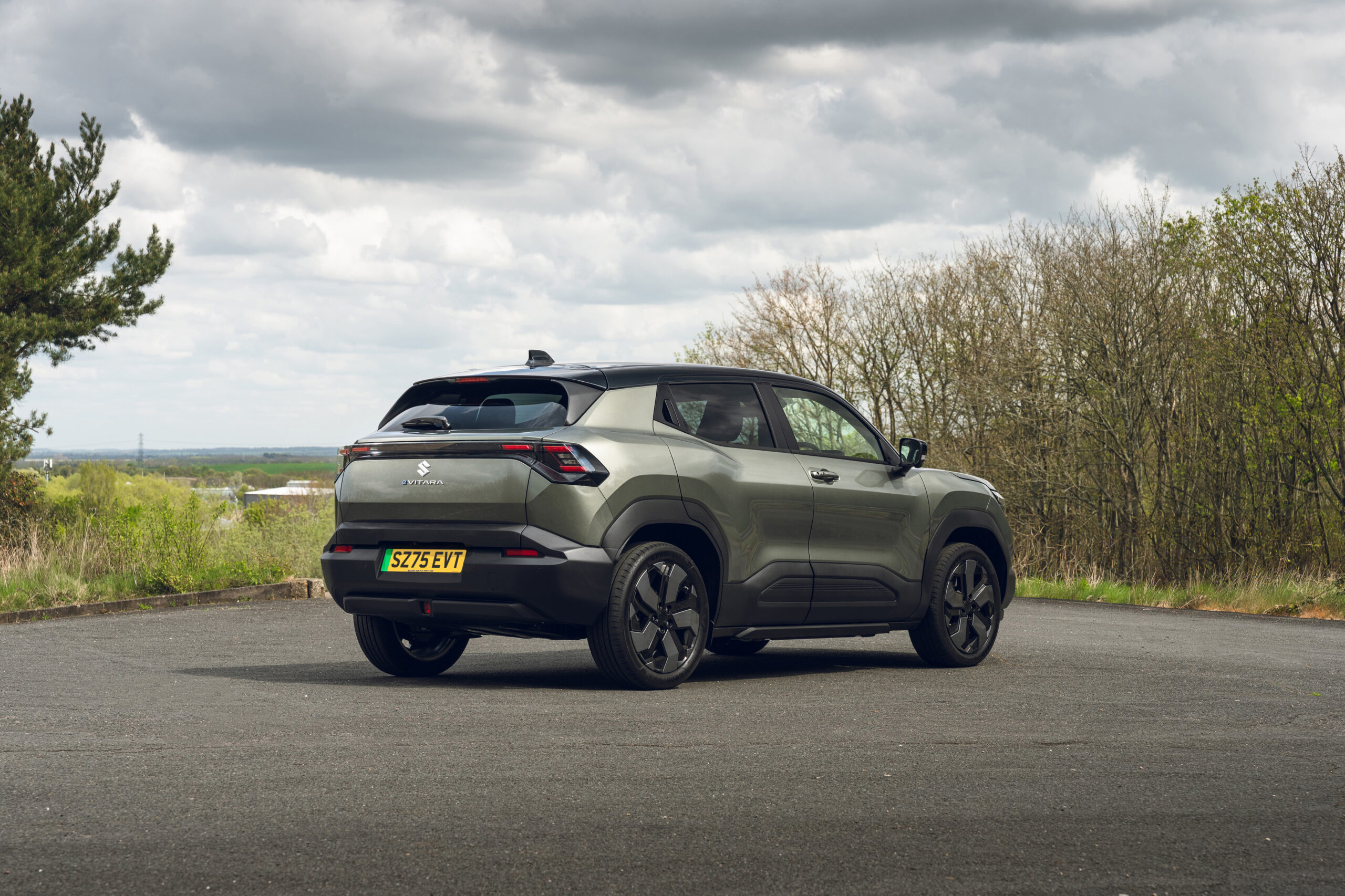
The Vitara – buying and owning with confidence
The Suzuki Vitara deserves its reputation as a reliable and affordable SUV, provided you pay the right attention to maintenance and known weak spots. Petrol versions, especially the older Grand Vitaras, perform excellently with consistent servicing. Newer models with hybrid technology or the BoosterJet engine require more attention to electronics and oil consumption, but remain perfectly manageable with regular checks.
If you know the vulnerable points in advance and maintain the car with them in mind, the Vitara will cover 200,000 kilometres without problems. Acting preventively avoids most faults. Suzuki dealers are known for their quick service and reasonable prices, which further improves the ownership experience. With this knowledge in hand, you can confidently buy a Vitara or continue driving your current model for many more trouble-free years.