Car problems Toyota: most common issues per model and smart solutions
Toyota is known worldwide as a reliable car brand, but even this Japanese manufacturer has specific weak spots. Newer models with turbo engines and advanced electronics in particular regularly cause complaints, from failing displays to defective drivetrains. Hybrid versions, however, continue to perform above average. Do you want to know which problems occur most frequently and how to tackle them?
Toyota and reliability: how big is the problem really?
With a reliability score of 66 points, Toyota ranks at the top in large-scale surveys among car owners. The brand excels thanks to standardised hybrid drivetrains – a combination of combustion engine and electric motor – and strict quality controls. The 2.5-litre hybrid engine is used in several models, keeping the failure rate low.
Even so, real-world experiences and reports from owners put the image of absolute infallibility into perspective. Owners of newer models report specific failures, especially with turbo engines and electronics. The twin-turbo 3.4-litre V6 engine (an engine with two turbochargers for extra power) in the Tundra, for example, fails catastrophically due to metal particles in the oil, which led to recalls for 127,000 units. Hybrid models such as the Corolla Cross and Crown, on the other hand, consistently outperform competing drivetrains.
Toyota's success stems from conservative innovation. The brand opts for refined techniques and proven platforms rather than risky new technologies. For car enthusiasts this means: reliability remains strong, but model-specific checks are essential.
Common Toyota car problems: what occurs most often?
Various Toyota models struggle with recurring issues that put the brand's overall reliability reputation into perspective. These problems occur mainly in newer generations with more advanced systems.
Electronics problems
Reversing cameras, displays and rear lights fail in almost 600,000 vehicles. Digital instrument clusters can fail at start-up, meaning speed and warnings are not visible. This safety risk is resolved via software updates at dealers. The lack of over-the-air updates forces owners to visit the dealer for fixes that other brands carry out remotely.
Software faults
Toyota does not offer wireless updates, which leads to delays in fixing bugs. Owners have to go to the dealer for every software problem. This applies, among other things, to navigation, smartphone connectivity and driver assistance systems that function unreliably.
Engine and drivetrain problems
Newer turbo engines and V6 drivetrains show structural defects. The twin-turbo 3.4-litre V6 engine fails due to metal particles that damage bearings, resulting in complete engine replacement. This problem mainly affects the 2022–2026 Tundra and Tacoma.
Symptoms to watch out for:
- Metal particles in the oil when checked
- Unusual engine noises or vibrations
- Sudden loss of power or boost pressure
- Warning lights relating to engine management
Preventive maintenance helps only to a limited extent with structural design flaws, but more frequent oil changes can delay damage.
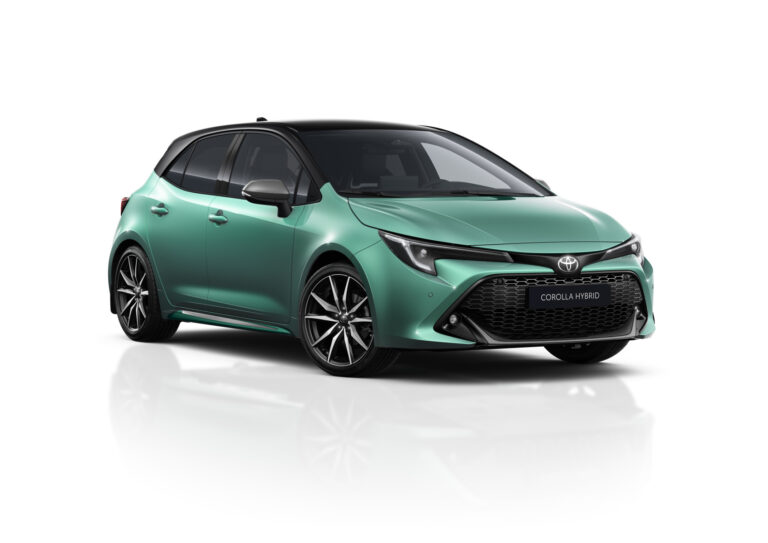
Toyota Corolla: typical problems and key points
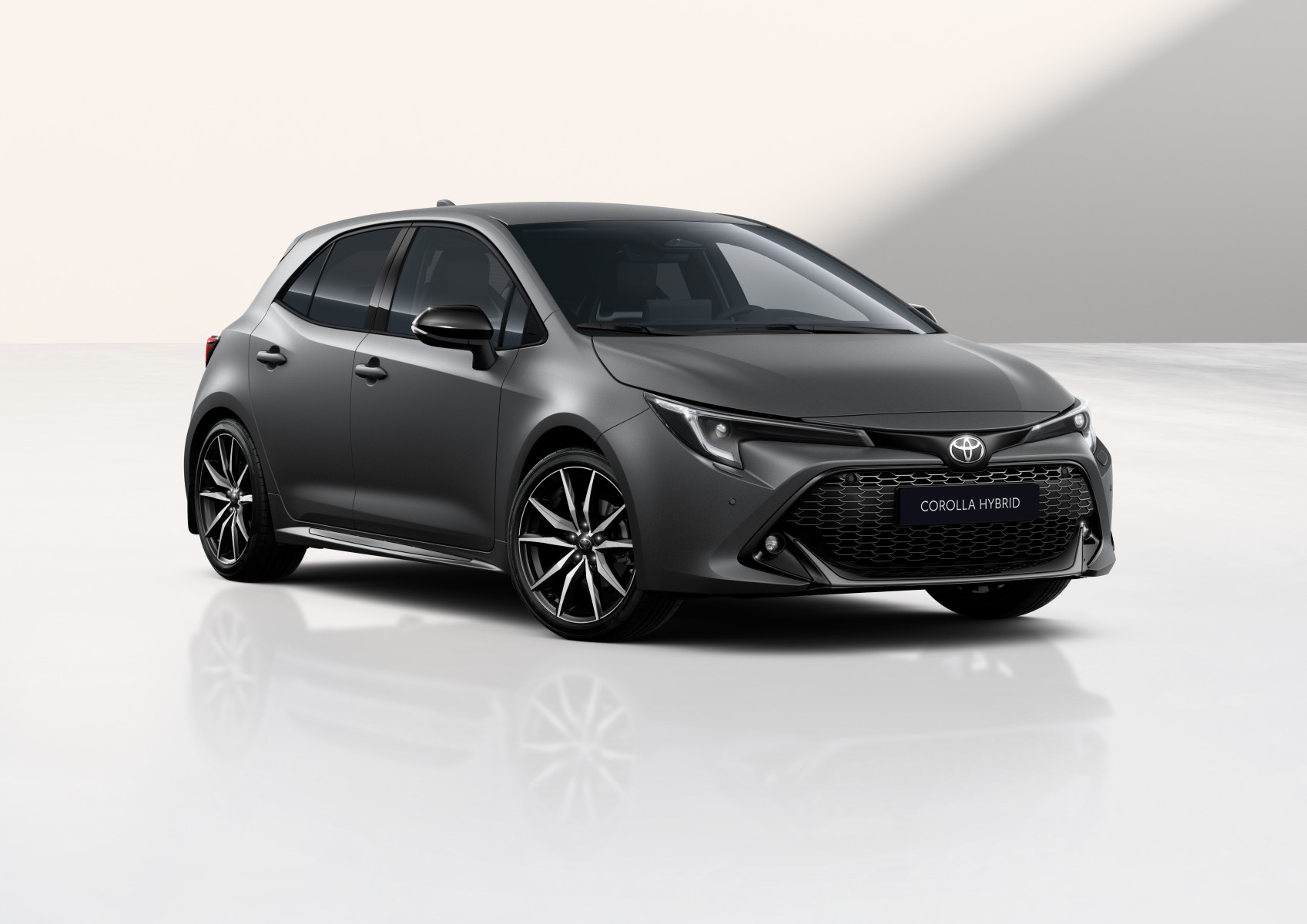
The Corolla is regarded as one of Toyota's most reliable models, especially in hybrid form. Even so, there are specific things to watch out for in different generations and variants.
Electronics and multimedia
Infotainment systems in models from 2019 onwards show start-up issues and slow-responding screens. The reversing camera may fail or show a delayed image. Software updates at dealers usually solve these problems, but do require a visit.
Wear at high mileages
Suspension and brakes require attention from 100,000 kilometres. Shock absorbers and bushes wear faster under intensive use on poor roads. Brake discs and pads on non-hybrid versions show normal wear, while hybrid versions have less brake wear thanks to regenerative braking.
Why hybrid Corollas are more reliable
Hybrid versions use the proven 2.5-litre drivetrain that is fitted in several Toyota models. This combination of petrol engine and electric motor is known for very few failures. The regenerative braking system significantly reduces brake wear. Owners report fewer problems compared with pure petrol versions.
Buying and maintenance tips for the Corolla:
- Choose hybrid versions for maximum reliability
- Thoroughly check the infotainment system during the test drive
- Ask about software updates carried out and recalls
- Inspect suspension and brakes carefully from 80,000 kilometres
Read more: Toyota Corolla
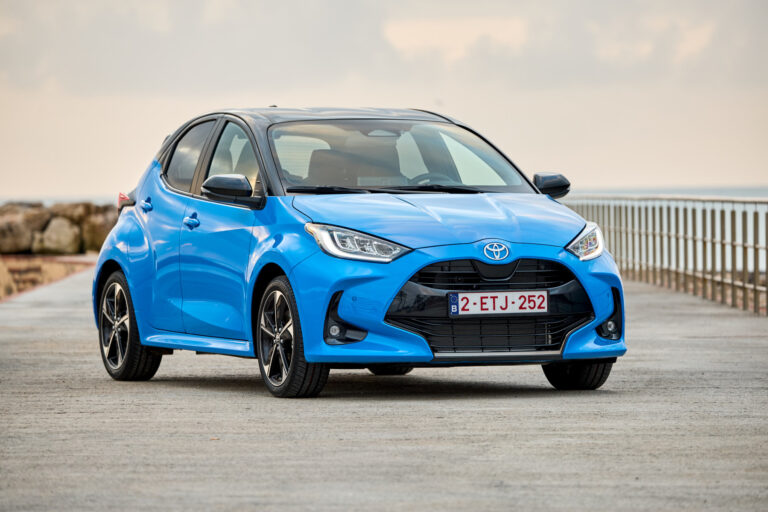
Toyota Yaris: city car with teething troubles?
The compact Yaris is popular as a city car but has specific problems linked to intensive use in urban environments.
Clutch and gearbox
In non-hybrid versions with a manual gearbox there is increased clutch wear due to frequent stop-start traffic. The clutch may start to slip early or make noises. This problem shows up especially in Yaris models that are used intensively in town with lots of starting and stopping.
Electronics issues
Sensors and warning lights show faults that do not always point to real problems. Tyre pressure sensors and automatic lights in particular give false alarms. These minor electronics issues are annoying but rarely lead to safety risks.
Difference between petrol and hybrid
Hybrid Yaris models clearly score better on reliability. The automatic transmission and the absence of a conventional clutch eliminate the main weak spot of petrol versions. The electric motor assists during acceleration, reducing engine load.
During the test drive and diagnosis, pay attention to:
- Clutch behaviour in petrol versions, test in stop-start situations
- Check all sensors and warning lights for false alarms
- Ask for the maintenance history, especially clutch replacements
- Test multimedia and air conditioning system thoroughly
Read more: Toyota Yaris
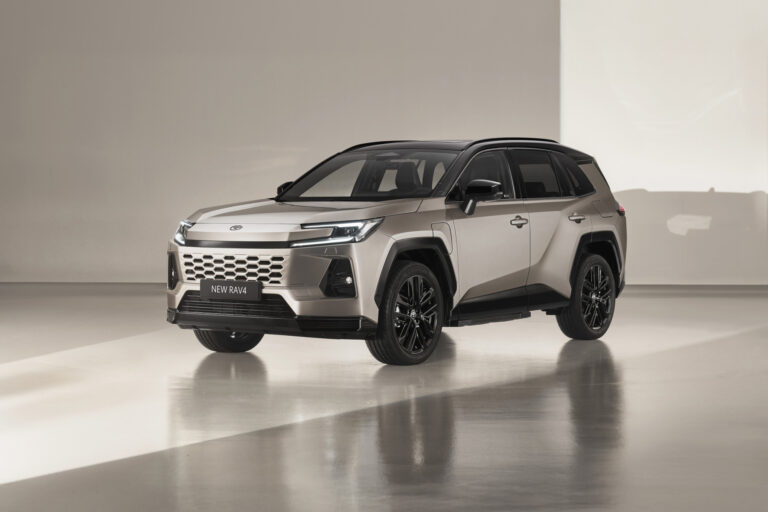
Toyota RAV4: SUV problems and AWD-specific issues
As a popular SUV, the RAV4 combines robustness with practical space. However, the four-wheel drive system and larger dimensions come with specific points of attention.
Four-wheel drive
AWD systems (All-Wheel Drive, four-wheel drive) in the RAV4 can develop problems with the coupling between front and rear axles. Bearings and clutches wear under intensive off-road use or neglected maintenance. Unusual noises in corners or under acceleration point to AWD problems. Regular maintenance of differentials and gearbox oil significantly extends service life.
Wind noise and bodywork
At speeds above 100 kilometres per hour, owners report wind noise around doors and mirrors. Rubber seals age and lose their sealing effect. This problem increases with the age of the vehicle. Replacing door and window rubbers reduces noise nuisance.
Hybrid RAV4 specifically
Hybrid versions rarely suffer from drivetrain problems, but the high-voltage battery and inverter require attention. Battery cooling must function optimally to ensure a long service life. Regular checks of the cooling system and battery status during services are important. This prevents premature degradation. Most hybrid RAV4s reach high mileages without issues.
Advice for RAV4 drivers:
- Have the AWD system checked annually, even if you mainly drive in 2WD
- Replace seals if wind noise increases or there is moisture in the interior
- Check the hybrid battery cooling system during routine maintenance
- Schedule longer service appointments for AWD fluid checks
Read more: Toyota RAV4
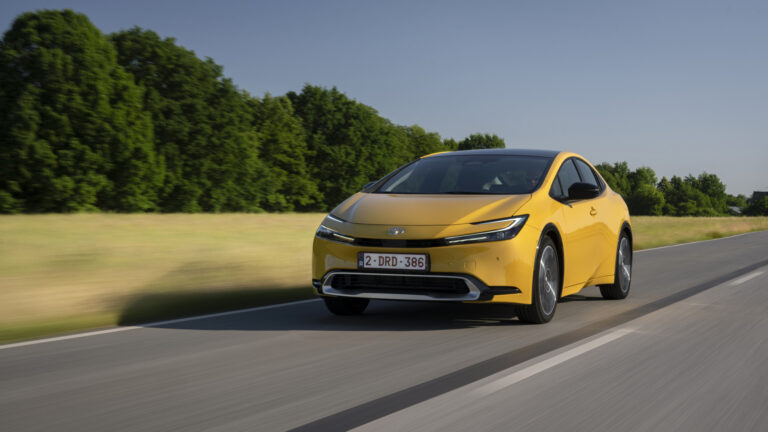
Toyota Prius: hybrid pioneer and its weak spots
As an icon of hybrid technology, the Prius has proven to be reliable. Even so, this model also has specific points of attention that mainly arise at higher ages and mileages.
High-voltage battery
The service life of the hybrid battery is on average between 150,000 and 250,000 kilometres. This depends heavily on your driving style and the climate in which you drive. Symptoms of wear are reduced electric range, the petrol engine starting more frequently and increased fuel consumption. Full replacement costs between 1,500 and 3,000 euros, depending on the generation and type of battery.
Individual cells can fail without requiring full battery replacement. Specialist companies offer cell replacement at lower cost. This extends service life and is more environmentally friendly than complete replacement.
Inverter and electronics
The inverter in hybrid cars converts direct current from the battery into alternating current. This allows the electric motor to drive the car. Failures manifest as sudden cut-outs, fault codes on the dashboard or limp mode. Repair or replacement of the inverter is expensive but less common than battery problems.
Braking system and regenerative braking
The regenerative braking system combines electric and mechanical braking. Some owners experience an unnatural brake feel, especially at low speeds. The switch between regenerative and mechanical braking can sometimes feel abrupt. This is not a defect but inherent to the system. Mechanical brake components actually wear more slowly due to reduced use.
Tips for long battery and hybrid life:
- Avoid leaving the car parked for long periods in extreme temperatures
- Use the full battery capacity regularly by alternating city and motorway journeys
- Have the battery status read annually during servicing
- Replace coolant according to schedule, as this affects battery temperature
Read more: Toyota Prius
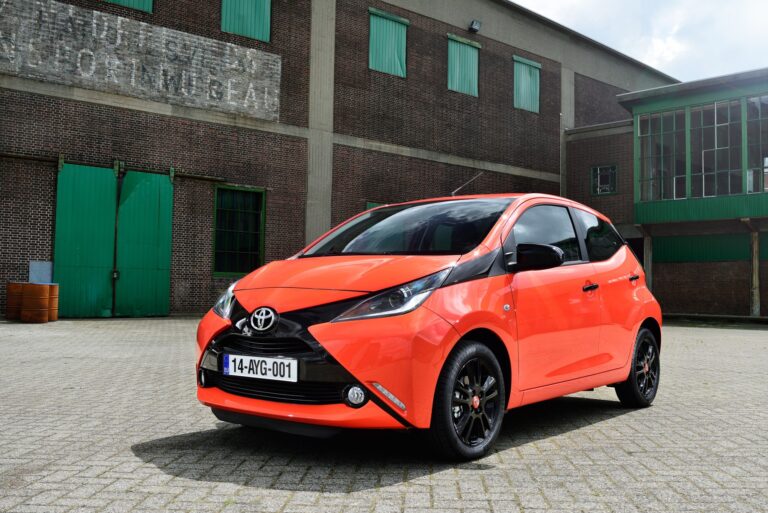
Toyota Aygo: compact problems in the city
The Aygo was developed as an affordable entry-level Toyota for urban use. The compact dimensions and simple construction come with specific points of attention.
Noises from interior and suspension
The short wheelbase and firm suspension cause increased noise transmission over speed bumps and potholes. Inside, plastic panels and covers rattle. These are not structural problems but they do affect the feeling of comfort. Self-adhesive felt or rubber on contact points dampens interior noises.
Leaks and seals
Door and tailgate seals age faster due to frequent city parking cycles. Moisture enters via worn seals. Condensation on windows and damp floor mats indicate leaks. Timely replacement of seals prevents more extensive moisture damage.
Engine problems on short trips
The small petrol engine suffers from many short trips where the engine does not reach operating temperature. Condensation collects in the oil and exhaust system. This accelerates corrosion and shortens engine life. A longer drive once a week helps to prevent condensation build-up.
Practical Aygo maintenance tips:
- Check seals every six months for cracks or discolouration
- Plan regular longer drives to bring the engine up to temperature
- Treat interior plastics with silicone spray to prevent rattles
- Inspect floor mats and trim edges for signs of moisture
Read more: Toyota Aygo
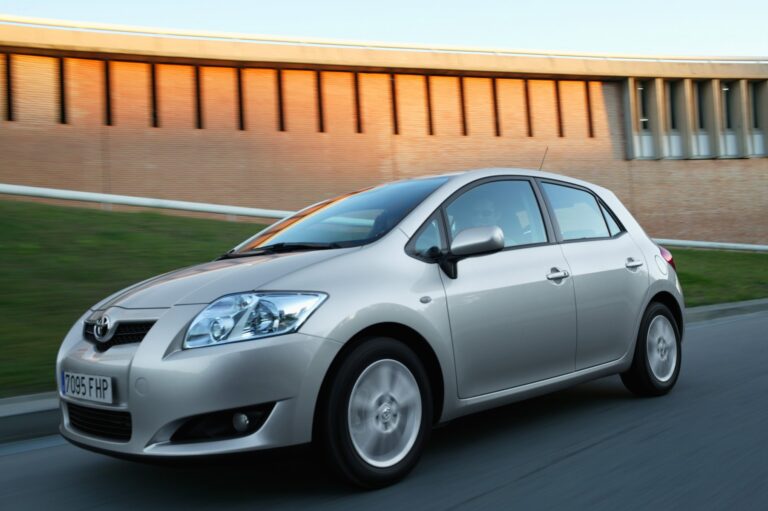
Toyota Auris: the predecessor of the Corolla Hybrid
The Auris, produced between 2007 and 2018, is the direct predecessor of the current Corolla. This generation has its own points of attention that differ from its successor.
Clutch and gearbox on non-hybrid versions
Manual petrol versions suffer from worn clutches, especially in models with many city kilometres. The clutch slips or engages poorly. Replacement is required between 100,000 and 150,000 kilometres with intensive use. This is earlier than average for Toyota standards.
Early hybrid systems
The first-generation Auris Hybrid (from 2010) uses older hybrid technology than later models. It is less efficient and more prone to minor faults than more recent systems. Some examples show failures in hybrid control or the inverter. These problems are less common than with conventional engines, but repairs are more expensive. When buying, check whether software updates have been carried out.
Rust and bodywork
Auris models from the early production years (2007–2010) are prone to rust around the wheel arches and sills. Corrosion occurs early, especially in areas where salt is used on the roads. When buying or servicing, inspect the underside thoroughly for rust spots.
Buying checklist for a used Auris:
- Test the clutch on petrol versions during the test drive on inclines
- Ask about hybrid system updates and service campaigns carried out
- Inspect wheel arches and underside for rust
- Check the maintenance history for regular servicing
Read more: Toyota Auris
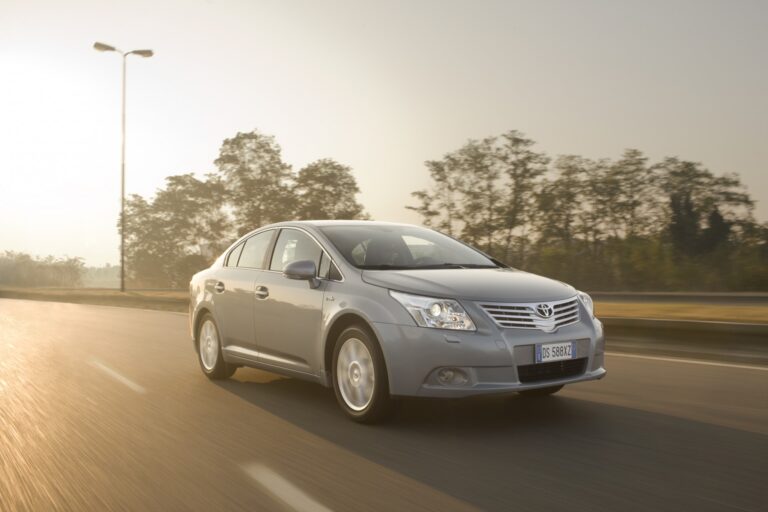
Toyota Avensis: long-distance car with diesel and petrol issues
The Avensis, produced until 2018, was popular as a company car and family car for long-distance journeys. The different engine types have their own specific points of attention.
Diesel versions
Diesel engines in the Avensis suffer from typical problems of modern diesel technology, such as high-pressure injection and clogged particulate filters. The EGR valve (the valve for exhaust gas recirculation) becomes dirty, leading to power loss and an irregular idle. Particulate filters (filters that trap soot particles from the exhaust gases) become clogged after many short trips, causing regeneration problems. Injectors fail at higher mileages, often between 150,000 and 200,000 kilometres.
Preventive maintenance for diesel models includes regular long-distance drives to regenerate the particulate filter and the use of quality diesel additives. Replacement of EGR components is often necessary after 120,000 kilometres.
Petrol engines
Some petrol versions show oil consumption, especially the 1.8-litre VVT-i engine. Check the oil level regularly and top up if necessary. The timing chain or belt must be replaced according to schedule. The 1.8-litre has a chain that rarely fails, while the 2.0-litre has a belt that must be replaced every 100,000 kilometres.
Comfort electronics
Seat heating, climate control and infotainment show failures on older models. Switches and sensors fail, leading to non-functioning features. These problems are annoying but do not fundamentally affect reliability and safety.
Maintenance strategy for high-mileage Avensis drivers:
- Diesel: schedule EGR cleaning or replacement every 60,000 kilometres
- Petrol: check oil consumption monthly, replace timing belt on time
- Drive the diesel at least 30 minutes on the motorway each week for the particulate filter
- Budget for electronics repairs on models older than 8 years
Read more: Toyota Avensis
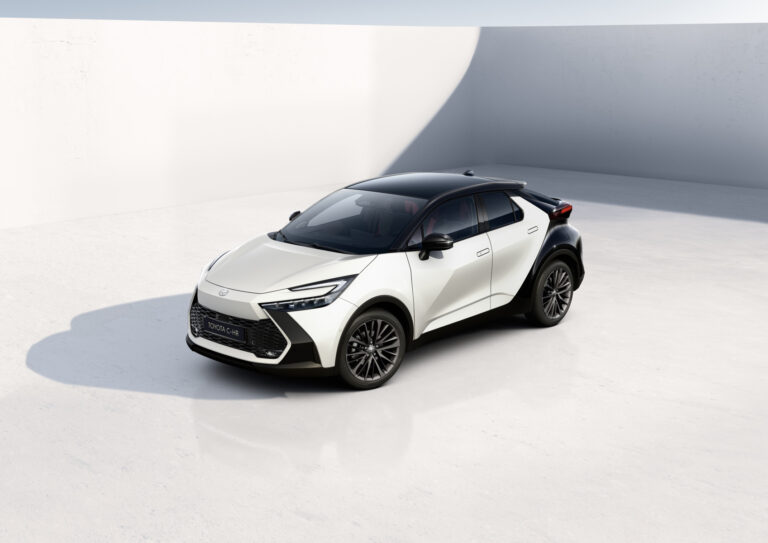
Toyota C-HR: design SUV with modern technology
The C-HR combines striking design with hybrid technology. As a relatively new model (from 2016), it has its own teething troubles.
Infotainment and smartphone connectivity
The multimedia system in early C-HR models responds slowly and has compatibility issues with smartphones. Bluetooth connections drop out or refuse to pair. Software updates at dealers improve performance, but the system still lags behind competitors.
Driving behaviour and comfort
Some owners report a hard suspension and tyre noise on uneven surfaces. The 18-inch tyres contribute to uncomfortable behaviour. The suspension set-up is tuned for a sporty character at the expense of comfort. Switching to 17-inch tyres with higher profiles noticeably improves comfort.
Hybrid drivetrain
The C-HR uses the same proven hybrid technology as other Toyota models. The drivetrain itself rarely shows faults. Regenerative braking works well and reduces the maintenance needs of the brakes. This is a strong point compared to interior and comfort aspects.
Recommendations for C-HR owners:
- Schedule a software update for the infotainment at the dealer after purchase
- Consider 17-inch tyres to improve comfort
- Check warranty and recalls via the dealer portal
- Have driver assistance systems calibrated after software updates
Read more: Toyota C-HR
Toyota Yaris Cross: young crossover with teething troubles
The Yaris Cross, available from 2021, combines compact dimensions with SUV styling. As a new model it has specific problems that mainly affect the first model years.
Software and driver assistance systems
Early production models suffer from software bugs in driver assistance systems. Adaptive cruise control and traffic jam assist behave unpredictably. Blind-spot monitoring sensors give false alarms or fail just when needed. Toyota offers updates that partly resolve these problems, but not all owners experience a complete fix.
Differences between trim levels
Entry-level versions without a fully digital dashboard show fewer electronic failures. High-spec versions with all driver assistance systems and digital instruments are more prone to faults. This pattern is common in new models that are packed with technology.
Everyday use
Practical experience shows that the Yaris Cross is mechanically reliable. Problems are concentrated in electronics and software. The hybrid drivetrain performs as expected and has few issues. Interior space and finish meet Toyota standards.
Making optimal use of warranty and service:
- Report all software-related problems to the dealer immediately
- Ask proactively about available updates and recalls
- Document faults for warranty claims
- Check the RDW register (the Dutch vehicle authority) every six months for new service campaigns
Read more: Toyota Yaris Cross
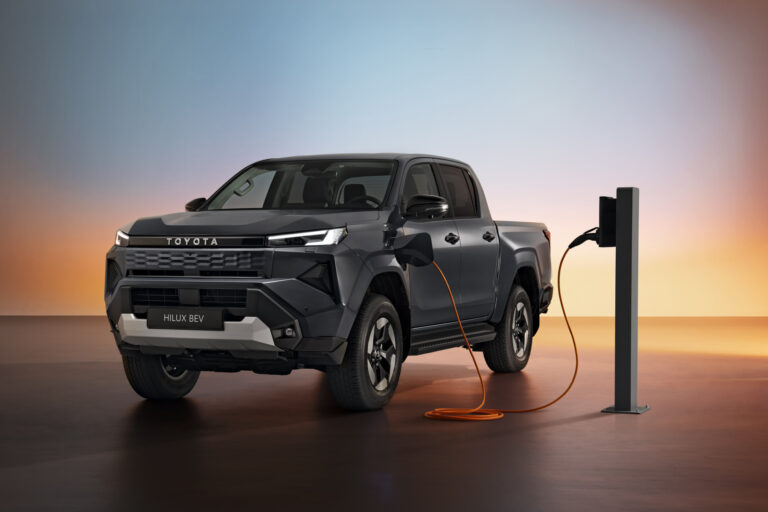
Toyota Hilux: indestructible image and real problems
The Hilux is known for robustness and reliability in tough conditions. However, even this pick-up has specific points of attention, especially under intensive work or off-road use.
Drivetrain under heavy load
Clutch and gearbox suffer under frequent towing of heavy trailers or intensive off-road trips. The clutch starts to slip prematurely or gear selection becomes notchy. Axles and bearings develop play under regular heavy loading. These are not design faults but a logical consequence of use beyond normal conditions.
Rust and bodywork
Despite its robust image, the Hilux is prone to rust under intensive off-road use. Mud and salt remain in hard-to-reach areas of the chassis and underbody. Wheel arches and suspension mounting points are vulnerable. Regular cleaning of the underside and preventive treatment with cavity protection are essential.
Electronics in harsh conditions
Sensors and electrical connections fail faster when exposed to water, mud and vibrations. Light units leak and corrode. Dashboard electronics show faults after intensive off-road use. This is inherent to operation outside normal conditions.
Preventive maintenance for pick-up drivers:
- Clean the underbody thoroughly after off-road use or winter months
- Have clutch and gearbox checked annually under heavy duty use
- Grease suspension points and hinges regularly
- Inspect electrical connections and sensors for corrosion
Read more: Toyota Hilux
Toyota Land Cruiser: off-road legend and its weak spots
The Land Cruiser enjoys a worldwide reputation as the ultimate off-road vehicle. However, the complexity of 4×4 systems and diesel engines comes with specific points of attention.
4×4 system and mechanics
The transfer case and differentials require regular oil and fluid changes. Neglect leads to expensive repairs. At higher mileages, play develops in drive shafts and universal joints. Unusual noises when switching between 2WD and 4WD indicate problems in the transfer case.
Diesel engines at high mileage
Land Cruisers often reach high mileages, where diesel engines show typical wear. Injectors fail between 200,000 and 300,000 kilometres. Turbochargers wear and lose efficiency. Both components are expensive to replace but are to be expected at this level of use.
Chassis and suspension
The chassis and suspension mounting points suffer under intensive off-road use. Rust forms around mounting points and the underlying structure. Shock absorbers and leaf springs wear faster due to extreme loads. When buying, have the entire underside thoroughly inspected for structural damage and corrosion.
Checklist for a used Land Cruiser:
- Check the service book for regular 4×4 fluid changes
- Inspect transfer case and differentials for leaks and noises
- Test switching between 2WD, 4WD high and 4WD low thoroughly
- Have the underbody and chassis professionally inspected for rust
Read more: Toyota Land Cruiser
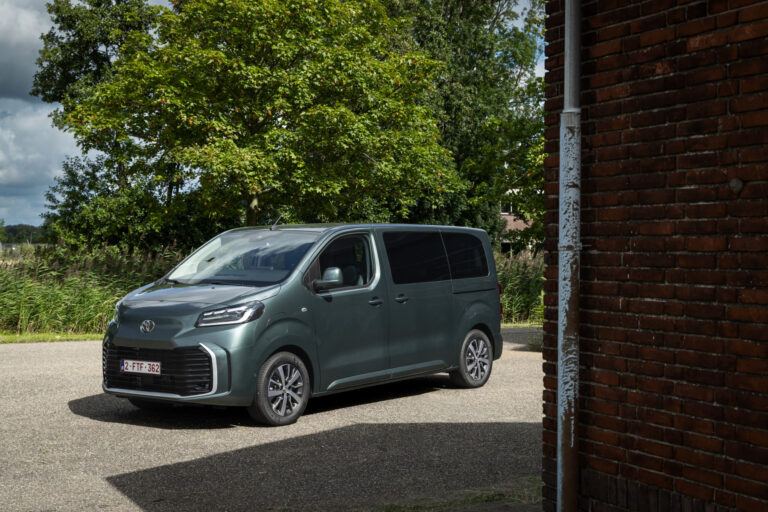
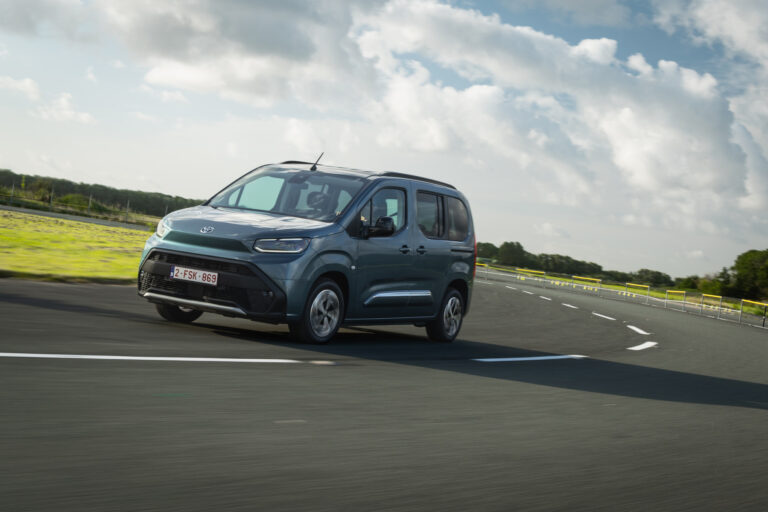
Toyota Proace: van for intensive use
The Proace, developed as a joint project with the PSA Group, is used mainly as a van. This intensive use results in specific wear and problems.
Intensive use
Brakes and suspension suffer from heavy loads and frequent city driving with lots of stopping. Brake discs and pads need replacing every 40,000 to 60,000 kilometres. Shock absorbers and springs sag under continuously heavy loading. Sliding doors develop play and sealing problems due to frequent use.
Diesel-related issues
As a van, the Proace often drives short distances with a cold engine. Particulate filters clog and EGR valves foul quickly. This leads to power loss and warning lights. Regularly force longer motorway journeys to regenerate the particulate filter. Annual preventive EGR cleaning helps avoid costly repairs.
Van-specific electronics
Load compartment lighting, sensor systems and central locking fail more often due to intensive use. Switches wear and wiring in moving parts breaks. These are typical van problems that occur less frequently in passenger cars.
Maintenance for business owners:
- Budget annually for brake and suspension maintenance
- Schedule EGR and particulate filter servicing every 50,000 kilometres
- Check sliding and rear doors every six months for play
- Keep track of TCO (total cost of ownership), including expected heavy wear
Read more: Toyota Proace
Toyota Verso: family MPV and typical family problems
The Verso, produced until 2018, served as a family car with seven seats. Intensive family use comes with its own points of attention.
Seat systems and interior space
The sliding and folding mechanisms of the second and third rows of seats wear out due to frequent use. Rails become damaged or seize. Upholstery wears more quickly due to child seats and heavy use. These are cosmetic and functional problems that need repair but do not pose safety risks.
Air conditioning and ventilation
Climate systems in the Verso suffer from reduced cooling performance in the rear zones. Air vents become clogged by leftover food and toys. Cabin filters become dirty more quickly due to intensive family use. Annual air conditioning servicing and filter replacement are necessary.
Engines by generation
The first generation (2009–2012) with the 1.8-litre petrol engine shows increased oil consumption. Diesel versions with the 2.0-litre D-4D (Toyota's name for direct diesel injection) have EGR and particulate filter problems. Later models with the 1.6-litre diesel are more economical but more sensitive to short trips. There are no hybrid versions of the Verso.
Family car-specific maintenance:
- Clean seat rails and mechanisms every six months
- Replace cabin filters annually with intensive use
- Check oil level monthly on petrol versions
- Follow the service schedule strictly for diesels; do not extend intervals
Read more: Toyota Verso
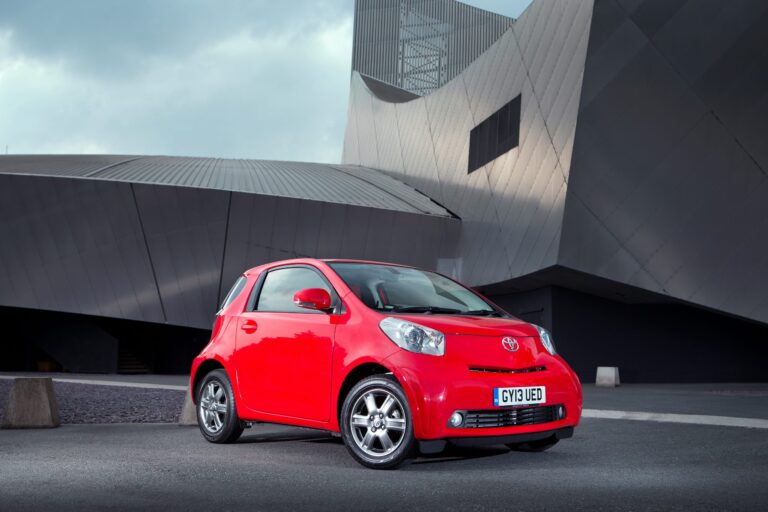
Toyota iQ: micro car with specific points of attention
The iQ, sold between 2008 and 2015, was Toyota's answer to ultra-compact city mobility. The extreme dimensions come with unique points of attention.
Damage from city use
Parking damage to bumpers, wheels and tyres is common due to limited visibility and tight parking spaces. Wheels get damaged on kerbs. Tyres wear unevenly due to lots of turning and tight corners at low speeds. These are not design faults but a logical consequence of use.
Interior and electronics in a small package
In the compact body, components are packed closely together. Electronics heat up more quickly and ventilation is limited. Displays and switches fail faster due to heat build-up. Seat adjustment and controls show increased wear due to limited space and frequent contact.
Engine problems on very short trips
The 1.0-litre and 1.3-litre petrol engines suffer from extremely short trips where the engine does not reach operating temperature. Condensation accumulates in the oil and exhaust. The battery discharges if a lot of electrical equipment is used without enough charging time. Plan at least one longer trip each week to keep systems healthy.
Micro car maintenance strategy:
- Inspect wheels and tyres more frequently for damage
- Check interior components for correct operation during servicing
- Drive for at least 20 minutes non-stop once a week for engine and battery health
- Fit protective strips to bumpers to prevent parking damage
Read more: Toyota iQ
Recalls, software updates and warranty: how to handle them
Toyota regularly issues recalls and service campaigns for known problems. Owners can check themselves whether their vehicle is affected.
Recall check
Check via the RDW register whether your registration number is involved in any outstanding recalls. Enter your number plate on the RDW website under the recall section. Dealers can also check using the chassis number. Recalls are carried out free of charge, regardless of warranty status or owner.
Requesting software updates
Toyota does not offer wireless updates. All software updates require a dealer visit. Contact your dealer and explicitly ask about available updates for your model and year. Some updates resolve known issues without official recall status.
Warranty and goodwill
Standard warranty is 3 years or 100,000 kilometres. Hybrid components often have an extended warranty of 5 years or 100,000 kilometres. For known problem series, Toyota sometimes shows goodwill beyond the warranty period. Document all faults and communicate consistently with the dealer about known issues.
Practical steps:
- Check the RDW register every six months for new recalls
- Record all faults in writing with the dealer, even outside the warranty period
- Ask proactively about available software updates during servicing
- Keep all service invoices for warranty and resale value
Tips for buying and maintaining a (used) Toyota
Toyota's reputation for reliability remains largely justified, but smart choices and preventive maintenance maximise service life and minimise problems.
Choose proven drivetrains
Hybrid models with the 2.5-litre drivetrain (Corolla, RAV4, Crown, Camry) consistently show the highest reliability. Avoid early model years with the twin-turbo 3.4-litre V6 engine (Tundra, Tacoma 2022–2024). Older models with V8 engines are more reliable than newer turbo versions.
Test drive and inspection checklist
During the test drive and inspection, pay particular attention to:
- Start the infotainment and digital dashboard several times, check for restarts
- Test all cameras, sensors and driver assistance systems in real use
- Listen for unusual noises from the drivetrain under acceleration and gear changes
- Inspect the underbody carefully for rust, especially wheel arches and suspension points
- Ask for the maintenance history and check recalls carried out via the RDW
Maintenance strategies by problem type
For electronic problems: schedule a dealer visit for all available software updates immediately after purchase. Report all issues consistently for warranty documentation.
For turbo engines: change the oil more frequently than prescribed, every 8,000 to 10,000 kilometres. Use quality oil and original filters. Monitor the oil for metal particles.
For hybrid systems: check the cooling system and battery status annually. Alternate short and long journeys for optimum battery health. Avoid leaving the car parked for long periods in extreme temperatures.
For diesel engines: take a 30-minute motorway drive every week to regenerate the particulate filter. Plan annual EGR cleaning or replacement from 100,000 kilometres.
This approach helps you make full use of Toyota's reliability potential and prevents the most common problems. At Carnews you will find up-to-date information on new models, comparisons and user experiences that help you make the right choices. Stay informed about recalls and maintenance tips so that your Toyota continues to perform reliably for a long time.