
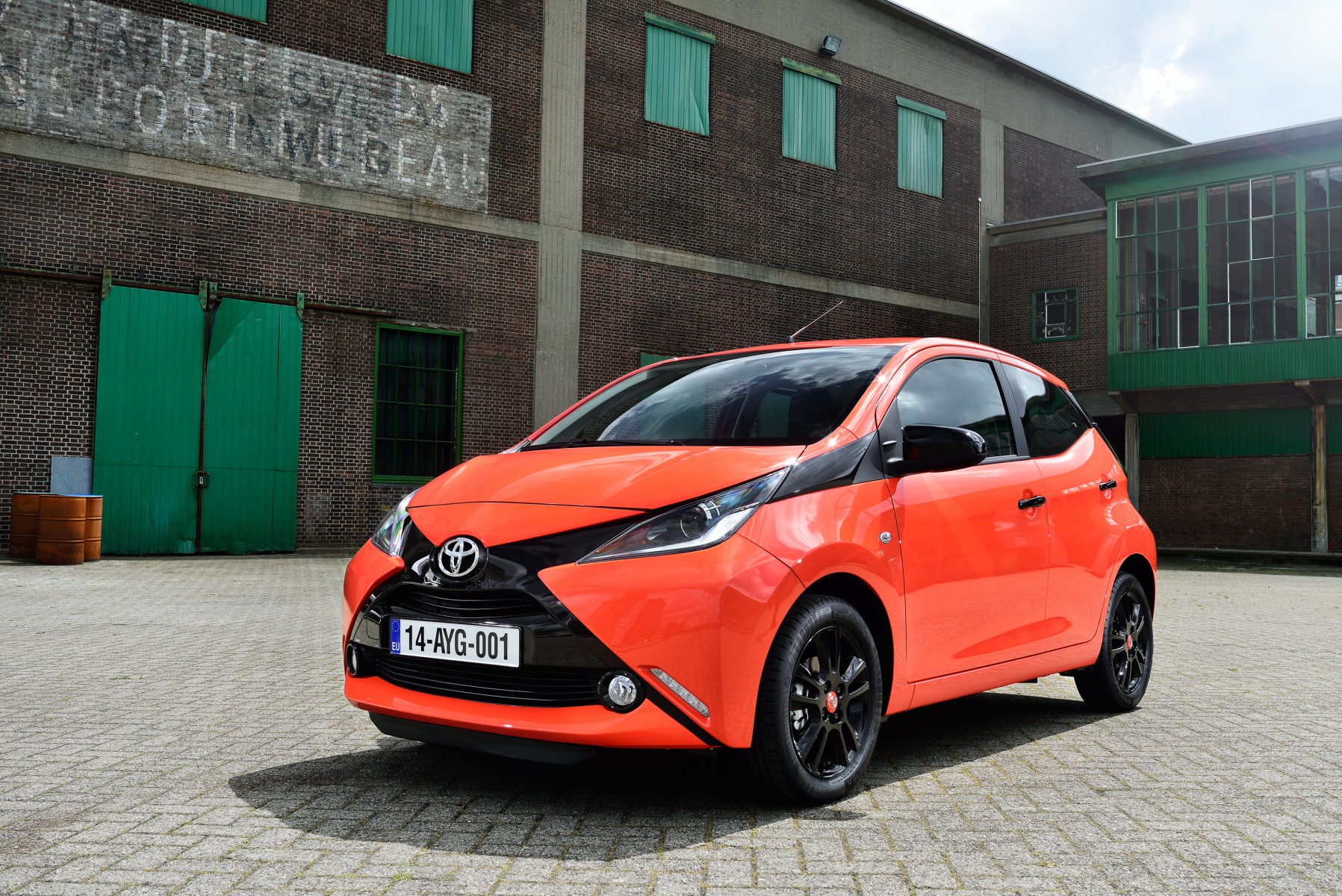
Toyota Aygo: common problems and reliability
The Toyota Aygo is a compact city car that has proven itself as a reliable and economical choice for urban drivers. Despite its excellent reputation, the model has a number of specific issues that you should be aware of as an owner or potential buyer. The Aygo suffers from clutch troubles, water leaks and electrical faults. These are the most well-known complaints. Even so, the car scores highly time and again in reliability studies, raising the question of whether these problems are really as bad as they seem.
Why the Aygo deserves attention
Since its introduction in 2005, the Toyota Aygo has been a popular choice in the compact segment. The model is often mentioned in discussions about Toyota car problems, not because the car is unreliable, but because specific issues crop up regularly among owners. Toyota has sold the car in large numbers. As a result, certain patterns in complaints become clearly visible. The Aygo was produced over two generations, with both the first generation (2005–2014) and the second generation (2014–2021) having their own points to watch.
The third generation, the Aygo X, was launched in 2021 and shows a strong improvement in terms of reliability. The earlier models are still widely available on the used-car market. That is where this article focuses. It is important to know what to look out for before you buy a used example.
‘ The second-generation Aygo even scored 100% in reliability surveys during the first three years of ownership, with no reported defects. ’
Overall reliability of the Toyota Aygo
Put the Aygo’s specific problems into perspective. VehicleScore.co.uk gives the model a score of 909 out of 999, which is exceptionally high. The second-generation Aygo even scored 100% in reliability surveys during the first three years of ownership, with no reported defects. The recent Aygo X also achieved a perfect score and was named best vehicle in the small-car class.
Problems do occur. They are annoying. However, they do not consistently lead to serious faults or breakdowns. Most complaints concern specific components. These wear or fail over time. That happens with many car models. The Aygo remains a sensible choice for anyone looking for low running costs and high reliability, provided you know what to look out for.
Clutch and gearbox: the biggest weak spot
The biggest issue with the Toyota Aygo is the clutch system. The first generation in particular suffers from premature clutch wear. Many owners have difficulty changing gear. Gears do not engage smoothly. In severe cases, the clutch fails completely. The car becomes temporarily unusable.
The average replacement cost for a clutch is around €465. This problem has not been completely solved in the second generation, although complaints are less frequent there. Owners also report defective gear cables. Suddenly you can no longer select any gears. This creates dangerous situations.
With a used Aygo, it is therefore important to test the clutch thoroughly. Watch out for stiff gearchanges, strange noises when engaging the clutch, or a pedal that feels different from normal. Ask about the service history and check whether the clutch has already been replaced.
Water leaks and damp issues in the interior
Water leaks are a persistent problem with the Aygo, and this occurs in all generations. The causes differ from case to case. They are often difficult to trace. Poorly fitted weatherstrips allow water into the boot. Faulty ventilation openings lead to water leaks in the front footwells. The sealant around the tailgate can also come loose. This results in leaks at the rear.
The consequences of water leaks go beyond just a wet floor. Moisture in the interior leads to mould growth, bad smells and corrosion of metal parts. Electrical systems are also damaged by moisture. This leads to faults. Damp patches on the upholstery, condensation on the windows and a musty smell are warning signs. Take these seriously.
When inspecting a used Aygo, you should therefore pay extra attention to the interior. Lift the floor mats. Check the carpet for damp. Look for stains or discolouration on the seat upholstery and headlining. Open the boot and check whether the spare wheel well is dry. A simple test is to inspect the car for new damp patches after it has been standing in the rain.
‘ Continuing to drive with a faulty sensor damages other engine components. ’
Engine problems and starting issues
The Aygo’s engine is generally reliable. Owners do report some specific issues. Oxygen sensor faults occur regularly. These lead to various problems. The car is difficult to start, idles roughly or shows increased fuel consumption. In some cases, a faulty oxygen sensor also damages the catalytic converter. This results in significantly higher repair costs.
Replacing the oxygen sensor costs on average €155, which is relatively affordable. Address this problem in good time. Continuing to drive with a faulty sensor damages other engine components. Symptoms such as a lit engine warning light, vibrations at idle or loss of power point to possible sensor problems.
Owners also report oil leaks, although these are less common. When viewing a used Aygo, inspect the engine bay for oil stains. Check the oil level regularly. A well-maintained engine will run many miles without issues. Make sure you have the oil changed on time.
Exhaust system and rattling noises
On some Aygos, you can hear rattling noises from the exhaust system during acceleration. This is usually caused by internal components that have come loose or by wear to the exhaust silencer. The noises can range from a light rattle to a clearly audible clattering sound.
This often does not pose an immediate danger to the car’s functionality. However, it does indicate wear. This will eventually lead to failure. A loose catalytic converter or a damaged exhaust silencer must be replaced to prevent further damage. Start the car from cold during inspection. Listen for unusual noises coming from the exhaust system.
Electrical faults and electronic systems
The Aygo generally suffers from few electrical issues. Owners do report some complaints. The central locking misbehaves. Doors do not respond to the remote control or open by themselves. There are also reports of faults in the electric windows, with the windows no longer moving up or down.
Radio problems also occur. The radio cuts out unexpectedly. The connection with external devices does not work. The cause is often poor earth connections or corrosion due to moisture in the electrical system. Water leaks lead to moisture problems. These then manifest themselves as electrical faults.
During a test drive, check all electrical functions. Test the central locking, all window switches, the radio and any other electrical features such as the air conditioning. Also pay attention to warning messages on the dashboard, which may indicate electrical problems.
‘ Corrosion on the front brakes is a very commonly reported problem. ’
Chassis, suspension and braking systems
The Aygo’s chassis is solidly built, but there are specific points of attention. Corrosion on the front brakes is a very commonly reported problem. Rust on the brake discs and callipers occurs especially on cars that stand still for long periods or are parked in a damp environment. This can lead to reduced braking performance and, in severe cases, to seized callipers.
The steering response is also something to watch. On some Aygos the steering feels imprecise. Steering effort is uneven when turning. This points to wear in the steering system or problems with the suspension. In extreme cases, recalls have taken place. The front damper rod failed. This affected the power steering.
When inspecting the chassis, it is wise to view the car on a lift. Check the brake discs for corrosion and the brake pads for wear. Press down on each corner of the car. Check that it returns immediately without bouncing. Also listen for strange noises when driving over bumps, which may indicate worn bushes or damaged shock absorbers.
Paint quality and bodywork issues
The Aygo’s paint quality, particularly on vehicles from the 2014–2021 period, is sometimes mediocre. Owners report flaking and fading paint, especially on areas exposed to the elements such as the bonnet and roof. The layer of paint is relatively thin. Scratches are quickly visible and cut through to the undercoat.
The quality of the plastic interior is also a frequent complaint. Owners describe the material as cheap and fragile. This does not affect functionality, but it does have an impact on the overall driving experience and the car’s residual value.
Inspect the bodywork carefully for paint damage, scratches and rust. Pay particular attention to areas where stones and dirt can hit the paint, such as the wheel arches and the lower edges of the doors. Well-maintained paint helps the car retain its value better.
Recalls and safety issues
Various recalls of the Toyota Aygo concern safety‑critical components. Almost 175,000 vehicles were recalled because the accelerator pedal system did not return to the idle position quickly enough. In another case, 88,784 cars were recalled due to rear-window adhesive that could come loose, causing the glass to detach.
Smaller recalls involved 2,128 vehicles where the front damper rod failed. A further 604 examples had a defective weld on the rear axle. As a result, you could lose control of the car. There were also small numbers where the fuel tank did not meet specifications.
When buying a used Aygo, always check whether that specific vehicle was affected by these recalls and whether the necessary repairs have been carried out. You can ask the dealer or check via the RDW (Netherlands Vehicle Authority) website using the registration number.
‘ Investing in an inspection can save you a lot of costs later on. ’
What to look for when buying a used Aygo
Check the car on all key points. Start with the bodywork and carefully inspect it for scratches, dents and paint damage. Look for damp patches and excessive condensation in the interior, especially in the footwells and boot. Test the folding seats and check the upholstery for tears or wear.
Check the clutch and gear cables by testing all gears during a test drive. Watch out for stiff gearchanges or strange noises. Try out the steering response on different types of road and pay attention to any irregularities in steering feel. Test all electrical functions, including central locking, windows and radio.
Look at the service history and check whether the clutch has already been replaced. Ask about any water leaks or other known issues. In doubt? Have the car inspected by an independent specialist. Investing in an inspection can save you a lot of costs later on.

Maintenance and preventing problems
Regular maintenance ensures a long lifespan for your Aygo. Treat the clutch gently. Do not rest your foot on the clutch pedal longer than necessary. Change gear smoothly. Check regularly for water or moisture ingress, especially after periods of heavy rain. Ensure timely replacement of wear parts such as brake pads and filters.
Have the engine serviced regularly according to the prescribed maintenance schedule. Use quality oil and change it on time. Check the coolant level and the condition of the coolant hoses to prevent engine problems. Keep an eye on the exhaust and have rattling noises investigated immediately.
The Aygo is a city car. It is prone to scratches and minor damage from heavy city traffic. Park in sheltered spots where possible and deal with minor paint damage straight away to prevent rust. Maintain the door and window seals to avoid water leaks.
The Aygo remains a sensible choice
The Toyota Aygo has specific problems that you, as an owner, need to know about and keep an eye on. On older examples, clutch wear, water leaks and some electrical faults are common. Nevertheless, the Aygo remains one of the most reliable small cars on the market, with excellent scores in reliability studies and low running costs.
Most problems are predictable and manageable. Maintain the car regularly. Take preventive measures. By paying close attention to the known points of concern when buying and checking the service history, you make a smart choice. The Aygo offers excellent value for money. Have realistic expectations. Pay attention to maintenance.
For city drivers who are looking for reliability, low costs and agility, the Aygo remains an attractive option. The known niggles do not outweigh the many advantages this model offers.