
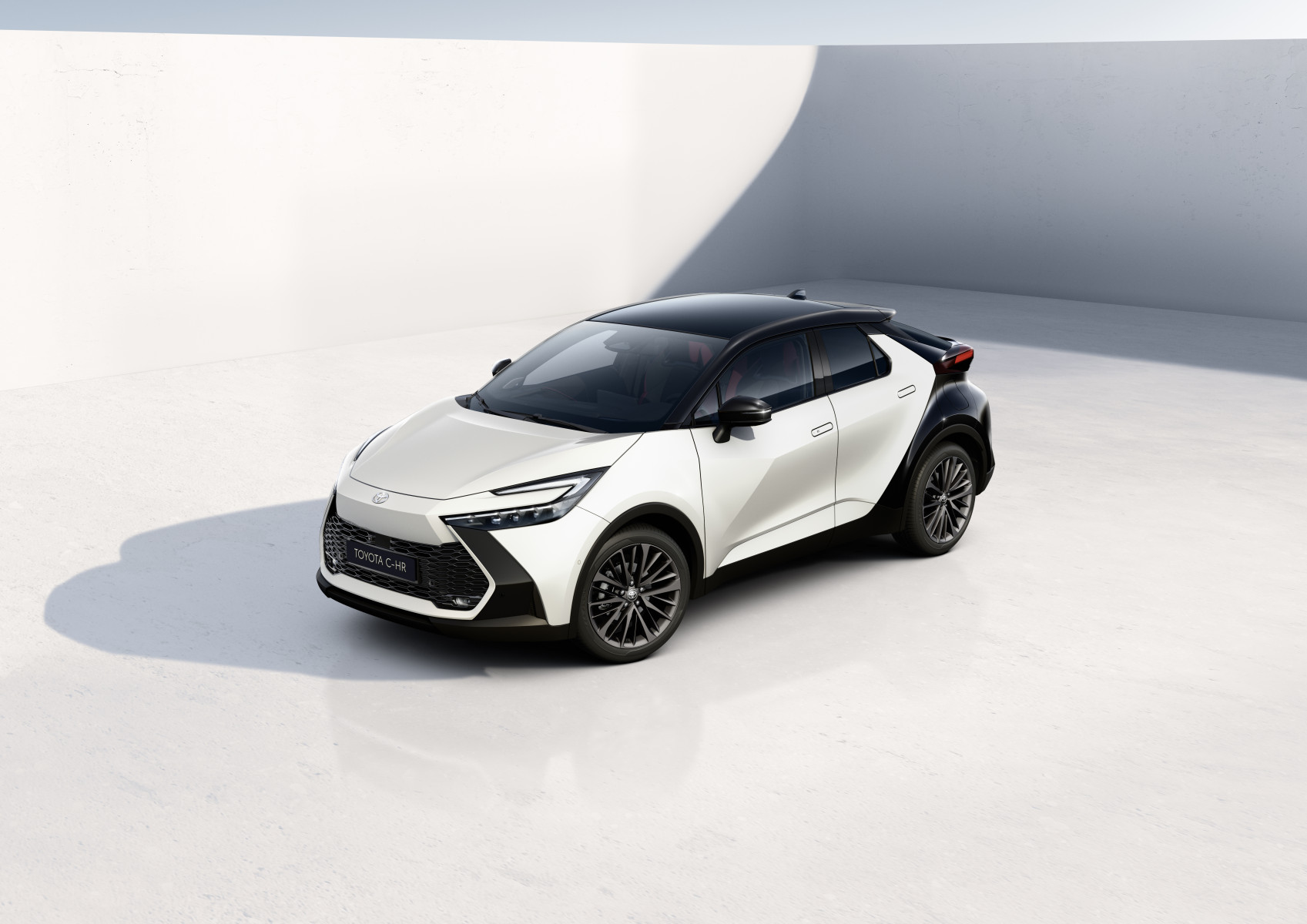
Toyota C-HR: a reliable choice with a few points to watch
The Toyota C-HR is a compact crossover that has been available on the European market since 2016 and stands out thanks to its striking design and modern appearance. Despite Toyota’s strong reputation for reliability, the C-HR also has specific problem areas that can differ from one model to another. The 2018 model year in particular stands out in a negative way, while the other model years consistently score above average for reliability. Owners who prepare themselves properly for possible teething troubles and invest in scheduled maintenance can expect many years of carefree driving pleasure.
The C-HR’s position within Toyota’s range
The C-HR fills an important place in Toyota’s model line-up as a compact crossover between the Yaris and the RAV4. The model combines the agility of a hatchback with the raised seating position that many buyers look for. Toyota sells the C-HR with both a conventional petrol engine and the well-known hybrid powertrain.
The popularity of the C-HR is mainly due to its unconventional styling, which clearly sets it apart from competitors in this segment. The character of the car suits buyers who value eye-catching design without sacrificing the familiar Toyota reliability. However, not all model years are equal in terms of quality and reliability.
For anyone doubting whether to buy a used C-HR, it is advisable to look into the specific problems that occur with this model. More information about general Toyota car problems helps to get a complete picture of what you can expect.
‘ All other C-HR model years, both earlier and later, show significantly fewer complaints and can be considered without major worries. ’
The problematic 2018 model year
The 2018 model year of the Toyota C-HR clearly stands out in a negative way. This year has significantly more complaints than other model years and therefore deserves extra attention when purchasing a used C-HR. The problems are concentrated around a few specific components that show structural shortcomings.
The weak windscreen is a frequently heard complaint with 2018 examples. Owners report that the screen fails at relatively low mileages, sometimes even before 20,000 kilometres. This points to a structural quality problem with the glass or the way it has been fitted.
In addition, many owners of the 2018 model report rattling noises coming from the doors while driving. These rattles are not only irritating but may also indicate problems with the fitting or sealing of the door panels. Another common noise with this model year is a squeaking sound while driving, the cause of which is difficult to trace.
All other C-HR model years, both earlier and later, show significantly fewer complaints and can be considered without major worries.
Engine performance and reliability
The engine of the Toyota C-HR is generally reliable and rarely causes major problems. Both the conventional petrol engines and the hybrid powertrain have a good reputation when it comes to durability. However, a few isolated problems have been reported that deserve attention.
Increased oil consumption occurs sporadically, especially with examples that have not been maintained according to the recommended service schedule. This problem usually arises with cars that have gone long periods without fresh oil or where the oil has not been topped up in time. Regularly checking the oil level prevents this type of damage.
The electric water pump can, in rare cases, fail prematurely. When this pump fails, the engine can overheat with all the consequences that entails. Symptoms of a failing water pump include a rising temperature gauge on the dashboard and possible plumes of steam from under the bonnet.
Some examples have issues with the high-pressure fuel pump. This component has been part of official Toyota recalls. When buying a used C-HR, check whether any recalls have been carried out.
The hybrid powertrain under the microscope
The second-generation 1.8-litre hybrid powertrain that Toyota uses in the C-HR is known for its reliability. The system combines a petrol engine with electric motors and a nickel-metal hydride battery. This technology has now proved itself in millions of Toyotas worldwide.
With hybrid C-HRs, a raised oil level above the maximum marking can occur. A few owners have noticed this during checks. Toyota specialists state that this phenomenon is not harmful to the engine and is related to the operation of the hybrid system, in which small amounts of unburnt fuel can end up in the sump.
Hybrid models sometimes have starting problems after standing still for a longer period. This is usually caused by a discharged 12-volt battery. The hybrid battery itself functions without problems, but the conventional 12-volt battery can discharge when the car is left standing for a long time, especially if electrical accessories are connected that continue to draw power.
The hybrid battery shows the typical Toyota reliability. Failures are rare. Many owners easily achieve high mileages without battery issues.
‘ Although some manufacturers claim their CVTs are maintenance-free, Toyota definitely recommends periodic replacement of the transmission fluid. ’
Transmission and drivetrain
The Toyota C-HR uses a CVT transmission (continuously variable transmission), an automatic gearbox without fixed gears that provides a gradual transfer of power without shift moments. This type of transmission is known for its smooth operation and efficiency, but it does require specific maintenance.
Major problems with the CVT transmission are rare in the C-HR. However, it is important that the transmission fluid is changed according to the prescribed schedule. Although some manufacturers claim their CVTs are maintenance-free, Toyota definitely recommends periodic replacement of the transmission fluid.
In neglected transmissions, symptoms such as jerky driving behaviour, vibrations during acceleration or a delayed response when selecting a gear can occur. These signs point to wear that is often preventable through correct maintenance.
Electronics and infotainment
The electronic systems of the C-HR have a few points of attention, mainly relating to sensors and driver assistance systems. The tyre pressure sensor regularly shows faults on 2020 models. A defective sensor may fail to warn of low tyre pressure, which poses a safety risk.
The Lane Keeping Assist system, which is intended to keep the car within its lane, is sometimes experienced by owners as too aggressive. The system can pull abruptly on the steering wheel when it detects lane markings. With some examples this system also cuts out, which is indicated by a warning light on the dashboard.
The infotainment system has caused complaints for various owners. Problems range from slow responses to touchscreen inputs to dropping Bluetooth connections and navigation errors. Software updates can solve some of these issues.
Suspension and chassis
The suspension of the C-HR generally causes few complaints. The car uses a conventional coil-spring suspension with MacPherson struts at the front and a double wishbone set-up at the rear. This proven technology provides a good balance between comfort and handling.
Some owners do report noises coming from the chassis when driving over bumps or poor road surfaces. This may indicate worn bushes in the suspension or fasteners that have worked loose. Inspection by a specialist can identify the cause.
Premature wear of shock absorbers is not very common, but can occur with examples that have often been driven heavily loaded or frequently over bad roads. Symptoms of worn dampers include a rocking motion while driving and reduced stability in bends.
‘ This can be prevented by occasionally braking firmly without regeneration. ’
Braking system and tyre wear
The braking system of the C-HR generally functions as it should. In hybrid versions, regenerative braking is used (where the electric motor acts as a generator during braking and recovers energy that is stored in the battery). This means that the conventional brakes are less heavily loaded, which extends the service life of brake discs and pads.
However, hybrid C-HRs can suffer from rust forming on the brake discs when the car often makes short trips during which mainly regenerative braking is used. The mechanical brakes are then rarely called into action, allowing surface rust to form. This can be prevented by occasionally braking firmly without regeneration.
Striking tyre wear patterns have not been specifically reported for the C-HR. It is, however, important to check tyre pressures regularly, especially if the tyre pressure sensor does not function reliably. Incorrect pressure can lead to uneven wear and increased fuel consumption.
Interior and finish
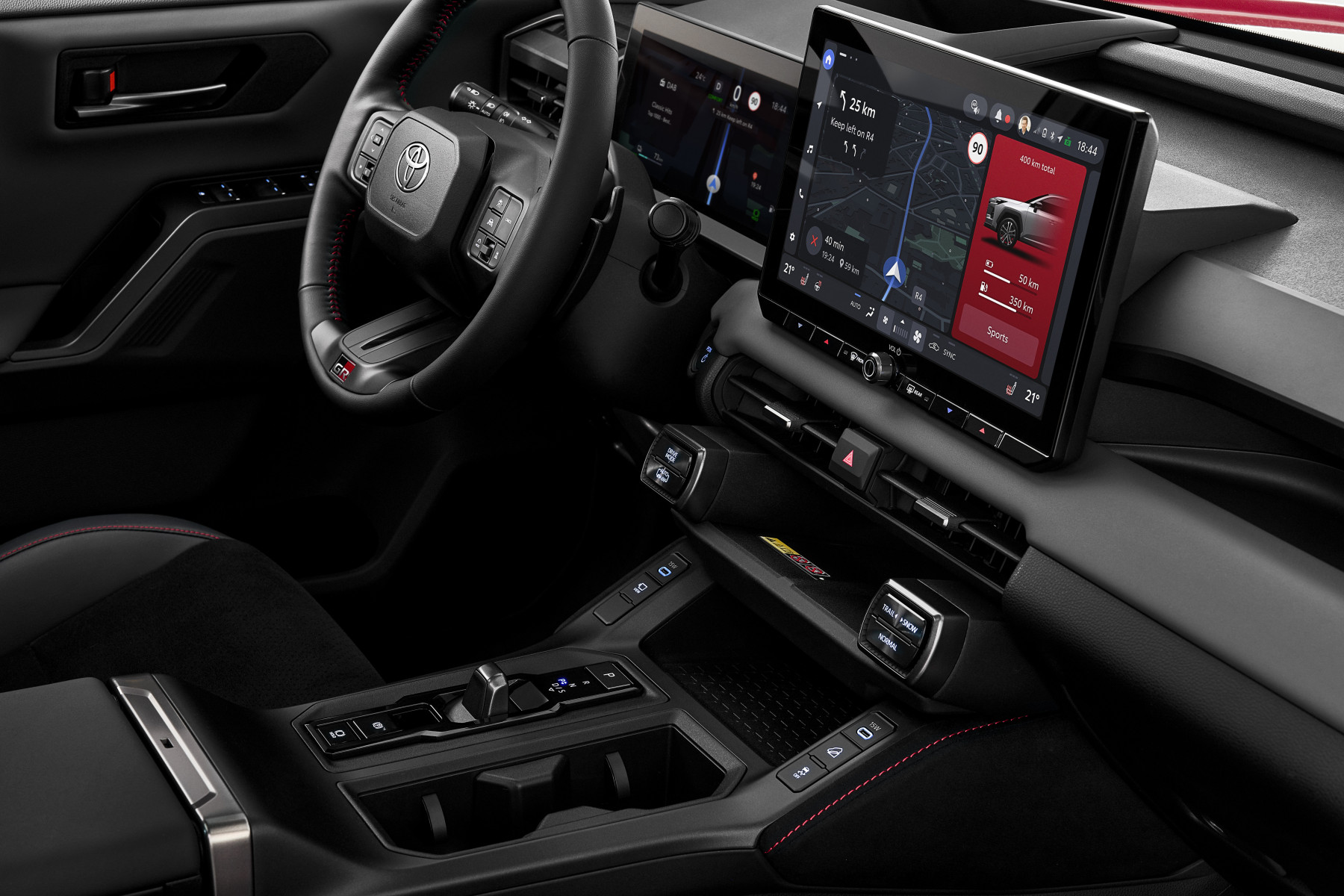
The interior of the C-HR is characterised by a modern design with plenty of plastic trim materials. The quality of these materials is generally good, but some owners report rattles and creaking noises from the dashboard or centre console.
These noises often arise because plastics expand or contract due to temperature changes. Some cases can be solved by placing rubber shims between moving parts. In other cases it remains a lasting irritation.
Wear to seat upholstery and other interior elements is not unusually high for the C-HR. With normal use, the interior remains in good condition for years. It is, however, advisable to maintain leather upholstery regularly with suitable products to prevent it from drying out and cracking.
Warning lights and diagnostics
The C-HR’s dashboard contains various warning lights that signal potential problems. The check engine light is the most general indicator and can point to a wide range of faults, from a loose fuel cap to serious engine problems. A diagnosis with an OBD scanner can read out the exact fault code.
The hybrid system light comes on when a fault is detected in the hybrid powertrain. This can range from a sensor problem to a defect in the electric motor or battery. When this light appears, it is wise to consult a Toyota dealer or specialist immediately.
The tyre pressure warning light should always be taken seriously, but as mentioned earlier, the sensor itself can be defective. Check the tyre pressure manually before assuming there is an actual problem.
When several warning lights come on at the same time, this may indicate a problem with the electrical system or a more serious fault. In that case, it is advisable not to use the car any further until a specialist has investigated the cause.
‘ Minor faults can develop into major damage when they are ignored. ’
Preventive maintenance and solutions
Regular maintenance is the most important factor for a long service life of the C-HR. Follow the maintenance schedule prescribed by Toyota, even if the car is no longer under warranty. This prevents common problems and helps to detect emerging faults in good time.
Oil changes deserve special attention. Always use the specification recommended by Toyota and change the oil within the prescribed intervals. With hybrid models this is especially important due to the specific load on the engine.
Regularly check fluid levels, tyre pressures and the operation of the lights yourself. These simple checks take little time but can prevent major problems. Also keep an eye out for unusual noises or changes in driving behaviour.
When problems occur, it is wise to have them investigated quickly. Minor faults can develop into major damage when they are ignored. For repairs, preferably use genuine Toyota parts, which fit better and last longer than cheap alternatives.
Recalls and service bulletins
Toyota has carried out several recalls for the C-HR that related to specific components. The EGR valve (exhaust gas recirculation valve, a component that routes exhaust gases back to the engine to make combustion cleaner) wiring was the subject of a recall because it could melt through. This problem has been resolved by the dealer on affected examples.
The high-pressure fuel pump has also been part of a recall. When buying a used C-HR, check whether these recalls have been carried out. You can ask a Toyota dealer about this by providing the registration number or chassis number.
Service bulletins are technical communications from Toyota to dealers about known problems and recommended solutions. These bulletins are not always public, but a specialist can check whether any relevant bulletins have been issued for your specific model year.
Buying tips for a used C-HR
When buying a used Toyota C-HR, the single most important piece of advice is to avoid the 2018 model year. That year has too many structural problems to be a safe choice. All other model years can be considered without major reservations.
Always check that the full service book is present and that all services have been carried out. Preferably at an official Toyota dealer, but a reliable independent garage with Toyota expertise is also acceptable. Pay attention to the intervals and whether any services have ever been skipped.
Before purchase, have a pre-purchase inspection carried out by a specialist. This should specifically check the known problem areas such as the water pump, tyre pressure sensors and the Lane Keeping Assist system. It is also advisable to have the windscreen inspected for cracks or weak spots.
Ask whether recalls have been carried out. A dealer can check this based on the chassis number. Outstanding recalls must be rectified free of charge by the dealer, even on a used car.
During the test drive, test all electronic systems, including the infotainment, climate control and safety assists. Listen for unusual noises from the engine, transmission and chassis. Check that the hybrid powertrain switches smoothly between petrol and electric drive.
‘ These problems occur structurally in that model year and can be an indication of further defects. ’
What to check before buying
For hybrid examples, check whether the 12-volt battery has been replaced recently, especially if the car regularly stands still for long periods. A weak battery can cause starting problems that give the impression of a more serious defect. Also ask whether the CVT transmission fluid has ever been changed. Many owners do not know that this is necessary, which can lead to accelerated wear.
With 2020 models, pay extra attention to the tyre pressure sensor and test whether it functions correctly. For 2018 models, specifically ask about previous problems with the windscreen, door rattles or squeaking noises. These problems occur structurally in that model year and can be an indication of further defects.
Check in the service book whether recalls for the EGR valve and fuel pump have been carried out. These are known weak points that should have been rectified free of charge on affected examples. In case of doubt, request the service history from a Toyota dealer using the chassis number.