
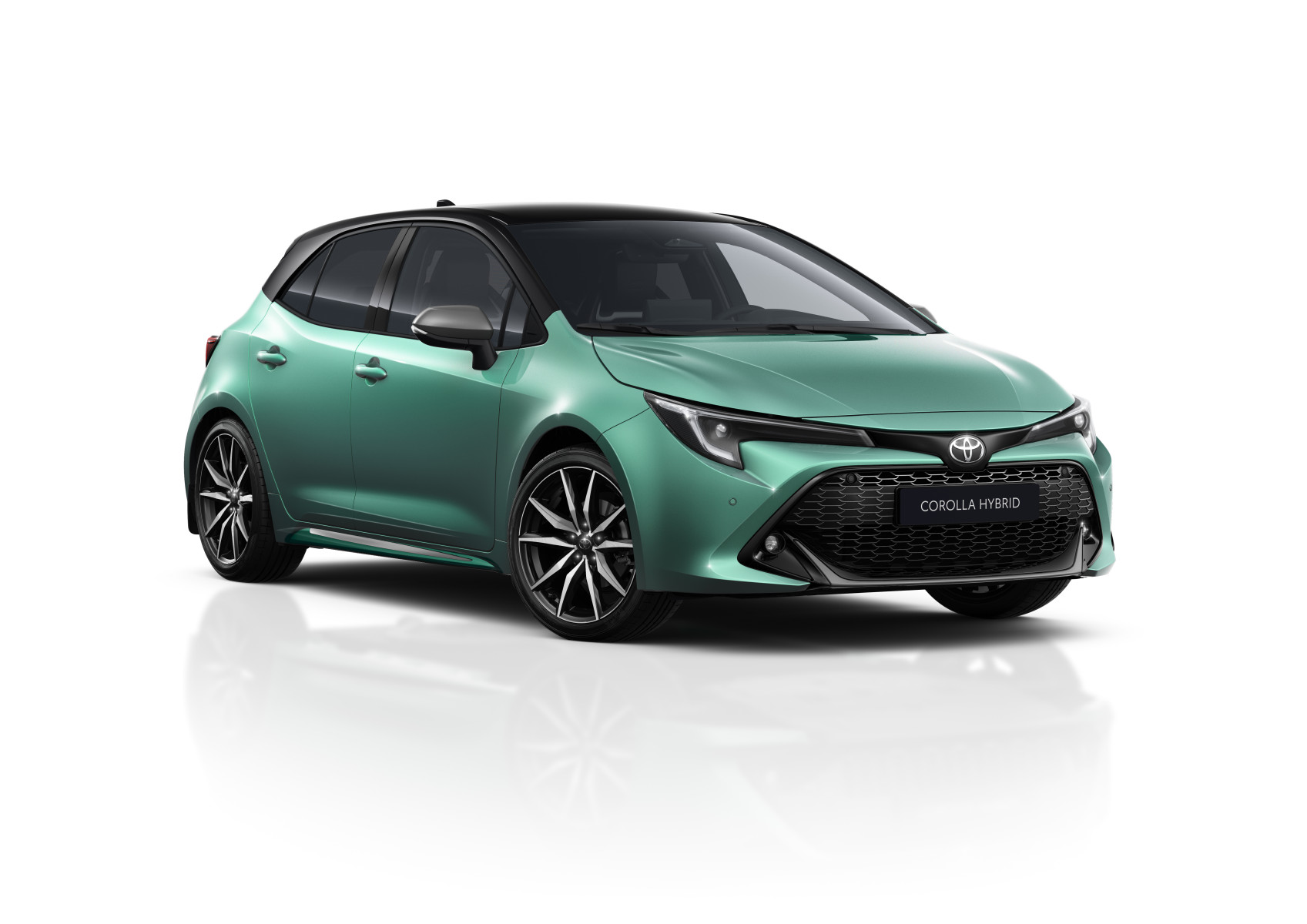
Toyota Corolla: reliable with some known weak points
The Toyota Corolla is regarded as one of the most reliable cars in the world, but even this model has its points of attention. Transmission problems occur in older model years. Excessive oil consumption and electrical faults also crop up. Even with this Japanese bestseller, certain issues occur more often than you might expect. Nevertheless, the Corolla remains a popular choice for anyone looking for a practical and affordable family car.
The question, of course, is: how serious are these problems exactly? And more importantly: what can you do about them? In this article we take you through the most common problems in different generations of the Toyota Corolla. We show you what to look out for when buying a used example. You will also read how good maintenance helps prevent many technical issues.
Are you already an owner? Are you thinking about buying a Corolla? Then it is wise to familiarise yourself with the Toyota car problems that these models can experience. That way you know what you need to keep an eye on.
Why the Corolla is still a top choice despite everything
The Toyota Corolla consistently scores highly on reliability platforms. The model has been sold millions of times worldwide for decades. It has proven itself as a solid, economical and durable car. Most owners experience few problems and can drive for years without major repairs.
Still, no model is perfect. The Corolla also has recurring complaints. These are specifically linked to certain model years or components. By knowing about these problems, you can make a more informed choice when buying and carry out targeted maintenance. That prevents nasty surprises and keeps your Corolla in top condition for longer.
‘ That last solution can be expensive: expect to pay between 2,600 and 5,000 euros. ’
The most common engine problems
Excessive oil consumption is the most frequently reported engine problem in the Corolla. This occurs mainly in the 2002 and 2009 model years. It can happen even when the car is still relatively new. The cause usually lies in worn piston rings. Engine seals that no longer do their job properly also cause this problem.
You will notice this problem because the oil level drops more quickly than normal. If you regularly have to top up oil between services, there may be excessive oil consumption. Switching to a thicker engine oil sometimes helps. In severe cases, replacement of the piston rings or even engine repairs will be necessary. That last solution can be expensive: expect to pay between 2,600 and 5,000 euros.
Another point of attention is the mass air flow sensor. In Corollas from 1998 to 2010 this component regularly becomes dirty. The sensor measures how much air the engine takes in and sends that information to the engine computer. If the sensor does not work properly, performance problems arise. The warning light may come on. Regular cleaning helps, but often replacement is the only long-term solution.
The EVAP system is a recurring issue in older models. This evaporative emissions system prevents fuel vapours from being released into the air. The 1998 to 2011 model years regularly show faults. The 2013 to 2016 model years also suffer from this problem. The cause is often a damaged charcoal canister or a defective fuel cap. The warning light will come on and it is wise to have this checked quickly.
Points of attention with the transmission
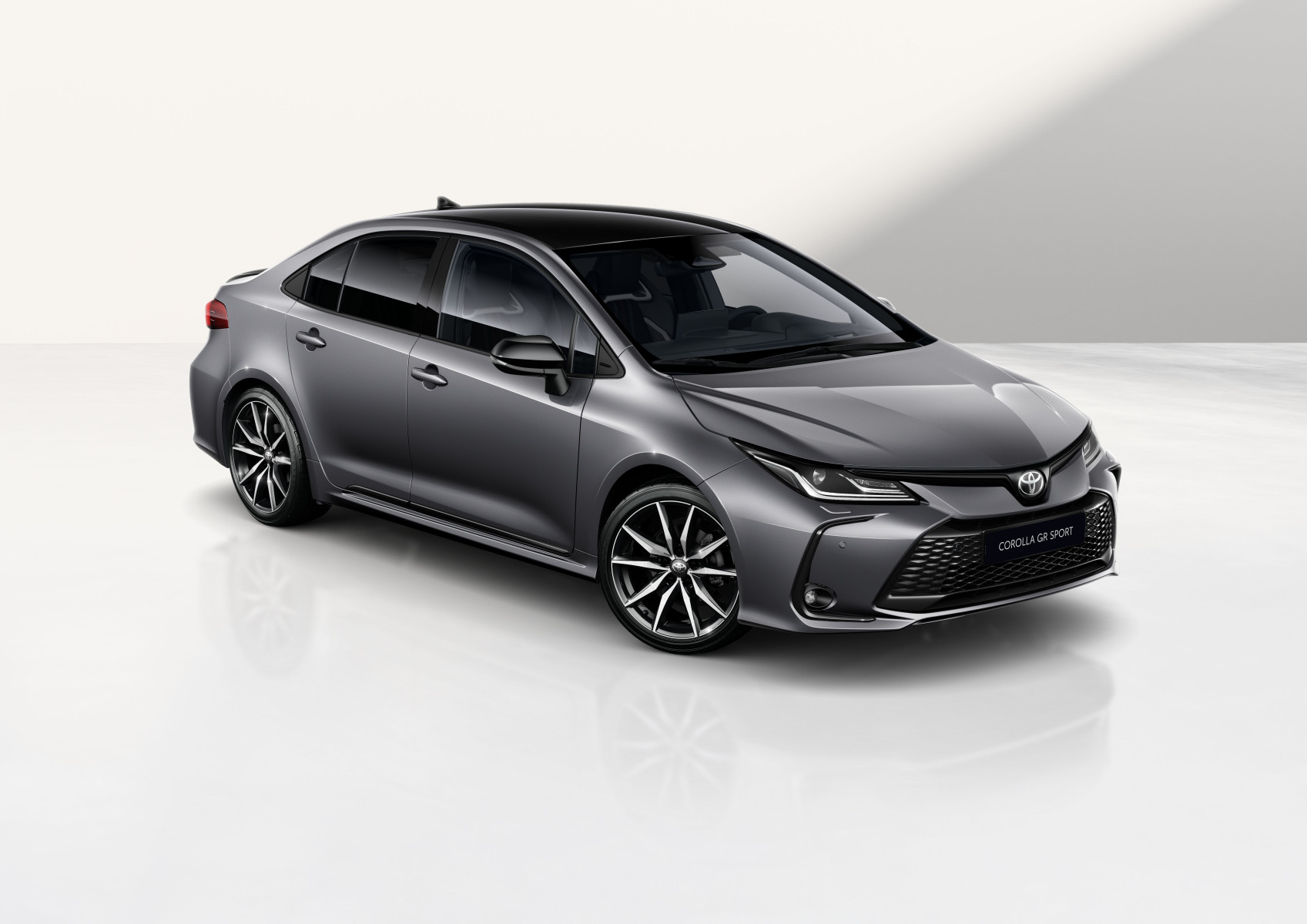
The transmission is a weak point in some model years. The most notorious is the 2003 Corolla. Owners report that the automatic gearbox suddenly cuts out. Grinding or knocking noises then occur. The car then stops completely. Repair usually requires a transmission rebuild or full replacement, costing between 1,200 and 2,500 euros or more.
Newer models have not been spared either. There are known cases with the 2020 Corolla where the transmission had to be replaced under warranty. Sometimes this went hand in hand with replacement of engine mounts. Fortunately, such issues on more recent models are usually covered by the manufacturer’s warranty.
Manual versions suffer fewer serious problems. However, the clutch and gearbox can wear faster after intensive use or careless driving. Regular checks of the transmission fluid in automatics and timely clutch replacement in manual versions help prevent problems.
Electrical faults and how to fix them
Electrical problems in the Corolla are generally limited, but they do occur. Some owners report that certain switches do not work properly or that electric windows stick. These are often minor faults that are relatively easy to fix.
The Corolla Cross from the 2022 to 2024 model years has specific problems with the key fob remote. The remote then no longer works or responds slowly. Possible solutions include replacing the battery, cleaning the battery contacts or reprogramming the remote control software at the dealer.
With electrical problems it is important to act quickly. Minor faults can develop into major defects. Do not ignore them. Fortunately, many electronic problems are repaired under warranty, so always check first whether your vehicle is still covered.
‘ Have these signs checked immediately, because delaying can lead to unsafe situations and higher repair costs. ’
Chassis and suspension: comfort versus wear
The Corolla’s chassis is generally robust. Certain components are, however, prone to wear. Shock absorbers, control arms and anti-roll bar links have a limited lifespan and will need to be replaced over time. This is normal for any car, but in the Corolla this usually happens later than in many competitors.
The 2020 Corolla has specific complaints relating to the brakes. Owners report premature wear of brake pads and discs, vibrations when braking and squealing noises. Regular brake maintenance and inspections are necessary to guarantee safety and avoid costly repairs.
Knocking noises while driving can point to chassis or suspension problems. Uneven tyre wear is also a symptom. Less stable handling likewise indicates issues. Have these signs checked immediately, because delaying can lead to unsafe situations and higher repair costs.
Rust and bodywork: a look at the exterior
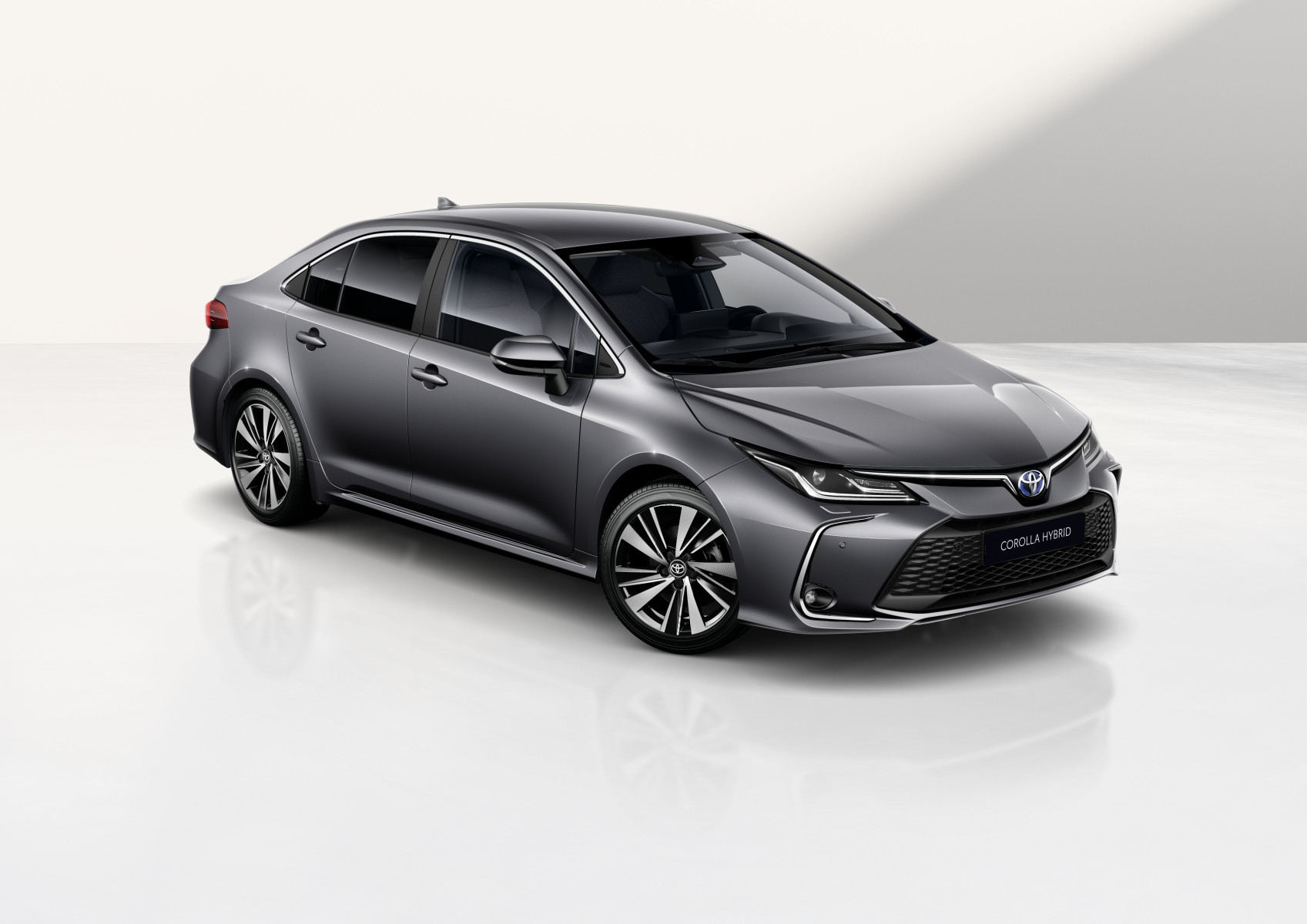
The Corolla’s bodywork is reasonably well protected against rust, but older models can still show corrosion in specific places. Pay particular attention to the wheel arches, sills and the bottom edges of the doors. These are areas where moisture and dirt accumulate and where the protective coating is more vulnerable.
A particular problem in some Corollas is water entering the doors. Owners sometimes discover this after rainfall or a car wash. Water then remains inside the doors. Toyota has issued a service bulletin for this. The solution is surprisingly simple: remove three small rubber grommets from the front and rear doors so the water can drain away.
When buying a used Corolla, always check the bodywork carefully for rust spots, dents and paint damage. Small spots of rust can still be treated relatively easily, but advanced corrosion requires expensive repairs or even replacement of panels.
Specific generations and their unique problems
Not all Corolla model years are equally problematic. Some generations have specific weak points that you need to know about. The 2003 Corolla is known for its transmission issues, while the 2002 and 2009 model years struggle with excessive oil consumption.
The 2015 Corolla often suffers from starting problems. This usually occurs when the car has around 100,000 to 125,000 kilometres. The starter motor can then fail. This results in slow starting or even a complete refusal to start. Replacing the starter solenoid or the entire starter motor usually solves this.
Newer models such as the 2023 and 2024 Corolla have been subject to recalls because of cracks in the steering shaft assembly. These cracks occur during production. The shaft can therefore break and become detached from the steering column. Dealers replace defective steering shafts free of charge, so check whether your car falls under this recall.
Preventive maintenance: how to keep your Corolla in top condition
Good maintenance is the best way to prevent problems. Follow the manufacturer’s service schedule carefully. Always use the correct oil and parts. That may sound obvious, but many problems arise because owners wait too long before having the car serviced. Opting for cheaper alternatives can also cause issues.
Check the oil level regularly and top up when necessary. This helps prevent engine damage caused by oil consumption. Change the oil on time. Old oil protects the engine less effectively. For the Corolla the interval is often 15,000 kilometres or one year, depending on usage.
Other important maintenance points are:
- Timely replacement of air filters and fuel filters
- Checking the brakes and braking system at every service
- Inspecting the chassis for wear and damage
- Regularly checking the battery, especially on cars older than five years
- Cleaning or replacing the mass air flow sensor on older models
Pay attention to warning lights on the dashboard. Never ignore them. If the engine warning light comes on, this can point to different problems. Have the fault codes read at a garage. Fix issues immediately before they grow into something bigger.
Buying a used Corolla: what to look out for
Buying a used Corolla calls for a thorough inspection. Check the service book. Ask for proof of the work that has been carried out. A Corolla with a complete service history is more reliable; a car with no history offers less certainty.
Pay specific attention to the model year, as known problems are linked to it. With a 2003 model, ask about the condition of the transmission and have it thoroughly tested on a test drive. With 2002 or 2009 models, check the oil consumption by asking whether the owner regularly had to top up oil.
Other checkpoints when buying are:
- Test the starter motor, especially on models with around 100,000 kilometres
- Check whether the engine warning light is on or has been on recently
- Inspect the bodywork for rust spots, especially around the wheel arches and sills
- Test all electrical functions, including windows, lights and remote locking
- Check the condition of the brakes, tyres and chassis
- Ask whether recall work has been carried out, particularly on more recent models
Are you unsure about the purchase? Then consider a pre-purchase inspection by an independent garage. The cost is only a few tens of euros and is money well spent. It helps you avoid buying a car with hidden problems. A good mechanic will often spot issues during such an inspection that are not visible to a layperson.
The Toyota Corolla as a considered choice
The Toyota Corolla lives up to its reputation as a reliable car. Most owners drive for years without major issues, enjoying low running costs and good resale value. It is, however, sensible to be aware of the known points of attention for each model year.
Transmission problems occur in older models. Oil consumption affects specific years. Starting issues arise at higher mileages. These are the main weak spots. Preventive maintenance helps, and timely repairs are important. This way you prevent small problems from growing into expensive failures.
For anyone looking for a solid, practical car with low running costs, the Corolla remains an excellent choice. Choose a model year without major known issues, and make sure it receives regular maintenance. Then you will have a car that will faithfully get you to your destination for many years.