
Toyota Proace: common problems and what you need to know about them
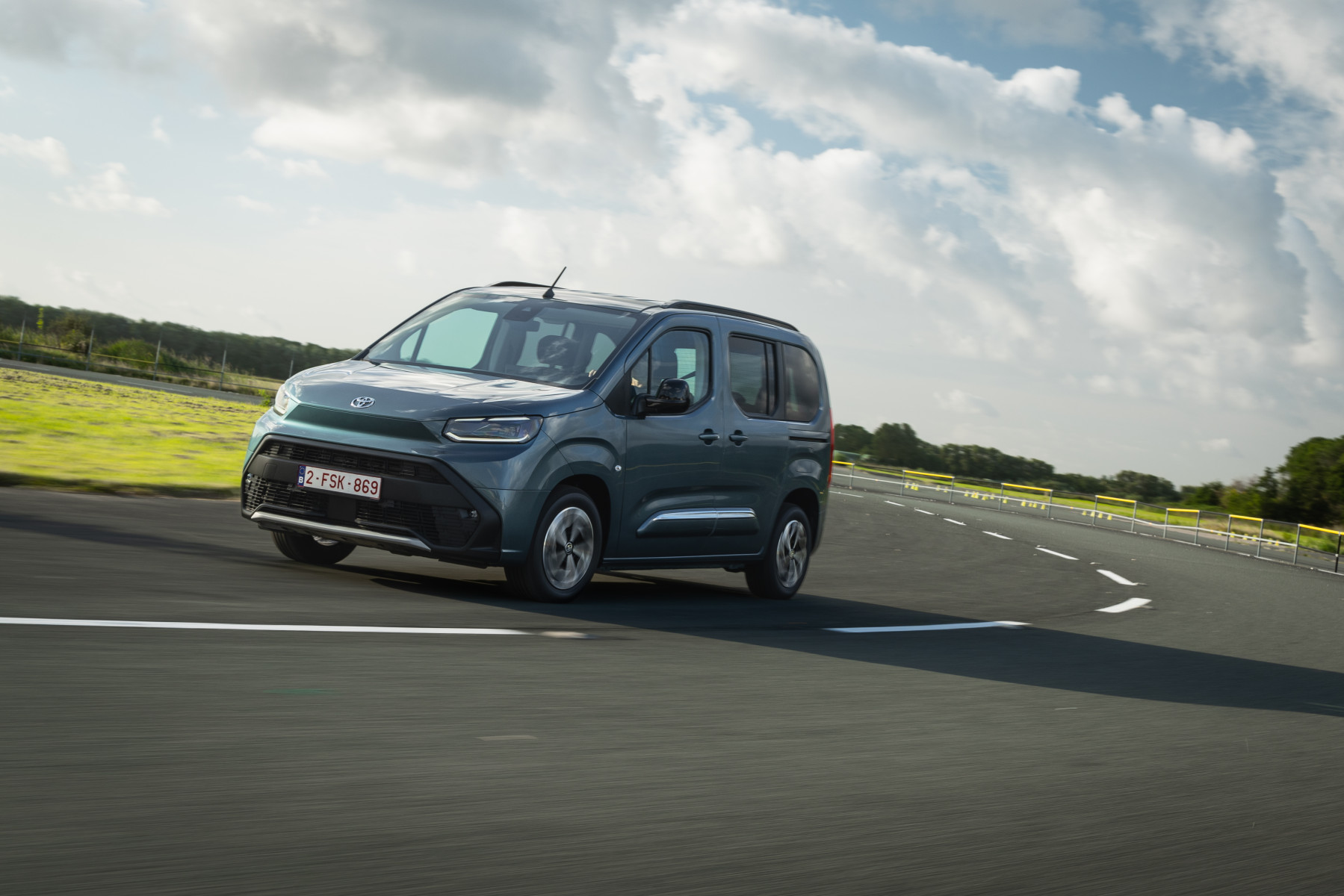
The Toyota Proace is a practical van that at first glance seems to embody the reliability of the Japanese brand, but in practice the model struggles with significant technical challenges. From persistent electronic faults to costly engine issues, owners regularly report problems that put pressure on Toyota’s brand value. Anyone considering buying a Proace, or who already owns one, would be wise to familiarise themselves with these defects.
The van shares its technology with models from Peugeot and Citroën, which has consequences for parts and maintenance costs. This makes the Proace an interesting case within the broader spectrum of Toyota car problems, where expectations of Japanese robustness clash with the reality of European production. The issues range from annoying electronic glitches to serious engine complications that can cost a lot of money.
In this article, we discuss the most common technical problems. Among other things, we cover blockages of the particulate filter (Diesel Particulate Filter or DPF) and gearbox complaints. This way, you know what to look out for and how to avoid expensive repairs.
Electronic systems: a source of frustration
The electronic systems (all computer-controlled components in the vehicle) of the Proace are a major weakness. Owners regularly report problems with the engine control unit (Engine Control Unit or ECU). This component does the calculations behind the scenes. When the ECU fails or malfunctions, you experience reduced performance and problems arise that are not always easy to diagnose.
The electronic stability system can also falter. This system is supposed to keep your vehicle stable in corners and in slippery conditions, but defects lead to expensive repairs. Warning lights appearing on the dashboard without any clear cause are a recurring issue. Sometimes a computer scan doesn’t solve anything and the light disappears on its own. Later, the light comes back again.
The central locking (the system that locks and unlocks all doors at once) also fails regularly. This often happens at unexpected moments and can mean that doors can no longer be unlocked or locked remotely. The sliding door sensors also cause problems. Average repair costs are around €150. These glitches are especially annoying for business owners who rely on their vehicle every day.
‘ Many owners regard this as a design flaw. ’
Engine problems: particulate filter and EGR as pain points
The Proace uses a diesel engine from Peugeot (the French manufacturer). This engine is sensitive to blockages in the particulate filter. The Diesel Particulate Filter (DPF) captures harmful soot particles. The filter regenerates itself by periodically reaching a high temperature. This only works during longer journeys at speed.
If you mainly use the Proace for short urban trips, the DPF does not get sufficient opportunity to burn itself clean. The filter becomes clogged, which can cause the engine to go into limp mode or even refuse to start at all. For city couriers and companies that mainly do short journeys, this is a serious risk. Repair costs range between €250 and €500, depending on the severity of the blockage.
The Exhaust Gas Recirculation system (EGR) routes exhaust gases back into the engine. This is done to reduce emissions. The EGR system suffers from carbon build-up. These blockages lead to reduced engine power, increased fuel consumption and an illuminated engine warning light. Replacing the EGR valve costs on average €300.
The Peugeot engine also requires particulate fluid, a Diesel Particulate Filter (DPF) additive. This fluid is significantly more expensive than ordinary diesel. Some models do not have an original filler port. This makes topping up unnecessarily complicated. Many owners regard this as a design flaw.
Transmission complaints and clutch wear
The manual gearbox shows weaknesses after around 100,000 kilometres. Internal components such as gears and shafts wear prematurely. This occurs especially with intensive commercial use. It manifests itself in jerky gear changes and gear positions that are difficult to find.
The clutch wears out faster than expected. In frequent stop-start traffic, which is typical for vans in urban areas, the clutch disc and pressure plate wear significantly. Symptoms include slipping, difficulty changing gear and a clutch bite point that is either very high or very low. These problems make driving tiring and, if ignored, can lead to complete clutch failure.
Owners also report that the clutch sometimes has an unreliable engagement point. This makes setting off smoothly a challenge. For company vans with multiple drivers this is especially irritating, as each driver constantly has to adapt to the unpredictable behaviour.
Chassis and suspension: comfort under pressure
The chassis shows weaknesses, especially at the rear axle. The rear shock absorbers are not optimally tuned, resulting in a harsh ride quality when the vehicle is unladen. You feel every imperfection in the road surface, which reduces comfort during empty runs.
When carrying heavy loads, the chassis also comes under pressure. The suspension is not strong enough to consistently cope with heavy weights in a comfortable way, making the van feel unsettled on poor roads. This is striking for a vehicle specifically designed for commercial use with varying loads.
Wheel bearings (the bearings the wheels rotate on) are also expensive to maintain. Replacing a wheel bearing assembly costs €700 excluding labour, due to Toyota’s specifications and the specialist tools required. These high costs often come as a surprise and put serious pressure on companies’ maintenance budgets.
‘ Owners report that this harness has to be replaced several times, which points to a structural design issue. ’
Design flaws that cause inconvenience
The Proace has several design shortcomings that cause recurring issues. The wiring harness (the vehicle’s cable loom) allows water to enter in certain places. This causes electronic failures. Owners report that this harness has to be replaced multiple times, which points to a structural design issue.
The turbo intake hose (the hose that feeds air to the turbo) is located behind the front bumper. This hose rubs against a bracket. Due to this constant friction, wear occurs and the hose eventually splits. This leads to a loss of power and can cause damage to the turbo if not spotted in time.
The fuses in the passenger-side dashboard are difficult to access. They are hidden behind the wiring, making simple checks and replacements unnecessarily complicated. For mechanics and DIYers this wastes time when tracing electrical problems.
Interior and bodywork: minor irritations
Although the Proace does not suffer from major bodywork problems, there are some minor complaints about the finish. Plastic panels in the interior can come loose or start to rattle, especially over time and with intensive use. This is particularly annoying on models used as people carriers.
Doors and sliding doors sometimes show wear on the rails and guides (the parts on which the door slides). This leads to doors that are stiff to open or noises while driving. Regular lubrication helps, but does not always solve the underlying problem.
Rust prevention is generally adequate, although owners who drive in coastal areas or regions where a lot of salt is used on the roads report that rust can appear more quickly around wheel arches and sills. Check these areas regularly and have damaged paintwork repaired promptly to prevent serious corrosion.
Fuel consumption and performance
The Proace averages 5 to 7 litres per 100 kilometres, which is reasonable for a van of this size. This consumption can increase when the EGR system or particulate filter is causing problems. A clogged DPF forces the engine to work harder, which you notice straight away at the pump.
Performance suffers from electronic failures and engine problems. When the engine control unit (ECU) is not functioning properly, you mainly notice it when accelerating and overtaking. A turbo that is underperforming due to a split intake hose has the same effect. The van then feels sluggish and does not respond as you would expect.
‘ Early detection of faults prevents more serious damage and expensive repairs. ’
Prevention and maintenance tips
Regular maintenance is the best way to avoid problems. Stick to the prescribed service intervals and use quality oil that meets the manufacturer’s specifications. This significantly extends the life of the engine and turbo.
Plan regular longer journeys to allow the DPF to regenerate. A drive of at least 30 minutes at a constant speed on the motorway helps to burn the particulate filter clean. For companies that mainly operate in town, it may be worthwhile to drive a longer route once a week purely to keep the DPF in good condition.
Have the electronic systems checked annually with diagnostic equipment (fault code reading) by a specialist. Early detection of faults prevents more serious damage and expensive repairs. Even minor fault codes can point to underlying problems that are better tackled sooner rather than later.
Regularly inspect the turbo intake hose behind the bumper. It is prone to wear from friction, so a visual check can prevent you ending up with a split hose and a loss of power. Replace the hose as a precaution if you see signs of wear.
Lubricate sliding doors and doors regularly to limit wear on rails and sensors. Use suitable lubricants that do not attract dust. This simple maintenance prevents a lot of annoyance and repairs.
What to do in the event of a fault?
If you suspect a problem, start with a thorough diagnosis. Have the vehicle checked at a garage with experience of Toyota or Peugeot engines. The fault codes often give an initial indication of the cause. Electronic problems can sometimes be misleading.
Consider alternative parts suppliers. Genuine Toyota parts are significantly more expensive than other parts that also fit. For non-engine components such as wheel bearings, brakes and suspension parts, there are often good quality alternatives available that can save hundreds of euros.
For DPF problems, you have several options. A clogged filter can be chemically cleaned, which is cheaper than replacement. In stubborn cases, replacement is necessary. Be aware that some providers offer DPF removal, but this is illegal and will lead to an MOT failure.
For transmission problems, it is sensible to act quickly. A dragging clutch or hesitant gearbox can, if you continue driving, cause serious damage to other components. Early repair saves money in the long run.
Considerations for potential buyers
The Proace offers practical advantages as a spacious van with the Toyota badge on the grille, but the technical reality is more nuanced. The model shares its underpinnings with Peugeot and Citroën, which means you do not get the typical Toyota reliability that characterises the brand in other segments.
Take your usage profile into account when purchasing. If you mainly use the van for short city journeys, you face an increased risk of DPF issues. In that case, consider a petrol version or another model that is better suited to shorter trips.
When buying a used example, always check the service history. Pay particular attention to carried-out DPF regenerations, EGR cleaning and any replacement of electronic components. A complete service record inspires confidence, whereas missing documentation represents a risk.
Allow for higher maintenance costs than with comparable Japanese models. The expensive parts and sensitive technology make the Proace a relatively costly vehicle to own. Budget extra for maintenance and unexpected repairs, especially after 100,000 kilometres.
The Proace can function well for many years, provided you stay alert to the known weak points. Preventive maintenance, timely diagnosis and a realistic view of its limitations make the difference between a dependable workhorse and a money pit that spends more time in the workshop than on the road.