
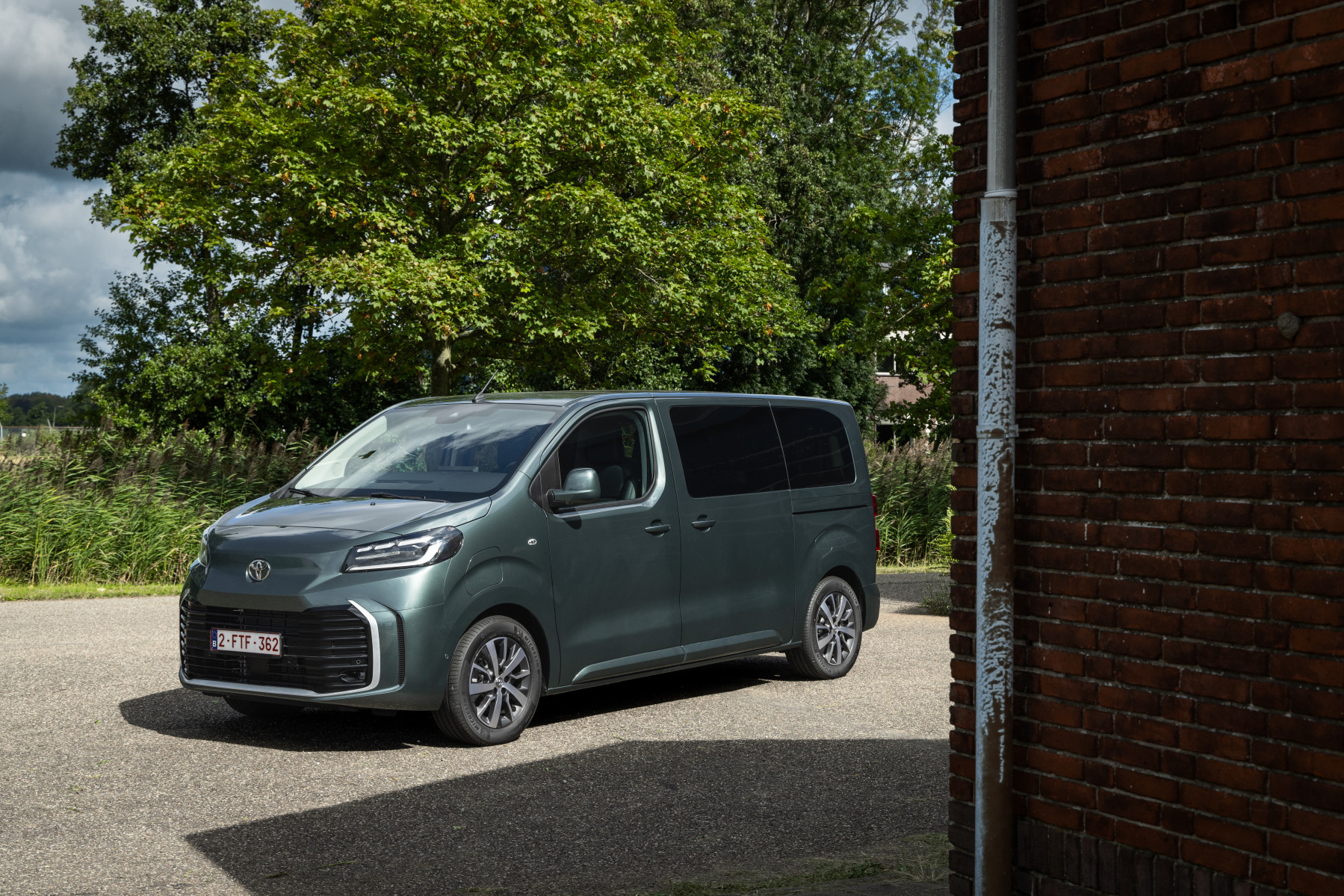
Toyota Verso: a practical family car with points to watch
The Toyota Verso, as a compact family MPV, combines space, flexibility and Toyota’s renowned reliability. However, the model has some specific problem areas, which often arise at higher mileages. From AdBlue faults to electronic defects: being well informed allows you to prevent many issues. Tackling them in good time is therefore important. Read on to discover what you should look out for as an owner or potential buyer.
Why the Toyota Verso remains popular with families
The Verso mainly attracts families who are looking for a practical vehicle with enough seats and a flexible interior. The model optionally offers seven seats, a generous boot and a commanding driving position. Toyota’s reputation for durability plays an important role in the purchasing decision.
In practice, owners report that certain components are vulnerable. The Toyota car problems have their own specific patterns, and the Verso is no exception. It is important to recognise these weak spots at an early stage.
The Verso’s reliability score (reliability index) is 7.2. This points to a reasonably solid car with some points of concern. Most complaints relate to engine maintenance (29.73%), electrical systems (21.62%) and the gearbox (13.51%). These figures indicate where you as an owner should be extra alert.
‘ Minor faults can otherwise grow into costly repairs. ’
AdBlue system: early failures in town driving
The AdBlue system on the diesel versions shows weakness at an early stage, often between 15,000 and 20,000 kilometres. Vehicles that mainly do short trips in urban traffic are most affected. Warning messages on the dashboard and a noticeable loss of power are typical signals.
The system does not work optimally during short journeys, and that is where the problem starts. The temperature does not get high enough, so the cleaning process does not run correctly. Making regular longer trips is important, as this helps to keep the system healthy.
Have the AdBlue system checked at your regular service. Timely diagnosis is important. Otherwise, minor faults can grow into costly repairs. Replace defective sensors or injectors immediately to prevent further damage.
Rough engine running and oil consumption
Some owners report problems at higher speeds. The engine then feels rough. This is often caused by incorrect tightening torque for the injector clamp bolts. Check that these have been tightened to factory specifications and replace any damaged parts.
Certain engines regularly show light oil consumption. This is not always a sign of a major problem, but it does merit monitoring. Check the oil level regularly and top up between services when necessary. Pay attention to whether consumption increases, as this may indicate worn piston rings or valves.
Start–stop system fails after several tens of thousands of kilometres
The Verso’s start–stop system often develops problems after 25,000 to 40,000 kilometres. Defective battery sensors or a failing small auxiliary battery are usually the root cause. The system then remains deactivated, which increases fuel consumption and reduces comfort.
The auxiliary battery can already show its first signs of weakness after 25,000 to 30,000 kilometres, while the battery sensor sometimes fails after only 20,000 kilometres. Vehicles that are heavily used in town traffic suffer the most, as the system is constantly being activated and stressed.
In the event of faults, first have the auxiliary battery checked, then the sensor. Both components can be replaced without having to touch the main battery. To avoid overloading the system when you do frequent short trips, occasionally make a longer journey.
‘ Diagnosis requires specialist knowledge. ’
Electronic faults and engine management
Electrical issues are the second most common type of complaint with the Verso. Faults in the engine management system can lead to unexpected warning lights. The car can also switch to a safety mode (limp-home mode), in which performance is reduced.
Blocked exhaust gas recirculation (EGR) pipes are a known cause. This leads to inaccurate sensor readings and therefore incorrect commands being sent to the engine. Diagnosis requires specialist knowledge, because the symptoms can sometimes be misleading.
Parking sensors often fail after 30,000 to 50,000 kilometres. Dirt or moisture is the usual culprit. Clean the sensors regularly, especially after periods of rain or in muddy conditions. Replacement is straightforward and relatively inexpensive compared to other electronic repairs.
Engine management costs usually around 390 euros
Electrical repairs usually cost around 390 euros. This amount varies widely depending on the specific component and the complexity of the diagnosis. Sensor failures are often affordable, whereas engine management problems can be significantly more expensive.
MMT gearbox: complex and costly faults
The semi-automatic MMT gearbox is prone to faults. Defective actuators and clutch issues occur regularly, and stiff gear changes are also common. These problems require specialist diagnosis and repair, which drives up the costs considerably.
A gearbox repair costs on average around 920 euros. MMT technology combines a manual gearbox with automated control, which increases complexity. Gear-change components wear faster in this system than they generally do in a fully automatic gearbox.
At the first signs of stiff shifting or unusual noises, it is wise to visit a specialist workshop. Minor problems can quickly escalate into total gearbox failure. Explicitly ask about experience with MMT systems before you have a diagnosis carried out.
Air conditioning and cooling system need attention
The air conditioning compressor often fails, typically after 60,000 to 80,000 kilometres. Loss of refrigerant is a common cause, and failure of the magnetic clutch also occurs regularly. The air conditioning can also cause problems with the start–stop system due to the extra load on the electrical system.
Leaks in the cooling system usually arise after 70,000 to 90,000 kilometres, mainly at hose connections and the radiator. Check the coolant level regularly and inspect the hoses for cracks or weak spots. A small leak can quickly lead to overheating.
During servicing, have the air conditioning refrigerant pressure checked and topped up if necessary. Replace old hoses as a preventive measure. This helps prevent breakdowns on the road and the associated expensive recovery costs.
‘ Shock absorbers wear faster than on comparable models. ’
Brakes and rear axle: premature wear
Brake noise often appears after 40,000 to 60,000 kilometres. Premature rear brake wear is also common. Owners also report excessive tyre wear, which may indicate alignment issues or defective suspension components.
During routine servicing, check the thickness of the brake discs and the condition of the brake pads. Also look for uneven wear, which points to problems with the callipers or the suspension. If the tyres are wearing unevenly, have the wheel alignment checked.
The suspension system can show problems early on. Shock absorbers wear faster than on comparable models, and anti-roll (stabiliser) links also suffer from early wear. Average repair costs are around 809 euros, depending on the specific parts.
Central locking system and interior noises
The central locking system often fails after 50,000 to 70,000 kilometres. Defective door motors are usually to blame. This leads to creaking noises when opening and closing the doors, as well as functional problems with the locking mechanism.
Interior noises are a recurring point of criticism. Creaks often arise from loose clips or worn rubber seals, and rattles have the same causes. The third generation (2013–2018) generally performs better than earlier models thanks to improvements in assembly.
Windscreen washer jets regularly fail due to blocked nozzles or a defective pump. Replacement is simple and inexpensive. Clean the jets regularly to prevent blockages.
Hybrid versions and specific points of attention
The hybrid versions can suffer from battery issues, typically after 80,000 to 100,000 kilometres. Frequent short trips put extra strain on the battery, as the system does not operate optimally during constant short stops and starts.
The hybrid technology combines a combustion engine with an electric motor and a traction battery, which increases complexity and the number of potential failure points. Diagnosis and repair require specialist knowledge and equipment, which raises the costs.
During routine servicing, have the battery condition checked. Many modern diagnostic tools can read out charge cycles and capacity. Early signs of reduced performance give you the chance to act preventively.
‘ Toyota acknowledges these problems. ’
Recalls and manufacturing defects
Toyota has carried out several recalls for the Verso. In a recall, the manufacturer invites owners to return their cars for a free repair. Use the vehicle identification number (VIN/chassis number) to check whether your car is affected by outstanding recall work. Dealers carry out these repairs free of charge, provided your car falls within the relevant production period.
Known manufacturing defects mainly concern the AdBlue system. Start–stop electronics and specific engine management problems also occur. Toyota acknowledges these issues and in many cases offers extended warranties or goodwill arrangements.
Contact an official dealer if you suspect that a problem is covered by warranty or a recall. Keep all service and repair documentation carefully. Dealers often require that at least 80 percent of the prescribed services have been carried out.
Preventive maintenance extends service life
Regular servicing in line with Toyota’s maintenance schedule prevents many common problems. Pay extra attention to the AdBlue system, the auxiliary battery and electrical sensors, and check the cooling system and brakes at every service.
Take regular longer trips to bring the AdBlue system up to temperature, and allow the engine to reach full operating temperature. This prevents blockages and increases the service life of components that reduce emissions. Short urban journeys put disproportionate strain on the car.
Replace wear parts in good time, even if they are not yet completely worn out. Old hoses, belts and filters can fail suddenly and cause consequential damage. The investment is minor compared with the costs of a stranded vehicle and recovery.
Buying advice for a used Toyota Verso
With a used Verso, first check the complete service history. Missing service records or large gaps in servicing are red flags. Ask about specific repairs to the AdBlue system, the gearbox and electrical components.
Test the start–stop system thoroughly during a test drive. Switch the system on and check whether it really activates when you come to a standstill. Listen for unusual engine noises and watch for any warning lights on the dashboard.
Inspect the underside of the car for signs of leaks from the cooling system and the engine. Check the tyres for uneven wear and ask whether the wheel alignment has been done recently. Test all electrical functions, including the central locking and parking sensors.
Checklist for the test drive
- Start–stop system operates correctly
- Gearbox shifts smoothly without hesitation
- No warning lights on the dashboard
- Air conditioning works and blows cold
- Brakes without unusual noises or vibrations
- Central locking responds on all doors
- No interior noises on uneven surfaces
‘ A full service history and regular checks of vulnerable components make the difference between years of driving pleasure and expensive breakdowns. ’
The Toyota Verso requires conscious choices
The Verso offers families a practical solution with plenty of space and flexibility, but it also has specific weak spots that occur structurally. AdBlue issues, electronic faults and MMT transmission problems demand vigilance and timely maintenance.
The reliability index score of 7.2 shows a car that is not entirely trouble-free, but the Verso remains manageable with correct maintenance. Engine work costs on average 732 euros, gearbox repairs about 920 euros and electrical problems around 390 euros. These amounts are substantial, but predictable.
Those who consciously choose a Verso and act proactively at the first signs of trouble can enjoy this family vehicle for many years. Do not ignore warning signs and contact a specialist workshop in good time. A full service history and regular checks of vulnerable components make the difference between years of driving pleasure and costly breakdowns.