
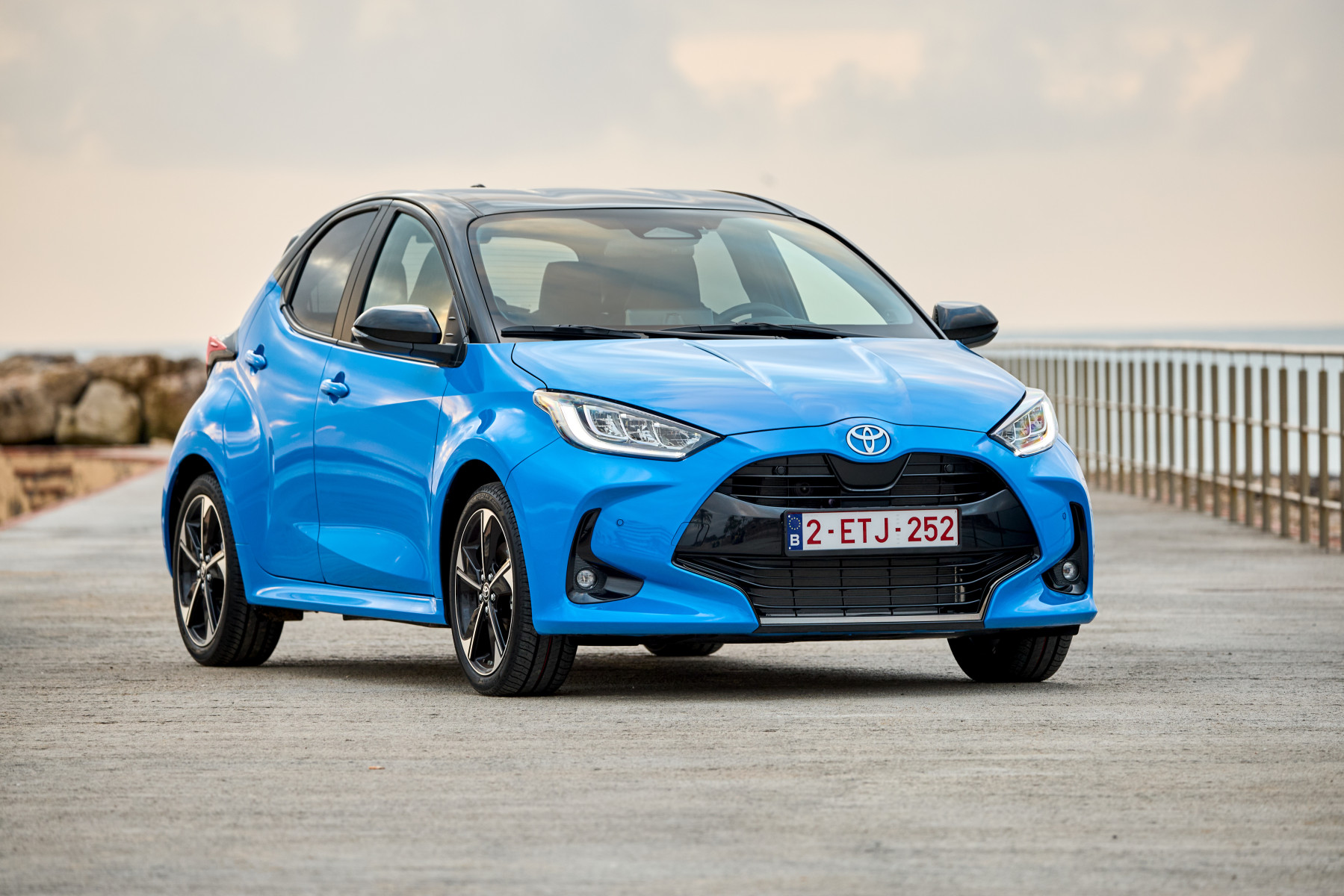
Toyota Yaris: compact, reliable yet not without concerns
The Toyota Yaris is known as one of the most reliable subcompact cars on the market, with an impressive rating of 4.5 out of 5.0 and relatively low maintenance costs of an average of €333 per year. Even so, owners of different generations report specific problems that you should be aware of as a potential buyer or current owner. From failing engine mounts in older manual models to battery failures in recent hybrids, no car is perfect. But which issues really deserve your attention and how do you avoid expensive repairs?
Reliability with caveats
For years Toyota has built a rock-solid reputation for durability and low failure rates. The Yaris fits that image well, with studies showing that only 6% of repairs on this model are classified as serious. Many owners report that repairs are completed within a day. However, this does not mean that the Yaris is free of defects. Certain model years show patterns of recurring problems, ranging from minor irritations to safety risks. For a complete overview of all known Toyota car problems, take a look at the brand-specific weaknesses.
‘ These signs point to tired engine mounts that need proactive replacement to prevent further damage. ’
Which engine problems occur with the Yaris?
Engine problems with the Yaris are relatively rare, but certain complaints keep recurring. The most frequently reported issue concerns failing engine mounts, especially in manual models from 2007–2010, 2012 and 2014. A worn engine mount causes noticeable vibrations and rattling during acceleration or gear changes. In some cases, oil leaks occur around the damaged mount.
This problem often manifests itself around 160,000 kilometres and can make steering considerably more difficult. In older models with the D4 engine, produced up to 2000, owners report vibrations when starting or during sudden changes in speed. These signs point to tired engine mounts that need proactive replacement to prevent further damage.
Another reported problem is the check engine light that starts flashing for no obvious reason, especially in 2007 models around 85,000 kilometres. This can be accompanied by faults in the accelerator system. Although this occurs less frequently, it is advisable to have it checked immediately.

Transmission and clutch: where are the weak spots?
The automatic transmission of the 2009 Yaris shows specific signs of wear. Owners report grinding noises while shifting, a burnt smell and delayed response when changing gear. In many cases the transaxle thread shaft (the threaded link between the gearbox and drive shaft) turns out to be worn, which calls for a targeted repair. These problems do not only occur at high mileages, but sometimes already with relatively young cars.
In manual models from 1999–2005, clutch wear is a known problem. Urban driving with lots of stop-start situations accelerates wear of the clutch plate. An early sign of clutch problems is uneven tyre wear, which points to irregular power delivery during gear changes. When buying a used car, check the clutch thoroughly, especially if the car has mainly been used in an urban environment.
Steering system: why do you sometimes lose control?
The electric power steering of 2010 models shows a notable problem. The system activates randomly, often already around 32,000 kilometres, without any clear cause being found. This can make the steering behaviour unpredictable and requires immediate inspection by a specialist.
A more serious safety risk occurs with 2015 models with cruise control. The system can suddenly accelerate. In other cases, it does not respond to the brake pedal. This problem occurs at low mileages and has in some cases led to dangerous situations. If you are considering a 2015 model, this is a crucial point to pay attention to during the test drive.
Replacing engine mounts: timing is crucial
To prevent steering problems caused by defective engine mounts, preventive replacement around 100,000 kilometres is sensible. This relatively simple maintenance can prevent costly repairs and unsafe situations. During servicing, specifically ask about the condition of the engine mounts, especially in manual models from the risk periods mentioned.
‘ These can explode when activated and spread dangerous metal fragments. ’
Airbags: a safety issue in older models
The 2008 Yaris was subject to several recalls between 2016 and 2019 due to defective airbag inflators. These can explode when activated and spread dangerous metal fragments. When buying a 2008 model, check whether all recalls have been carried out. This information can be requested via the registration number through official channels.
Hybrid-specific problems: the battery as weak link
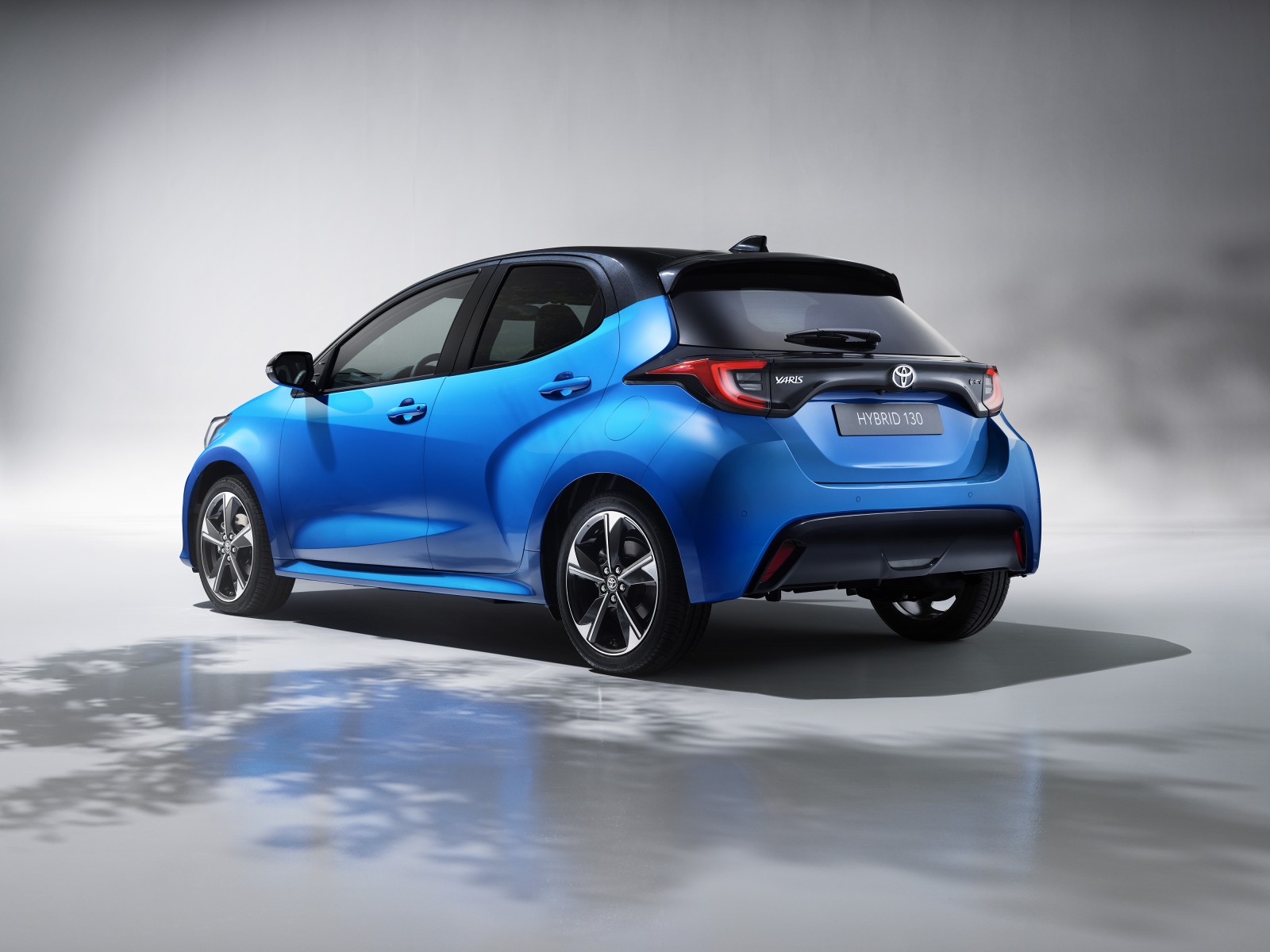
Since 2020, the Yaris has also been available as a hybrid. The most commonly reported problem with this version is failure of the 12V battery. No fewer than 15% of hybrid owners report this issue, which often results in a completely immobilised car. This is remarkably high for a relatively new model and demands extra attention.
In addition to the problems with the battery, there have been several recalls for 2020–2022 models. The eCall system, which should alert emergency services in the event of an accident, sometimes fails. Headlights sometimes do not switch on as expected. The radar sensor for safety systems is not always calibrated correctly. When buying or leasing a nearly new hybrid, check whether all recalls have been dealt with.
What does hybrid maintenance cost?
Owners of hybrid models report unexpected costs of up to €200 for repairs to the electrical system. In addition, waiting times for specific parts are sometimes long. When buying, consider an extended warranty for hybrid components to limit financial risks.
Chassis and suspension: comfort issues and wear
In models from before 2002, premature wear of shock absorbers is a known problem. This results in reduced comfort, especially on uneven roads, and can lead to uneven tyre wear. During the test drive, check whether the car responds in a stable and controlled way to bumps and corners.
Ball joints and wheel bearings are generally not a weak point in the Yaris, but regular checks during the MOT remain important. Play in the chassis can develop subtly and only become noticeable once bigger problems arise.
‘ Don’t delay this – it directly affects safety. ’
How do you prevent brake problems?
The braking system of the Yaris is generally reliable, but it does require regular maintenance. Brake discs and pads wear out with normal use and must be replaced in time. In 2020–2022 models, there have been reports of ABS sensors not working correctly, which can affect the performance of the anti-lock braking system.
Have the braking system checked annually, especially if you use the car intensively in urban traffic. Squeaking or grinding noises when braking are signs that replacement is needed. Don’t delay this – it directly affects safety.

Bodywork and paint: small annoyances with big consequences
In 2007 and 2010 models, premature paint peeling is a frequently reported complaint. This often starts as small spots but can lead to rust if not treated. Protect the paintwork preventively with a quality wax and repair damaged areas immediately to prevent rust.
Inside, owners report that plastic parts scratch relatively quickly and that bumpers are prone to scuffs. Door seals can start leaking over time, causing wind noise. These issues do not affect reliability, but they can be annoying.
Preventive maintenance: how do you keep the Yaris in good health?
The best strategy to avoid expensive repairs is proactive maintenance. Replace engine mounts in manual models at around 100,000 kilometres, have the transmission checked regularly for wear and keep an eye on the condition of the clutch if you drive mainly in town. For hybrid models, checking the 12V battery at every service is sensible.
Protect the paint by washing and waxing regularly, especially if the car is parked outside. Check the tyres for uneven wear every time you refuel. This can point to problems with the clutch, suspension or wheel alignment. These simple checks take little time but can prevent a lot of hassle.
Stick to the service schedule
Follow Toyota’s recommended service intervals strictly. The low annual maintenance costs of an average of €333 make it financially feasible to have regular servicing carried out. This prevents small issues from developing into expensive repairs.
‘ The 2007 model has received the highest number of complaints, with 399 reports to the US safety authority NHTSA. ’
Checklist for buying a used Yaris
During the test drive, check whether any vibrations occur when accelerating or changing gear, as this indicates problems with the engine mounts. Test the cruise control and brakes thoroughly, especially in 2015 models. Listen for strange noises while shifting that may point to transmission issues.
Ask for the full service history and check whether all recalls have been carried out. This applies particularly to 2008 models because of airbag issues and 2020–2022 hybrids with various recalls. In manual models, an inspection of tyre wear is a good indicator of the clutch’s condition.
Check the digital dashboard and all electrical functions such as windows, lighting and infotainment. For hybrids, specifically ask about the history of the 12V battery and any recent problems. Test the headlights and eCall systems where fitted.
Specific model years to be cautious about
The 2007 model has received the highest number of complaints, with 399 reports to the US safety authority NHTSA. Problems with the check engine light, peeling paint and steering issues are the most common there. The 2008 model because of its airbags, 2010 due to power steering and transmission, and 2015 because of cruise control problems also deserve extra attention.
For 2020 and newer hybrids, the defect rate is around 20%, mainly due to battery failures and recalls. For these models, ask for proof that recalls have been carried out and for information on the current condition of the electrical system.
Is the Toyota Yaris a smart choice?
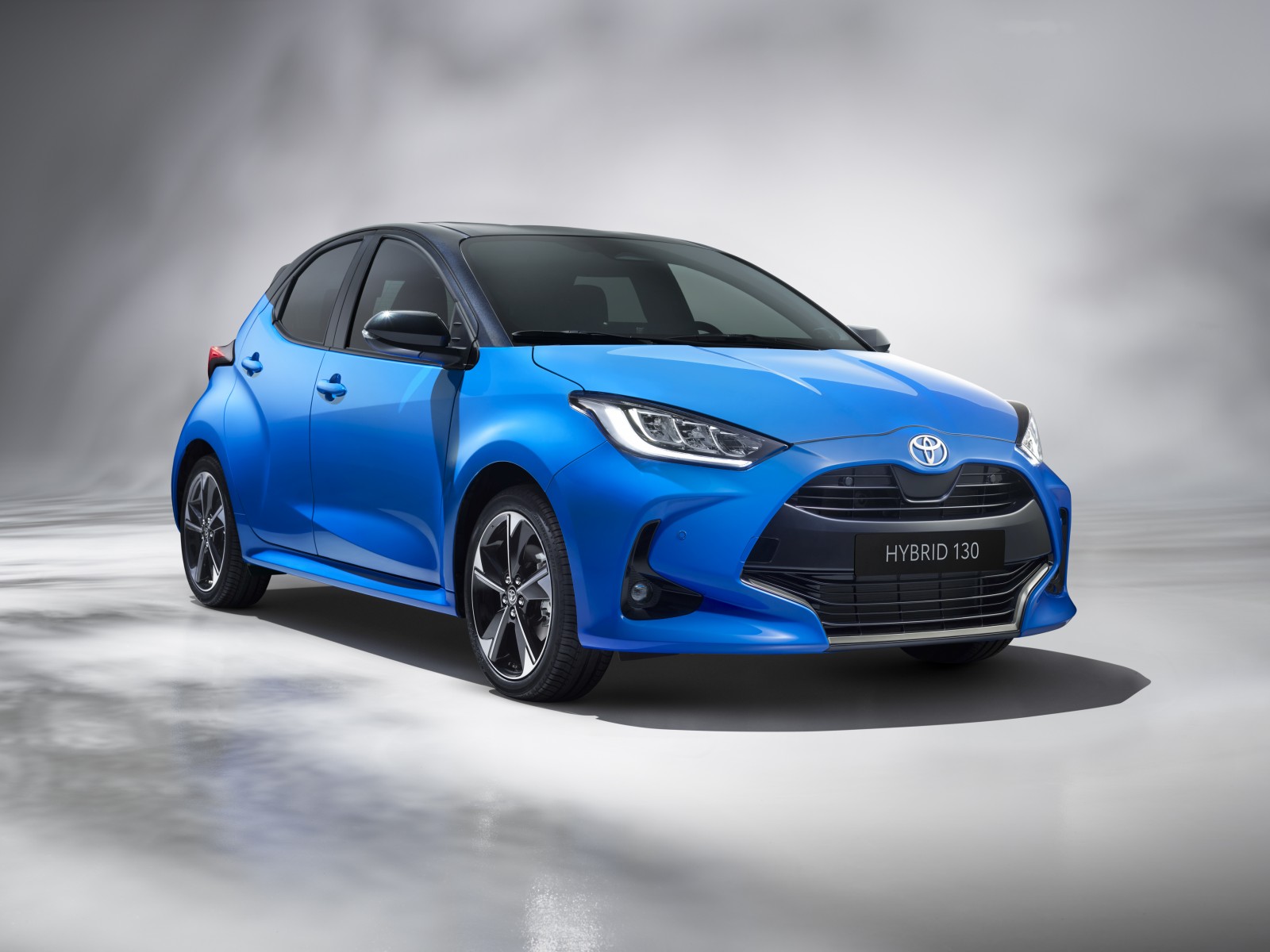
The Toyota Yaris remains one of the most reliable choices in the subcompact segment. With the right knowledge of model-specific points of attention and proactive maintenance, this is a car that will last a long time at low cost. Its weak spots are well known and can often be prevented or resolved with targeted checks.
For beginners and drivers on a tight budget, the Yaris offers an excellent balance between purchase price, maintenance costs and reliability. Avoid the most problematic model years, have a thorough inspection carried out before purchase and follow the recommended maintenance schedule. That way you can enjoy years of worry-free driving in this popular Japanese car.