
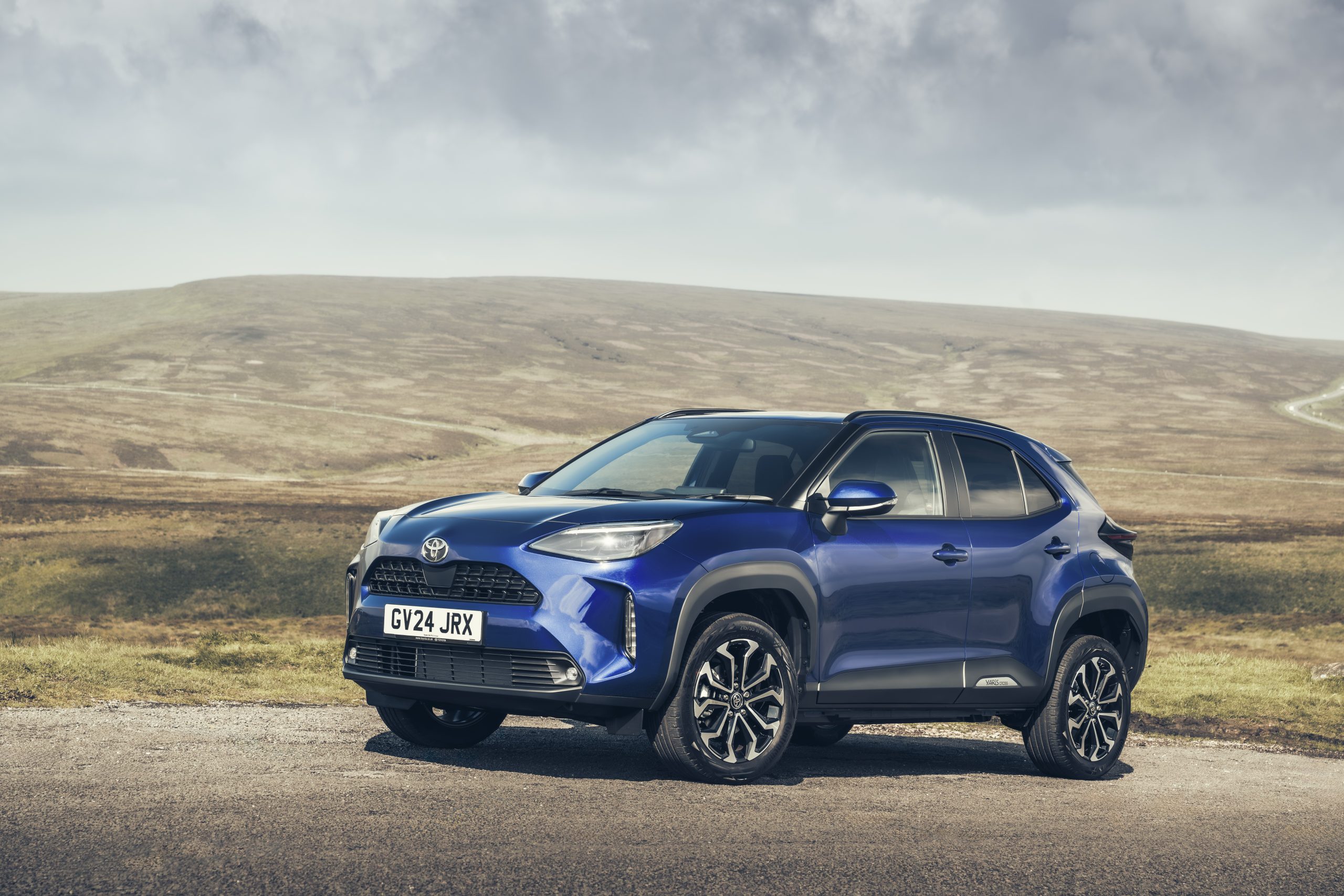
Toyota Yaris Cross: reliability and known problems
The Toyota Yaris Cross is a reliable hybrid SUV with a strong reputation for durability and safety, although this model does have a few specific points of attention that owners can encounter. While Toyota as a brand scores highly on reliability, owners of the Yaris Cross report issues such as a weak 12V battery, a clogged particulate filter and interior noise at higher speeds. These complaints do not affect every car. They occur often enough to take them seriously. Want to know what to look out for and how to prevent these problems?
Toyota’s reputation as a starting point
Toyota has been known for decades for durable cars with low breakdown figures. The brand consistently scores highly in owner surveys and reliability rankings. This reputation has been built with models such as the Corolla and Yaris, which use proven technology and are conservatively developed. The Yaris Cross fits that mould and shares its platform and hybrid powertrain with the Yaris hatchback.
This basis gives the Yaris Cross a solid foundation. Owners can rely on familiar technology backed by many years of experience. There are differences between models within the Toyota range. Every new model has a learning curve. For many car enthusiasts it is therefore useful to know the car problems Toyota generally suffers from. That allows you to pay more focused attention to recurring patterns within the brand.
‘ The expected reliability is therefore generally high. ’
Overall reliability of the Yaris Cross
The Yaris Cross has been on the market since 2021 and is built on the GA-B platform. This platform is also used for the Yaris hatchback, which means many components have been thoroughly tested. The hybrid system combines a 1.5 three-cylinder petrol engine with an electric motor and an e-CVT transmission, technology that Toyota has been using for years.
The expected reliability is therefore generally high. The car has achieved a five-star Euro NCAP score with high ratings for safety and driver assistance systems. In terms of build quality, the interior usually receives good reviews, although owners sometimes point out harder plastics in the dashboard. The hybrid battery normally lasts a very long time, and maintenance is limited because there is no traditional gearbox with a clutch.
Problems with the 12V battery
A commonly reported problem with the Yaris Cross is a weak 12V battery. This battery is not the large hybrid battery, but the smaller auxiliary battery that powers the electronics and starting system. Many owners report that the car will not start after standing still for a few days or after lots of short trips. The cause is that the hybrid system does not sufficiently charge the 12V battery during short journeys or when the car is rarely used.
The original battery often has too little capacity for the power consumption of modern electronics such as keyless entry systems. This problem is more common on versions with keyless entry (such as Excel or GR). The starting problem is then preceded by warnings on the dashboard or a completely flat battery after a few days parked.
The solution is to upgrade to a higher-capacity battery. This upgrade can be requested under warranty from the dealer. In addition, using a battery conditioner helps if the car will stand still for longer than a week. Also avoid driving only short trips and plan a longer trip regularly so the battery can charge sufficiently.
Clogging of the particulate filter
On petrol versions of the Yaris Cross, the petrol particulate filter (PPF or GPF) can become clogged. This filter traps soot particles to reduce emissions. With short journeys or infrequent use, the filter does not reach the required temperature and cannot regenerate. The blockage leads to a loss of power, which can be dangerous especially on the motorway.
Cars with low mileage are more vulnerable to this problem. The filter needs a regular drive at higher speed to regenerate. If that doesn’t happen, soot keeps building up. In severe cases the filter can become completely blocked, leading to limp mode or an engine fault.
The best prevention is a weekly drive of at least 20 to 30 minutes at higher speed. This allows the filter to burn itself clean. When buying a used Yaris Cross, it is wise to choose a car with average annual mileage rather than a very low mileage, as the latter category carries an increased risk.
‘ This problem is not necessarily a defect, but rather a design choice that saves costs. ’
Interior noise at higher speeds
Some owners report a lot of cabin noise at speeds above 100 km/h. This is due to limited sound insulation and the slightly higher seating position of the SUV body. Wind noise and tyre noise are therefore audible, especially on longer motorway journeys. This problem is not necessarily a defect, but rather a design choice that saves costs.
The impact varies by owner. Some find it acceptable, others choose to drive more slowly. It helps to check tyre pressures regularly and to make sure door and window seals close properly. Some owners consider aftermarket sound-deadening mats, but that may affect the manufacturer’s warranty.
Engine and hybrid system
The 1.5 three-cylinder petrol engine and the hybrid system of the Yaris Cross are generally very reliable. Major failures are rare. However, vibrations or an uneven idle are sometimes reported, which can point to worn engine mounts. This issue is similar to that on the Yaris hatchback and can occur over time.
The hybrid battery itself normally lasts a very long time and is covered by an extended warranty of eight years or 160,000 kilometres. Problems with the hybrid powertrain are therefore exceptional. Make sure the car is used regularly, as long periods of standing still can strain the 12V battery and thus indirectly affect the hybrid system.
Transmission and drivetrain
The e-CVT transmission of the Yaris Cross is a planetary gearset without traditional gears. This design is simple and low-maintenance. Failures are rare. Some owners do report a slight droning noise under acceleration, which is typical for this type of transmission and does not indicate a defect.
Models with four-wheel drive have an additional electric motor on the rear axle. This system operates automatically and requires no extra maintenance. So far, no major problems have been reported with the four-wheel drive itself, although the model is still relatively young on the market.
‘ “This is common with systems of this generation and takes some getting used to for the driver.” ’
Electronics and infotainment
The multimedia system of the Yaris Cross receives mixed reviews. Some owners find the interface slow or less intuitive. Software issues such as unresponsive screen input or a lost Bluetooth connection do occur, but can usually be solved with a software update at the dealer.
The safety sensors and driver assistance systems generally work well. The adaptive cruise control sometimes brakes abruptly due to shadows on the road or unclear road markings. This is common with systems of this generation and takes some getting used to for the driver.
Chassis, brakes and suspension
The chassis of the Yaris Cross is solid and well set up for both comfort and handling. No major failures of the suspension have been reported. On older examples, wear can sometimes occur on stabiliser links or bushes. You will hear this as a knocking noise over bumps. This is normal wear and can be replaced during a service.
The brakes benefit from the hybrid system, which provides regenerative braking and puts less load on the mechanical brakes. Brake discs and pads therefore last longer. Do keep an eye on rust formation on the discs if the car is seldom used, as the mechanical brakes are then engaged less often.
Bodywork and interior
The build quality of the bodywork is solid. Rust or paint issues have not been reported as a structural problem. The interior is functional, but uses harder plastics in places. Some owners point out creaking noises in the dashboard over time. This mainly occurs with temperature fluctuations. It is something to be aware of, but not a defect that affects functionality.
The fabrics and upholstery are generally durable. Wear has so far remained limited, even with intensive use. It is advisable, however, to clean the upholstery regularly and treat it with suitable products to maintain its condition.
‘ These are usually reported via the dealer and do not cost the owner anything. ’
Known recalls
So far there have been no major, large-scale recalls for the Yaris Cross. Specific production series have occasionally been subject to small recalls, for example for software faults or a loose fixing. These are usually reported via the dealer and do not cost the owner anything.
Keep an eye on the Toyota or RDW website for current recalls. If in doubt, the dealer can check by using the chassis number whether your car is involved in a recall.
Preventive maintenance and tips
Preventive maintenance keeps the Yaris Cross in top condition. Follow Toyota’s maintenance schedule, which is based on a service every 15,000 kilometres or once a year. If you mainly drive short trips, yearly servicing is recommended regardless of mileage.
In addition, these are the main points of attention:
- Check tyre pressures regularly and rotate tyres if necessary to keep wear even.
- Use a battery conditioner if the car will stand still for longer than a week to protect the 12V battery.
- Plan a longer drive once a week to allow the particulate filter to regenerate.
- Keep fluid levels such as screenwash and coolant topped up.
- If you notice warning lights or unusual noises, have a diagnosis carried out immediately.
Warranty and service
The Yaris Cross comes with a standard warranty of three years or 100,000 kilometres. The hybrid battery has an extended warranty of eight years or 160,000 kilometres. Toyota also offers the option to extend the warranty through the Relax programme, provided the car is serviced at an authorised dealer.
Customer satisfaction with Toyota dealers is generally high. Owners appreciate the quick handling and clear communication. In the event of problems with the 12V battery or the particulate filter, the dealer can offer a solution under warranty, provided the problem is reported in good time.
What to check when buying
If you are considering buying a Yaris Cross, pay attention to the following points:
- Check that the car starts easily and that there are no warning lights illuminated on the dashboard.
- Ask for the service history and check that all service intervals have been followed.
- Take a test drive in town traffic as well as on the motorway to assess the particulate filter and interior noise.
- Check whether there are any outstanding recalls for the specific chassis number.
- With used examples, be cautious of very low mileage, which carries an increased risk of battery issues and filter blockages.
- Check the condition of the tyres and look for uneven wear.
Comparison with competitors
In the compact SUV segment, the Yaris Cross competes with models such as the Renault Captur, Nissan Juke and Hyundai Kona. In terms of reliability, the Yaris Cross generally scores better than the French competition. Renault and Peugeot have a mixed reputation when it comes to electronics and transmissions.
The Hyundai Kona and Kia Stonic offer a longer warranty of seven years, which is an advantage. The reliability of these Korean brands has improved significantly in recent years. Even so, Toyota has the longest track record with hybrid technology, which can be reassuring for buyers specifically choosing a hybrid.
The Yaris Cross stands out thanks to its hybrid powertrain and low fuel consumption figures. Models such as the Juke are usually only available with petrol or turbo engines, which are less economical. For those who mainly drive in town and on commuter routes, the Yaris Cross is a practical and economical choice.
The Yaris Cross as a reliable choice
The Toyota Yaris Cross is a reliable hybrid SUV suited to owners who value low running costs and durability. The known issues such as the weak 12V battery and particulate filter clogging can be reduced with good maintenance and conscious use. The interior noise is a design choice you need to be aware of, but not a technical fault.
The overall reliability of the platform, the hybrid system and Toyota’s many years of experience with this technology make the Yaris Cross a safe choice in its segment. Ensure regular maintenance, avoid driving only short trips and keep an eye on the 12V battery. Then the Yaris Cross will deliver many years of carefree driving pleasure.