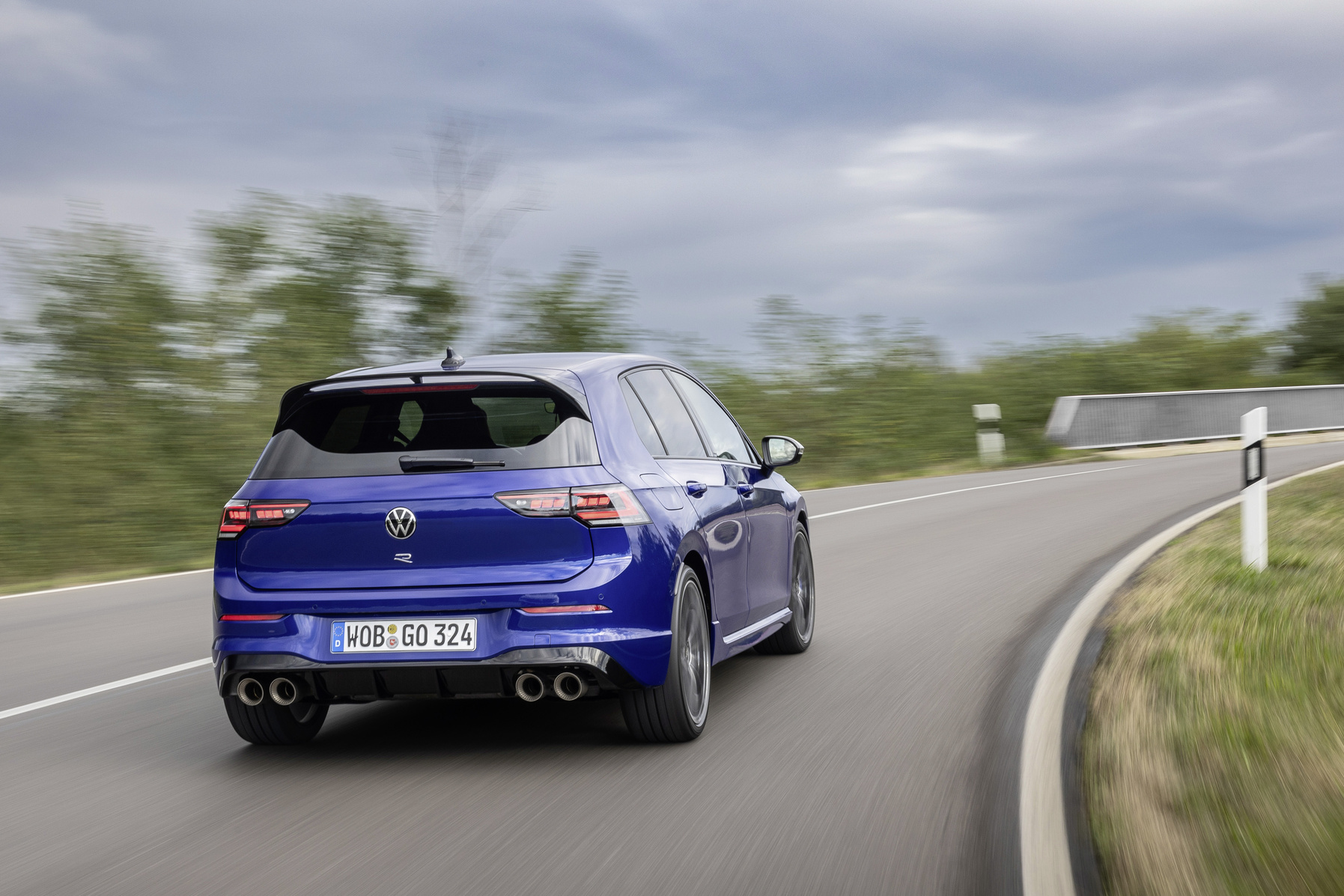
Volkswagen Golf: an icon with a manual
The Volkswagen Golf has been an undisputed favourite on Dutch roads for decades – and with good reason. Its popularity is due to a well-balanced combination of practicality, comfort and reliability, but that does not mean the Golf is free from known issues. Anyone considering buying a Golf, or already owning one, would do well to know that certain problems, from engine to electronics, occur more frequently. Read on and discover the points of attention that come with this bestseller.
General overview: are Volkswagen Golfs prone to problems?
The Volkswagen Golf has a solid reputation, but it is certainly not immune to technical faults. Reliability varies greatly by generation and engine type. In particular, models from the early 2000s (Golf 4 and 5) suffer from specific age-related issues such as rust and electrical faults. Later generations (Golf 6 and 7) with the first TSI engines and DSG automatics have their own, often costly, weak spots. Although many problems can be prevented with good maintenance, it is wise to be aware of the specific Volkswagen car problems that can crop up with this model.
‘ Timely replacement of the chain and tensioners is the only solution. ’
Common engine problems with the Volkswagen Golf
The engine is the heart of the car, but in the Golf this heart can sometimes misbehave. The TSI petrol engines in particular have a number of known weaknesses that you, as an owner or buyer, should be alert to.
TSI timing chain tensioner issues
One of the most talked-about problems with the 1.2 and 1.4 TSI engines (mainly built between 2008 and 2012) is the timing chain. The chain tensioner can lose its tension, or the chain itself can stretch. A clear symptom is a rattling noise on a cold start. If you ignore this, the chain can jump or break, resulting in serious engine damage. Timely replacement of the chain and tensioners is the only solution.
Water pump leaks
Water pump leaks occur regularly on both TSI and TDI engines. This component, often combined with a magnetic clutch, can start to leak, leading to coolant loss and engine overheating. Watch out for sweet smells and check the coolant level. A faulty water pump must be replaced as a complete unit.
EGR valve faults
Diesel engines (TDI) in particular can suffer from problems with the EGR valve (Exhaust Gas Recirculation). This valve becomes clogged with soot, meaning it no longer opens or closes properly. Symptoms include jerky running, loss of power and an illuminated engine warning light. Cleaning can sometimes be a temporary fix, but in many cases the valve needs to be replaced.


Transmission and clutch problems: automatic versus manual Golf
The gearbox is another component of the Golf that deserves attention, especially the much-praised but far from flawless DSG automatic.
Problems with the DSG transmission
Volkswagen’s Direct Shift Gearbox (DSG) shifts quickly and smoothly, but it also has its weaknesses. The 7-speed DSG with dry clutch (DQ200), used in many lower-powered engines, is particularly prone to faults. Problems with the mechatronics unit, the control unit of the gearbox, are common and manifest themselves as jerky gearchanges, gears dropping out, or a transmission that refuses to work altogether. The clutches themselves can also wear prematurely. Regular oil changes are essential but cannot prevent all problems.
Wear in manual clutches
Manual Golf models are generally more reliable, but here too the clutch is a wear item. In cars that are driven a lot in the city or have had a hard life, the clutch may be worn. Watch for a clutch pedal that bites high, or a slipping clutch when accelerating. Many models are also fitted with a dual-mass flywheel which, when worn, can cause vibrations and is expensive to replace.
Electronic faults and sensors that cause headaches
Modern cars are packed with electronics, and the Golf is no exception. Unfortunately, this also leads to a range of potential faults. Problems vary from harmless software glitches in the infotainment system to failures of sensors that affect safety and driving characteristics. Defective ABS sensors are a common issue and cause the ABS and ESP warning lights to come on. Lambda sensors and other engine management sensors can also fail, resulting in higher fuel consumption and poorer performance.
‘ These defects not only reduce driving comfort, but can also put safety at risk. ’
Suspension and chassis: issues that affect ride comfort
The Volkswagen Golf’s chassis is known for its comfortable yet stable handling. As the mileage increases, various wear parts can start causing problems. Worn shock absorbers and broken springs do occur, but more often it is the bushes and joints that fail. Think of worn control arm bushes, play in ball joints, or worn wheel bearings that produce a droning noise. These defects not only reduce driving comfort, but can also put safety at risk.


Rust and bodywork: what should you look out for?
Although modern Golf models are well protected against rust, older generations still require attention. Golf 4 and 5 in particular are prone to corrosion in specific areas. Always check the lower edges of the front wings, the sills (especially at the jacking points), and the edges of the tailgate around the handle and number plate lights. Rust bubbles under the paint are a sign of a deeper problem that can be expensive to repair. A thorough inspection on a lift is recommended.
What to look for when buying a used Volkswagen Golf
When you are looking for a used Golf, a thorough inspection is essential. Good preparation can save you from unexpected costs. Use a checklist to systematically go through the known weak points.
- Service history: Always ask for a complete and consistent service history. Check whether the DSG gearbox oil has been changed on time and when the timing belt (where applicable) was replaced.
- Cold start: When starting from cold, listen carefully for any rattle from the timing chain on TSI engines.
- Test drive: Test the DSG automatic thoroughly. Does it shift smoothly and without jerks, both when driving gently and more sportily? In a manual car, pay attention to the condition of the clutch.
- Electronics: Make sure all electrical systems, including the infotainment system, air conditioning and lighting, are working properly.
- Chassis: During the test drive, listen for noises such as knocking or rattling when driving over speed bumps, which may indicate worn suspension or chassis components.
- Rust inspection: Inspect the well-known rust-prone areas, such as the front wings, sills and tailgate.
‘ A small repair can prevent major, costly damage. ’
Maintenance tips to prevent common Golf problems
Good and preventive maintenance is the key to a long and relatively trouble-free life for your Volkswagen Golf. By giving the car the care it needs, you can prevent many of the issues discussed or spot them at an early stage. Stick to the prescribed service intervals and always use oil and parts that meet the manufacturer’s specifications. Be especially alert to changing the DSG transmission oil on time; this is not an area to cut costs. Listen carefully to your car and do not put off diagnosing strange noises or changes in driving behaviour. A small repair can prevent major, costly damage.

Balancing driving pleasure and maintenance
The Volkswagen Golf remains an excellent all-rounder, offering a great deal in terms of comfort, everyday usability and driving pleasure. Its popularity is no coincidence. However, it is important to recognise that no car is perfect. Potential buyers and current owners should be aware of the specific weak points that can occur with each generation and engine type. With the right knowledge, a thorough pre-purchase inspection and consistent, preventive maintenance, the Volkswagen Golf can be a reliable and enjoyable companion. The key lies in striking the right balance: enjoying the drive while staying alert to the care the car needs.