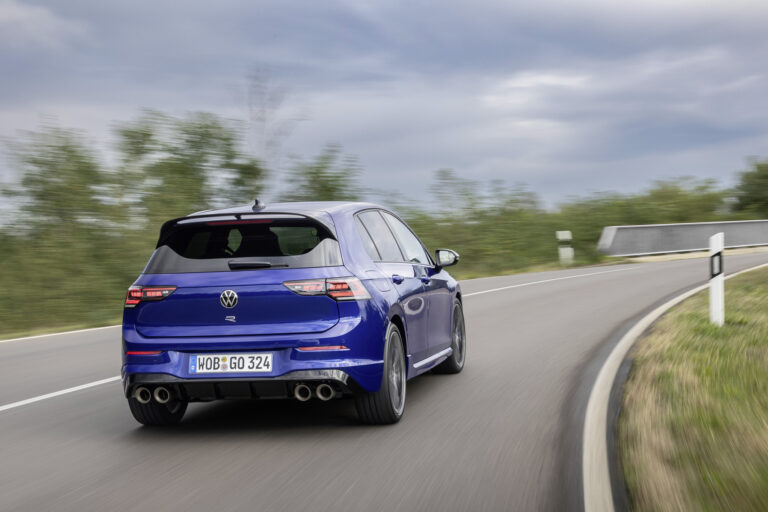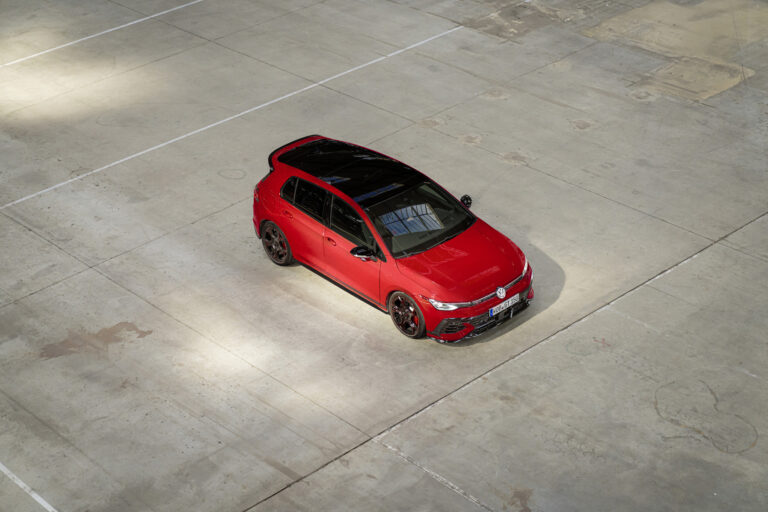
Wear on control arms, shock absorbers and steering components is a familiar story with the Golf GTI, especially if you drive it hard. Creaking noises, uneven tyre wear and knocking shock absorbers are the logical consequences of worn parts. In this article you can read which problems occur most often, what to look out for and what repairs cost.
Creaking noises often indicate worn control arm bushes
Do you hear a creaking sound from the chassis, especially in cold weather or when driving over a speed bump? Then the front control arm bushes are probably worn. This is a common issue with the Volkswagen Golf and is caused by the loads that the sporty suspension has to cope with. The bushes are part of the suspension and gradually wear out over time.
Many dealers offer lubrication as a quick fix. This works temporarily, but the creaking usually returns. You will particularly notice the problem coming back in winter or after a few months. For a long-term solution, replace the original bushes with polyurethane versions. These are stiffer and last longer. Professional replacement costs approximately 825 euros including VAT. As part of this, the control arms are removed, rebuilt and the car is re-aligned.
‘ The noise really is annoying. ’
Knocking noise from shock absorbers on the Golf VII
On some 2012 Golf VII models with at least 122 bhp, a knocking noise can occur. This is caused by the bottom valve of the rear shock absorbers. Volkswagen has confirmed that this does not affect safety. The noise really is annoying, though.
The solution is to replace the rear shock absorbers. Cars that show this problem and were built before the production update are eligible for free repair at the dealer. Check whether your model qualifies for this.
Checking for wear on a used Golf GTI
Buying a used Golf GTI? Then it is wise to have the chassis thoroughly checked. Sporty driving by the previous owner often causes extra wear. Pay attention to the following points:
- Check the control arm bushes for cracks or hardening
- Test the shock absorbers by pushing down on each corner of the car and checking whether it returns immediately
- Listen for creaking or knocking noises during a test drive on uneven roads
- Inspect the tyres for uneven wear, which can indicate incorrect wheel alignment
- Check the top mounts, as these can also cause creaking noises
Tyre wear caused by sporty driving
The Golf GTI is a powerful front-wheel-drive car, and you notice that in the tyres. With sporty driving, the front tyres in particular wear more quickly. This is due to the combination of power, steering forces and traction all being handled by the same wheels. Irregular wear also points to incorrect alignment or defective control arms.
Invest in quality tyres that are suitable for the GTI’s performance. Cheap tyres offer less grip and wear faster, especially with a powerful engine. Also keep an eye on tread depth and rotate your tyres in good time so you maintain optimal grip.
‘ Free play can be dangerous and leads to less precise steering. ’
Steering system under stress from sporty suspension
The tight, sporty suspension of the GTI gives excellent roadholding but also brings extra stress. The steering system has to work harder, especially in corners and at high speeds. As a result, components such as track rod ends and steering bushes wear out more quickly.
Do you notice play in the steering or hear a thudding noise when turning the wheel? Then have the steering system inspected. Free play can be dangerous and leads to less precise steering. Replacing worn parts in good time prevents more serious problems.

Comfort versus performance when choosing suspension setup
Many GTI owners struggle with the choice between comfort and sportiness. A firm suspension offers better handling and less body roll in corners, but also passes more shocks into the cabin over imperfections. This dilemma becomes greater when you fit large wheels, such as 19-inch rims.
Large wheels look sporty but reduce comfort. Short bumps are transmitted more sharply into the car. Think carefully about whether you want to sacrifice everyday comfort for sharper handling. A combination of upgraded suspension and quality tyres can offer a good balance.
Grip and traction in winter conditions
At temperatures below 7 degrees, the GTI’s traction decreases. This is not a defect but a limitation of front-wheel drive in cold conditions. A high-powered engine has more difficulty putting its power down via the front wheels.
Tyre type, brand, tread depth and temperature all determine grip. Winter tyres are recommended if you regularly drive in low temperatures. They offer better traction and shorter stopping distances on cold and slippery roads.
Costs for suspension and chassis repairs
Repairs to the chassis can be quite expensive, depending on what needs to be replaced. Here is an overview of common costs:
- Replacing control arm bushes: approximately 825 euros including alignment
- Replacing shock absorbers: between 400 and 800 euros per axle
- Replacing top mounts: about 200 to 350 euros per set
- Track rod ends: around 150 to 250 euros each including labour
- Full wheel alignment: between 75 and 150 euros
Always use genuine or high-quality replacement parts. Cheap alternatives wear out more quickly and can put your safety at risk.

Preventive maintenance prevents major problems
Regular checks of the chassis prevent small issues from turning into expensive repairs. Schedule a thorough inspection once a year at a garage that knows Volkswagen well. Between inspections, pay attention yourself to changes in driving behaviour or new noises.
Creaking or knocking sounds are often the first signs of wear. Do not ignore them, because worn parts can damage other components. For example, a faulty control arm can lead to uneven tyre wear or damage to the suspension.
On the Carnews website you will find much more information about common car problems, maintenance tips and practical advice for different makes and models. Discover more and keep your car in top condition.
Frequently asked questions
Creaking and squeaking noises at low speed, over speed bumps or in cold weather often indicate worn control arm bushes or top mounts. A dull knocking or thudding noise, especially at the rear, frequently points to problems with the shock absorbers (and their bottom valve). Restless, harsh ride quality on poor roads can also be caused by worn bushes or dampers. Irregular tyre wear can be an indirect symptom of suspension or alignment issues.
These problems can limit performance because grip and roadholding are reduced, especially in corners and under hard acceleration. The driving experience becomes less comfortable due to creaking and knocking noises and the harsh transmission of bumps, which can be irritating and tiring. Worn control arm bushes and top mounts can cause the car to steer less precisely and feel more unsettled. Although some complaints (such as the knocking of certain shock absorbers) do not, according to Volkswagen, directly affect safety, neglected chassis maintenance can in the long term negatively influence braking and emergency manoeuvre stability.
The most effective repair options are permanently replacing worn control arm bushes (preferably with polyurethane versions instead of simply lubricating them) and replacing defective or knocking shock absorbers and top mounts. Always have the chassis professionally aligned afterwards to optimise handling and tyre wear. As performance upgrades, stiffer polyurethane bushes, high-quality sports dampers/springs (for example a Bilstein kit) and quality tyres are the most worthwhile choices. Do bear in mind the compromise between comfort and sportiness, especially with larger wheels.
On the Golf GTI, worn or drying-out front control arm bushes are by far the most common cause of chassis and suspension problems, often noticeable as creaking or squeaking noises over speed bumps or in cold weather. In addition, (especially rear) shock absorbers and sometimes top mounts can cause annoying noises and reduced roadholding. For diagnosis and inspection by a specialist you should generally expect to pay around €100–€150. Replacing the control arm bushes including alignment costs around €800–€850, while replacing shock absorbers usually comes out between roughly €400 and €900 depending on brand and labour.