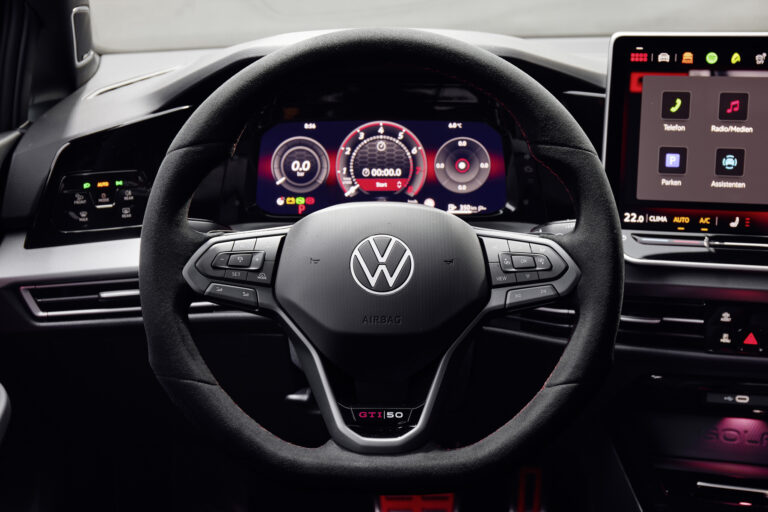
The DSG transmission in the Volkswagen Golf is known for its quick gear changes, but it also comes with a range of well-known complaints. Jerking when pulling away, hesitant acceleration and, in the worst case, limp mode are problems that regularly crop up in both new and used examples. Do you know what to look out for? In this article, you’ll read which symptoms point to a DSG fault, how to recognise the problems when buying, and what you can do if your Golf goes into limp mode.
What is a DSG transmission?
DSG stands for Direct Shift Gearbox, a type of automatic gearbox that uses two clutches to change gear very quickly. In the Volkswagen Golf, two variants are particularly common: the 7-speed dry DSG (known as DQ200) and the 6-speed wet DSG (DQ250). The dry variant works without oil around the clutches, whereas the wet variant does use it. That difference affects how they wear and what complaints they give.
In practice, the DQ200 has a fragile reputation. Mechatronic problems and clutch wear occur more often with this gearbox than with the wet variant. The DQ250 is maintenance-sensitive: if the DSG oil is not changed on time, the risk of faults rises significantly. Both gearbox types are put under extra strain in town traffic and queues, because the clutch has to shift far more often there than on the motorway.
Symptoms of a faulty DSG gearbox
DSG complaints often begin subtly. Many drivers describe a slight jerking or vibration when pulling away, also known as “judder”. This sensation usually occurs at low speed, in the first few metres after setting off, or when creeping along in traffic. The symptoms can then worsen. Below are the most common symptoms at a glance:
- Jerky or lurching gear changes, especially at low speed
- Slow or hesitant acceleration, with revs rising without the car accelerating properly
- Unusual noises such as humming, rumbling or clicking from the gearbox
- Irregular or unexpected downshifts
- Flashing PRNDS indicator or a warning light on the dashboard
- Limp mode, where the car keeps driving in one fixed gear with noticeably less power
Important to know: the symptoms are not always present. Some DSG problems are only noticeable when the transmission is still cold. Always test the car both cold and once it has warmed up.
Mechatronic failure as a common DSG cause
The mechatronic unit is the electronic heart of the DSG gearbox. It combines a hydraulic system with a control unit that manages all gear changes. If this unit fails, the driver notices immediately. Gear changes then become suddenly harsh, delayed or stop working properly altogether.
In the DQ200, mechatronic faults are among the most frequently reported problems. In more serious cases, the system can fail completely, causing the car to lose drive. Volkswagen has carried out recalls in the past for certain DSG variants, including issues with unintended shifts into neutral and incorrect temperature readings in the gearbox.
Fault codes for a DSG fault in the Golf
If the DSG gearbox detects a problem, the system stores a fault code that can be read with a diagnostic tool. Three fault codes regularly appear in the Golf:
- P1735 and P1736: indicate problems with the gear position sensor or gearbox control
- P0805: points to a fault in the clutch or clutch control
These codes are a starting point for diagnosis, not a final verdict. A qualified mechanic or DSG specialist can use the fault code and a technical inspection to determine exactly what is going on. If the car goes into limp mode, have it read as soon as possible so further damage is prevented.
What to do if your Golf goes into limp mode
Limp mode, also known as limp mode or limp-home mode, is a safety setting that the transmission activates in the event of a serious fault. The car can still drive, but it stays stuck in one gear and gives significantly less power. This is a protective measure to limit further damage.
Do the following if your Golf goes into limp mode:
- Stop safely at the side of the road if possible
- Switch off the engine and wait a minute before starting it again
- If the limp mode clears after restarting, have the car read out by a garage as soon as possible
- If the limp mode does not disappear, do not continue driving and have the car recovered or towed away
- Ask the garage specifically for the DSG fault codes to be read and for a mechatronic check
Never ignore limp mode. What starts as a temporary fault can quickly escalate into costly repair work on the clutch or the mechatronic unit.
Recognising DSG problems in a used Golf
Buying a used Golf with a DSG gearbox requires extra attention during the test drive. Many complaints are not visible during gentle driving, but do appear in specific conditions. During the test drive, watch out for the following:
- Jerking or vibration when pulling away from a standstill
- Hesitant gear changes between first and third gear
- Irregular response when accelerating briskly
- Noise from the gearbox at low speed
Also test the car when cold, before the engine has fully reached operating temperature. Some DSG complaints only become noticeable then. Always ask about the service history of the DSG oil, any repairs to the gearbox, and whether any software updates have been carried out by Volkswagen. A car without a DSG service history is a risk.
More VW Golf problems on Carnews
On the Carnews website you’ll find much more information about known problems, buying tips and ownership experiences for the Volkswagen Golf and other models. From engine problems to electrical faults and from used-car buying guides to practical tips for owners. Discover everything you want to know on Carnews.
Frequently asked questions
The most common problems with the DSG transmission in a Volkswagen Golf are jerky gear changes, vibration or “judder” when pulling away, and hesitant acceleration, especially at low speed. In addition, clutch slip, humming or clunking noises and sudden entry into limp mode are often mentioned. The main technical causes are clutch wear and faults in the mechatronic unit, sometimes combined with software or sensor problems. In particular, the 7-speed dry DQ200 and the 6-speed wet DQ250 are known to be sensitive and maintenance-dependent.
You can often recognise an emerging DSG problem by jerky or hesitant gear changes, especially when pulling away and at low speed. Look out for vibration or “judder” when accelerating, revs rising without the car accelerating properly, or humming/clunking noises from the drivetrain. Other warning signs include PRNDS lights flashing, error messages on the dashboard, or the gearbox staying in limp mode. If you notice one or more of these symptoms, have the DSG read out and checked as soon as possible to prevent greater damage.
It is essential to have the prescribed DSG oil and filter changes carried out exactly on time (especially for the wet DQ250 gearboxes) and to always use the correct oil specified by the manufacturer. Avoid prolonged slipping with the accelerator (for example, creeping in traffic or hill starts using only the clutch), as this puts extra strain on the clutch and mechatronic unit. If early symptoms such as jerking, vibration, PRNDS flashing or limp mode appear, have the transmission read out and checked immediately so wear or mechatronic problems can be dealt with early. Also keep the transmission software up to date and make sure you have a verifiable service history.
The diagnosis costs for DSG transmission problems in a Volkswagen Golf are usually around €100–€200 for fault-code reading, a test drive and a basic inspection at a dealer or DSG specialist. Small jobs such as a software update, oil and filter service, or fixing a minor fault message typically cost roughly €250–€600. For clutch replacement or overhaul in a DSG, you should generally expect about €800–€1,800, depending on the DSG type and workshop. A complete mechatronic repair or replacement often comes to around €1,500–€3,000, with a full gearbox overhaul potentially costing even more.
Whether a repair is worthwhile depends mainly on the age/mileage of the car and the exact damage (for example, just the clutch or the entire mechatronic unit). For a relatively young car that is otherwise in good condition, a targeted repair (clutch or mechatronic overhaul) can be more financially attractive than a full replacement. If the DSG is badly worn or several expensive components are damaged at the same time, costs often rise to the point where replacement or even part-exchange becomes the more sensible option. It is therefore best to have a specialist DSG workshop carry out a diagnosis and provide a detailed cost estimate first, so you can weigh up the options.