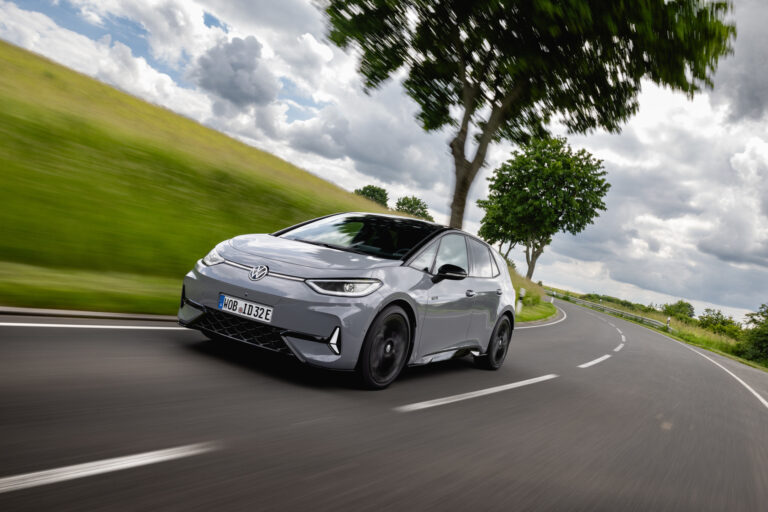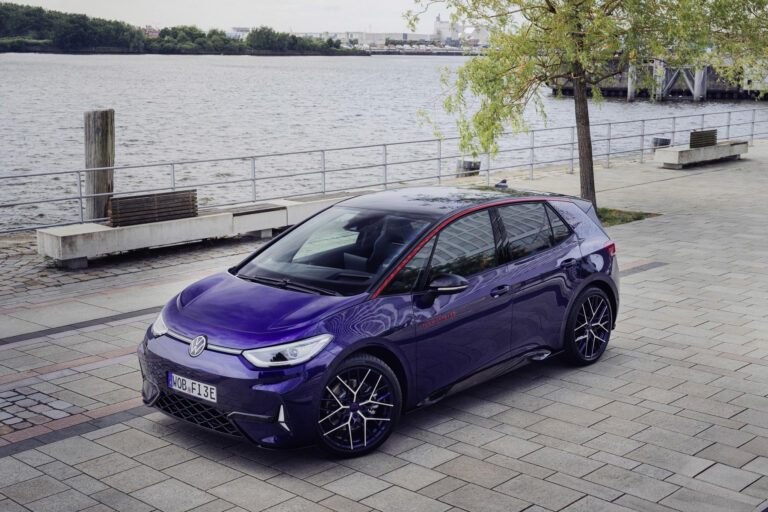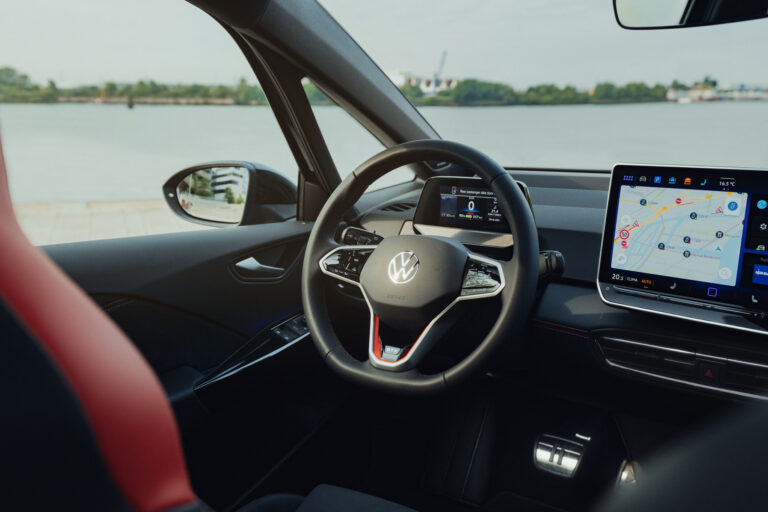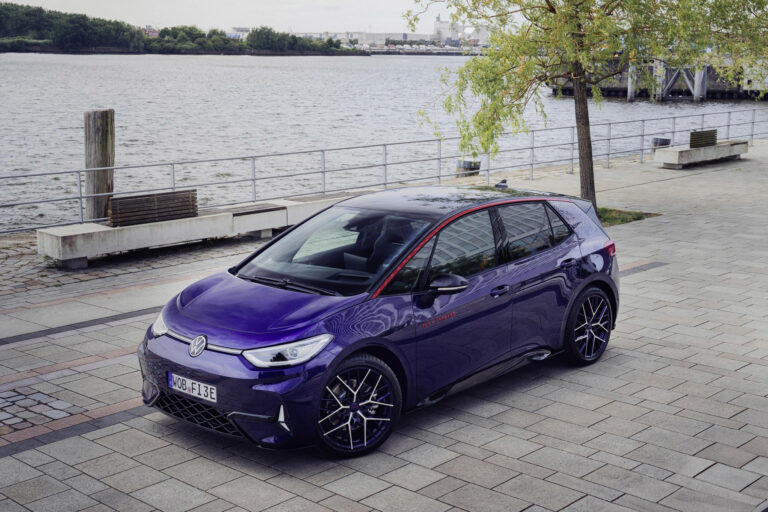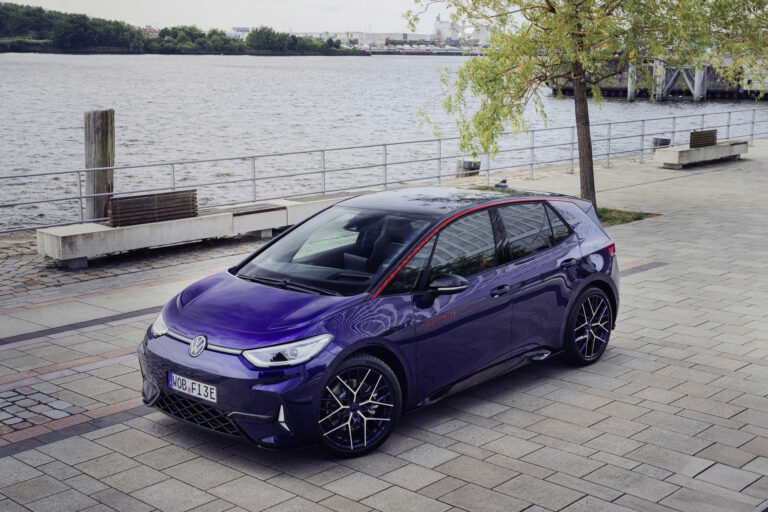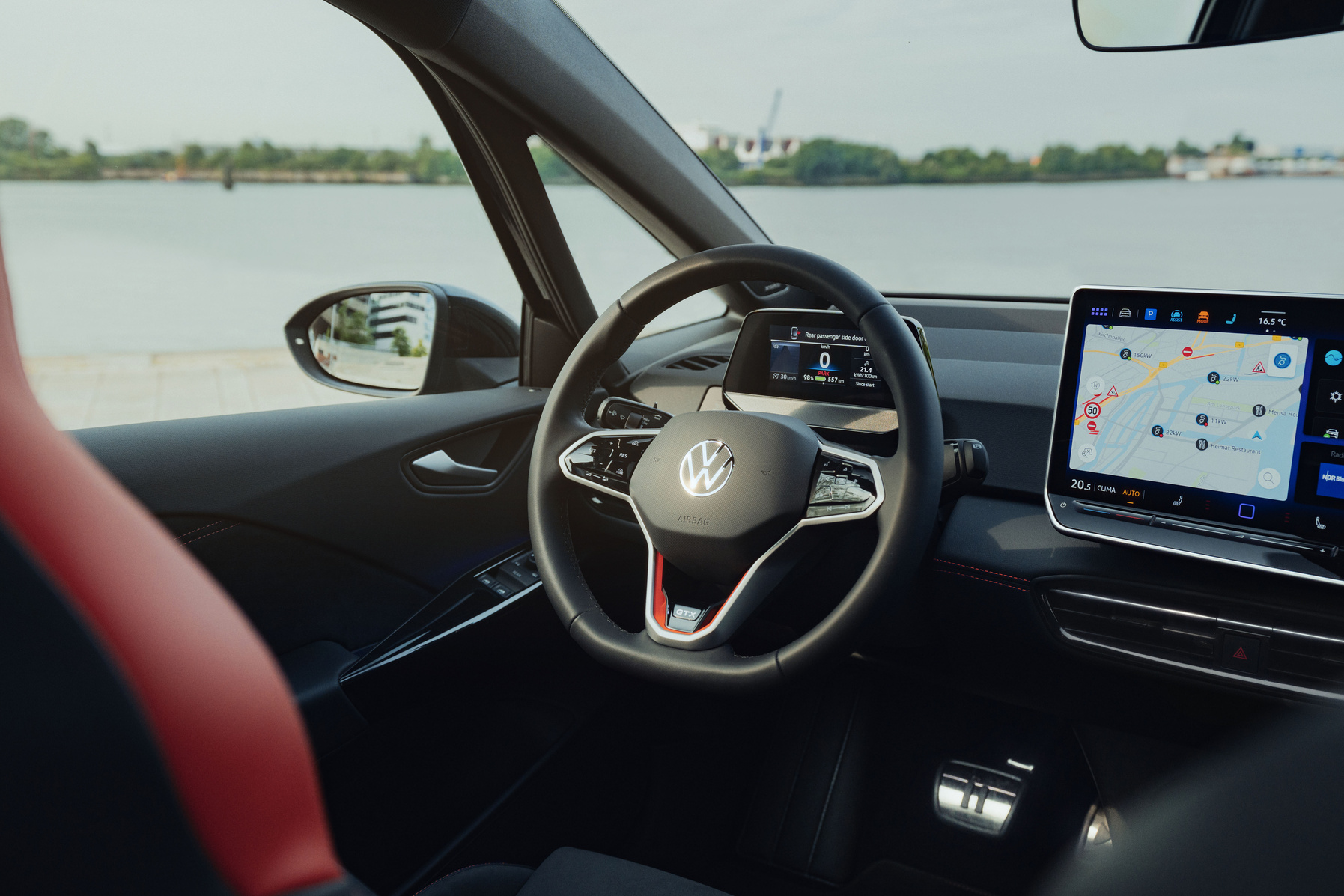
Illuminated warning lights on your dashboard are often not a sign of real system failures, but of sensitive sensors giving false alarms. With the Volkswagen ID.3, for example, many owners report problems with seat belt, ABS and coolant lights, while the system itself works perfectly well. A heavy bag on the passenger seat or a faulty seat sensor can already be enough. Discover what’s really behind those lights.
Why is the seat belt warning light on?
The seat belt warning light often comes on because of a faulty occupancy sensor in the seat. This sensor measures whether someone is sitting there and whether the belt is fastened. When there are technical faults, the system switches on automatically, even if nobody is sitting there. This happens regularly with the ID.3 and other models with sensitive sensors.
Another cause is a false alarm triggered by extra weight on the passenger seat. A heavy bag, a rucksack or even shopping can activate the sensor. The system thinks there is a passenger without a belt and warns you. This is not a defect, but an oversensitive system that prefers to be safe rather than sorry.
The buckle sensor can also misbehave. When it breaks or gets dirty, you get a constant warning. Always first check whether the belt is properly fastened. Does the light stay on? Then there may be a technical problem that the dealer needs to solve.
False alarm due to weight on the passenger seat
Modern cars have advanced weight sensors under the seats. These not only register occupancy, but also how much someone weighs. This helps set airbags correctly. The downside is that heavy objects can confuse the system.
Common objects that activate sensors are:
- Heavy shopping bags or suitcases
- Laptop or camera bags
- Child seats without a correctly positioned transponder
- Pet carriers with animals inside
Remove the weight and the light usually goes out after a few seconds. If it doesn’t, the sensor may be defective. Bear in mind that sensors can also react to moisture or crumbs under the upholstery. Regular cleaning helps.

What does the ABS warning light mean?
An illuminated ABS light does not always point to a defective braking system. It is often a fault in the sensor itself or a communication error with other systems. The ABS usually continues to work, but the system may temporarily be unable to send feedback.
With the ID.3, owners sometimes see several lights come on at the same time, including ABS, ESC and brake warnings. This often happens because of a flat or weak 12 V battery. This small battery powers the electronics and sensors. If the voltage is too low, you get a cascade of error messages, even though there is nothing physically wrong with the brakes.
Other causes include dirty sensors at the wheels, damaged wiring or software faults. First check the brake fluid and the 12 V battery. Does the light stay on? Have the car read with a diagnostic scanner to find the exact fault code.
Coolant warning light in electric cars
Electric cars such as the ID.3 do not have a combustion engine, but they do use coolant. This cools the battery, the electric motor and the inverter. A warning light can indicate too little fluid, a leak or a fault in the temperature sensor.
Many messages turn out to be false alarms caused by sensor faults. The coolant level is fine, but the sensor is sending the wrong signal. This can occur after software updates or due to electrical issues. A system reset often solves this.
Check the coolant yourself under the bonnet. Is the level between minimum and maximum? Then there is probably nothing wrong. Is it too low? Top up with the correct fluid and have the system checked for leaks. Never completely ignore this light, because overheating can damage the battery.
‘ A weak battery often triggers chain reactions in the electrical system. ’
How can you fix sensor faults yourself?
You can fix many sensor-related warnings yourself with a few simple steps. Always start with a soft reset of the infotainment system. Press and hold the on/off button for 15 seconds until you hear a crackling sound. This restarts the central computer and can clear temporary errors.
Another effective method is to switch the car off completely and keep the key well away. Leave the car for at least 30 minutes. All systems then shut down and restart. This particularly helps with electrical faults that are not cleared by a short reset.
Also check the 12 V battery. Connect a charger or have the dealer measure the voltage. A weak battery often triggers chain reactions in the electrical system. After charging, many warning lights disappear on their own. Do they stay on? Use an OBD2 scanner to read the fault codes and carry out targeted repairs.
When are warning lights really serious?
Not all warning lights are harmless. Red lights always require immediate action. Stop safely and switch off the engine. Examples include warnings for brake fluid, power steering or airbags. These indicate problems that directly threaten safety.
A red battery light on electric cars is also serious. It may point to defects in the high-voltage battery or the charging system. Do not continue driving, but call for assistance. The same applies to red lights about the electronic parking brake or the electric drive system.
Amber lights indicate that a check is needed soon. You can usually carry on driving, but arrange a workshop visit within a few days. Think of TPMS warnings for tyre pressure, faulty driver assistance systems or 12 V battery problems. Do not ignore these for too long, as minor faults can grow into expensive repairs.
Tips to prevent sensor problems
Regular maintenance prevents many sensor and electrical faults. Keep tyre pressures at the correct level and check them weekly. Low pressure not only activates the TPMS light, but also reduces handling performance and increases wear.
Keep sensors clean, especially those for driver assistance systems such as Front Assist and Lane Assist. Dirt, snow or insects on cameras and radars interfere with their operation. Clean the front and rear windows, the grille and bumpers regularly. This not only improves safety, but also prevents unnecessary warnings.
Pay attention to the 12 V battery in electric cars. It is often forgotten, but is crucial for all electronics. Have the voltage checked annually and replace the battery as a preventive measure after four to five years. A healthy battery prevents most false alarms and system faults.
‘ The message is clear: many lights point to software-based or temporary problems, not defective hardware. ’
Experiences of ID.3 owners with warning lights
Many ID.3 drivers report similar problems on forums. A recurring story is the combination of red and amber triangles caused by a weak 12 V battery. After a charging session and a software update at the dealer, the messages usually disappear permanently. Some cars even had to be towed before the problem was discovered.
Other owners saw infotainment errors such as missing time and date, or TPMS warnings after cold starts. A dealer visit with a software update solved this structurally. The tip that comes up again and again: write down all error messages before you go to the workshop. This saves time and prevents faults from disappearing before the technician can read them out.
A few drivers found that assistance systems failed due to dirty sensors or faults in the power supply. After cleaning and a software patch, all systems worked normally again. The message is clear: many lights point to software-based or temporary problems, not defective hardware.
Discover more about car faults and maintenance
Write down every warning that keeps coming back and look up the exact fault code before going to the dealer. Check your 12 V battery regularly, keep sensors clean and schedule a thorough inspection every year. That way you prevent small faults from escalating. Still unsure about a warning light? Have the car read within two weeks. On Carnews you will find detailed information about common car problems by make and model, so you know exactly which faults you can expect with your car.
Frequently asked questions
Red warning lights (for example for the braking system, electric drive, airbag or a critical battery fault) indicate an acute problem: stop as soon as you can safely and do not continue driving the car. Amber lights (such as tyre-pressure, ESC/traction control, assistance systems or 12 V battery warnings) are usually not immediately dangerous, but do require a workshop check in the short term. Green, white or blue are generally informative and show that a system is active or displaying information, not that there is a fault. Flashing red lights or a red warning symbol with text are always a reason to take immediate action.
Common sensor problems include tyre-pressure sensors (TPMS), rain/light sensors, sensors for driver assistance systems (Front Assist, Lane Assist, ESC) and battery/charging sensors. You usually recognise them by amber warning lights, tyre-pressure warnings, limited or disabled assistance systems, or messages about charging or battery issues. Dirt, damage or a flat/weak 12 V battery can trigger several sensor messages at once. If a light stays on after a restart and a basic check (for example of tyre pressure), diagnosis with OBD2 or a visit to the workshop is required.
Park the car safely, check in the owner’s manual what the specific light means and see whether it is red (stop immediately) or amber (have it checked soon). Check easily accessible items yourself, such as tyre pressure, screenwash level and whether caps and cables are properly secured. If necessary, perform a soft reset (switch the car off and lock it, wait a few minutes) and see whether the light disappears. If you have an OBD2 scanner, you can read and note the fault codes to take them with you to the workshop.
Faulty sensors can disable driver assistance systems such as ESC, traction control, Front Assist and Lane Assist, reducing stability and emergency braking support. During sporty driving this increases the risk of loss of grip, longer stopping distances and less predictable handling, especially in emergency situations. TPMS faults can mean you are driving with incorrect tyre pressures, which worsens handling and tyre wear. Red warning faults (brakes, drive, steering) mean that continuing to drive is unsafe and the car must be checked immediately.
Yes, you can limit sensor problems and unexpected warning lights by following the maintenance schedule and regularly having the condition of the 12 V battery checked. Keep sensors, cameras and windows clean and free of dirt or ice, and check tyre pressures weekly. Before long journeys, pay extra attention to tyres, fluids (such as brake fluid and screenwash) and visible cables or connectors. Learn the meaning of the most important warning lights from the owner’s manual so that you can act early when problems start to develop.