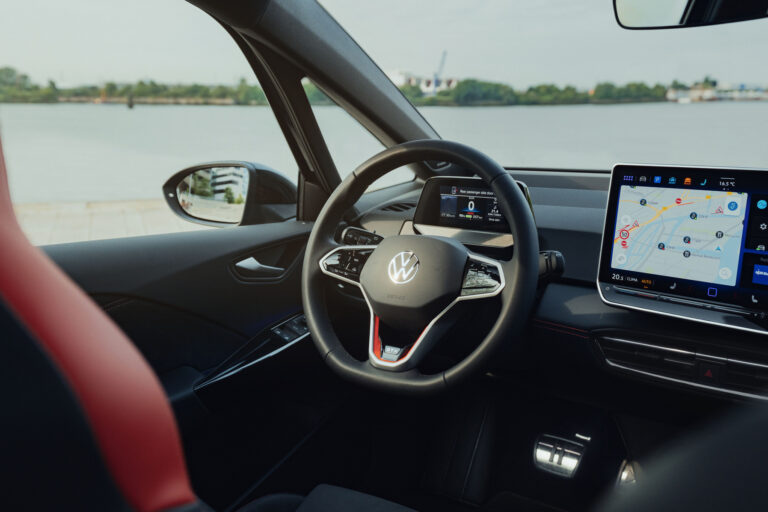
Modern cars receive software improvements via over-the-air updates. Your smartphone works in the same way. This technology solves problems remotely and adds new features without you having to go to the dealer. Even so, owners wonder: how does this process work, how long does it take and what happens if you refuse an update? We explain it for you.
What are over-the-air updates?
Over-the-air updates are wireless software improvements that car manufacturers send directly to your vehicle. The abbreviation OTA stands for “over the air”. Modern cars contain 70 to 150 electronic control units (small computers that control various functions) that manage everything from the engine to navigation. Via a mobile network or Wi‑Fi, your car downloads new software. You don’t need to visit a workshop.
There are two main categories:
- Infotainment updates: refresh maps, audio apps, streaming services and screen interfaces. These are not critical for safety.
- Firmware updates (FOTA, or Firmware Over-the-Air): affect critical systems such as the engine, battery management, brakes and driver assistance systems. They fix faults, improve performance and increase safety. They are often mandatory.
‘ You must not drive during installation, because this brings safety risks with it. ’
How does the update process work in practice?
The update process is safe and controlled. The manufacturer uploads digitally signed files to servers on the internet. An update management system selects vehicles based on model, version or location for a phased rollout. The telematics control unit (the component that connects wirelessly to the internet) in your car receives the update via 4G, 5G or Wi‑Fi.
Next, a distribution unit (a kind of digital switching station) routes the file to the relevant control units, for example infotainment or driver assistance systems. The system checks authenticity beforehand and integrity afterwards. If something goes wrong, a rollback mechanism automatically activates the old version. You must not drive during installation, because this brings safety risks with it.

Accepting and installing updates
You receive a notification on the dashboard or via the manufacturer’s app when an update is available. Some brands start installation automatically, others ask for your permission first. You are best off installing critical updates for safety and drivetrain systems straight away.
Park your car somewhere with a stable Wi‑Fi connection, for example at home. This speeds up the download process and prevents your data usage from becoming too high. Check that the battery is sufficiently charged, as some updates require at least 50 per cent battery capacity.
What if you can’t install OTA updates?
Not all owners have a strong internet connection or feel comfortable with technical steps. If you don’t carry out an update wirelessly, contact your dealer. They will install the software manually via a cable connection. This does take time and sometimes also costs money. Your warranty or maintenance contract determines the costs.
Check whether your subscription for the telematics control unit is active. Without an active subscription, your car will not receive notifications. In second-hand vehicles this may have expired, so test it after purchase.
Duration of the update process
The installation time depends on the size of the update and the systems involved. Small updates for the display and media functions take 10 to 30 minutes. Large firmware updates for the engine, battery or driver assistance systems often take 45 minutes to two hours.
The time needed to download the update varies. With a fast Wi‑Fi connection you can download within about 15 minutes. With a weak 4G signal this can take several hours. Plan the update for a time when you don’t need the car, for example at night or over the weekend.
‘ If you consistently refuse them, this can affect your warranty or cause malfunctions in systems that depend on recent software. ’
Consequences of refusing an update
You are allowed to refuse or postpone most updates, but this has consequences. Critical safety updates remain in the queue and the manufacturer will keep sending you notifications. If you consistently refuse them, this can affect your warranty or cause malfunctions in systems that depend on recent software.
With some brands, new features will no longer work with outdated software versions. Security updates will also lag behind, which makes your car more vulnerable to digital attacks. So think carefully about whether postponement is really necessary.
Benefits you don’t want to miss
Over-the-air updates offer clear benefits. You save time and money because visits to the dealer are needed less often. Manufacturers can quickly fix software faults and avoid large-scale recall campaigns. You benefit from improved performance, such as greater range for electric cars or smoother acceleration.
Safety systems receive faster fixes for faults in emergency braking systems or lane keeping assistants. You also continue to benefit from new features, such as extra apps or improved voice recognition. This helps modern cars stay up to date for longer.


Practical tips for owners
Regularly check your dashboard or app for available updates. Install critical updates straight away and postpone updates for the display and media functions to a suitable moment. Make sure you have a strong Wi‑Fi connection and sufficient battery capacity before you start.
Note down the software version number before and after a major update. This helps if any problems arise or when talking to the dealer. Some users report temporary screen outages during the process. This is usually resolved by rolling back to the previous version.
Stay connected by keeping your internet subscription active. When buying a used car, ask the seller about the status of the over-the-air updates. Check whether previous updates have been completed in full. If you’re unsure, test compatibility in advance.
Want to know more about your car?
On the Carnews website you’ll find a lot more information about modern car technology, maintenance tips and practical guides for electric vehicles. Discover which developments are shaping the future of driving and how to make optimal use of smart features. Take a look around and stay up to date with everything that interests car enthusiasts.
Frequently asked questions
Over-the-air (OTA) updates work because the manufacturer sends secure software packages via mobile internet or Wi‑Fi to the car’s telematics module, after which a central gateway ECU forwards the update to the correct control modules and checks the digital signature. During installation the car is stationary and there is a rollback mechanism that switches back to the previous version if something goes wrong. For car enthusiasts this means fewer dealer visits, saving time and money and reducing physical recalls. In addition, performance, safety systems and infotainment are continually improved and kept up to date, so the car feels modern for longer.
Over-the-air updates can introduce new software bugs that affect crucial systems such as brakes, steering or driver assistance systems. There is always a (small) risk of failed installations or interrupted updates, which can lead to temporarily unusable functions or the need for a rollback. Security vulnerabilities in the OTA system itself can be exploited by malicious parties to gain unauthorised access to vehicle systems. Finally, you are dependent on the manufacturer’s quality, timing and testing processes, which, if they fail, can affect your reliability and driving experience.
Yes, over-the-air updates can genuinely improve your vehicle’s performance, for example by optimising the powertrain, battery management or acceleration. Manufacturers can also add new features, such as improved infotainment options, additional driver assistance systems (ADAS) or updated navigation. In addition, bugs are often fixed and safety improvements rolled out via OTA without needing a garage visit. This way, your car continues to develop after purchase and better matches your driving experience.
With over-the-air (OTA) updates, your car’s software is downloaded and installed wirelessly, often at home or on the move, without you having to go to the dealer, whereas traditional updates are only carried out during a workshop visit. This makes it possible to fix bugs more quickly, add new features and implement safety or performance improvements between scheduled services. In principle, nothing changes for the warranty: official OTA updates from the manufacturer count just as much as dealer updates and are recognised as keeping the car up to date. However, the manufacturer may state in the warranty conditions that you must install critical OTA updates in good time to retain full cover, especially for safety and drivetrain software.
Regular over-the-air updates can increase a car’s residual value, because functionality, safety and performance remain up to date and the vehicle ages more slowly. At the same time, they can make tuning or aftermarket modifications more difficult, because updates can overwrite factory settings and introduce stricter software security. This increases dependence on brand-specific software and can limit the scope for independent tuners. In some cases, this may mean that customised software has to be reinstalled after an update, or may no longer work at all.