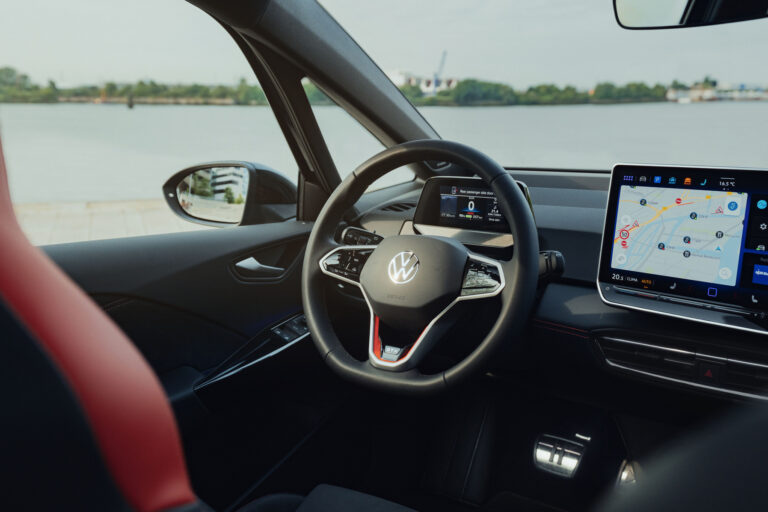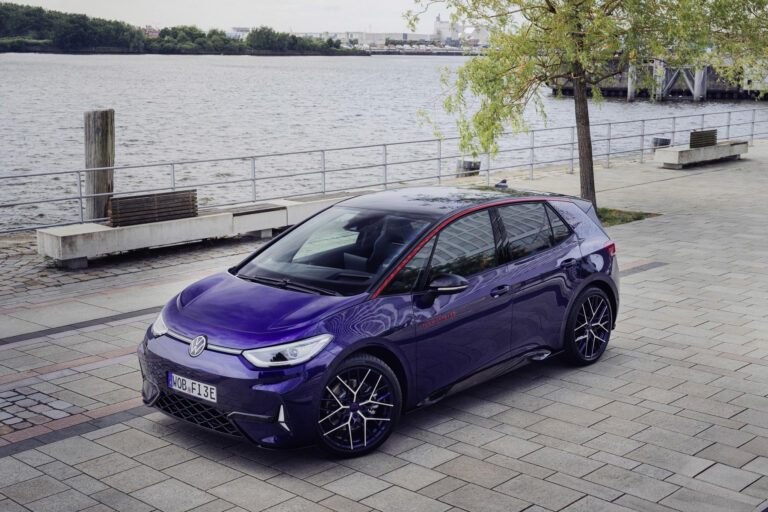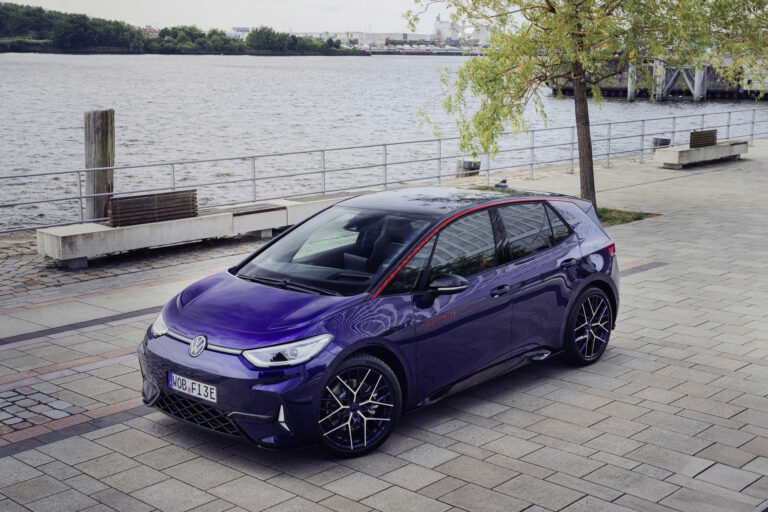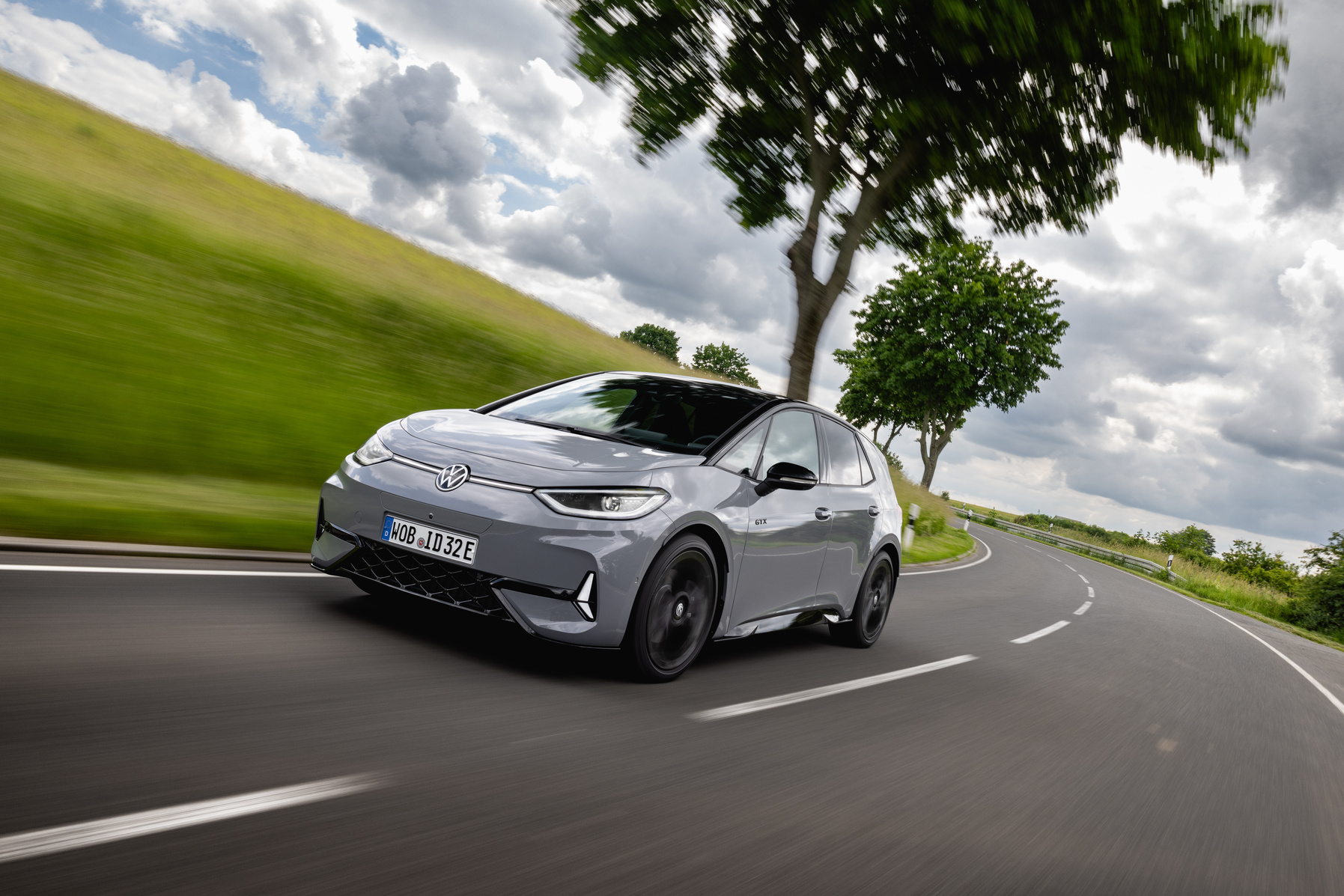
The Volkswagen ID.3 still retains 93% of its battery capacity after 2.5 years and 100,000 kilometres with frequent fast charging. This outcome from ADAC tests shows that the electric Volkswagen performs well in the long term despite early teething problems. How does this reliability ratio translate to your everyday use?
ADAC gives ID.3 a high reliability score
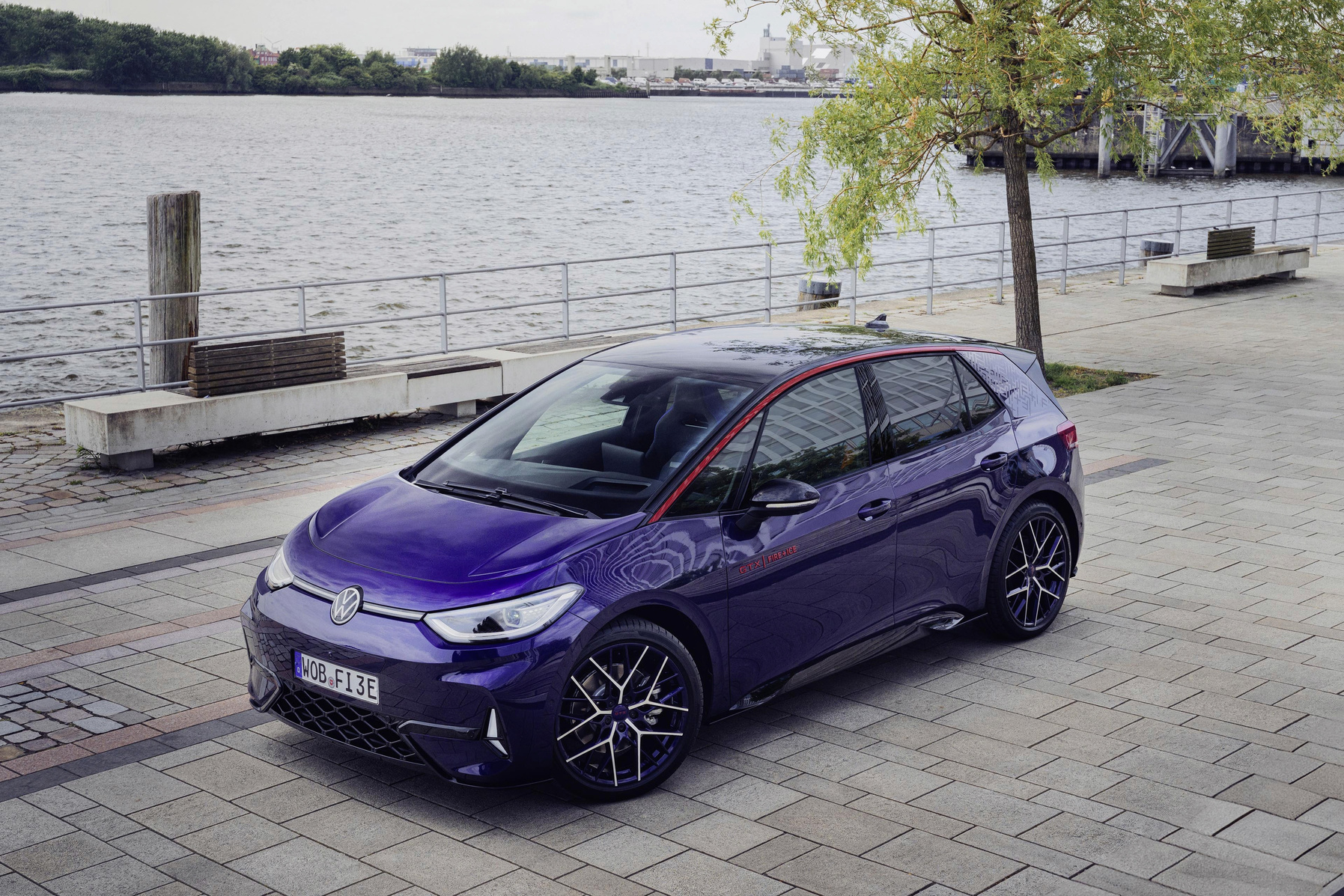
The German motoring association ADAC classifies the Volkswagen ID.3 as “very reliable”. This is remarkable for a model that suffered from software issues and production delays at its launch. The test results show that reliability improved significantly after the first software updates. The battery capacity remained at a high level after intensive use, which is rare for electric cars that are frequently fast charged.
User experiences largely confirm this picture. Owners report that Volkswagen ID.3 car problems mainly occurred in the early phase. After software updates, performance stabilised considerably. According to measurements, the battery performance remains consistent, even with daily use that includes fast-charging sessions.
” This means you can fast charge on long journeys without worrying. “
Long-term durability starts with the battery
The battery is the most expensive component of an electric car. The 93% capacity retention after 100,000 kilometres suggests that the ID.3 battery will last at least 200,000 kilometres before it needs replacing. This corresponds to an estimated lifespan of 10 to 15 years with average use. Volkswagen provides a standard 8-year or 160,000-kilometre warranty on the battery.
Frequent fast charging puts more strain on the battery than slow charging at home. The ADAC test unit withstood this regime without any significant loss of capacity. This means you can fast charge on long journeys without worrying. However, frequent charging at extremely high or low temperatures does accelerate wear. So take weather conditions into account during charging sessions.
Factors that influence battery life
- Charging speed: slow charging (up to 11 kW) puts less strain on the battery than fast charging
- Temperature: charging between 15 and 25 degrees Celsius is optimal
- Charge level: keep the battery between 20% and 80% for everyday use
- Driving style: aggressive acceleration and braking increase the load
- Maintenance: timely software updates improve charging and use of the battery
Maintenance requirements remain limited
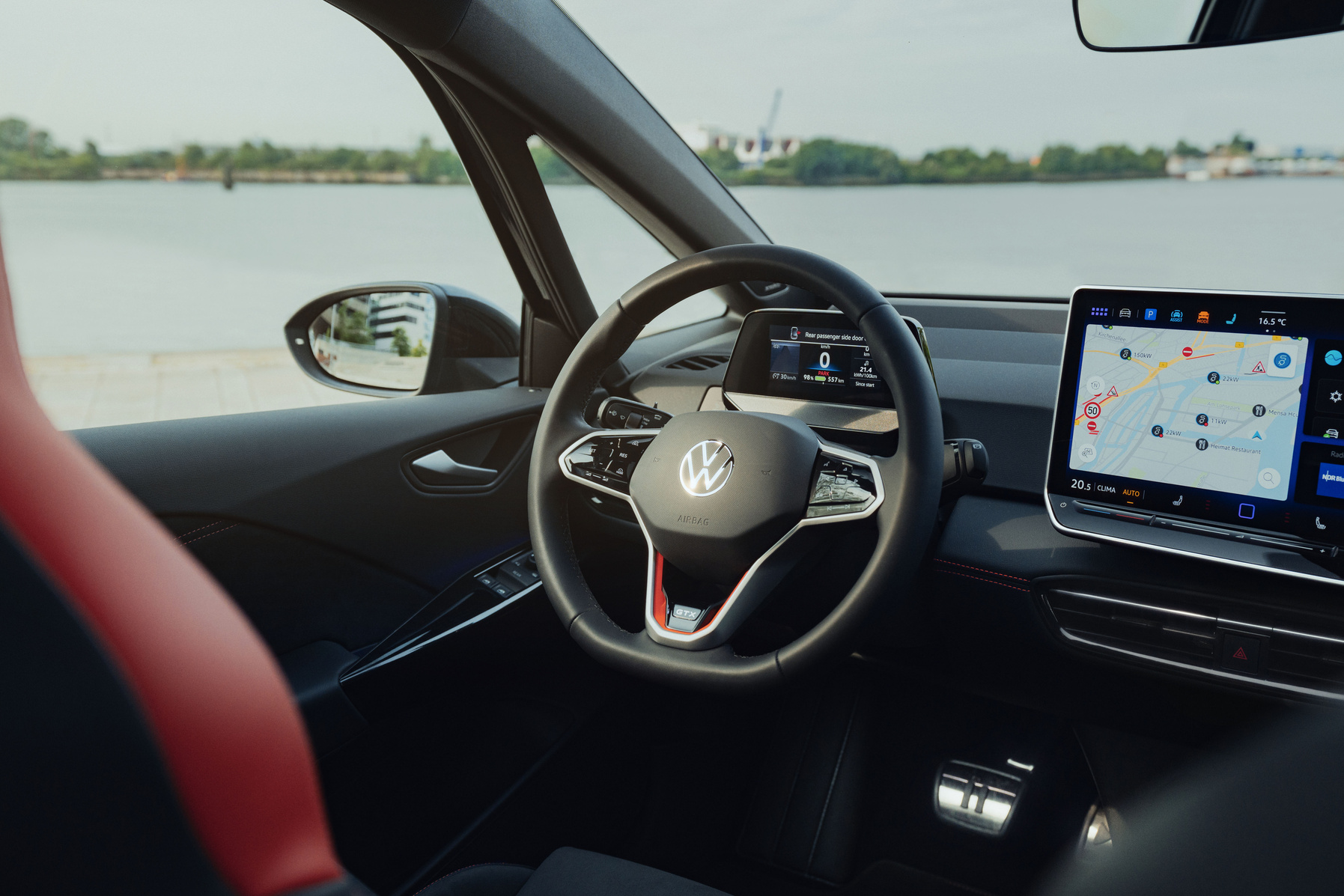
An electric car requires less maintenance than a petrol or diesel car. The ID.3 has no oil, spark plugs or exhaust system that need to be replaced regularly. The service mainly consists of checking the brakes, tyres, suspension and cooling system. Volkswagen recommends annual inspections or every 30,000 kilometres.
Brake wear remains minimal thanks to the regenerative braking system. This system charges the battery while braking, meaning the mechanical brakes are used less. Do regularly check whether the brake discs are not seizing up due to rust formation. This can happen if the mechanical brakes are used infrequently.
The software requires periodic updates to continue functioning optimally. Volkswagen offers these over the air, so you do not need to visit a garage. Carry out these updates on time for improved energy management and driver assistance. Some owners report that updates occasionally introduced new bugs, but these are usually resolved quickly.
Reliability ratio translates into resale value
The resale value of electric cars is heavily dependent on the condition of the battery. An ID.3 with proven battery performance retains its value better than comparable models with uncertain lifespans. The ADAC test results support a higher residual value after 3 to 5 years of use.
Market analyses show that electric cars with good long-term statistics retain 60% to 70% of their original value after five years. Models without proven durability drop to 40% or less. In this comparison, the ID.3 scores above average, provided you carry out maintenance correctly and keep it documented.
Tips for preserving resale value
- Keep all maintenance documentation and software update confirmations
- Have the battery condition read out periodically and document the results
- Avoid excessive fast-charging sessions when they are not necessary
- Keep the paintwork and interior in good condition
- Make sure all software stays up to date
” That is why you should choose models with proven results if long-term use is your priority. “
Comparison with other electric models
The ID.3 competes with models such as the Nissan Leaf, Renault Megane E-Tech and Hyundai Kona Electric. Earlier generations of the Nissan Leaf showed faster capacity loss because they lacked active cooling. The ID.3 does have temperature control, which protects the battery during use and charging.
The Hyundai Kona Electric scores similarly to the ID.3 in terms of battery life. According to user data, both models retain more than 90% capacity after 100,000 kilometres. The Renault Megane E-Tech is newer to the market, so long-term data are not yet available. That is why you should choose models with proven results if long-term use is your priority.
What this means for your purchase decision
The reliability data for the ID.3 make the model suitable for anyone looking for an electric car with predictable costs. The 8-year battery warranty provides additional peace of mind. For the full usage period, you can count on at least 10 years of trouble-free driving with proper maintenance.
Pay attention to the year of manufacture when buying. Models from 2021 onwards have left most of the software issues behind them. Older units may still show some teething problems, although updates largely resolve these. Ask the seller about the update history and any outstanding problem reports.
Total cost of ownership remains low thanks to limited maintenance and stable battery performance. Calculate your payback period based on lower energy costs and maintenance savings. For many drivers, an ID.3 pays for itself after 5 to 7 years compared with a comparable petrol car.
Practical considerations for everyday use
The range of the ID.3 varies between 300 and 550 kilometres, depending on the battery variant. This is sufficient for daily commuting and typical holiday trips. Plan longer journeys with charging stops to optimise charging and use of the battery. Fast-charging networks such as Ionity and Fastned now cover most European routes.
Charge at home with a 7 to 11 kW wallbox wherever possible. This is cheaper and better for the battery than frequent fast charging. A full charge at home costs between 8 and 12 euros, depending on your energy tariff. Fast charging costs 15 to 25 euros per session, which works out significantly more expensive in the long run.
Be prepared for seasonal influences. In winter, electric cars use up to 30% more energy due to heating and reduced battery efficiency. Plan extra charging stops during cold months and use preheating while charging to maximise range.
” On the Carnews website you will find extensive information on other electric models, maintenance tips and comparisons between car brands. “
Find out more about electric driving and maintenance
The Volkswagen ID.3 shows that with the right technology and maintenance, electric cars can remain reliable for many years. On the Carnews website you will find extensive information on other electric models, maintenance tips and comparisons between car brands. Discover which electric car best suits your driving style and learn how to maximise its lifespan.
Frequently asked questions
A car’s long-term reliability ratio is mainly influenced by the financial stability (solvency) of the manufacturer, expressed as equity compared with total assets. Manufacturers with a high ratio (around 20–40% or higher) can invest more in R&D, quality control and spare parts supply, making their models more durable and less prone to faults. A low ratio often forces savings on material and assembly quality, which can lead to faster wear and higher maintenance costs. In addition, the development of this ratio over several years plays a role: falling solvency usually predicts poorer support and reliability in the longer term.
Maximise your car’s long-term durability by choosing a make and model from a financially healthy car company with a reliable solvency or “reliability ratio” of ideally 20–40%. Manufacturers with a high ratio invest more in R&D, quality parts and aftersales, so their cars generally last longer and require fewer unexpected repairs. Check annual reports for the ratio between equity and total assets and avoid brands whose ratios have been falling in recent years. Combine this with regular maintenance according to the service schedule to further reduce technical problems and sudden costs.
Brands such as Toyota, Honda and Subaru are known for their exceptional reliability and often run for more than 200,000 km without major issues. Models such as the Toyota Corolla, Toyota Yaris, Honda Civic and Honda Accord have scored highly in reliability surveys for many years. Lexus (especially the hybrid models) and Mazda are also often mentioned for their durable technology and low failure rates. In the premium segment, certain models from Mercedes-Benz and Volvo are likewise regarded as very durable, provided they are well maintained.
A high reliability ratio indicates a financially healthy car manufacturer that can continue to invest in quality, parts supply and aftersales. As a result, vehicles wear less quickly and remain technically more reliable after several years. This translates into lower depreciation rates, meaning cars retain a larger share of their value. For example, vehicles from brands with a strong ratio can retain 60–70% of their value after five years, compared with around 40% for weaker brands.
Yes, the definition is shifting: for electric vehicles, long-term durability is no longer just about mechanical lifespan, but also about battery degradation, software support and the availability of spare parts. Reliability now also includes the financial and technological resilience of manufacturers to keep providing updates, warranties and parts for many years. This makes the reliability ratio (solvency) even more important, because only financially strong brands can keep pace with rapid technological developments in a sustainable way.