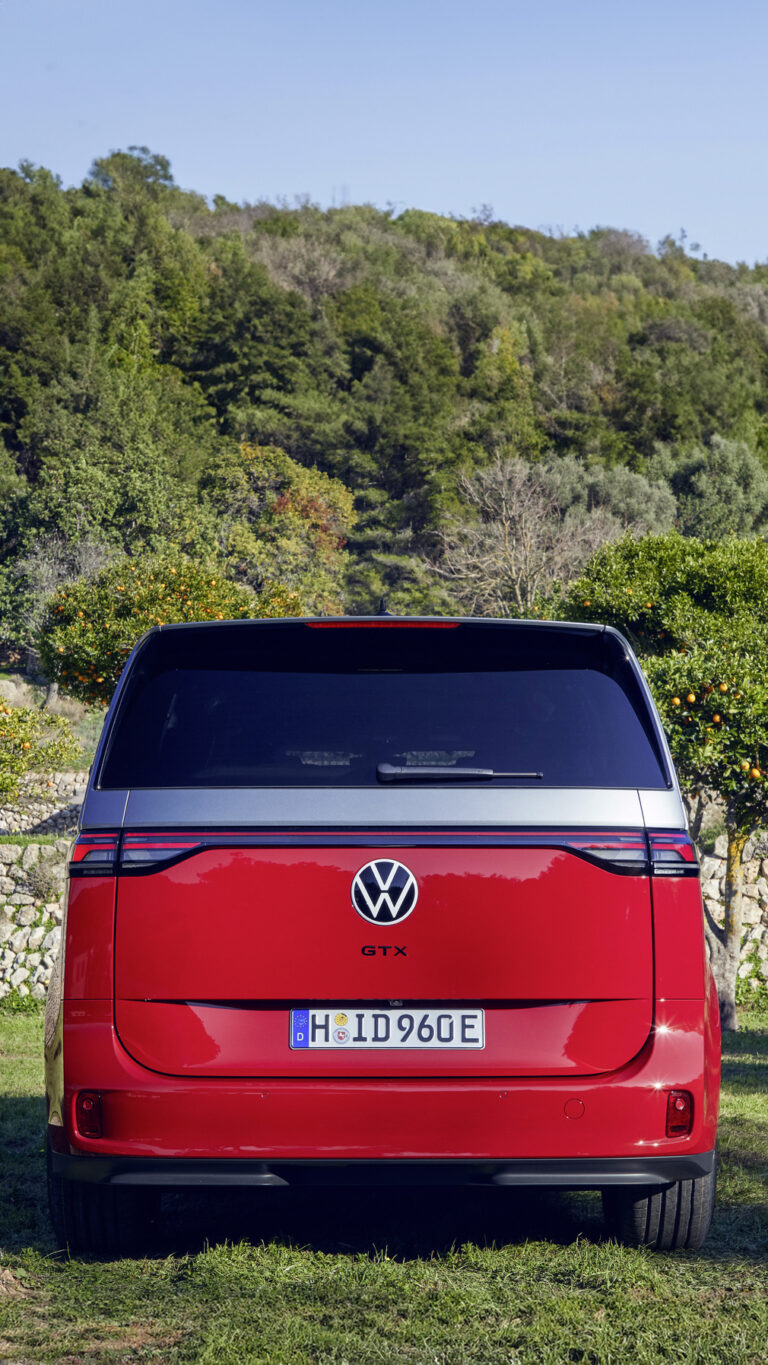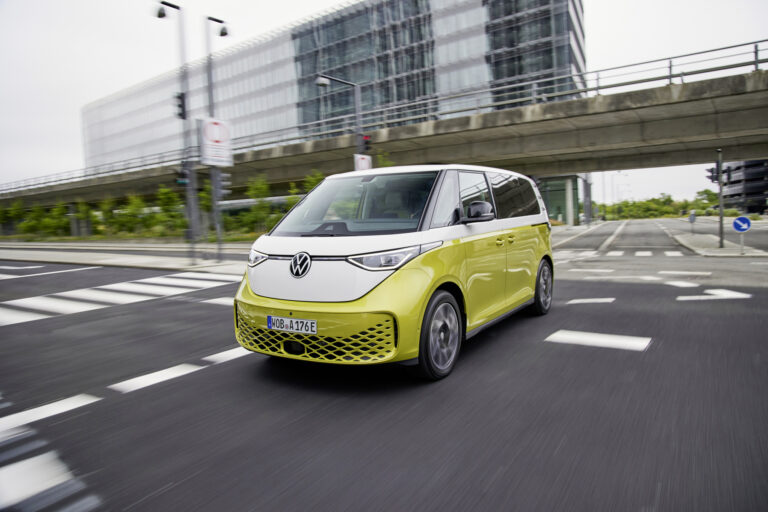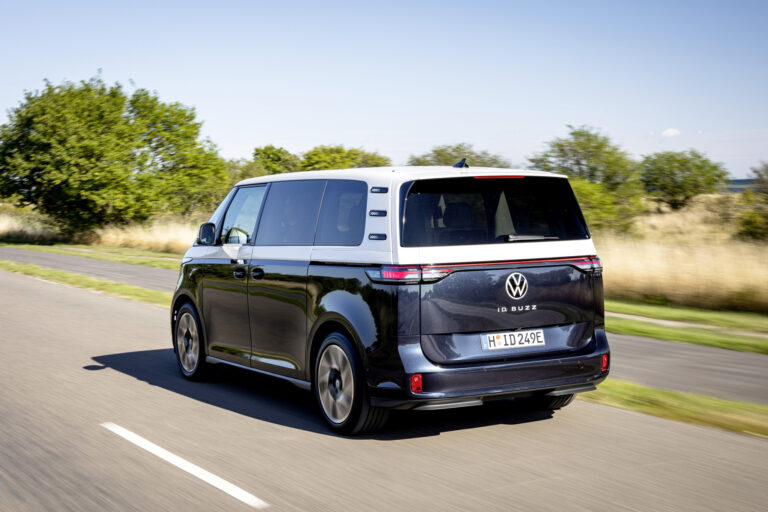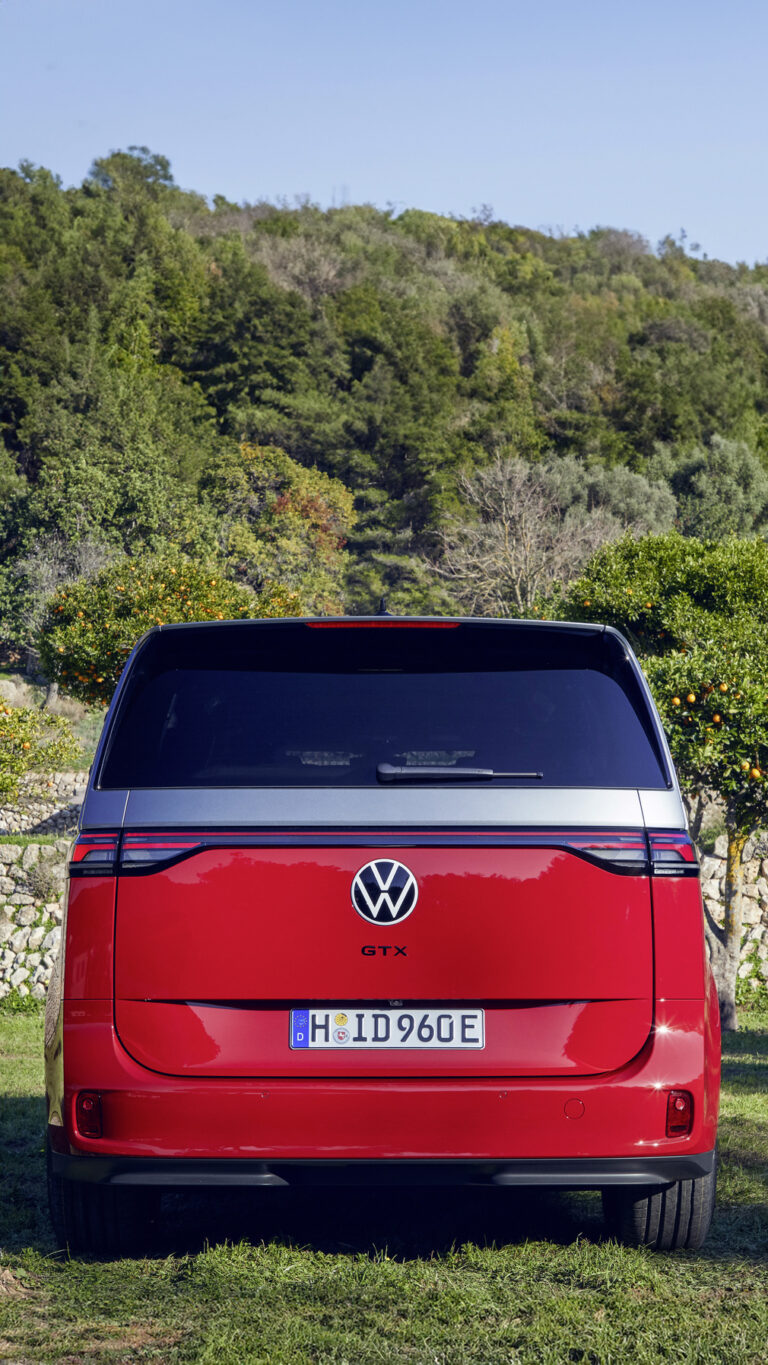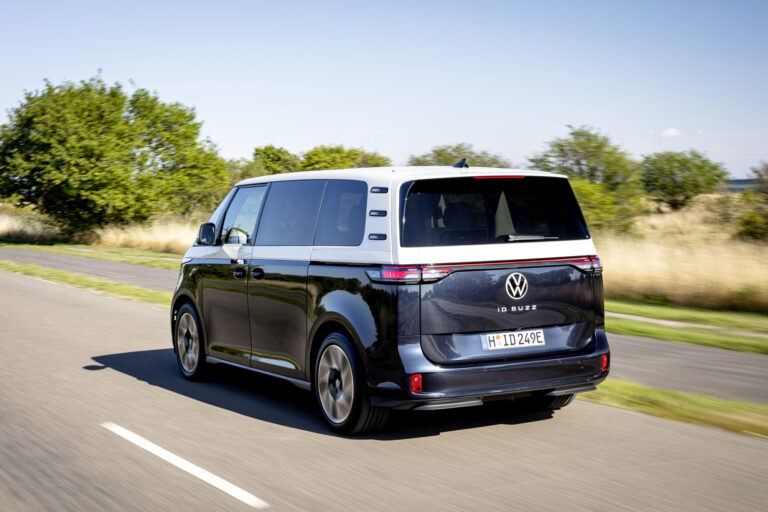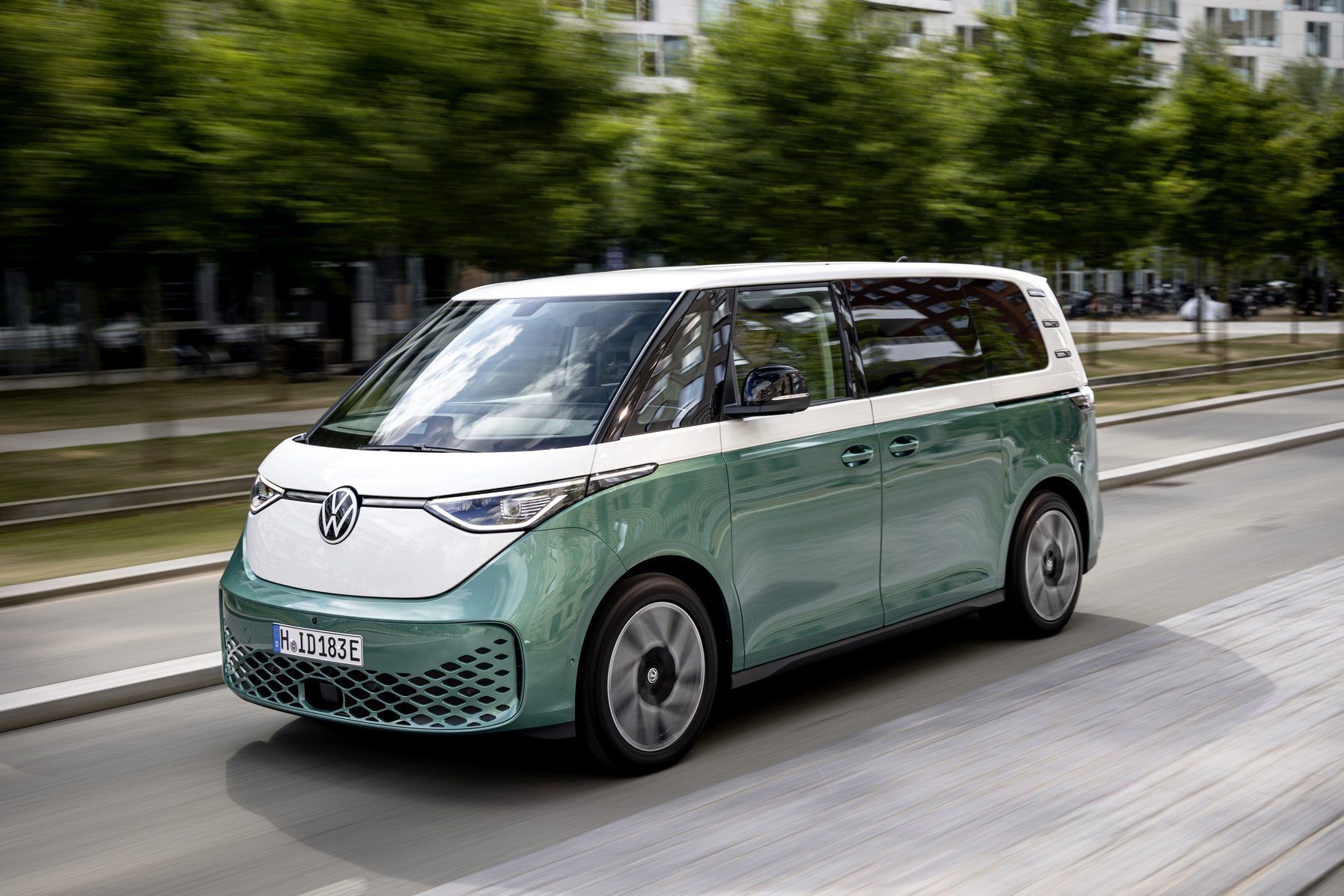
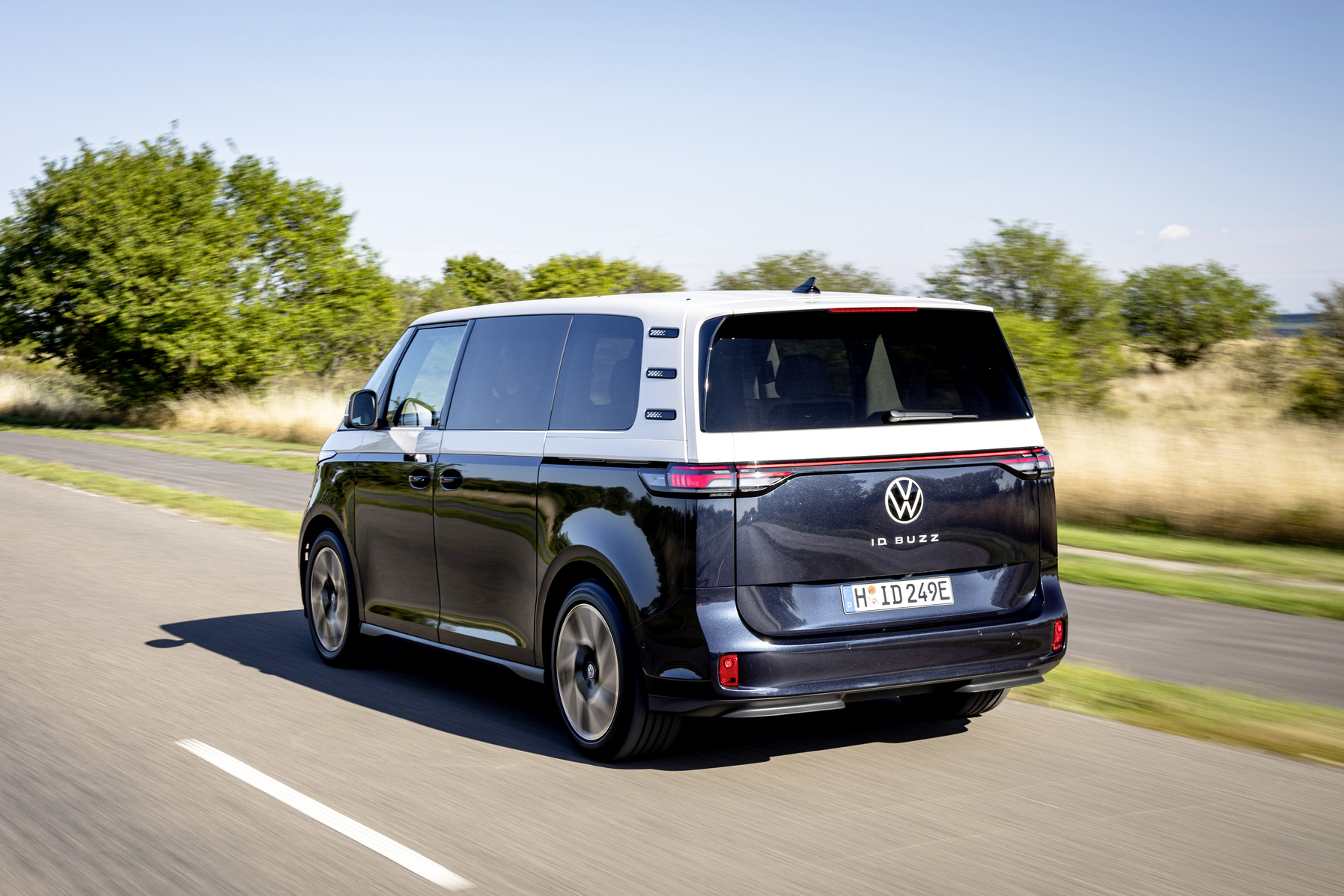
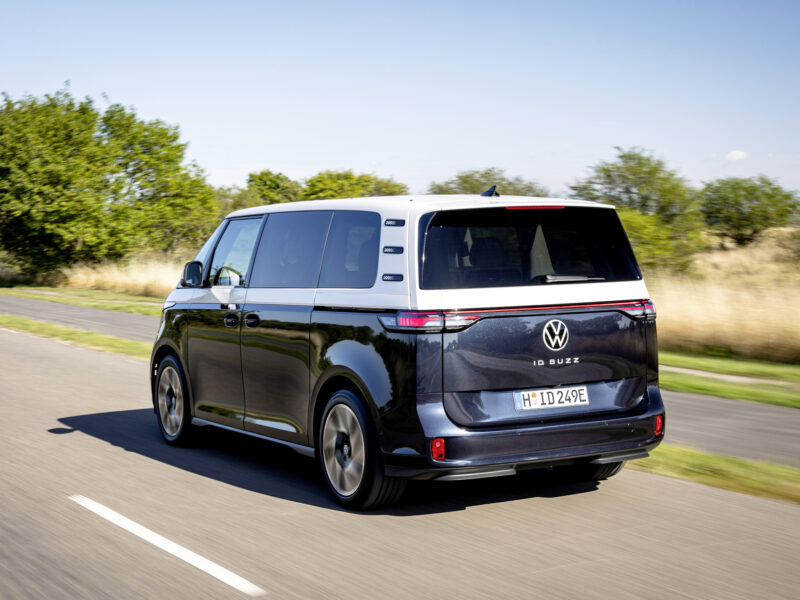
The Volkswagen ID. Buzz has been at a standstill at the factory in Hanover for more than five days. The reason is simple: too little demand and too much stock. In addition, Volkswagen is stopping exports to the United States for 2026 in order to prepare for the 2027 model year. What does this mean for your order and for the future of this electric van?
Why is Volkswagen stopping production of the ID. Buzz?
In October 2025 Volkswagen temporarily halted production of the ID. Buzz. The reason was clear: demand for the vehicle was disappointing. Volkswagen had produced more units than it could sell. Stock levels were rising while dealer forecourts were filling up with unsold vans.
This production stop lasted more than five days. It was a direct response to market conditions that no longer matched the production plan. Volkswagen chose to stop the line rather than continue building without buyers.
The problems are concentrated mainly in the US market. Volkswagen introduced the ID. Buzz in the US at the end of 2024. The model attracted hardly any buyers there. Several factors played a part:
- High purchase price compared with competitors
- Import tariffs on European vehicles, which reduced competitiveness
- Limited demand for electric vans in the US market
- Market conditions that did not match expectations
‘ The reality is that US consumers have not embraced the van in the way Volkswagen had hoped. ‘
No 2026 model year for the US market
Volkswagen has officially confirmed that there will be no 2026 model year ID. Buzz built for the United States. This means that the vehicle will disappear from the delivery programme just one year after its introduction. US customers can now only choose from existing stock.
The company describes it as a strategic decision following a careful assessment of market conditions. The reality is that US consumers have not embraced the van in the way Volkswagen had hoped. Sales figures lagged far behind expectations.
Volkswagen states that it will resume deliveries in 2027. The company plans to do this with an updated model. However, these plans remain uncertain. Experts doubt whether this promise will be kept. Current geopolitical tensions and trade barriers make the situation complex.
What this means for US buyers
US consumers interested in an ID. Buzz still have access to existing stock. They buy these vehicles directly from dealers. Support for servicing and parts will continue to be available via the dealer network. Nevertheless, caution is advisable when buying a model that may receive more limited support in the future.
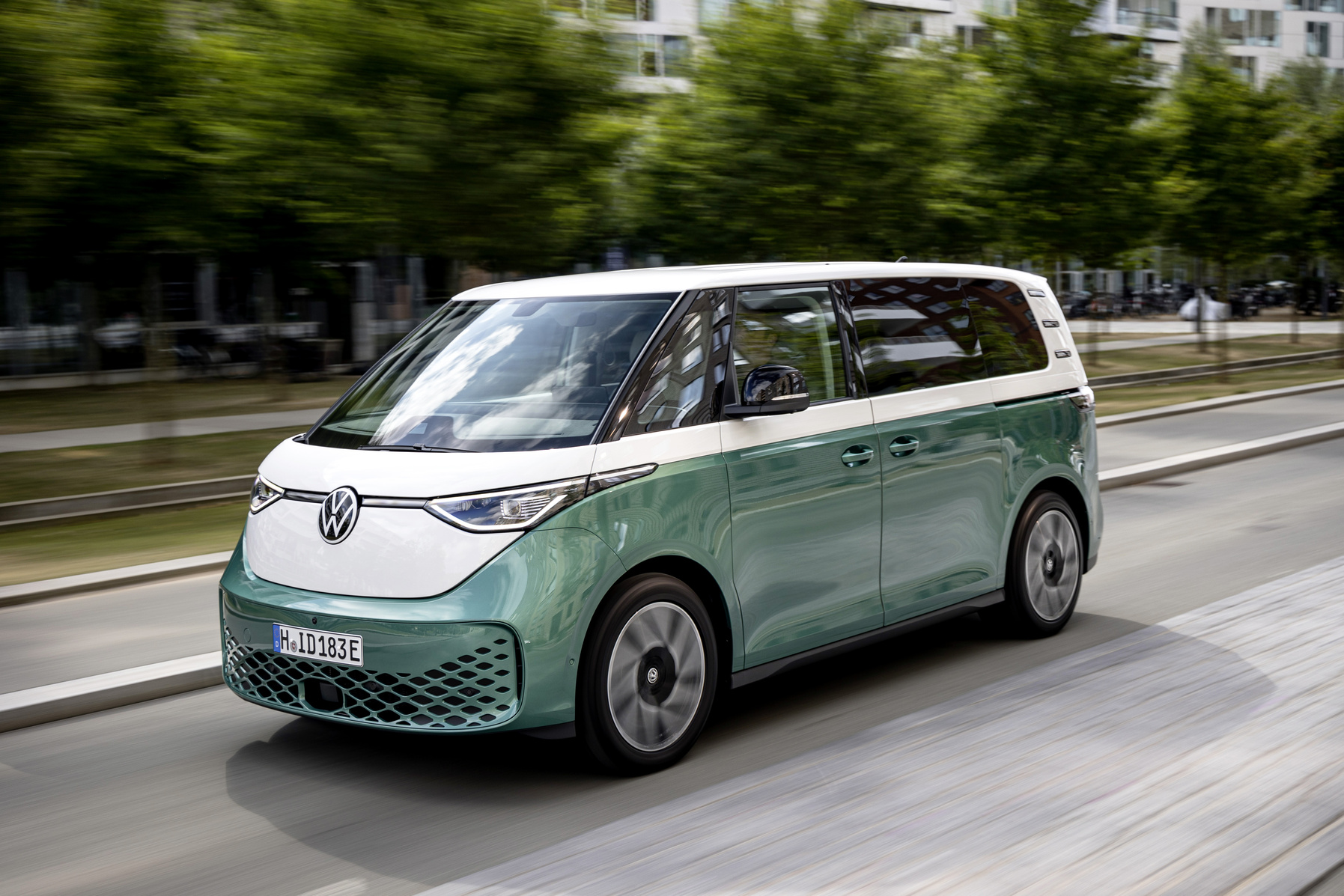
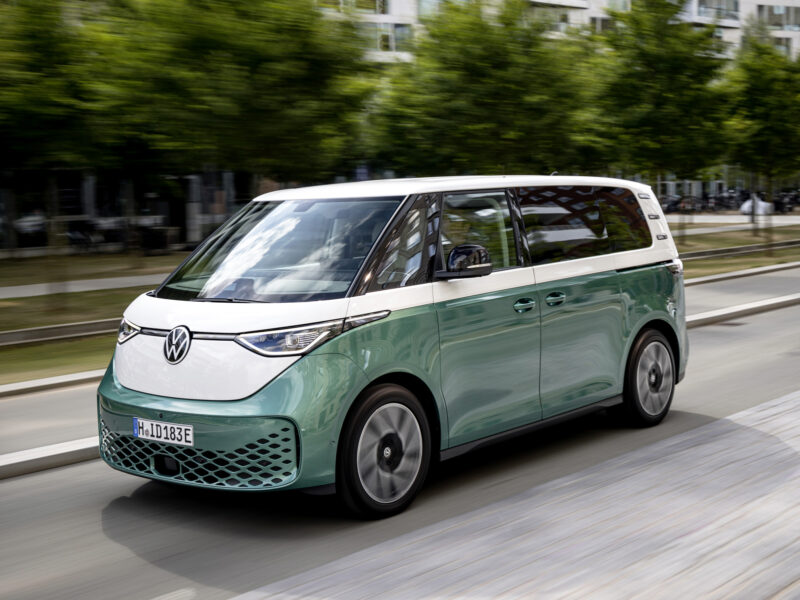
The ID. Buzz is doing better in Europe
The contrast between America and Europe is stark. In the Netherlands the ID. Buzz was the best-selling electric van last year. With 8,300 vehicles registered on Dutch plates, the van mainly found its way into business use.
Companies such as PostNL and the ANWB breakdown service use the ID. Buzz in their daily operations. Its space and electric drivetrain make it suitable as a company vehicle. The practical layout also contributes to this success. This explains its popularity in the business market.
Private sales, by contrast, remain modest. In 2025 only 410 vehicles were registered with yellow (private) plates. The main reason is the high purchase price of at least €50,000. For private buyers this is a considerable investment for an electric van.
When will you get your ordered ID. Buzz?
The production stop has a direct impact on existing orders. Anyone in Europe who has ordered an ID. Buzz will face delays. Shutting down the production line pushes back the delivery schedule.
Volkswagen has not communicated exact dates for when production will be fully resumed. Several factors will determine the length of the production stop. The reduction of existing dealer stock plays a role. The recovery of demand in the various markets is also a key factor. In addition, Volkswagen has to make adjustments to production planning and capacity. Finally, market conditions and trade tariffs influence the decision-making process.
Contact your dealer for up-to-date information about your order. Dealers receive information about revised delivery times first and can estimate when your vehicle will be built.
‘ Anyone looking for an ID. Buzz with specific options will face longer delivery times. ‘
Impact of low sales on availability
The low sales have a paradoxical effect on availability. On the one hand, existing stock means that some configurations are available for immediate delivery. Dealers have vans in stock that can be handed over quickly. This applies mainly to standard trims in popular colours.
On the other hand, the production stop means that specific configurations will take longer to arrive. Anyone looking for an ID. Buzz with particular options will have to deal with longer delivery times. This will apply from the moment production restarts.
The situation differs from country to country. In the Netherlands, demand from the business market remains. This keeps availability more stable than in countries where the ID. Buzz is sold mainly as a private car.
The failed agency model in Europe
On top of production and delivery issues, Volkswagen faced another problem: the agency model. The company tried selling directly without traditional dealers. According to dealers, this experiment turned out to be the biggest mistake in recent years.
The model created administrative hurdles. Customers faced complicated procedures and long waiting times. The expected efficiency failed to materialise. Instead, it led to frustration among both dealers and buyers.
Volkswagen has returned to the familiar dealer network. This step is helping to restore customer satisfaction. It also makes the sales process simpler and clearer. For future orders this means a straightforward purchase process via well-known channels.
Future prospects for the ID. Buzz
The future of the ID. Buzz remains uncertain. The vehicle is technically successful and has a likeable character. However, the market has not embraced the van as expected. This applies in particular to the US market, where the model may disappear permanently.
In Europe, the ID. Buzz remains more relevant, especially as a commercial vehicle. The business market offers stability. Private buyers are still hesitant because of the high price.
Volkswagen has indicated that it intends to return in 2027 with an updated model for America. Several factors will determine whether this actually happens. Trade tariffs will affect feasibility. Market conditions will also play a role, as will how the electric vehicle market develops.
Anyone considering buying an ID. Buzz would be wise to keep an eye on developments. Contact your dealer for up-to-date information on availability and delivery times. Also check which configurations are available from stock for immediate delivery.
On the Carnews website you can find more information about electric vehicles and delivery issues at various brands. You will also find practical tips for buying a new car.
Frequently asked questions
The main cause of the production issues and delivery delays for the Volkswagen ID. Buzz is disappointing demand, especially in the US market, which has left Volkswagen with excessive stock. This led to a temporary production stop in 2025. In addition, unfavourable market conditions, such as high import tariffs on European cars in the US, play an important role.
The delays lead to longer waiting times for customers who have ordered an ID. Buzz, because production has been temporarily halted. As a result, existing orders may be delivered later than originally planned. In the US, buyers are also dependent on remaining stock, which creates extra uncertainty about delivery times. In Europe, deliveries are continuing, but if demand is high the limited production capacity may extend waiting times further.
Volkswagen temporarily halted production of the ID. Buzz in October 2025 in order to reduce excess stock. With this production stop the brand wants to align production more closely with actual demand. Volkswagen is also limiting deliveries in the US to existing stock to simplify logistics and stock management. The company is not planning to restart deliveries until 2027, by which time the production and delivery process should be organised more efficiently.
There are no indications that specific trims or powertrains of the ID. Buzz have been affected more by the production issues than others. The problems are mainly related to the overall disappointing demand and to Volkswagen’s strategic choices for each market.
Volkswagen states that production of the ID. Buzz is expected to ramp up again during the course of 2027. Delivery times should then return to normal and become shorter.