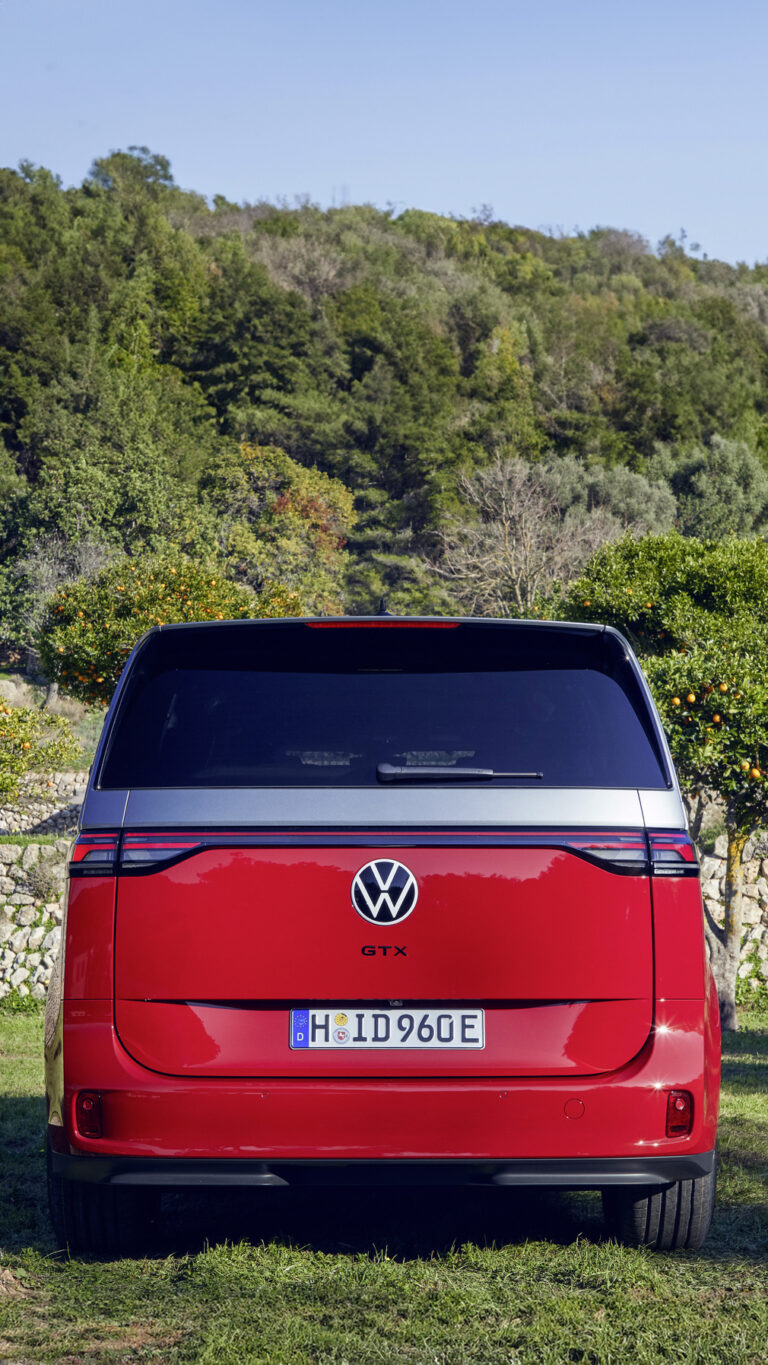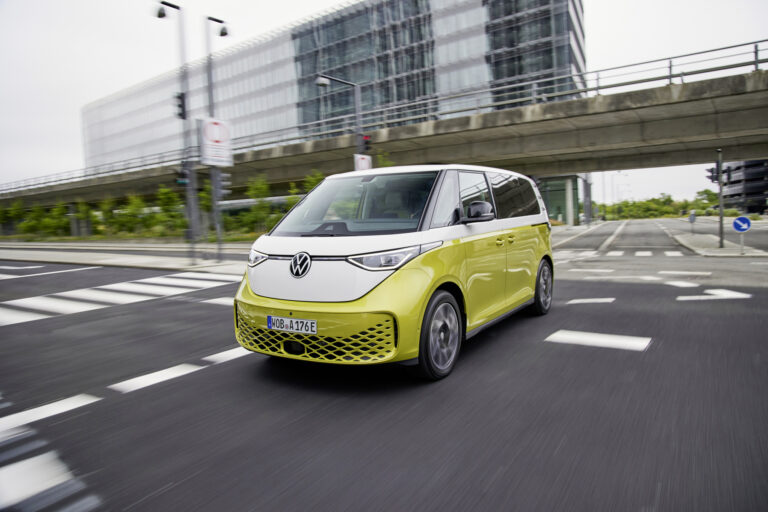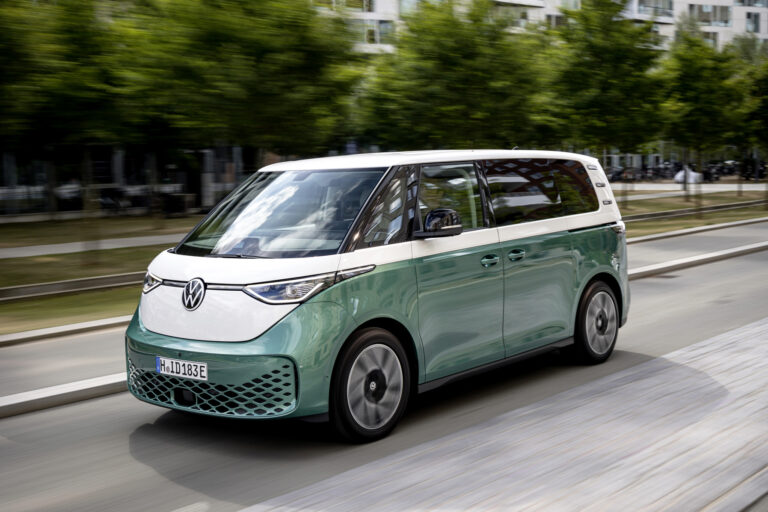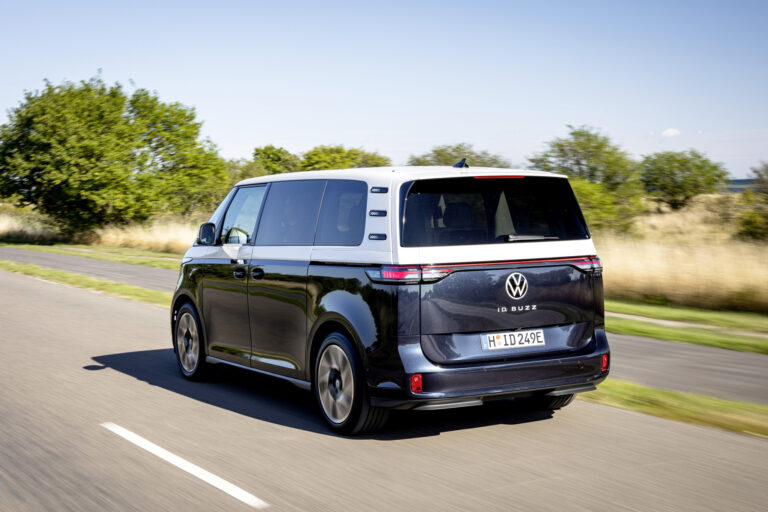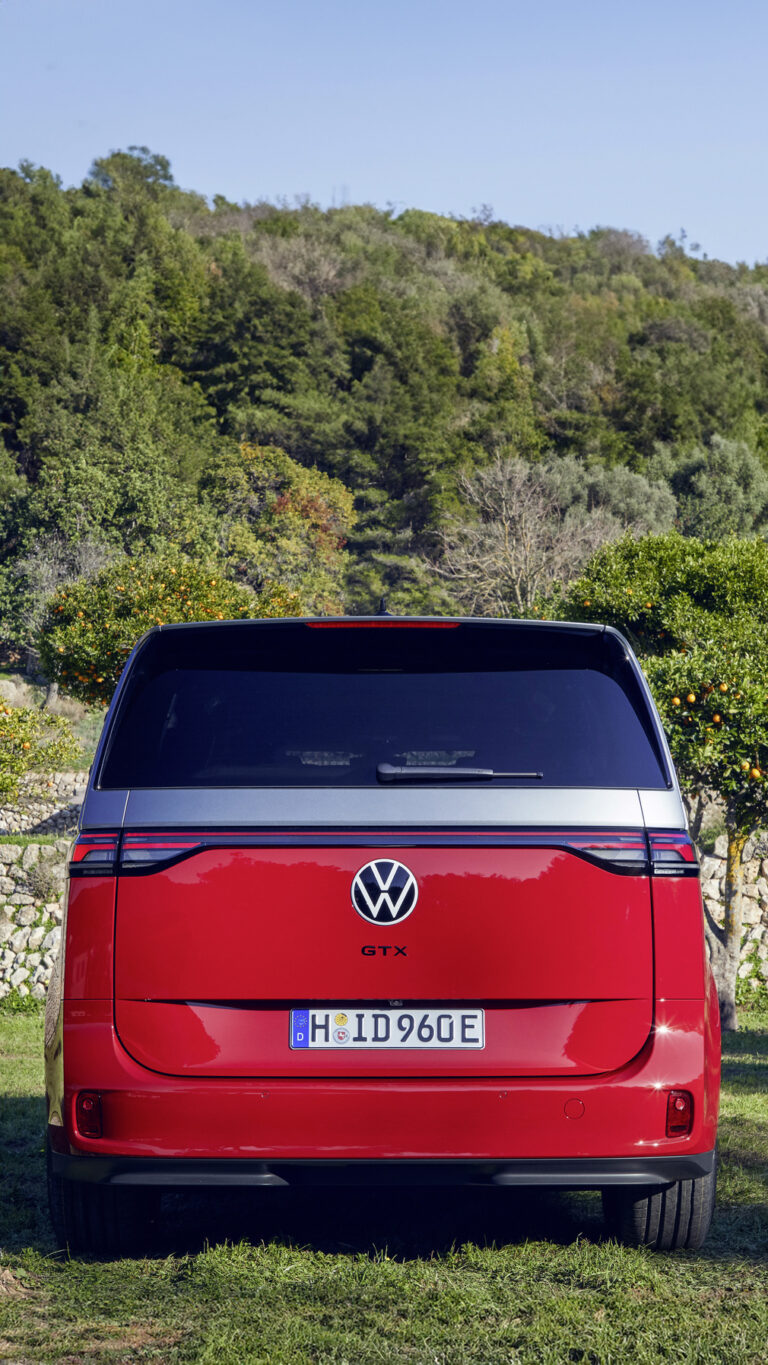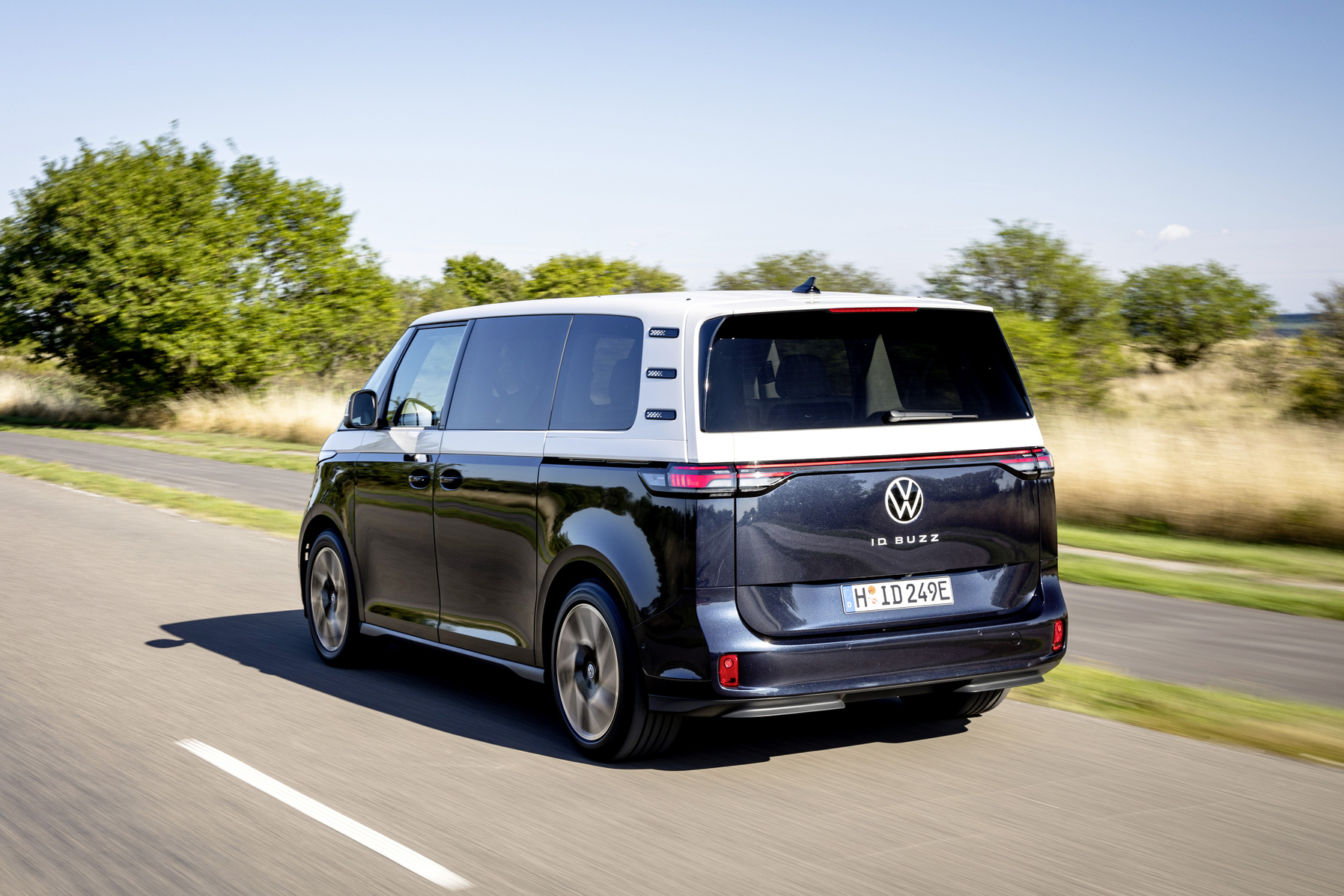
With the arrival of the Volkswagen ID. Buzz GTX, the trailer load and pulling power have been significantly improved. This makes this electric bus a serious option for towing a caravan. The combination of four-wheel drive and a higher towing weight resolves previous limitations. This improvement does, however, have clear consequences for consumption. Read on to discover what this means for you in everyday use.
How much are you allowed to tow with the ID. Buzz GTX?
The standard ID. Buzz Pro, with rear-wheel drive only, was limited to a braked towing capacity of 1,000 kg. For many caravan owners this was not enough. The arrival of the GTX version increases the permitted towing weight considerably. Thanks to a second electric motor on the front axle, this model has 4MOTION four-wheel drive and a combined output of 250 kW (340 PS).
This technical change increases the towing weight substantially. The specifications for the maximum trailer load are now as follows:
- ID. Buzz GTX (short wheelbase): 1,800 kg braked towing capacity.
- ID. Buzz GTX (long wheelbase): 1,600 kg braked towing capacity.
This is an increase of 600 to 800 kg compared with the regular models. This makes it possible to tow medium-sized caravans, boat trailers or horse trailers. The unbraked towing capacity remains 750 kg for all models.
‘ This results in noticeably better grip and stability, so you’re on the road with more confidence and control, whatever the weather or the surface. ’
Traction problems are a thing of the past
A well-known point of attention with the rear-wheel-drive ID. Buzz was traction when towing a trailer. Especially on wet or unpaved surfaces, such as a soggy campsite pitch, the rear wheels could lose grip. This sometimes led to tricky situations when manoeuvring or pulling away on a slope.
The ID. Buzz GTX tackles this problem effectively. The 4MOTION system intelligently distributes the drive power across all four wheels. As soon as the electronics detect that the rear wheels are about to spin, the electric motor on the front axle is activated immediately. This results in noticeably better grip and stability, so you’re on the road with more confidence and control, whatever the weather or the surface.
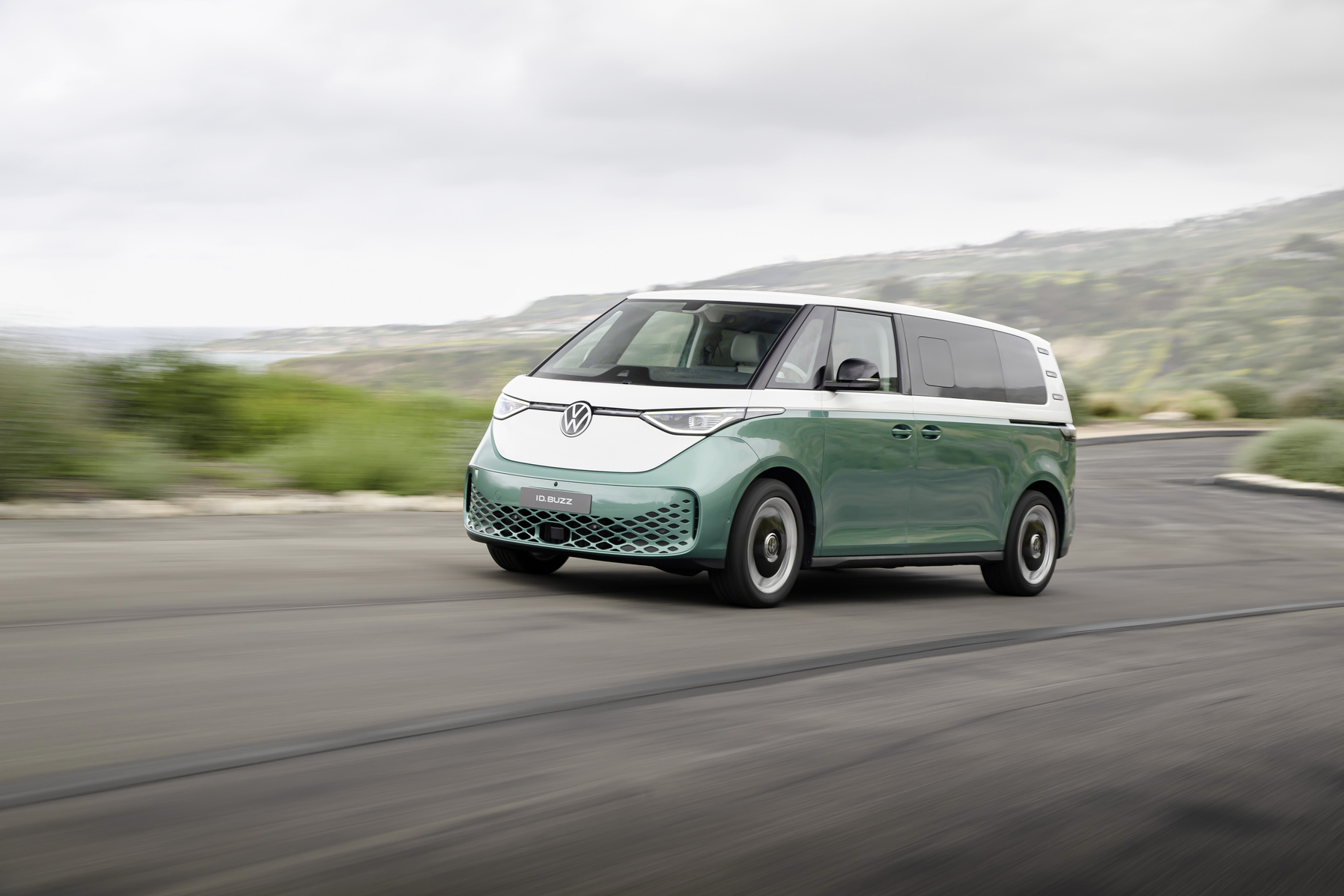
Which caravan suits the Volkswagen ID. Buzz?
The ID. Buzz GTX is allowed to tow up to 1,800 kg. As a result, the choice of suitable caravans is considerably larger. The brand of caravan is less important; focus mainly on weight and shape. Take the total weight into account, because the maximum towing capacity includes the load. A caravan that weighs 1,400 kg empty can easily exceed 1,600 kg once you add luggage, gas bottles and other accessories.
So choose a caravan whose maximum permitted weight remains comfortably below the car’s limit. Also consider aerodynamics. A lower and more streamlined caravan has a more favourable effect on energy consumption than a tall, boxy caravan. Aerodynamic drag is an even more important factor for an electric car than for a combustion-engined car.
Tips for driving with a trailer
When coupling up, pay attention to the maximum nose weight: the vertical load of the coupling on the tow bar. For the ID. Buzz GTX this is 75 kg. A correct nose weight is important for stable handling. Distribute the load in the caravan properly. Place heavy items as low as possible and close to the axle. Volkswagen also supplies the GTX with handy assistance systems such as Trailer Assist. This system helps with reversing by automatically taking over the steering with the trailer.
The impact of a trailer on consumption
Towing a heavy load has a major impact on the energy consumption of any electric car. The ID. Buzz GTX is no exception. The range depends on various factors, such as the weight of the trailer, its aerodynamics, your speed and the weather conditions. In practice you need to allow for a substantial reduction in range.
Count on roughly halving the normal range when you are on the road with a large caravan. This means you will have to plan your trip more carefully. With fast-charging capability of up to 200 kW, the battery of the ID. Buzz GTX (depending on the battery version) can be charged from 10% to 80% in around 25 to 30 minutes. Bear in mind that charging stops will be needed more often than on a journey without a trailer.
Would you like to know more about the latest electric cars or are you looking for practical tips for driving with a caravan? On Carnews.nl you’ll find extensive tests and comparisons to help you make your choice.
Frequently asked questions
The maximum braked trailer load of the ID. Buzz GTX is 1,800 kg for the short wheelbase (SWB). For the long wheelbase (LWB), the maximum braked trailer load is 1,600 kg.
The trailer load has a considerable impact on the driving range of the ID. Buzz GTX: with a full load (around 1,600–1,800 kg) you should in practice allow for a possible halving of the range. Where you might achieve roughly 400–450 km in WLTP-like conditions without a trailer, this can drop to about 200–250 km with a heavy caravan or trailer, depending on speed, weather conditions and route profile. Higher speeds and gradients in particular increase consumption significantly.
The ID. Buzz GTX can tow up to 1,800 kg (SWB) and 1,600 kg (LWB) braked, which is significantly more than the standard ID. Buzz (1,000–1,200 kg) and above average within the electric segment, where many electric vans and SUVs are limited to around 1,200–1,500 kg. This makes it one of the stronger electric tow cars, especially thanks to the 4MOTION four-wheel drive and high torque. Compared with similar combustion-powered vans and MPVs, its maximum braked trailer capacity puts it in the upper mid-range, although some heavy diesel vans still offer higher figures.
Yes, the ID. Buzz GTX offers specific systems and modes that optimise towing. For example, there is Trailer Assist, which partially automates and simplifies low-speed manoeuvring with a trailer. In addition, 4MOTION four-wheel drive provides extra traction, especially on wet or loose surfaces and on hills. The driver can also engage 4MOTION manually for better grip with a heavy load.
The ID. Buzz GTX is most suitable for towing medium to heavy trailers up to around 1,600–1,800 kg, such as caravans, boat trailers and horse trailers. Thanks to 4MOTION four-wheel drive, it really comes into its own on wet, loose or sloping terrain (for example campsites, slipways at marinas or muddy fields). This makes it ideal for holiday use with a caravan or boat, and for riders who regularly travel with a horse trailer.